The Great Australian Shift: Why Regional Living is Calling
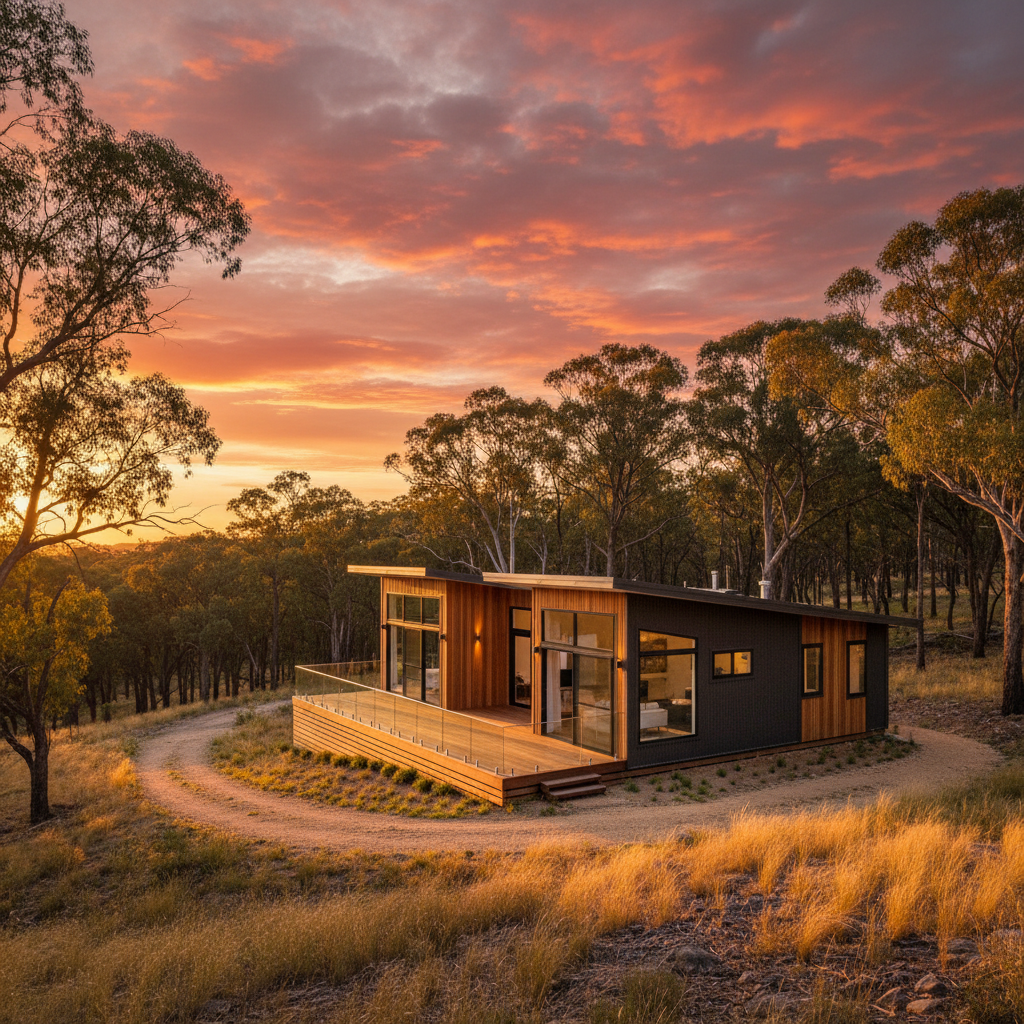
There is a quiet revolution happening across the Australian landscape. From the rolling hills of the Byron hinterland to the rugged beauty of the Victorian High Country, more people than ever are trading the metropolitan grind for a patch of dirt and a fresh start. This movement, affectionately known as the tree-change, is not just about moving house, it is about reclaiming time, space, and autonomy.
However, building in regional Australia presents a unique set of challenges. Traditional builders often face heavy backlogs, and the cost of transporting materials to remote areas can be prohibitive. This is where kit homes have emerged as a front-runner for savvy tree-changers. They offer a marriage of modern design and logistical practicality that suits the regional lifestyle perfectly.
The Appeal of Kit Homes for Regional Blocks
When you move to a rural or semi-rural area, you often find yourself with more land but less access to local specialized labor. This is one of the primary reasons kit homes have become a staple of Australian housing trends in the regions. By having a complete architectural solution delivered to your site, you bypass many of the headaches associated with traditional custom builds.
A kit home provides the essential skeleton and skin of the house, including the structural frames, roofing, cladding, and windows. For someone moving to a regional area, this means you can lock up your home relatively quickly, protecting your investment from the elements and providing an immediate sense of progress on your new lifestyle.
Designing for the Australian Landscape
Every regional block is different. You might be dealing with a steep slope in a rainforest setting, or a flat, dusty expanse in the outback. One of the greatest benefits of the modern kit home is the ability to choose a design that harmonizes with your specific environment. When planning your tree-change home, consider these design trends that are currently shaping regional Australia:
- Wide Verandahs: Essential for the Australian climate, providing natural shade and a seamless transition between indoor and outdoor living.
- Open Plan Living: Maximizing the sense of space and allowing for cross-ventilation, which is vital during hot Australian summers.
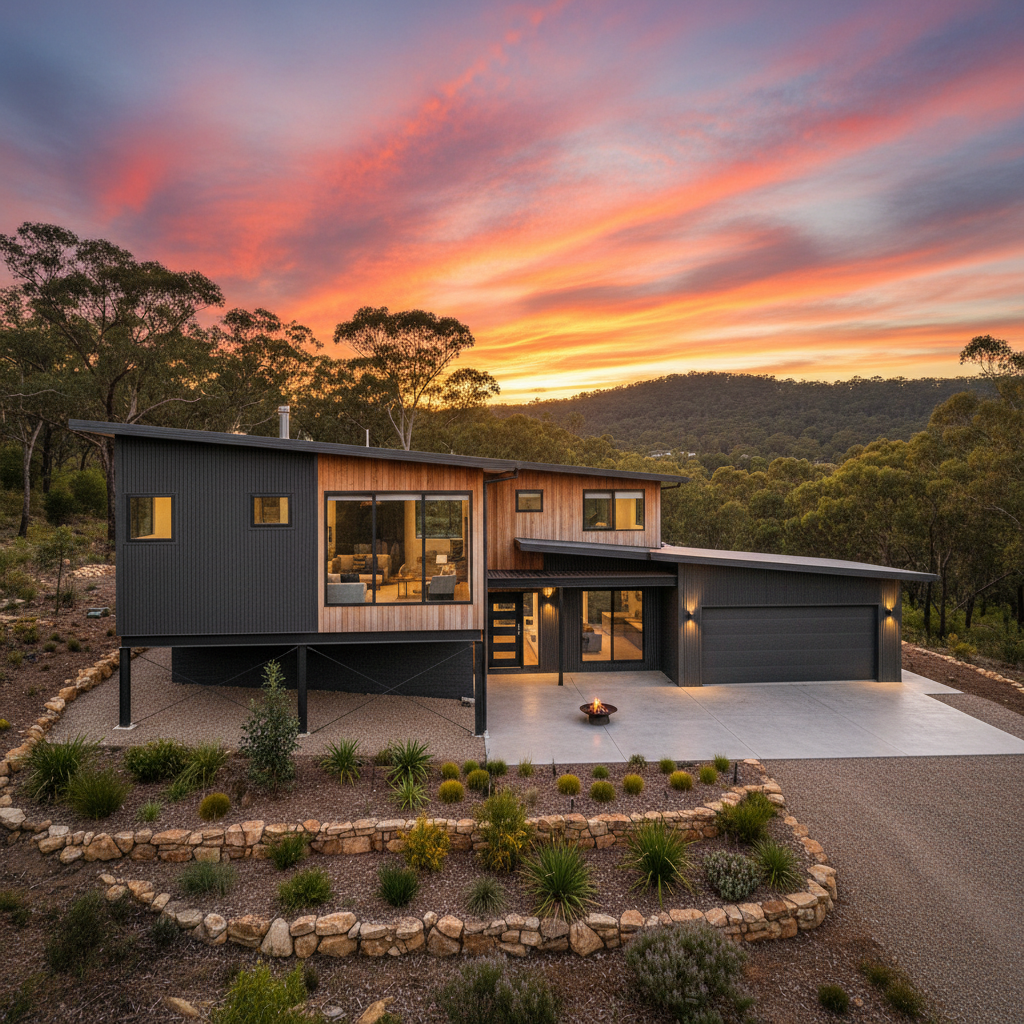
- Large Glazing: When you have a view, you want to see it. Choosing designs with expansive windows allows the landscape to become part of your interior decor.
The Strength of Steel in the Bush
Technical durability is non-negotiable when building outside of the city. Regional Australia is beautiful, but it can be harsh. This is why many tree-changers opt for kit homes that utilize high-quality Australian steel, such as BlueScope TRUECORE steel. Using a steel frame offers several distinct advantages in a rural setting.
Firstly, steel is termite-proof. In many regional areas, termites are a significant threat to the structural integrity of timber-framed buildings. Using steel removes this worry entirely. Secondly, steel frames stay straight and true. They do not warp or twist over time, which is especially important in areas with varying moisture levels or extreme temperatures. Finally, in regions prone to bushfires, steel is non-combustible, providing an extra layer of peace of mind for the homeowner.
The Rise of the Owner-Builder
The tree-change dream is often fueled by a desire for a more hands-on lifestyle. It is no surprise then that many people making the move choose to become owner-builders. Managing your own project allows you to be intimately involved in the creation of your home, ensuring that every detail aligns with your vision.
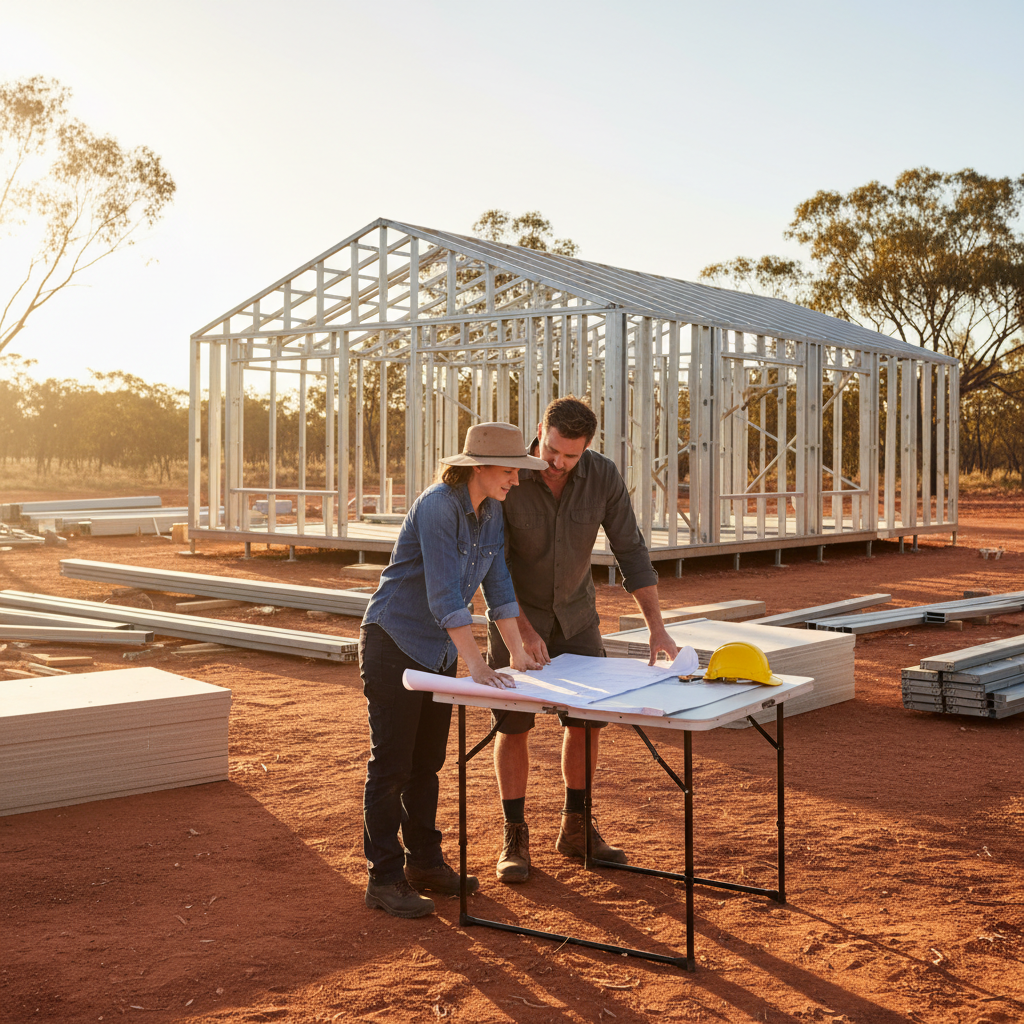
As an owner-builder using a kit home, you take on the role of project manager. While the kit provider supplies the primary components, you are responsible for organizing the site works, the concrete slab, and the various trades like plumbers and electricians needed for the fit-out. This approach is incredibly rewarding and allows for a level of personalization that is hard to find in a standard suburban development.
Tips for the Modern Owner-Builder
If you are planning to manage your own build on your new regional block, here are a few practical tips to keep in mind:
- Know Your Site: Before the kit arrives, understand your land. Where does the water flow when it rains? Where does the sun hit at midday? Proper site orientation can save you heaps on energy bills later.
- Build a Local Network: Even if you are doing much of the work yourself, you will need local trades. Start talking to electricians and plumbers in your new town early. Their local knowledge of soil types and weather patterns is invaluable.
- Plan Your Storage: When your kit arrives, you will have a lot of components on site. Ensure you have a flat, dry area to store frames, cladding, and windows until they are ready to be installed.
- Don't Rush the Foundation: The slab is the most important part of the build. Ensure it is perfectly level and built to specification, as everything else literally rests on its quality.
Sustainability and the Tree-Change Ethos
Most people moving to regional Australia are doing so because they value the environment. Sustainability is a massive trend in Australian housing right now, and kit homes fit perfectly into this conversation. Because the components are manufactured in a controlled environment, there is significantly less waste on-site compared to traditional building methods.
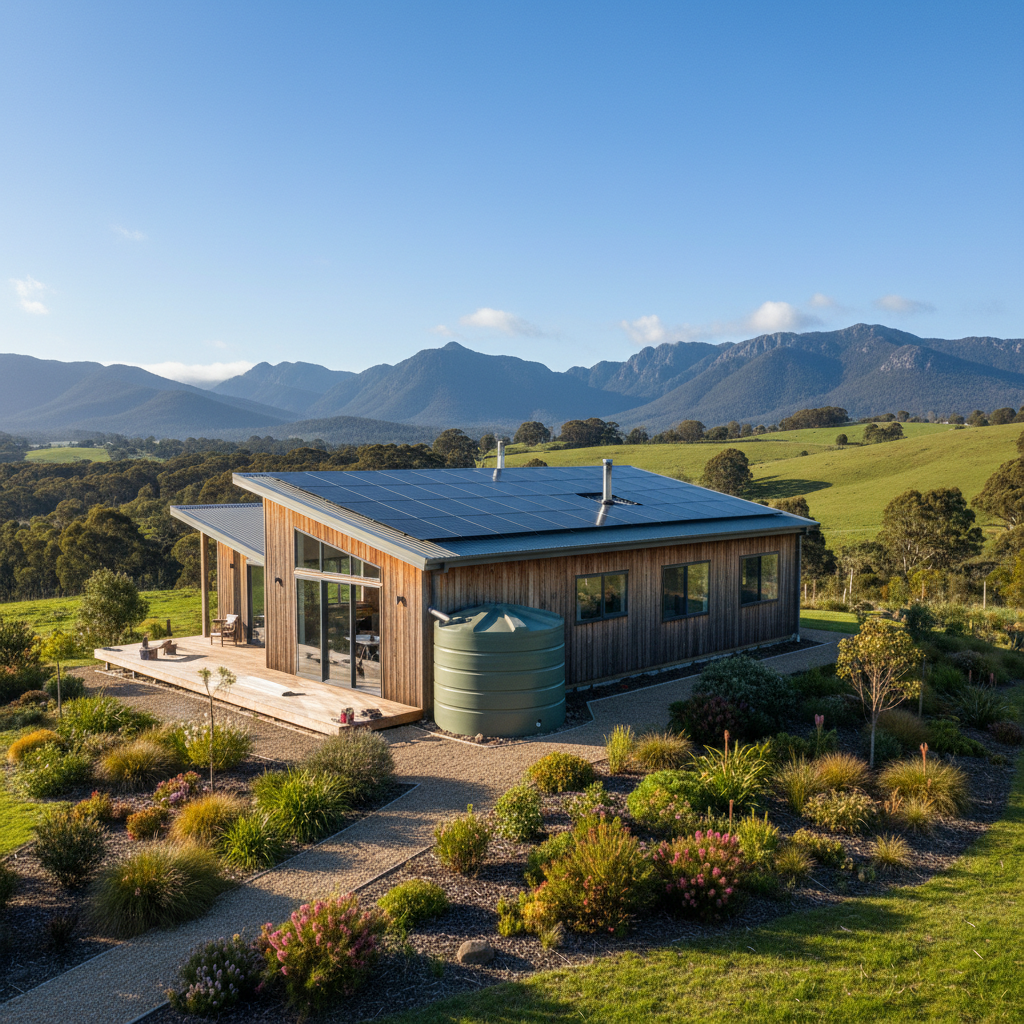
Furthermore, steel frames are 100 percent recyclable. When combined with modern insulation, high-performance windows, and smart design, a kit home can be incredibly energy efficient. Many tree-changers are taking this further by incorporating off-grid solar systems and rainwater harvesting, making their homes as self-sufficient as their new lifestyles.
The Psychological Reward of Building Your Own Home
There is a deep psychological satisfaction that comes from seeing a home rise from a vacant block of land, especially when you have played a key role in its construction. For many tree-changers, the process of building is a cathartic break from their previous professional lives. It is a chance to work with your hands, solve problems on the fly, and create something tangible that will stand for generations.
The kit home model facilitates this by taking the guesswork out of the structural phase. Knowing that your frames are engineered to Australian standards and that your roofing and cladding are designed to withstand local conditions allows you to focus on the creative aspects of the build, like the interior finishes and the landscaping that will eventually ground the house in its new environment.
Conclusion
The Australian tree-change is more than just a change of address; it is a commitment to a different way of living. It is about choosing quality over quantity and connection over convenience. Kit homes have become an iconic part of this movement because they empower individuals to take control of their housing journey.
By opting for a kit home, you are choosing a path that offers design flexibility, structural durability through steel frames, and the immense satisfaction of owner-building. Whether you are looking to build a small retreat or a sprawling family home, the kit home path provides the perfect framework for your new life in the Australian regions. As the housing market continues to evolve, the blend of tradition and innovation found in kit homes ensures they will remain a favorite for those brave enough to pursue the country life.