The Great Australian Dream used to be a brick veneer three-bedder in a suburb within striking distance of a train line. Not anymore. I've spent fifteen years watching people build their own homes, and the shift happening right now is massive. Ever since the NBN became halfway decent in regional pockets and office bosses realized productivity doesn't die if you aren't at a desk in the CBD, the rush to the bush has been relentless. People are tired of the 45-minute crawl on the Monash or the M1. They want five acres, a view of the gums, and a home they actually had a hand in putting together.
The Remote Work Catalyst
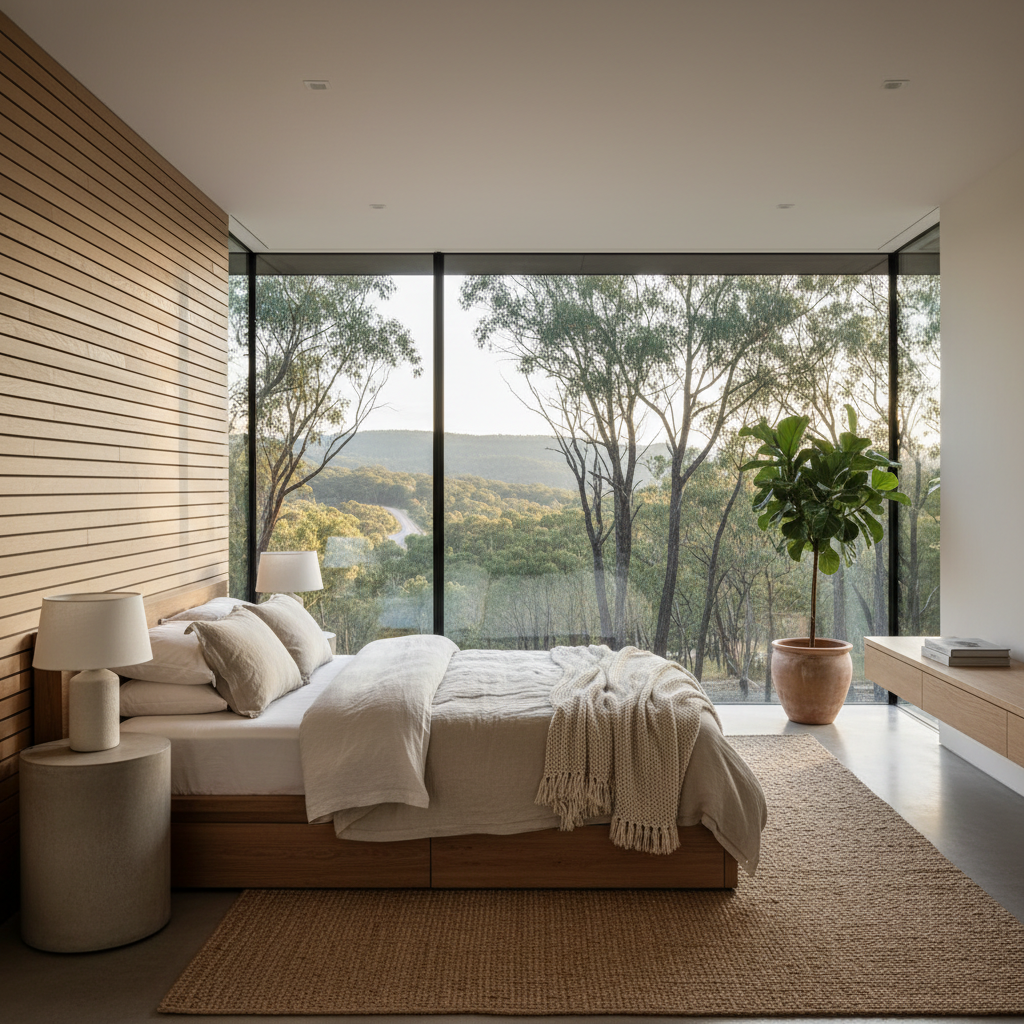
It isn't just about fresh air. It's about space. When you're working from home three or four days a week, a spare corner of the dining table doesn't cut it. Most kit home buyers I talk to now are looking at four-bedroom plans specifically so they can turn two of those rooms into dedicated offices. We're seeing a huge uptick in interest for sites in places like the South Western Slopes of NSW, the Mary Valley in Queensland, and the undulating hills of the Huon Valley. These used to be holiday spots. Now, they're permanent postcodes. Because you can jump on a Zoom call from a deck overlooking the scrub just as easily as you can from a windowless cubicle in North Sydney.
Steel Frames in the Australian Landscape
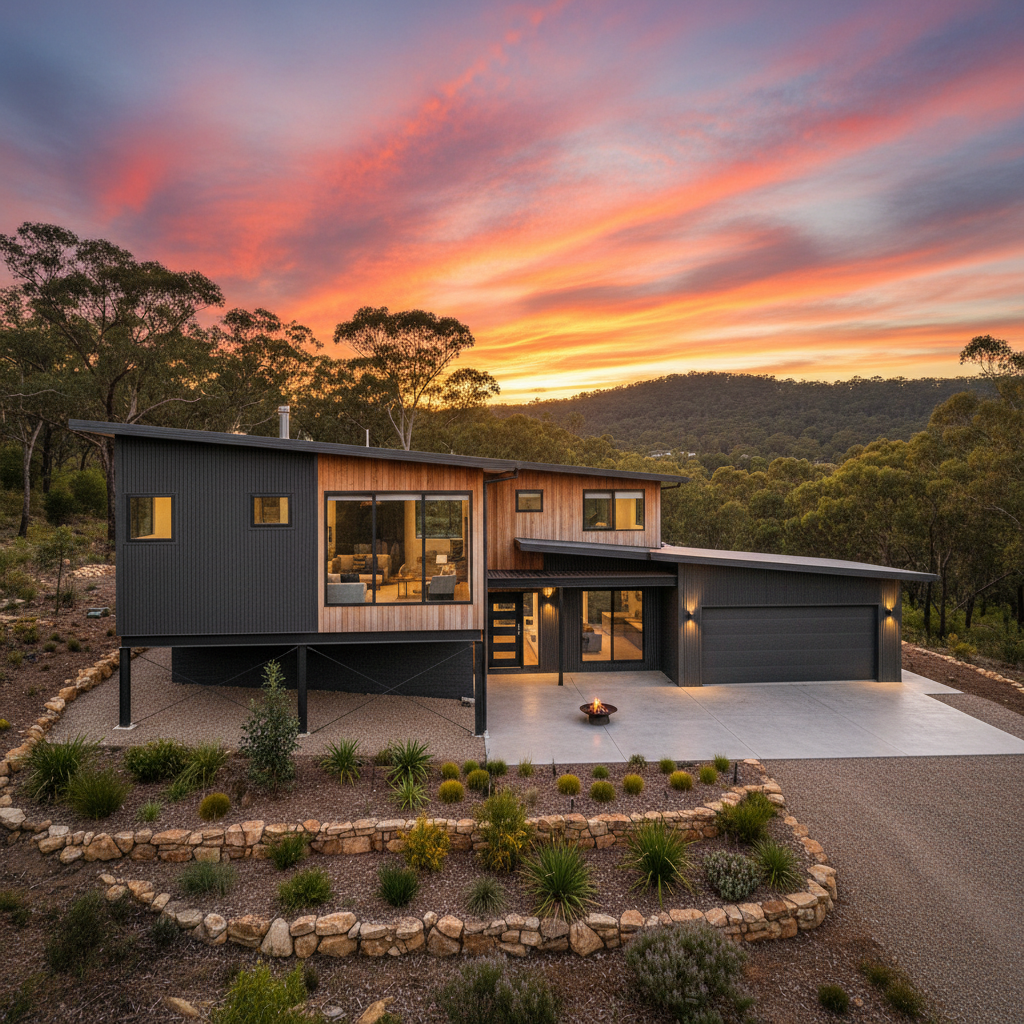
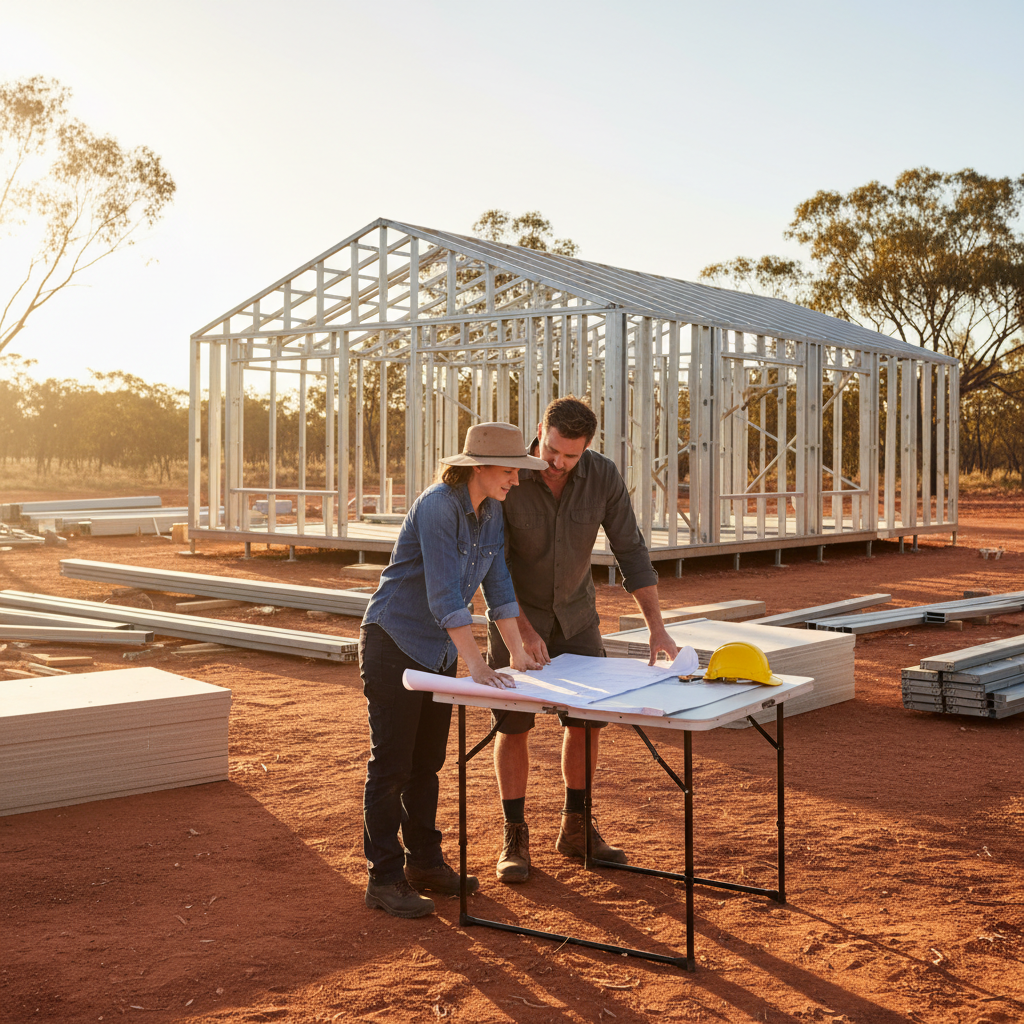
If you're building out in the sticks, you've got to be smart about materials. Termites don't care about your aesthetic. They see a timber frame and think it's a buffet. That's why choosing a kit with BlueScope TRUECORE steel is basically common sense for rural builds. It's straight. It stays straight. It won't twist like a cheap piece of pine when the humidity spikes in February. Plus, in high Bushfire Attack Level (BAL) areas, having a non-combustible frame is one less thing to stress about when the sky turns that nasty shade of orange. You'll still need to sort out your fire shutters and mesh to meet AS 3959, but starting with a steel skeleton is a solid foundation. Just remember, if you're hanging a heavy dryer or a massive TV on a steel stud, you'll need to plan your noggins or use the right toggles. You can't just drive a screw in anywhere like you're working with timber.
The Reality of Being an Owner Builder
Don't let the glossy brochures fool you. Being an owner-builder isn't just about wearing a high-vis vest and looking busy on Saturdays. It's about coordination. When your kit arrives on the back of a semi-trailer, you need to have your site ready. That means your slab is poured, your plumbing rough-ins are in the right spot, and you've got a flat, dry place to stack your steel frames and cladding. We've seen guys forget to check their site access for the delivery truck. If the driver can't get his rig up your narrow, dirt track because of a low branch or a tight bend, you're going to have a headache before the first bolt is even tightened. Plus, you'll need a White Card and an Owner Builder permit from your state regulator, like the VBA in Victoria or Fair Trading in NSW. It's paperwork, sure, but it's what keeps the project legal.
Smart Design for Regional Living
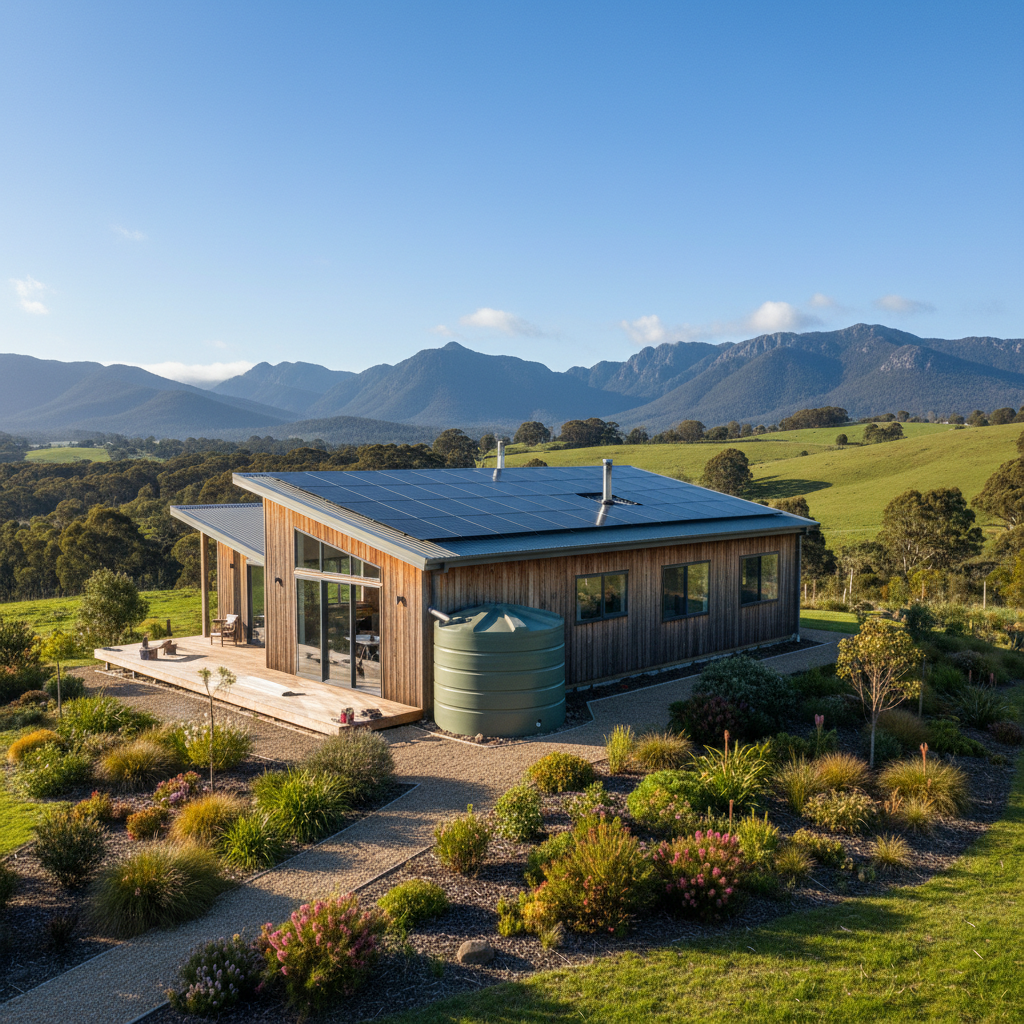
When you're designing for a rural block, orientation is everything. I see people plonk a house down right in the middle of their land without thinking about the sun. In Australia, you want those big windows facing North. Get that winter sun hitting your slab to keep the place warm, then use deep eaves or wide verandahs to block the harsh summer heat. Our kits usually include insulation, which is non-negotiable. Whether it's those freezing mornings in Orange or the muggy nights in Gympie, you want a tight thermal envelope. A lot of regional buyers are opting for corrugated steel cladding like Colorbond. It's iconic for a reason. It's tough, it handles the hail, and it doesn't need a coat of paint every five years. It fits the Australian bush vibe perfectly without looking like you're trying too hard.
The Trades Shortage and the Kit Solution
Getting a local builder to commit to a project in a remote area is like trying to find a needle in a haystack right now. Most of them are booked out for two years. This is where the kit home model shines. Because the heavy lifting of the engineering and the framing is sorted when the kit arrives, you're not relying on a carpenter to spend weeks measuring and cutting on-site. You can hire local trades for the specific bits, the sparky, the plumber, the plasterer, and manage the timeline yourself. It gives you control. You aren't at the mercy of a builder's disappearing act. But, a word of advice: talk to your trades early. Don't wait until the roof is on to try and find a plumber. Lock them in while you're still waiting for council approval.
Practical Tips for the Rural Site
- Check your BAL rating before you buy anything. It dictates what windows and cladding you're allowed to use.
- Think about water. If you aren't on mains, you'll need tanks. A big house means a big roof catchment area, so use it.
- Septic systems are another thing city people forget. Get a soil test done early to see what kind of system your land can handle.
- Power isn't always at the boundary. Running poles and wires can be a shock to the system, so factor in solar if it makes more sense.
The movement towards regional kit homes isn't a fad. People are realizing that life is too short to spend it in traffic. If you've got a bit of gumption and you're good at organizing a spreadsheet, being an owner-builder on a few acres is probably the most rewarding thing you'll ever do. It's hard work, but when you're sitting on that deck on a Friday afternoon, watching the sun go down over your own patch of dirt, you won't be thinking about the office. You'll be thinking about how good it feels to be home.