The suburban dream is officially wearing thin.
Walk around any new estate in Western Sydney or the outer fringes of Melbourne right now. It's the same story everywhere. Houses are crammed together so tight you can practically hear your neighbor's toaster pop. You've got no backyard, a mortgage that makes your eyes water, and a commute that eats two hours of your life every single day. But something shifted about three years ago. The boss finally realized that the office is just a place with expensive coffee and bad lighting, and suddenly, that two-acre block in the Sunshine Coast hinterland or a quiet patch of dirt near Orange doesn't seem so out of reach. We're seeing a massive spike in people looking at kit homes Australia wide because they've finally got the green light to work from anywhere with a decent NBN connection.
It's not just about the space, though. People are fed up with the cookie-cutter rubbish being pumped out by the big volume builders. They want a home they've had a hand in, something that doesn't feel like a glorified hotel suite. When you go down the owner builder path with a kit, you're taking back control. You aren't at the mercy of a site supervisor who's balancing forty other jobs and hasn't looked at your plans in three weeks. You're the one on the ground, calling the shots and making sure the slab is poured right and the framing is square.
The Steel Frame Reality Check
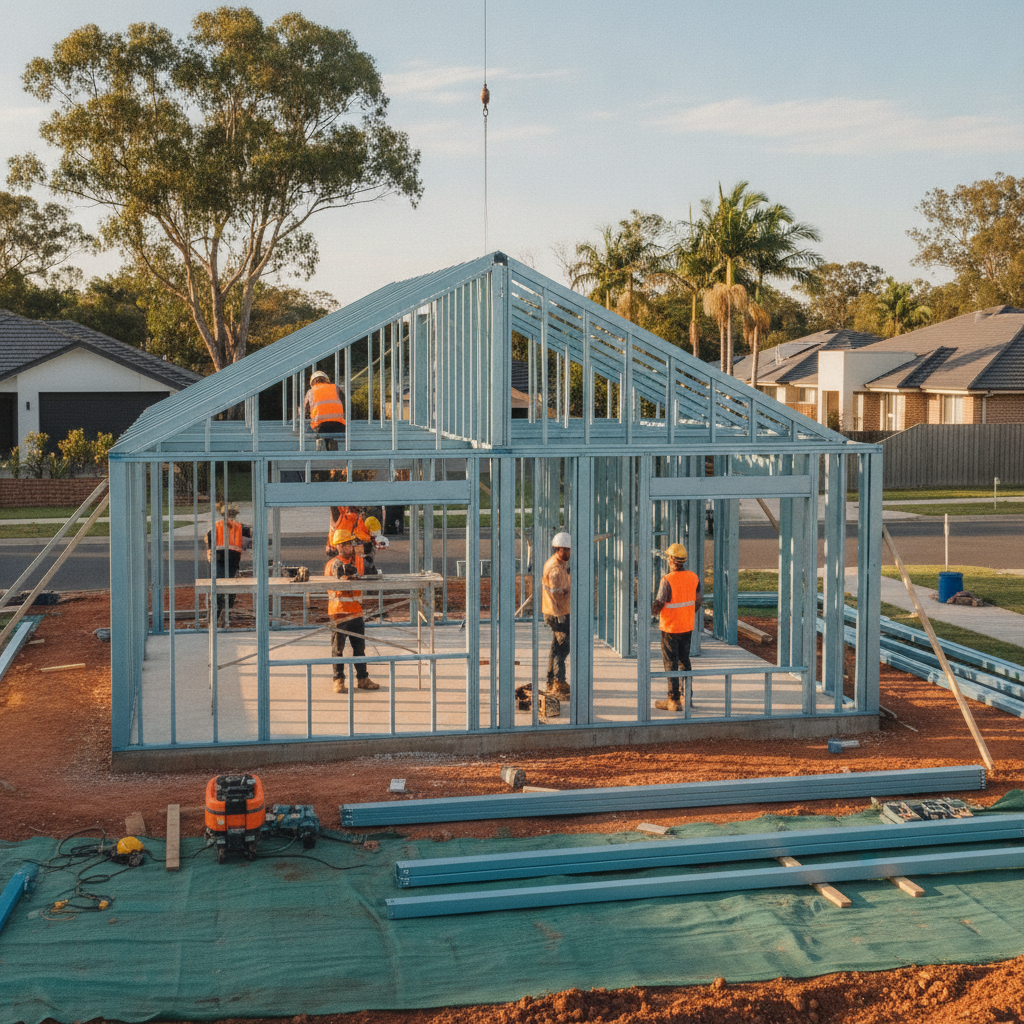
If you're heading out to the scrub, you've got to think about things that city slickers never even consider. Termites, for one. Those little blokes will chew through a timber house before you've even finished the landscaping. That's why we see so many people opting for steel frames. Using BlueScope TRUECORE steel isn't just a fancy brand choice, it's about being able to sleep at night knowing your house won't get hollowed out from the inside. Plus, steel is straight. It doesn't warp or twist like some of the green timber being sold these days that looks more like a boomerang than a stud. When you're putting up your own walls, you want components that actually fit together the way the drawings say they should.
But let's be real for a second. Working with steel has its own quirks. If you decide last minute that you want to move a light switch or hang a heavy-duty floating shelf, you can't just whizz a screw in anywhere like you can with wood. You need to plan your noggins. You've got to think about where your services are running before the cladding goes on. It's about being one step ahead of the build. Because once that steel is up and the insulation is packed in, changing your mind becomes a much bigger chore.
Navigating the Bushfire Zones
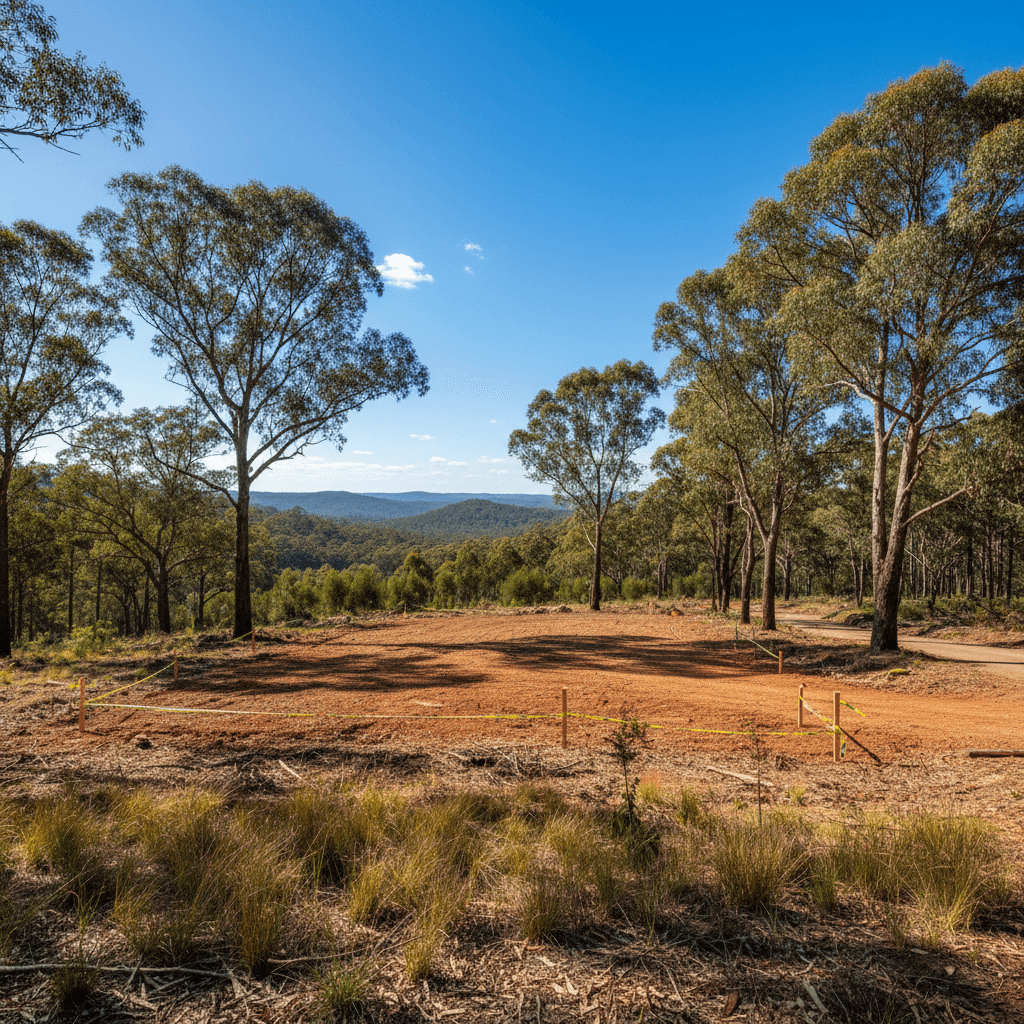
Building in rural Australia brings you face to face with BAL ratings. That’s the Bushfire Attack Level, and it dictates everything from your glass thickness to the type of weep hole covers you use. If you've bought a block surrounded by heavy bush, you're likely looking at BAL-29 or even BAL-40. This is where kit homes really shine. Because the exterior is mostly steel cladding and toughened windows, meeting these requirements is heaps easier than trying to retrofit an old weatherboard shack. But don't just assume it’s all sorted. You need to talk to your council early. Get a bushfire consultant out there to tell you exactly where your asset protection zone needs to be. It might mean clearing some tea trees or moving the house site twenty meters to the left. Better to know that before the truck arrives with your floor joists.
Owner Builder Tips: The Stuff They Don't Tell You
Most people think being an owner builder is just about swinging a hammer. It’s not. It’s about being a project manager who happens to get dusty. You’ll spend more time on the phone to your plumber and electrician than you will actually building. Here’s a bit of advice from the trenches: don’t book your trades until the kit is actually on site. I’ve seen it a dozen times where a guy books the roofers for Monday, but the truck gets delayed by a week of rain in Lismore, and then the roofers are booked out for another month. It’s a domino effect that'll break your heart. Wait until the steel is sitting on your slab. Then make the calls.
And let's talk about the site itself. Rural blocks aren't always level, and they certainly aren't always easy to access. If the delivery driver can’t get his semi-trailer up your driveway because of a low-hanging gum tree or a tight hairpin turn, he’s going to drop your entire house at the front gate. Now you've got five tonnes of steel sitting by the road and a long weekend of rain coming. Suss out your access before you order. Maybe you need to hire a smaller truck to ferry the gear up to the house site, or maybe you need to get the bobcat in to widen the track first. It’s the little logistical nightmares that'll get you, not the building part.
The Design Shift: Home Offices are the New Master Suite
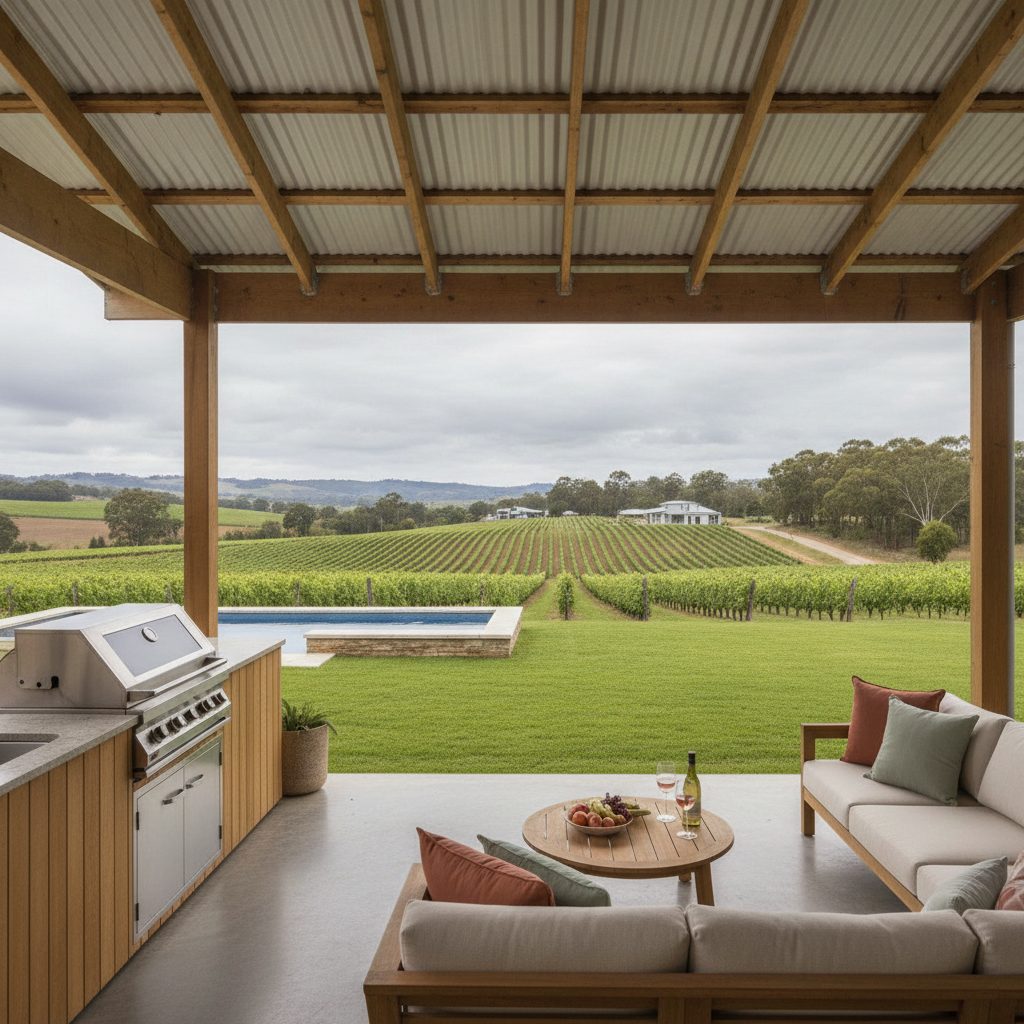
We're seeing a massive change in how people are laying out these rural kits. The tiny little study tucked under the stairs is dead. If you're working 40 hours a week from home, you want a proper room with a view of the paddocks and enough space for a decent desk. People are choosing designs with an extra bedroom just to use as a dedicated workspace. Others are opting for a separate small kit entirely, just to keep the work life and the home life from bleeding into each other. If you're building out in the sticks, you've got the space. Use it. Don't build a cramped city house in the middle of the country.
Technical Know-How: The AS 4100 Standard
You don't need to be a structural engineer to build a kit home, but you should understand that these things are built to strict Australian Standards. We’re talking about AS 4100 for steel structures and the NCC (National Construction Code) Volume 2. These codes aren't just red tape to keep you annoyed; they ensure your house doesn't blow over when the first big southerly buster hits. When you're assembling your frames, pay attention to the bracing. Every strap and every screw has a purpose. Don't think "oh, six screws will do" if the manual says eight. The engineering assumes you’ve followed the instructions to the letter.
Another thing is the insulation. In a steel frame home out in the rural heat, you want a thermal break. It’s a simple strip of foam or high-performance material that sits between the frame and the cladding. It stops the heat from the sun transferring directly through the steel into your living room. It's a small detail that makes a massive difference to your energy bills over the next twenty years. Don't skip it just to save a few bucks now.
Why This Trend Isn't Slowing Down
The cost of living in the cities is astronomical and the quality of life is often subpar. For the price of a knockdown-rebuild in a cramped suburb, people are getting a custom-designed home on twenty acres with a view that never gets old. It’s a no-brainer. Plus, there’s a sense of pride in building it yourself. When you move in, you know exactly what’s behind every wall. You know where the pipes run and how the roof is fixed down. You aren't just a tenant in your own house; you're the creator of it. That's a feeling you can't buy from a volume builder, no matter how much you spend on their luxury upgrade packages.
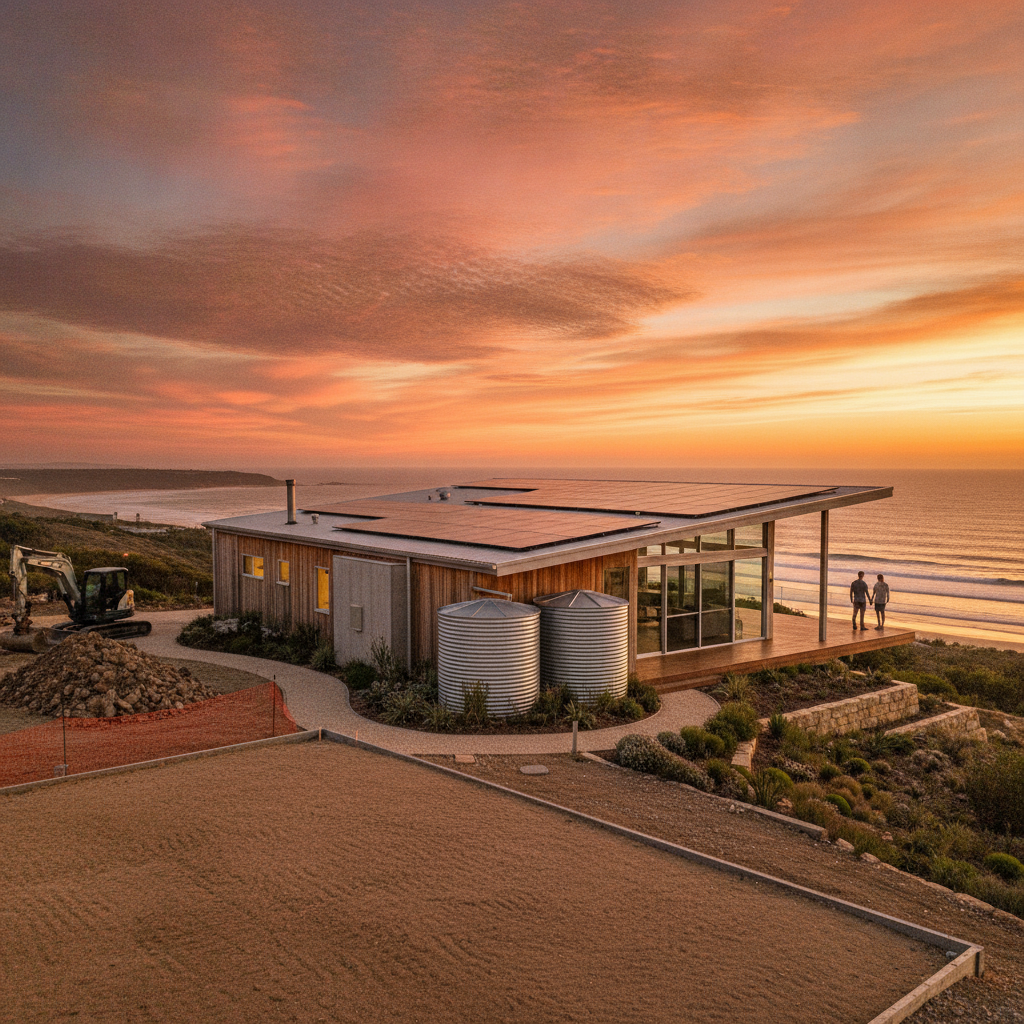
So, if you’ve been staring at that block of land on realestate.com.au every night for the last six months, maybe it's time to stop looking and start planning. The tech is there to work from the bush, and the kit home systems are better than they've ever been. Just make sure you do your homework on the council requirements and stay organized with your trades. It’s a big job, but ask anyone who’s done it – having a cuppa on your own deck while looking out over your own bit of Australia is worth every single drop of sweat.