The Great Move North (and South, and West)
Sydney's traffic hasn't gotten any better in thirty years. Melbourne's suburbs just keep sprawling further into the distance. It's no wonder people are packing up and heading for places like the Sunshine Coast hinterland, the Bega Valley, or the outskirts of Mudgee. But once you get that patch of dirt, you hit a massive wall. Try getting a project builder to drive three hours out of town to look at a single-dwelling site. They won't do it. If they do, they'll slap a massive 'remote area' surcharge on the bill that'll make your eyes water.
This is where the kit home reality kicks in. It's not just a budget choice. It's often the only way to actually get a house built in regional Australia without waiting three years for a local builder who's already booked solid with insurance work and government contracts. When you're an owner-builder, you're the boss. You manage the site, you pull the triggers, and you get the structure up on your own timeline.
The Steel Frame Advantage in the Scrub
If you're building out in the bush or even on a grassy block in a regional town, termites are your biggest enemy. They don't sleep. They don't take holidays. I've seen timber-framed houses in Queensland riddled with 'white ants' before the owners even finished the internal painting. It's heartbreaking. That's why we stick with TRUECORE steel from BlueScope. It's 100 percent termite proof. You don't have to spray gallons of nasty poison into your soil every few years just to keep your studs from being eaten.
Plus, there's the fire factor. Most tree-changers end up on land with a Bushfire Attack Level (BAL) rating. Steel doesn't burn. While a steel frame won't make a house fireproof on its own - you still need the right windows, seals, and cladding - it provides a non-combustible skeleton that gives you a massive head start on meeting those AS 3959 requirements. It's peace of mind when the northerly winds start picking up in January.
Precision Matters When You're Miles from Bunnings
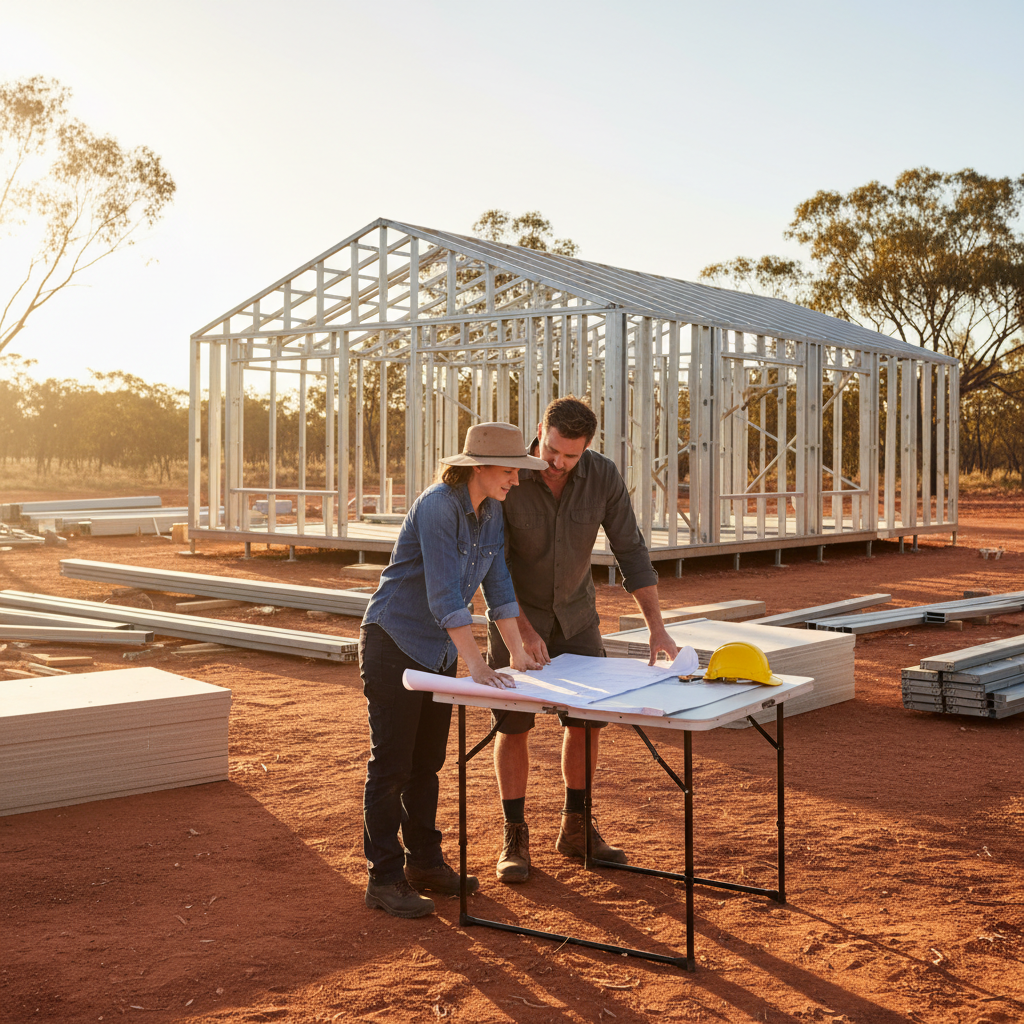
One thing people forget about building in the sticks is the logistical nightmare of missing parts. If a carpenter realizes they've got a wonky batch of timber or they've cut a plate short, it's a two-hour round trip to the nearest hardware store. Steel kits are different. The frames are engineered in a factory, pre-punched, and rolled to the exact millimetre. They arrive on the back of a truck, and they go together like a giant Meccano set. Every hole for your electrical wiring and plumbing is already there. No drilling, no sawing, and very little waste. It's clean. It's fast. And it saves you from spending your entire weekend sitting in regional traffic trying to find the right size screws.
Tips for the Regional Owner-Builder
Don't just jump in and start digging holes. You need a plan. First, suss out your access. That winding dirt track through the trees looks romantic in the real estate photos, but can a semi-trailer loaded with roof iron and wall frames actually get up there? If the answer is 'no', or 'only if it hasn't rained for a month', you've got work to do before you order your kit. You might need to drop some gravel or widen a turn. Do it early.
Second, get your slab or piers sorted by a local professional. The kit is only as good as the foundation it sits on. If your slab is out by 20mm, your steel frames won't line up, and you'll be fighting the structure the whole way. Spend the money on a top-tier concreter. It's the best insurance you'll ever buy.
Managing Trades in a Trade Shortage
Since you're acting as the project manager, you'll need to find a sparky, a plumber, and a plasterer. In regional areas, these blokes are busier than ever. Pro tip: don't wait until the roof is on to start calling. Start making friends while your DA is still sitting with council. Go to the local pub, ask around at the hardware store, and get names. Be the person who has their site ready, has the materials on-hand, and pays their invoices on the day. Word spreads fast in small towns. If you're easy to work with, the good trades will come back.
Why the 'Tree-Change' Lifestyle Suits Kits
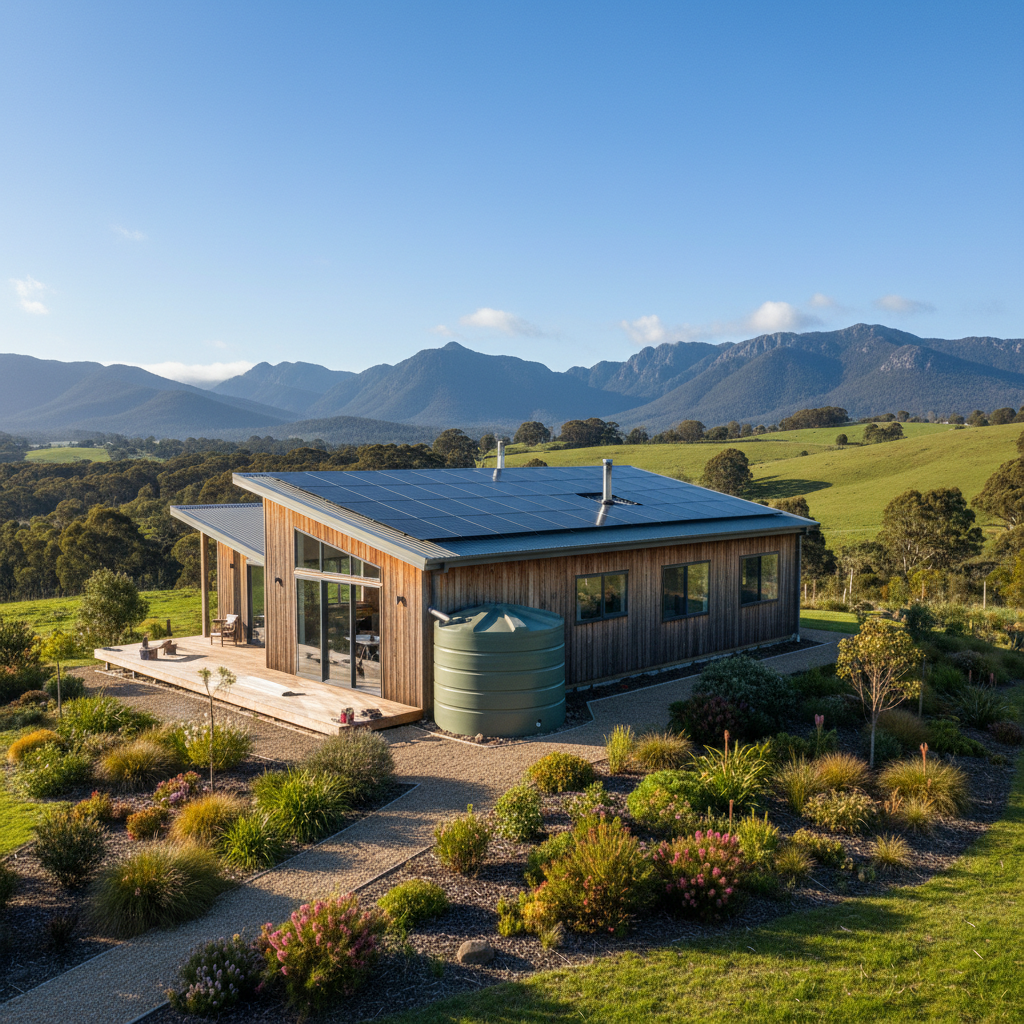
Most people moving to the country aren't looking for a gold-plated mansion. They want a big verandah to sit on while they watch the sunset. They want high ceilings and a layout that lets the breeze through. The beauty of these kit designs is that they're often based on that classic Australian farmhouse aesthetic. Think wide eaves, gable roofs, and plenty of glass.
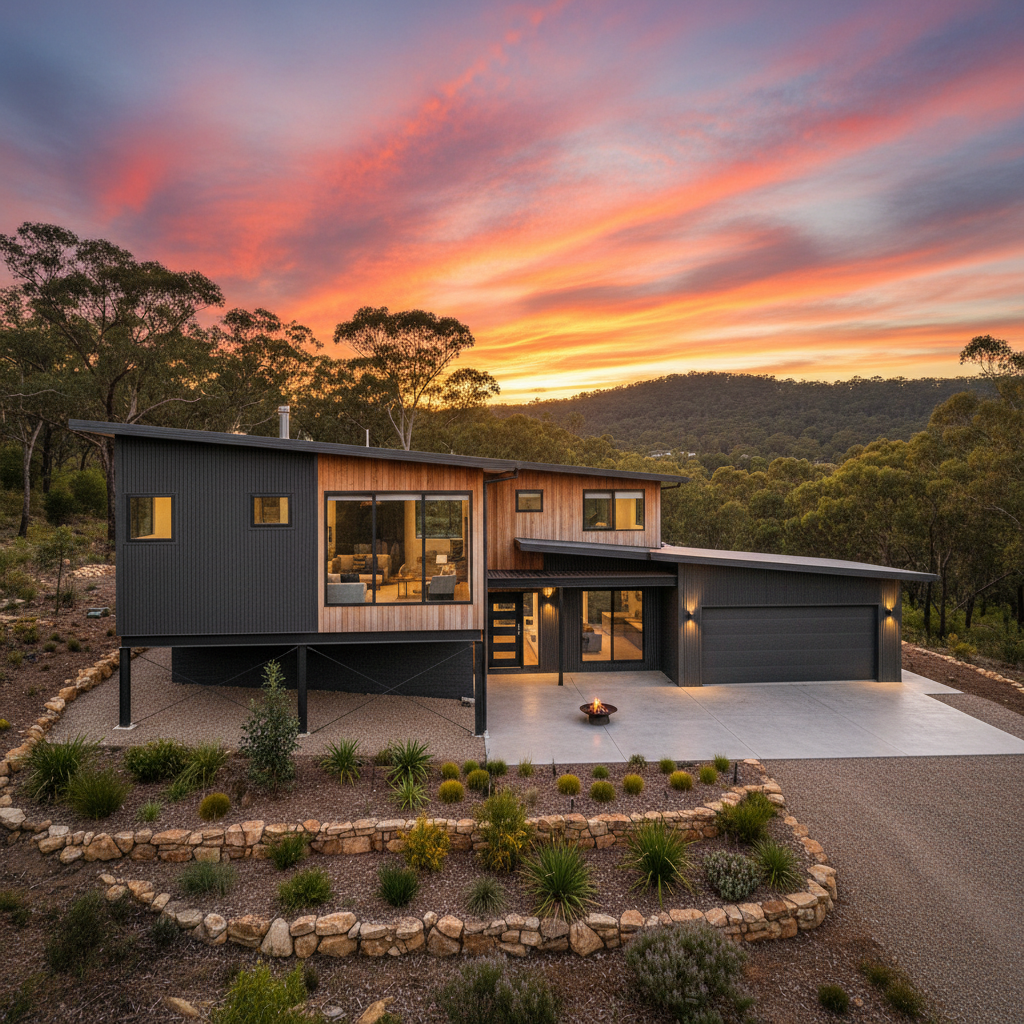
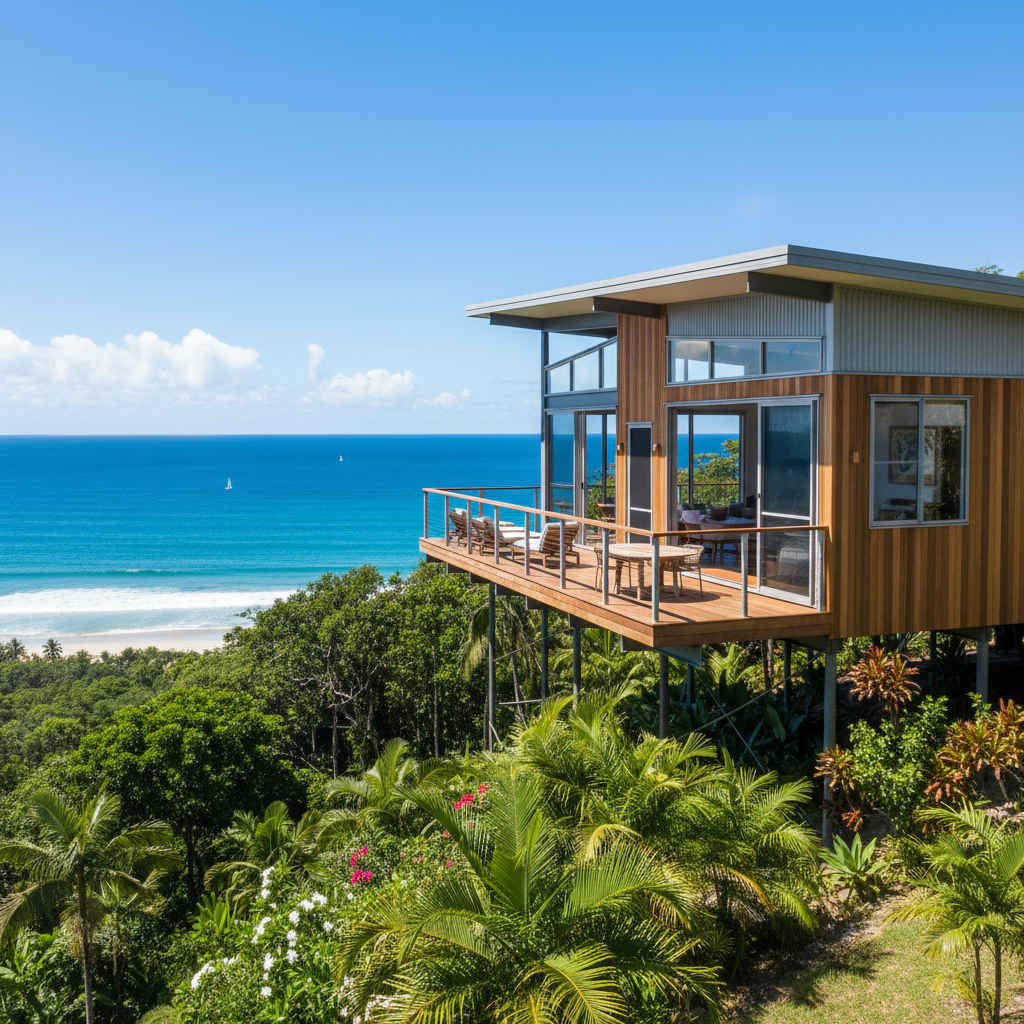
Because the frames are lightweight, you can often build on steep or uneven sites using piers rather than massive, expensive excavations for a slab. This saves the topsoil and keeps the natural look of your block intact. You moved to the bush to see the trees, not a seven-metre concrete retaining wall.
Practical Realities of the Build
Let's be real for a second. Being an owner-builder is hard work. You'll be spending your Saturday mornings on the phone to suppliers and your Sunday afternoons cleaning up the site. You'll get dirty. You'll probably lose a bit of skin on your knuckles. But there is a specific kind of pride that comes from standing in a room and knowing you're the one who saw it through.
One thing I always tell people: pay attention to your insulation. High-quality batts and a good foil wrap make or break a steel-framed home in the Australian climate. Steel conducts heat faster than timber, so you need that thermal break. Our kits include insulation, but don't skimp on the installation. Tuck it in tight. No gaps. It's the difference between a house that's a sauna in February and one that stays cool and crisp.
Final Thoughts for the Road Ahead
Building your own place on a bit of acreage isn't a pipe dream, but it isn't a walk in the park either. It's a calculated move. By choosing a kit, you're taking the guesswork out of the structural phase. You know the steel is straight. You know the roof will fit. You've got the certainty of BlueScope's TRUECORE warrants behind you. From there, it's about your sweat equity and your vision for the site. Regional living is about slowing down, sure, but the process of getting there requires a bit of hustle. Get your site access sorted, talk to the local council early about your BAL rating, and find a good concreter. The rest of it? That's just one bolt at a time.