Size Matters: Finding the Sweet Spot for Your New Kit Home
So, you have decided to take the plunge into the world of owner building. It is an exciting journey that offers a level of creative control you just do not get with standard volume builders. One of the first, and arguably most important, decisions you will face is settling on the right size for your new kit home. It is a balancing act between the physical constraints of your Australian block, your day to day lifestyle requirements, and your long term plans.
Choosing a home that is too small can lead to a cramped living experience, while going too large can mean unnecessary maintenance and underutilised space. In this guide, we will walk you through the practical steps to determine the perfect dimensions for your project, ensuring your new home feels just right from the moment you move in.
Understanding Your Land Constraints
Before you fall in love with a sprawling five bedroom ranch style layout, you need to have a heart to heart with your block of land. Australian landscapes vary wildly, from narrow suburban strips to undulating rural hectares, and each presents unique challenges.
Site Coverage and Setbacks
Every local council in Australia has specific rules regarding site coverage, which is the percentage of your land that can be covered by buildings. Even if you have a massive block, you must adhere to setbacks, which are the required distances between your home and the property boundaries. These rules are designed to ensure privacy, solar access, and proper drainage. Always start by obtaining a site survey and checking your local planning portal to see exactly how much 'buildable' area you actually have.
Topography and Orientation
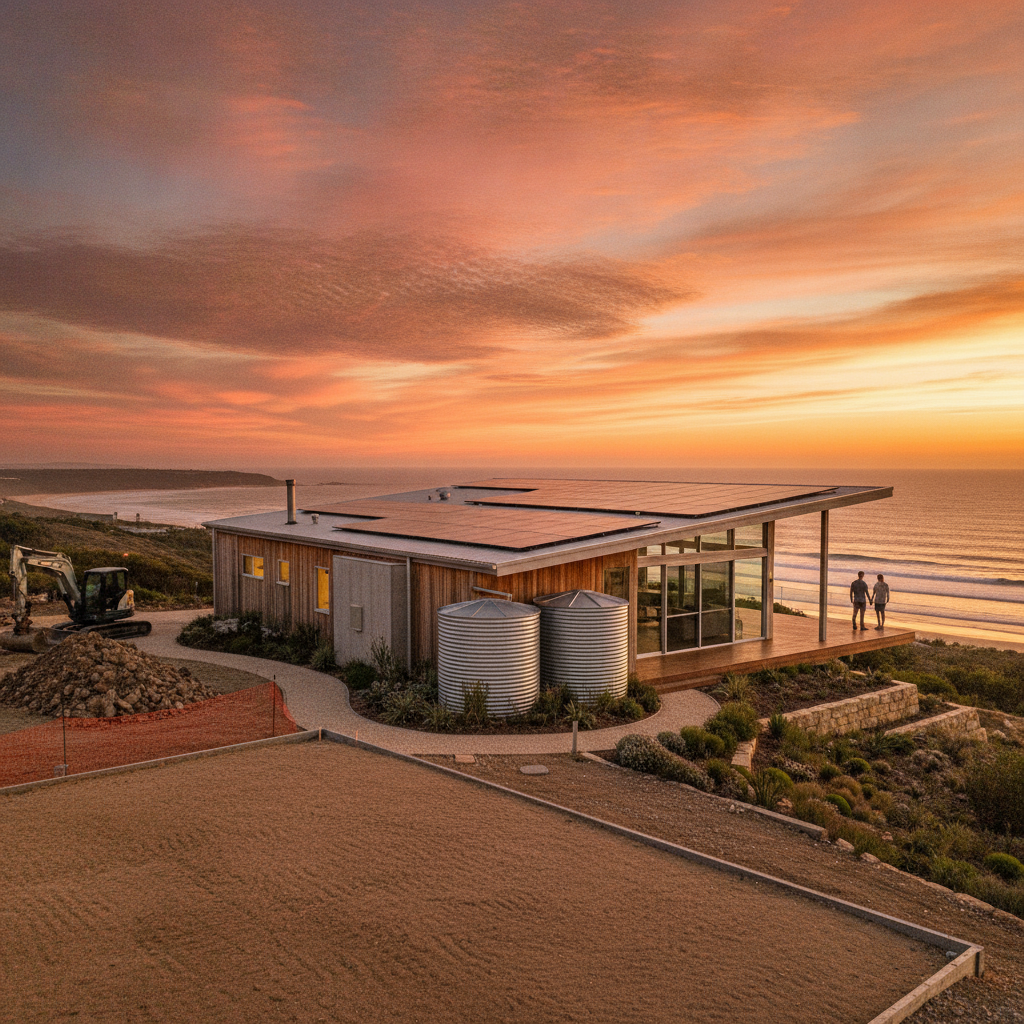
The slope of your land significantly impacts the size and shape of the kit home you can realistically build. A flat site offers total flexibility, but a sloping site might require a smaller footprint or a clever split level design to minimise earthworks. Additionally, consider your orientation. In the Southern Hemisphere, you want your main living areas facing north to soak up the winter sun. If your block is narrow or awkwardly shaped, you might need to prioritise a vertical design or a more compact footprint to ensure your living zones are positioned correctly for energy efficiency.
Assessing Your Lifestyle Needs
Your home should serve your life, not the other way around. To find the right size, you need to look at how you live today and how you might live five or ten years from now.
The Heart of the Home: Common Areas
Do you love hosting Sunday roast for the extended family, or is your ideal evening a quiet one on the couch? Open plan living is a staple of modern Australian kit homes, but the scale matters. A large open plan area requires careful zoning so it does not feel like a cold barn. Conversely, if you enjoy cooking, a larger kitchen with plenty of bench space might be a non negotiable, even if it means sacrificing a bit of space in the lounge room.
The Great Outdoors
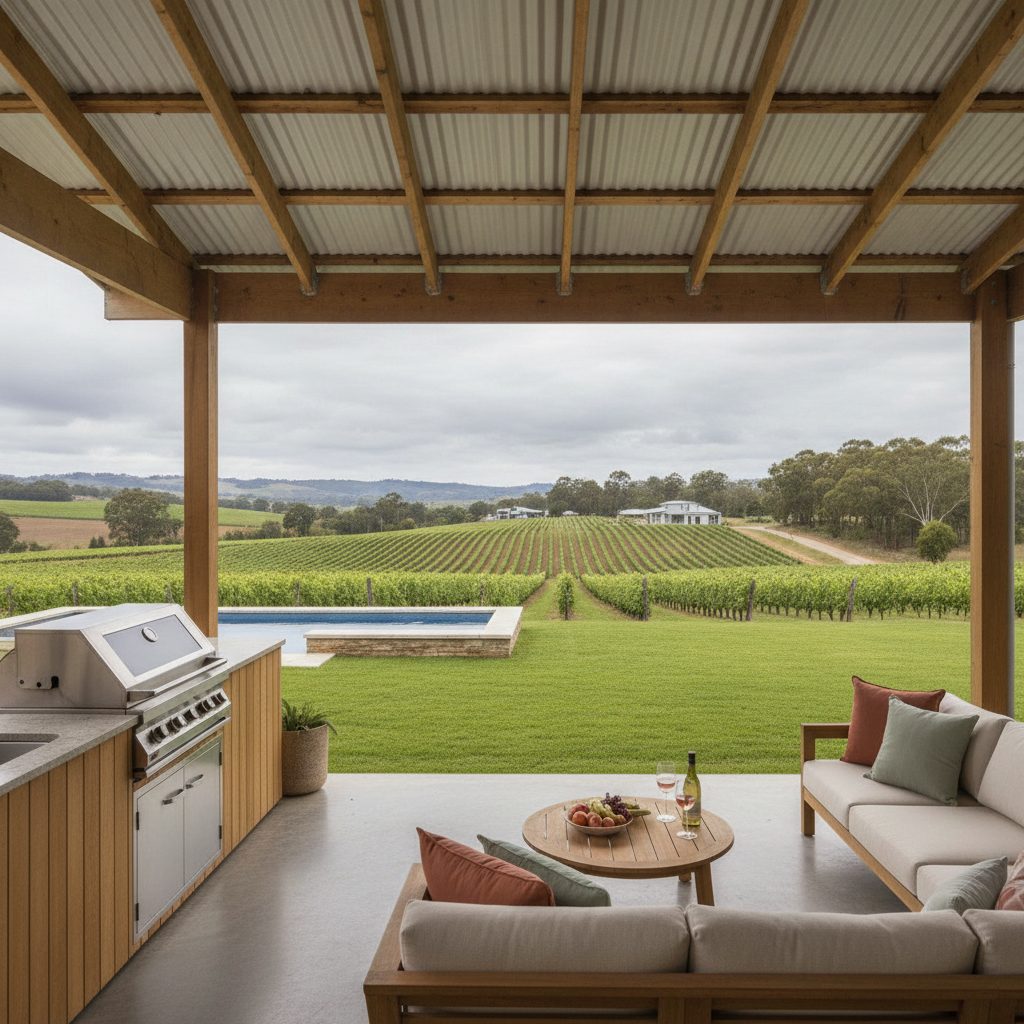
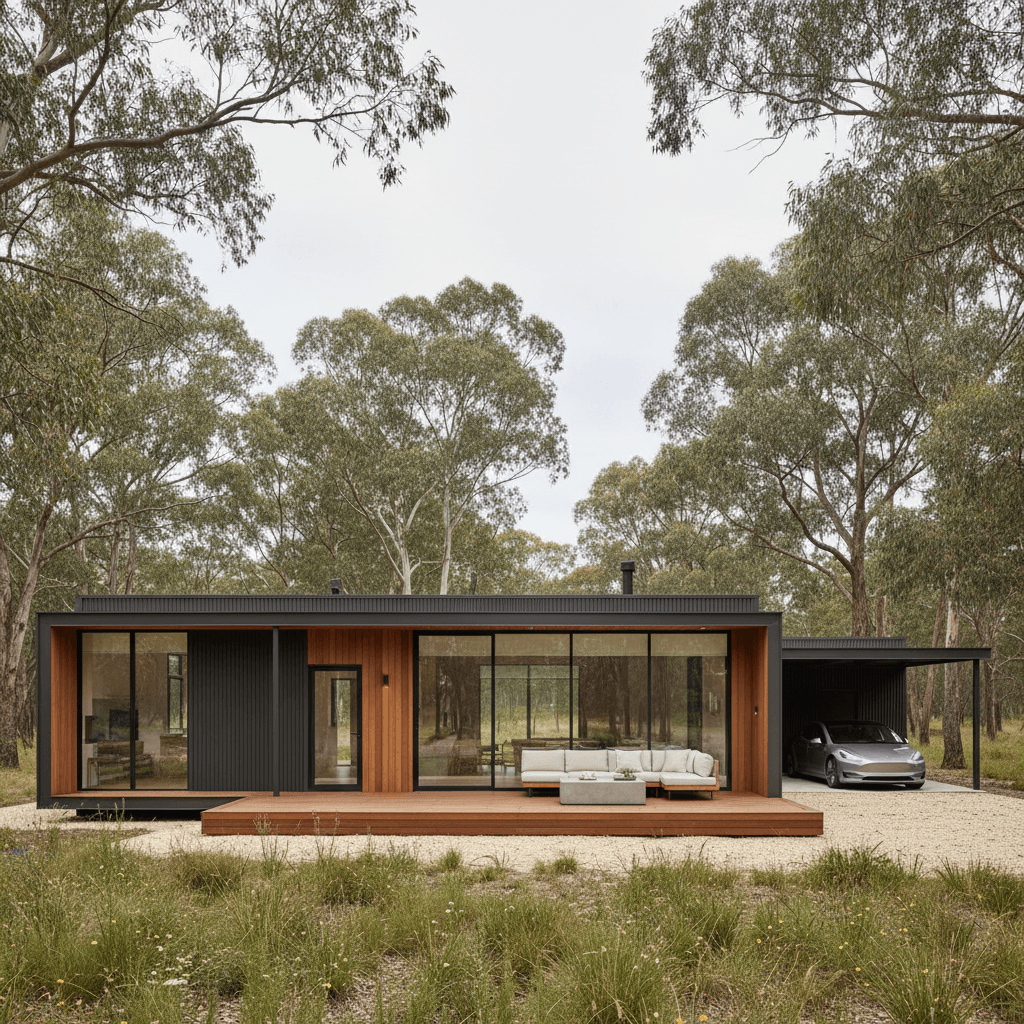
In Australia, our 'indoor outdoor' lifestyle is a major design driver. When deciding on the size of your kit home, think about the outdoor living areas as an extension of your floor plan. A smaller internal footprint can feel much larger if it flows seamlessly onto a wide, covered deck. Incorporating large sliding doors and windows into your steel frame design can blur the lines between inside and out, allowing you to go smaller on the interior without feeling restricted.
The Strength of Steel: Why It Impacts Your Design
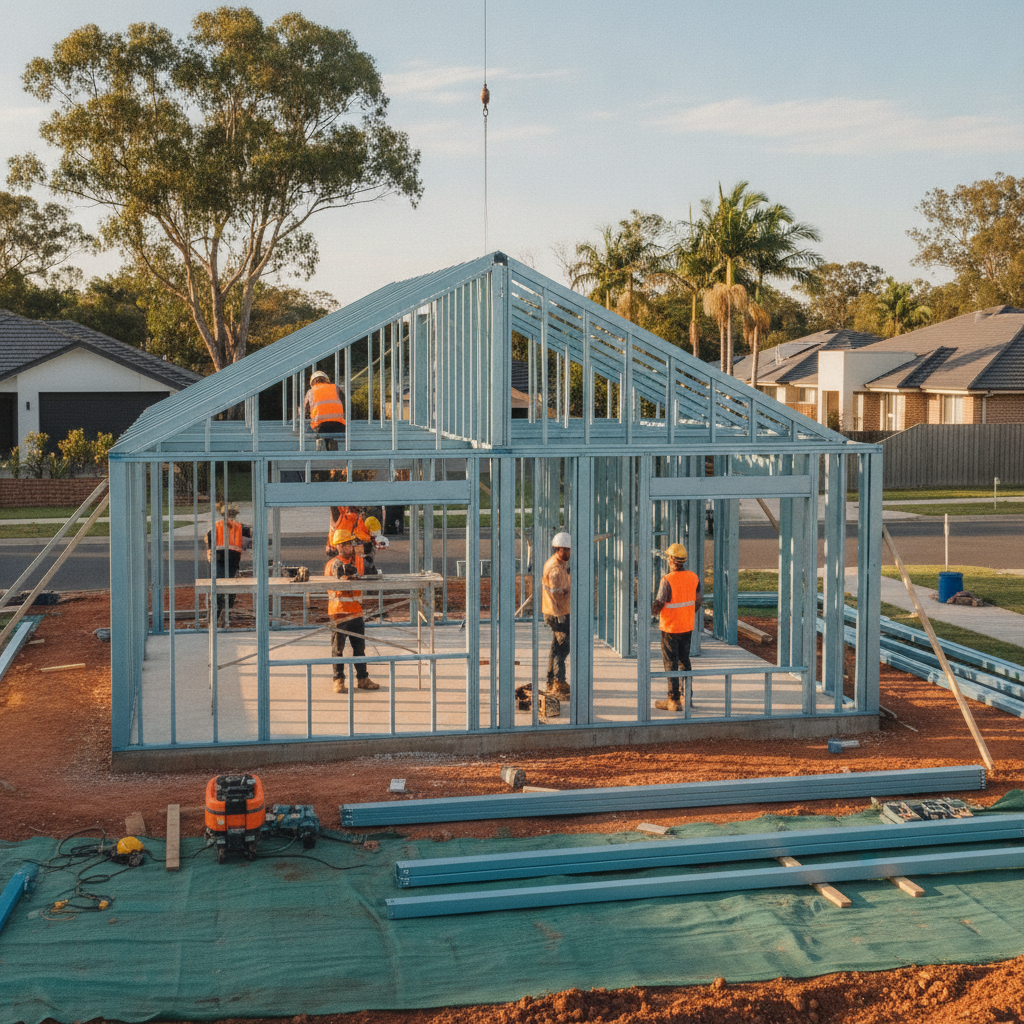
When you are planning the size and layout of your kit home, the materials you use play a crucial role. Many Australian owner builders are opting for steel frame construction, and for good reason. Using high quality BlueScope TRUECORE steel provides a level of structural integrity that directly influences your design options.
Open Spans and Modern Layouts
One of the biggest advantages of steel frames is their strength to weight ratio. Steel allows for much larger clear spans than traditional timber. This means you can design large, open plan living areas without the need for intrusive load bearing walls or bulky pillars. If you are looking for a sense of spaciousness in a smaller footprint, the ability to have an uninterrupted flow is a game changer. It lets you maximise every square metre of your floor plan.
Precision and Durability
Steel frames are manufactured with millimetre precision. This means your walls are perfectly straight and your corners are square, which makes the fit out process much smoother for an owner builder. Furthermore, in the harsh Australian environment, steel is a 'set and forget' choice. It is 100 percent termite proof and non combustible, giving you peace of mind that the size and structure of your home will remain intact for decades to come, regardless of what the elements throw at it.
The Multi Purpose Room Strategy
If you are struggling to decide between a three or four bedroom home, consider the power of the multi purpose room. Instead of dedicating space to a room that sits empty 90 percent of the time, like a formal dining room or a dedicated guest suite, design a space that can pivot.
A home office can easily double as a guest room with a quality sofa bed. A secondary lounge can serve as a playroom while kids are young and transition into a media room or teenage retreat later on. By designing for versatility, you can often choose a slightly smaller, more efficient kit home size without losing functionality. This is a smart way to keep your build manageable while still meeting all your lifestyle needs.
Future Proofing Your Build
While it is tempting to build for your exact needs right now, think about the future. Are you planning on growing your family? Do you have adult children who might move back home? Or are you looking toward retirement and want a home that is easy to navigate? Choosing a size that allows for some 'flex' is wise. For many, this means ensuring there is at least one extra bedroom or a flexible space that can adapt as their life stages evolve.
Practical Tips for Visualising Space
It can be hard to translate a 2D floor plan into a 3D reality. Here are some quick tips to help you get a 'feel' for the size of a kit home before you commit:
- Visit Display Villages: Even though you are building a kit home, visiting display homes with similar floor areas can give you a sense of scale for room sizes and ceiling heights.
- Stake it Out: If you have access to your land, use stakes and string to mark out the perimeter of the home and the main internal walls. Walk through the 'rooms' to see if the flow feels right.
- Measure Your Current Space: Use your current home as a benchmark. Measure your bedroom or living room and compare it to the dimensions on the kit home plan. Does the new design feel significantly larger or smaller?
Conclusion
Choosing the right kit home size is a deeply personal decision that requires a blend of practical logic and creative vision. By carefully considering your land's limitations, being honest about your daily habits, and leveraging the design flexibility of steel frame construction, you can create a home that fits your life like a glove.
Remember, the goal is not to build the biggest house possible, but to build the smartest house for your needs. A well designed, right sized kit home will be easier to maintain, more efficient to run, and a joy to live in for years to come. Take your time with the planning phase, talk to the experts, and enjoy the process of bringing your dream Australian home to life.