The Vision of a Forever Home
There is a unique kind of magic in building your own home from the ground up. In Australia, the kit home movement has empowered thousands of owner-builders to create spaces that aren't just shelters, but true reflections of their lifestyle. However, as we design our dream sanctuaries, we often focus on the 'now.' We think about the immediate need for a home office or a large deck for summer BBQs. But what about the 'future you'?
Designing for accessibility and aging in place is no longer just about clinical modifications; it is a sophisticated design philosophy known as Universal Design. It is about creating a stylish, seamless, and functional environment that supports you through every stage of life, from raising toddlers to enjoying a comfortable retirement. When you choose a kit home, you have a blank canvas to integrate these features from day one, ensuring your home remains your sanctuary forever.
The Foundations of Accessible Design
When we talk about aging in place, we are talking about independence. For an owner-builder, this starts with the floor plan. A well-considered kit home layout can eliminate the need for expensive renovations down the track. The goal is to create a 'barrier-free' environment.
Open plan living is a hallmark of modern Australian housing trends, and it happens to be perfect for accessibility. By reducing the number of internal walls and hallways, you create a natural flow that is easier to navigate. If you do include hallways, ensure they are wider than the standard 900mm. Aiming for 1200mm provides a sense of luxury and space while ensuring ease of movement for everyone, including those using mobility aids or parents maneuvering prams.
Level Entries and Thresholds
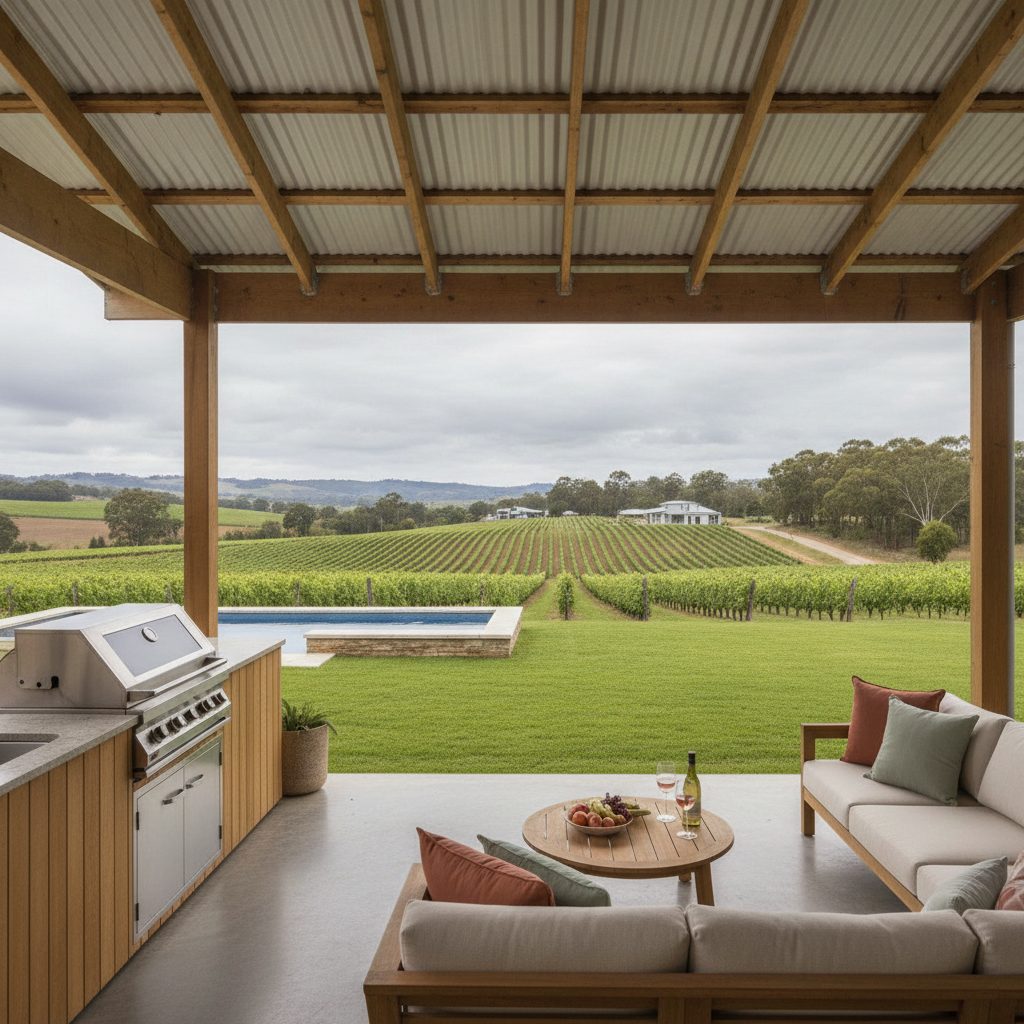
One of the most significant advantages of building a new kit home is the ability to manage your site levels from the start. Designing for a 'step-free' entry is vital. This means the transition from your driveway or garden to your front door should be flush. In the past, this was a technical challenge, but with modern construction techniques, it is easily achievable. By coordinating with your concreter during the slab pour, you can ensure that your outdoor entertaining areas and internal floors sit at the same level, creating a seamless indoor-outdoor transition that is as beautiful as it is functional.
Why Steel Frames are a Design Ally
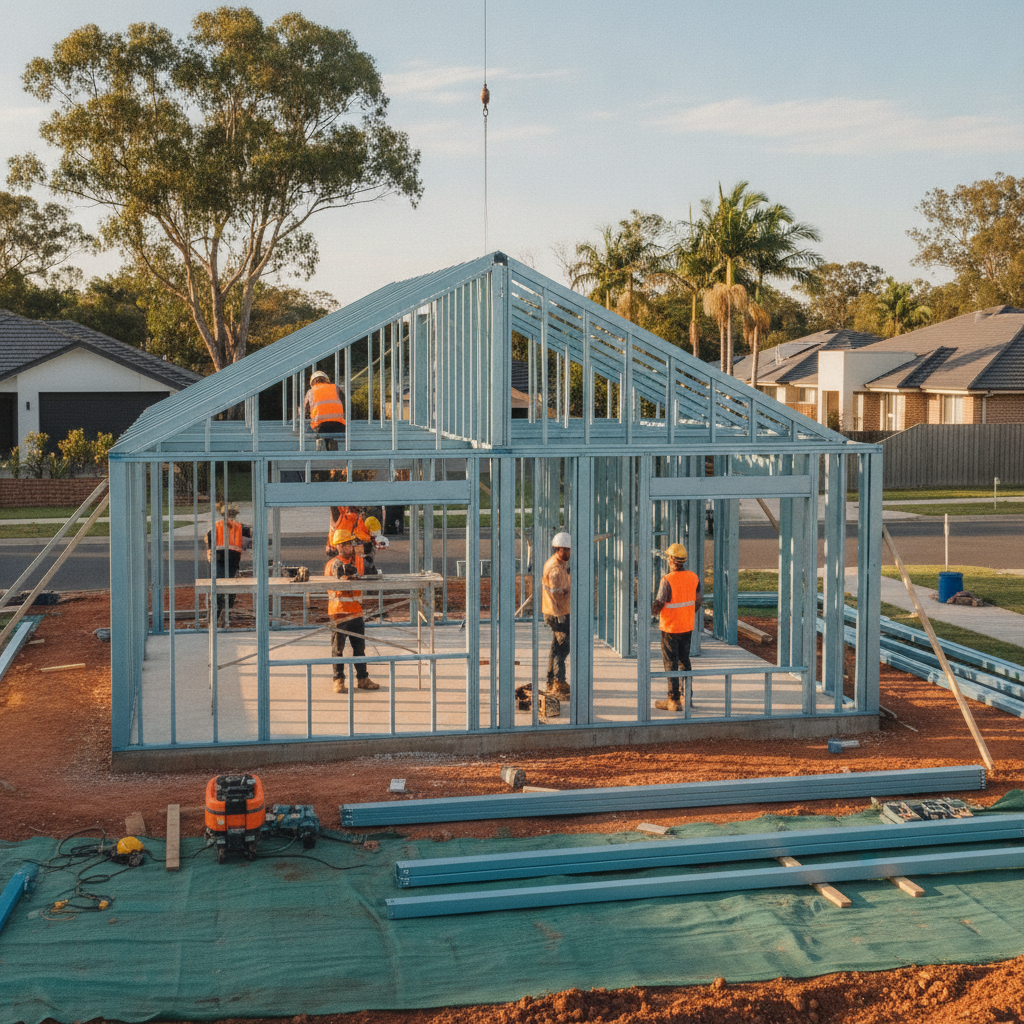
While the aesthetic of your home is about tiles, paint, and light, the 'bones' of the building play a crucial role in long-term accessibility. Using steel frames, specifically high-quality Australian BlueScope TRUECORE steel, offers distinct advantages for the owner-builder focusing on longevity.
Steel frames are incredibly strong and dimensionally stable. They don't warp, twist, or shrink over time. For an accessible home, this is crucial because it means doors and windows will continue to operate smoothly for decades. There is nothing more frustrating (or dangerous) than a door that sticks because the house has settled or the timber has swollen in the Australian humidity. Furthermore, the strength of steel allows for larger spans, supporting those wide-open living areas we mentioned earlier without the need for frequent internal load-bearing walls.
The Heart of the Home: Kitchens and Bathrooms
Kitchens and bathrooms are the most intensive areas of any build, and they are also where accessibility matters most. For a kit home owner-builder, these are the spaces where you can really flex your design muscles.
The Adaptable Kitchen
In the kitchen, think about ergonomics. D-shaped pull handles are easier to grip than small knobs. Consider installing drawers instead of lower cupboards, as these allow you to access items without bending down or reaching deep into a dark shelf. When planning your layout, ensure there is plenty of clearance around islands and appliances. A 'work triangle' is great, but a 'work circle' with extra space is even better for long-term usability.
The Curbless Bathroom
The Australian bathroom trend is moving toward 'wet rooms.' By removing the traditional shower hob (the step into the shower), you create a sleek, contemporary look that is also incredibly safe. Large format non-slip tiles are a must-have here. When your kit arrives and you begin the fit-out, consider adding extra 'blocking' or reinforcement within the steel wall frames behind the shower and toilet. Even if you don't need grab rails now, having the structural support already in place means you can easily install them later without having to tear apart your beautiful tiling.
Kit Home Tips for Future-Proofing
- Power Point Placement: Position your power outlets slightly higher (around 500mm to 600mm from the floor) and light switches slightly lower. This small adjustment makes them easier to reach for everyone and prevents unnecessary strain.
- Lever Door Handles: Replace traditional round knobs with lever-style handles. They are much easier to operate, especially if you have your hands full of groceries or suffer from arthritis.
- Lighting is Key: Ensure your design includes plenty of natural light and high-quality task lighting. As we age, our eyes require more light to navigate safely. Consider adding sensor lights in hallways or bathrooms for midnight visits.
Owner-Builder Tips: Managing the Vision
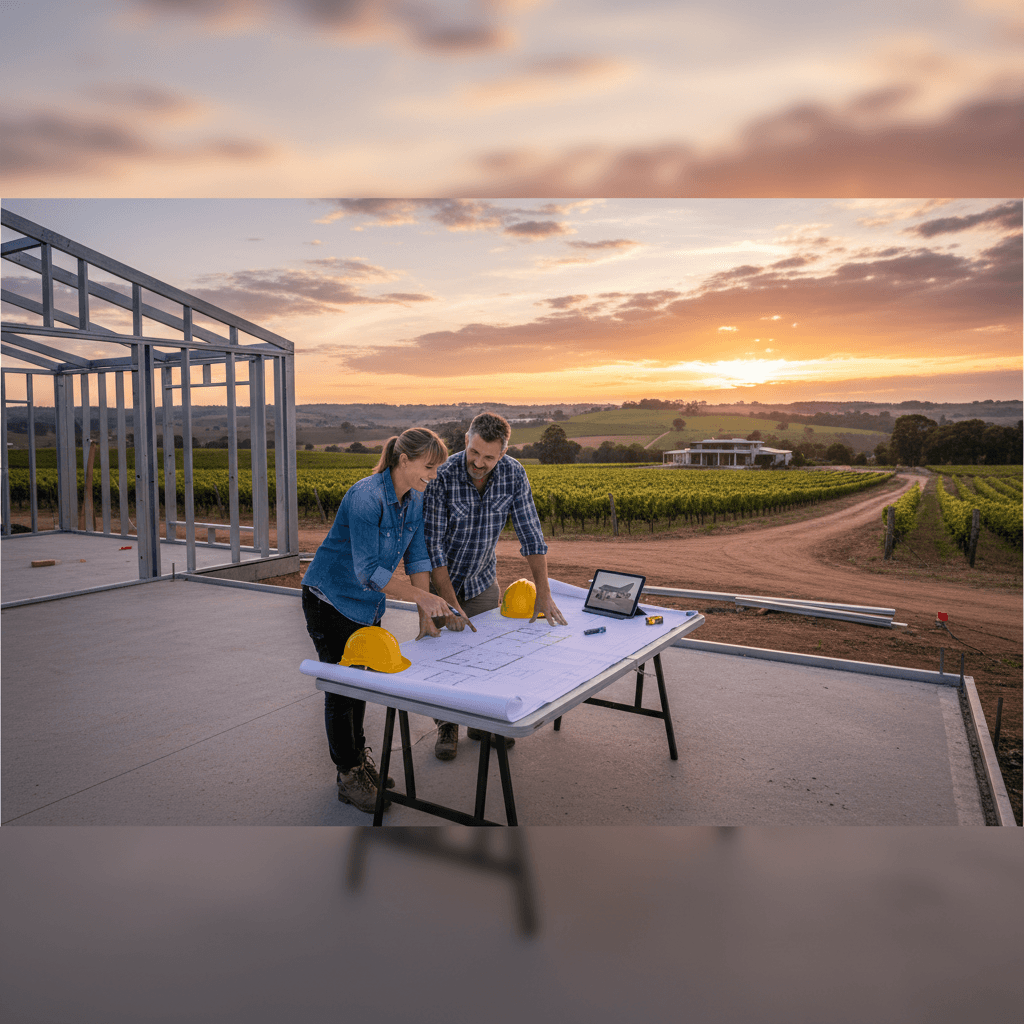
As an owner-builder, you are the project manager. When you receive your kit, which includes the frames, roofing, and cladding, you are responsible for the trades that follow. Communication is your best tool. Discuss your accessibility goals with your plumber and electrician early. For instance, ensure the plumber knows you want a floor waste in the bathroom that allows for a step-free shower entry. This requires precision during the slab and drainage phase before the steel frames even go up.
Working with steel frames also makes the electrical rough-in easier. Most steel frames come with pre-punched service holes, making it simpler for your electrician to run wiring for those extra lights and strategically placed switches without compromising the structure.
The Lifestyle Connection: Aesthetics Meets Function
Designing for accessibility doesn't mean your home has to look like a hospital. In fact, many of the most desirable lifestyle trends in Australia align perfectly with universal design. High ceilings, wide hallways, abundant natural light, and seamless transitions to outdoor decks are all hallmarks of luxury living. By choosing a kit home with a steel frame, you are investing in a structure that supports these large, airy spaces while being resistant to termites and fire, adding another layer of security to your forever home.
Your garden should also be part of the plan. Consider raised garden beds that allow you to indulge your green thumb without the back-breaking labor of kneeling on the ground. Wide, paved paths around the perimeter of the home ensure that you can enjoy your entire property regardless of your mobility level.
Final Thoughts: A Home for All Generations
The beauty of the Australian kit home is the freedom it provides. You aren't just buying a house; you are building a lifestyle. By incorporating accessibility and aging-in-place principles from the very beginning, you are creating a gift for your future self. You are ensuring that the home you pour your heart and soul into today will be the same home that looks after you thirty, forty, or fifty years from now.
When you sit on your deck tonight, looking over your site, don't just see the walls and the roof. See a space that grows with you, a place of safety and comfort, and a testament to clever, thoughtful Australian design.