The Evolution of the Modern Australian Home
There is a unique magic in the Australian landscape, from the sun-drenched coastlines to the rugged beauty of the bush. For many Australians, building a home in these settings is a lifelong dream. However, the way we live is changing. A home is no longer just a static structure where we sleep, it is a fluid space that must evolve as our lives do. This is where the beauty of a kit home shines through, offering a canvas that allows for flexibility, creativity, and long-term vision.
Designing a home that grows with your family requires moving beyond the needs of today. It is about imagining your life five, ten, or even twenty years down the track. Will that nursery need to become a study? Will the open-plan play area eventually need to be partitioned for a teenager seeking privacy? By focusing on adaptable design and utilizing high-quality materials like Australian made steel frames, you can create a sanctuary that remains functional and beautiful through every milestone.
The Philosophy of Adaptable Design
Adaptable design is about foresight. In the context of a kit home, this means choosing a floor plan that prioritizes multi-purpose spaces. When you are browsing through designs, look for areas that can serve at least two different functions over time. An extra bedroom near the master suite is perfect for a newborn, but as the children grow, that same room could transition into a sophisticated home office or a hobby room.
One of the biggest trends in Australian housing right now is the 'broken-plan' living concept. While open-plan living remains popular for its light and airy feel, the 'broken-plan' approach uses clever zoning. This might involve using sliding doors, double-sided shelving, or internal glass partitions to create distinct zones without losing the sense of space. It allows the family to be together while still providing the quiet corners needed for work or relaxation.
Designing for the Early Years: Safety and Connection
When you have young children, visibility and safety are the top priorities. Designing a kitchen that looks out over the main living area and into the backyard ensures you can keep an eye on the little ones while preparing a meal. For owner-builders, this stage is about ensuring the flow of the home is logical. Wide hallways are not just a luxury, they are practical for navigating prams and toddlers, and they lend a sense of grandeur to the home.
Consider the placement of wet areas. A mudroom or a generous laundry located near the entrance can be a lifesaver for families coming back from a day at the beach or a muddy park. It keeps the mess contained and the rest of the home pristine. Using durable cladding and easy-to-clean surfaces during your fit-out will make these high-traffic years much more manageable.
The Teenage Transition: Privacy and Independence
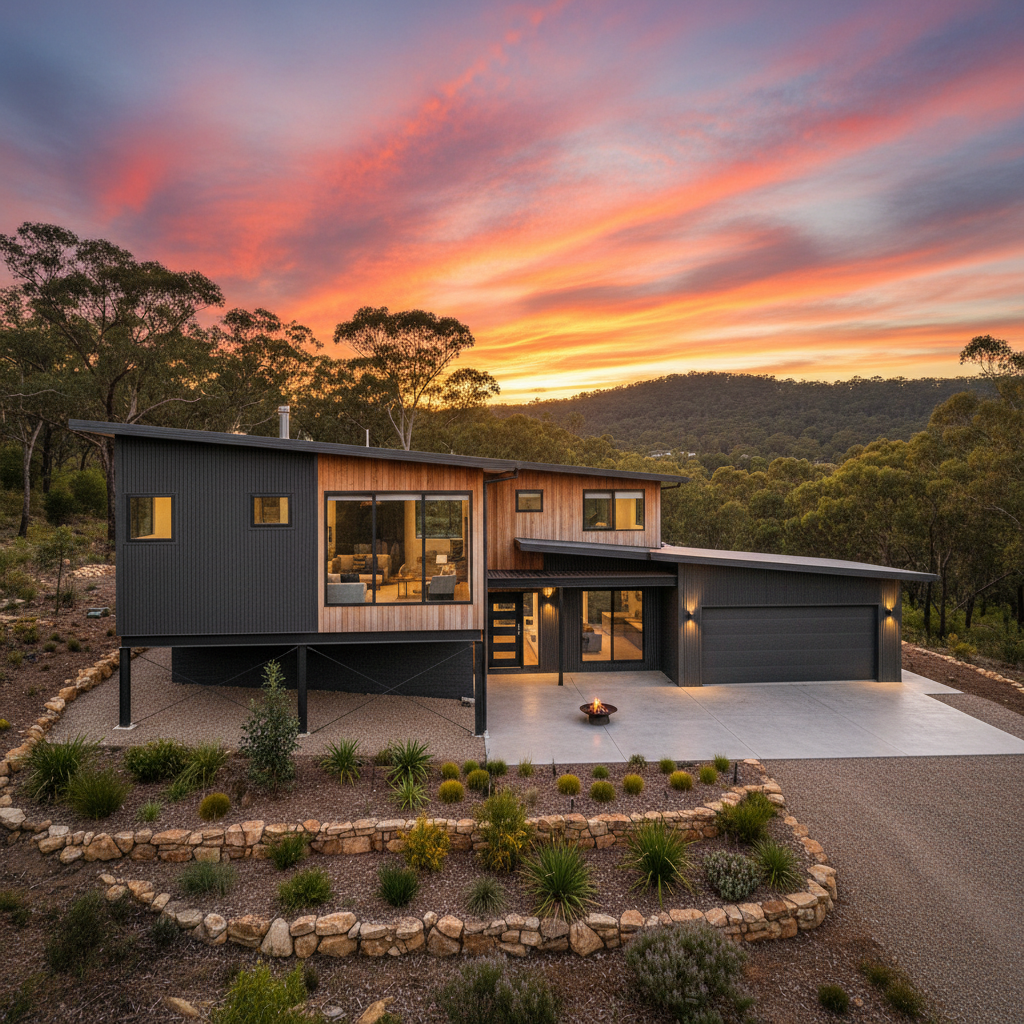
As children grow into teenagers, the requirements of the home shift dramatically. The focus moves from supervision to autonomy. Designing a 'kids wing' or a secondary living zone at the opposite end of the house from the master bedroom can provide the necessary buffer for peace and quiet. This separate lounge area becomes the hub for gaming, movie nights, and hanging out with friends, keeping the main living area as a sophisticated zone for adults.
This is where the structural integrity of your kit home plays a role. Using steel frames, such as those made from TRUECORE steel, provides a straight and true foundation. This precision makes it easier to install high-quality insulation and solid core doors, which are essential for acoustic privacy between rooms. A quiet home is a happy home, especially when there are different generations living under one roof.
Owner-Builder Tips for a Multi-Generational Legacy
As an owner-builder, you have the unique opportunity to oversee every detail of your project. To ensure your home stands the test of time, keep these practical tips in mind:
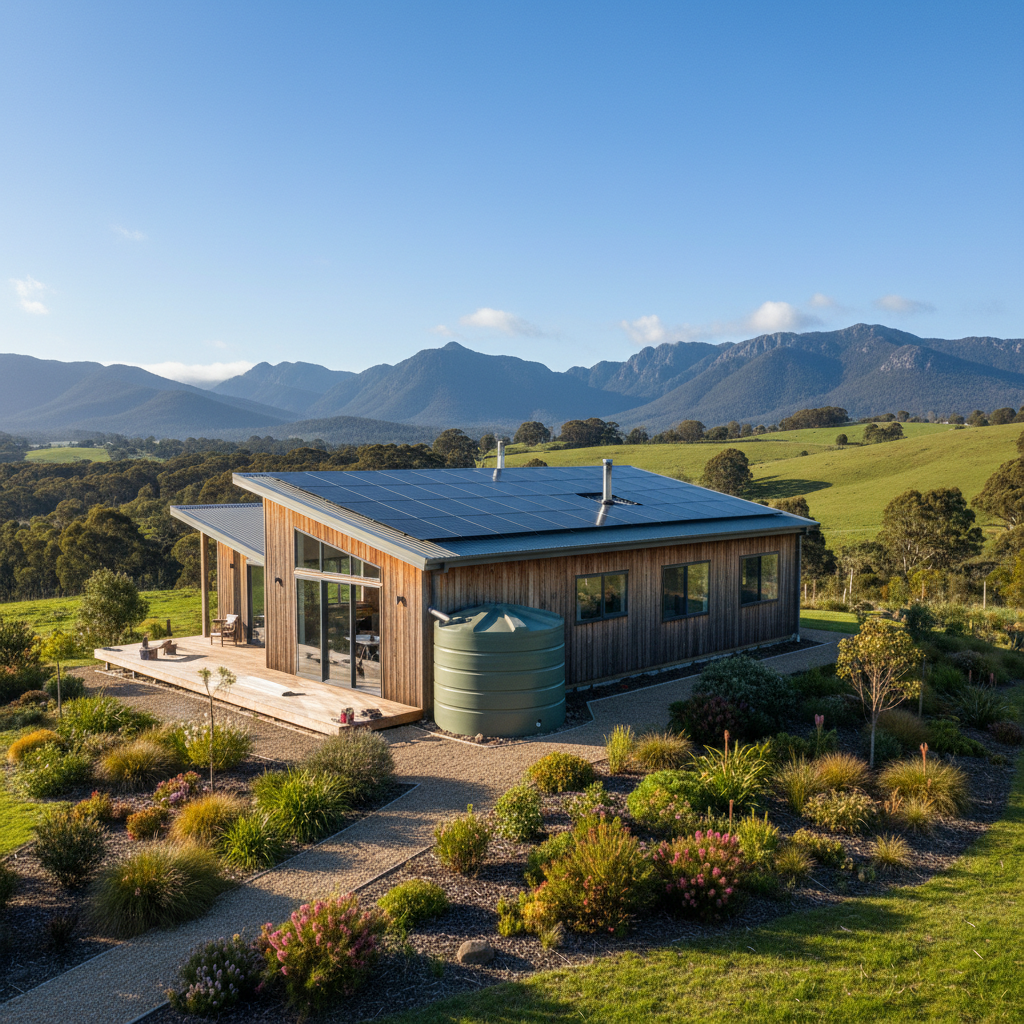
- Focus on Orientations: Position your living areas to the north to capture the sun. This passive solar design keeps the home warm in winter and cool in summer, making it a comfortable place to live as the climate changes.
- Think About Accessibility: While you might be fit and mobile now, designing with 'silver' level accessibility in mind is a smart move. Wider doorways and step-free entries are subtle features that make the home easier to live in for elderly visitors or for yourself in later years.
- Choose Timber and Steel Wisely: Combining the strength of a steel frame with the warmth of timber flooring or accents creates a modern Australian aesthetic that is both durable and inviting.
- Plan Your Electricals Early: In a world of evolving technology, ensure you have plenty of data points and power outlets. A room that is a playroom today might need high-speed internet for a home-based business tomorrow.
Sustainable Living and Material Choices
Lifestyle design is inextricably linked to sustainability. Australians are increasingly looking for ways to reduce their environmental footprint. Kit homes are an excellent choice here because they often result in less on-site waste. Because the steel frames are precision-engineered to the exact millimetre, there is no need for 'cutting to fit' on your block.
Steel is also a 100% recyclable material, which appeals to the eco-conscious builder. Beyond the frame, consider your choice of windows and roofing. High-quality glazing and insulated roofing panels, which are often included in comprehensive kit packages, help maintain a steady internal temperature. This reduces the reliance on artificial heating and cooling, creating a more pleasant and cost-effective lifestyle for your family.
Outdoor-Indoor Flow: The Heart of Australian Living
No Australian home is complete without a seamless connection to the outdoors. When designing your kit home, think of your deck or alfresco area as an extra room. Large sliding doors or bifold doors can effectively double your living space during the warmer months. This area evolves with the family too, serving as a play area for toddlers, a BBQ hub for family gatherings, and eventually, a serene spot for morning coffee in retirement.
When selecting your kit, look for designs that offer expansive verandahs. These not only provide shade and protection from the elements but also give the home that classic Australian 'homestead' feel that never goes out of style.
Practical Technicalities: Understanding the Build
While the design is about the lifestyle, the execution is about the technical details. For an owner builder, managing a kit home project means coordinating various trades. One of the reasons steel frames are so popular in this context is their resistance to common Australian pests like termites. This provides long-term peace of mind, knowing that the skeleton of your home is secure without the need for harsh chemical treatments.
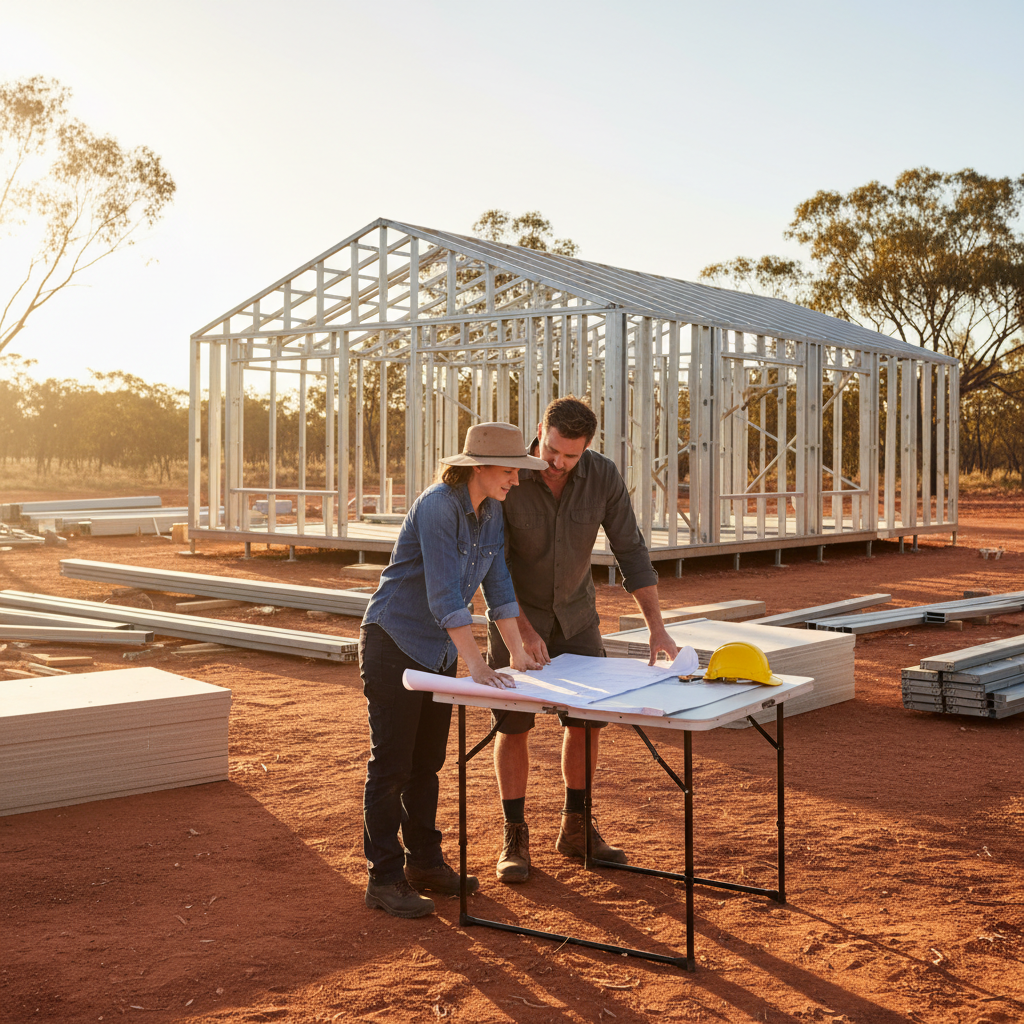
Furthermore, steel frames are lightweight yet incredibly strong, which can simplify some aspects of the site works. Because the frames arrive pre-assembled or in easy-to-manage sections, the 'lock-up' stage can often be reached faster than with traditional building methods. This allows you to get inside and start focusing on the creative aspects of the fit-out sooner.
Conclusion: A Home for Life
A kit home is more than just a sequence of components, it is the foundation for your family's future. By approaching the design process with flexibility in mind, you can create a space that adapts to your needs, rather than forcing your family to adapt to the house. From the structural reliability of Australian steel to the thoughtful layout of your living zones, every choice you make today contributes to a home that will be cherished for decades.
Whether you are just starting your family journey or looking to build a multi-generational retreat, the kit home path offers the control and creativity needed to build a legacy. Take the time to plan, consult with experts, and imagine the many lives your home will lead. After all, a home that grows with you is the ultimate luxury.