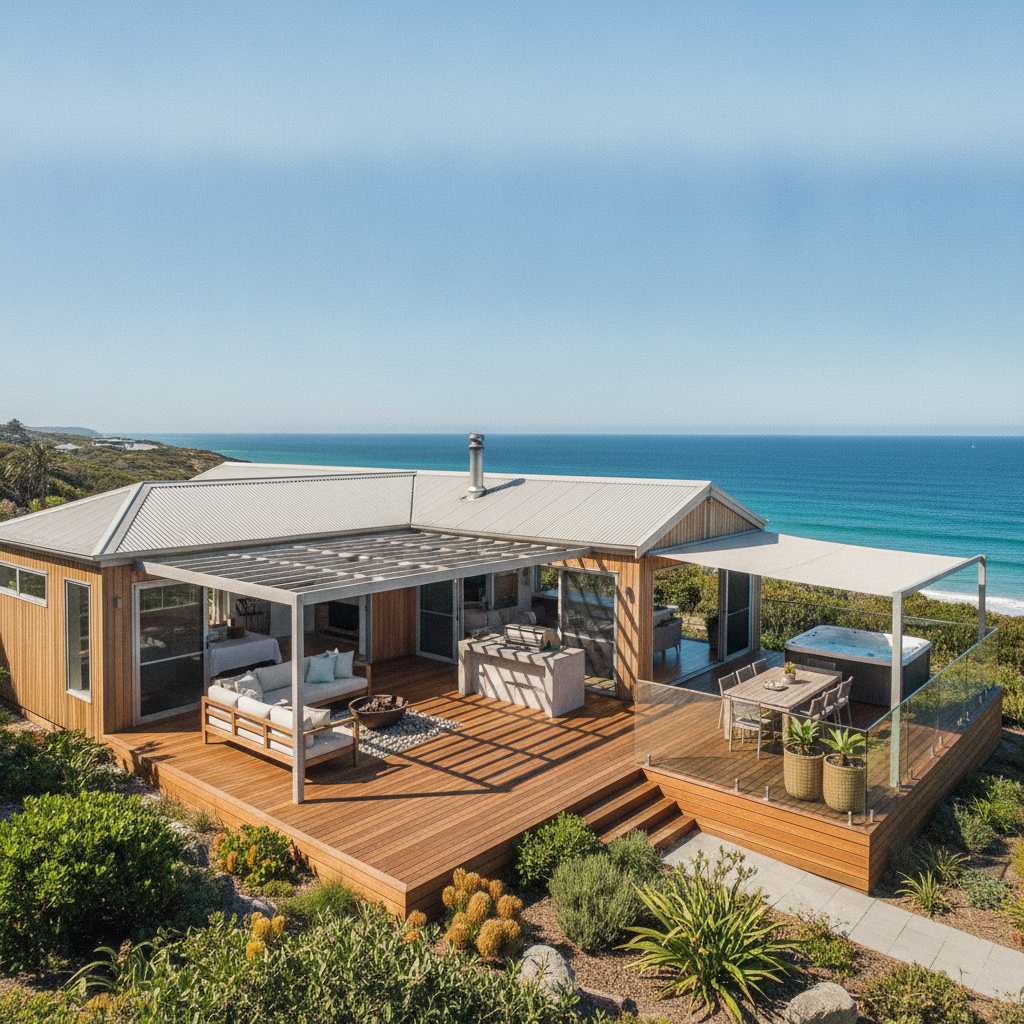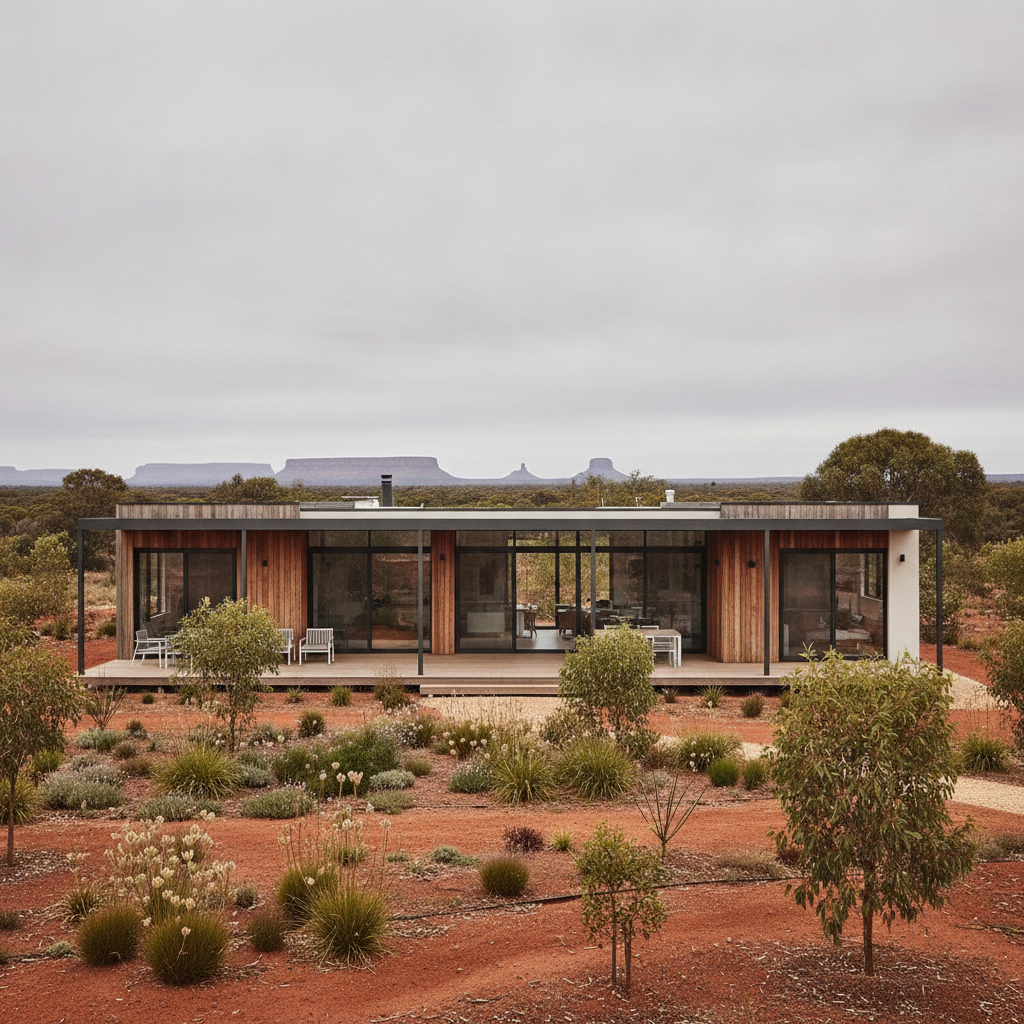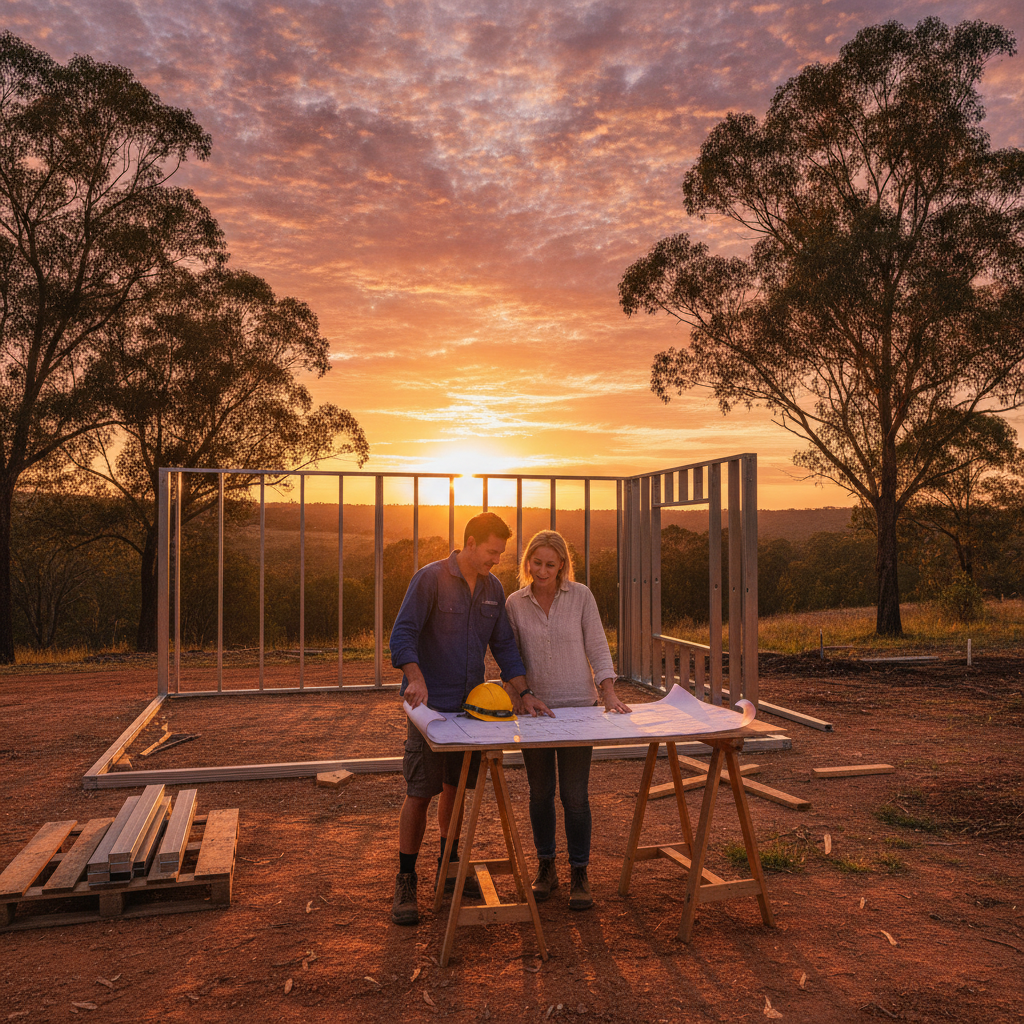
Building a kit home isn't about snapping pieces together like a plastic model on a Sunday afternoon. It's about being the person who answers the phone when a tradie is lost at 6:30am, and it’s about knowing your BAL rating by heart before you even touch a shovel. Most people think they're buying a house, but as an owner builder, you're buying a project management role that happens to end with a roof over your head. I've seen blokes spend months agonising over floor plans only to realise their local council in the Blue Mountains has specific requirements for bushfire zones that make their original ideas impossible. You've got to be smarter than the paperwork.
The Pre-Slab Paperwork Nightmare
Before you even think about ordering a steel frame kit, you need to talk to your local council or a private certifier. This isn't optional. Every LGA in Australia has its own quirks. Some will breeze through a Development Application (DA) or a Complying Development Certificate (CDC), while others will find a way to complain about the shade of your gutters. You'll need a site survey. This is where a surveyor comes out and marks your boundaries and levels. Precise details matter here because if your slab is out by even 20mm, those steel frames won't sit right. BlueScope TRUECORE steel is engineered to the millimetre. It doesn't have the 'give' of timber where you can just shave a bit off with a plane. It’s exact. So your site prep must be exact too.
Then there’s the Owner Builder permit itself. In most states, like NSW or QLD, you'll need to do a short course. Don’t just skip through the slides. Pay attention to the insurance sections. You need White Card certification, plus owner builder insurance to cover your back if a subcontractor trips over a stray piece of rebar on your site. Without that permit, you can't legally oversee the work. Simple as that.
Groundworks and the Slab
Once the council gives you the green light, the real dirt starts flying. You're responsible for the site works. This means hiring an excavator to clear the pad and bringing in a plumber to run the 'under-slab' drainage. This is a high-pressure day. If the plumber puts the toilet waste 300mm to the left of where the internal wall is supposed to be, you’re looking at a very expensive jackhammer job later. Check those measurements against your kit plans three times.
We usually see owner builders go with a concrete slab-on-ground, but some prefer piers and a steel floor system for sloped blocks. If you’re going concrete, you’ll be dealing with 'formwork' and 'mesh'. When the agitator truck pulls up, it’s all hands on deck. Make sure your termite protection is installed according to AS 3660.1. Slapping a bit of poison in the dirt isn't enough these days; you need physical barriers or reticulation systems that the inspector will actually sign off on.
The Kit Arrives
This is the big day. A semi-trailer or a crane truck will pull up with your life’s work on the back. You need clear access. Don't park your car in the way. Don't have a pile of sand blocking the gate. You want the driver to be able to drop those steel frames as close to the slab as possible to save your back.
A standard kit usually includes the TRUECORE steel frames, roof trusses, the cladding, roofing sheets (often Colorbond), windows, and external doors. Insulation is in there too. What isn't in there? The 'rough-in'. That's the wiring and the internal pipes. You’ll need to schedule your sparky and plumber to come in after the frames are up but before the internal wall linings go on. Steel frames are great here because they come with pre-punched holes for cables and pipes. It saves the sparky from drilling through every stud, which they'll thank you for.
A Note on Modular Thinking
I hear people mixing up kit homes with those houses that arrive on a truck already finished. You know, the ones where the curtains are already hanging. Those aren't kit homes. A kit home is a proper construction project. You are building a real house on-site. The difference is the engineering is already done for you. The frames are manufactured in a factory to stay dead straight, which is a massive win in the Australian climate where timber can warp in the humidity. But you're still the builder. You're the one coordinating the roof tiler or the plumber. If you want a 'set and forget' house, a kit isn't for you. If you want to control the quality and save a heap of money by doing the legwork, then you're in the right place.
The Lock-up Stage
Lock-up is the psychological finish line for many owner builders. It’s when the windows are in, the external doors are on, and the cladding is finished. The house is weather-tight. You can finally leave your tools inside overnight without worrying about the rain or light-fingered passers-by.
Practical tip: when you’re installing the windows, use high-quality flashing tape. It sounds like a small detail, but water ingress is the number one killer of Australian homes. Even with a steel frame that won't rot, you don't want water behind your plasterboard. It smells, it grows mould, and it’s a pain to fix. Follow the manufacturer’s specs to the letter. Not 'almost' to the letter. Exactly.
The Internal Fit-out
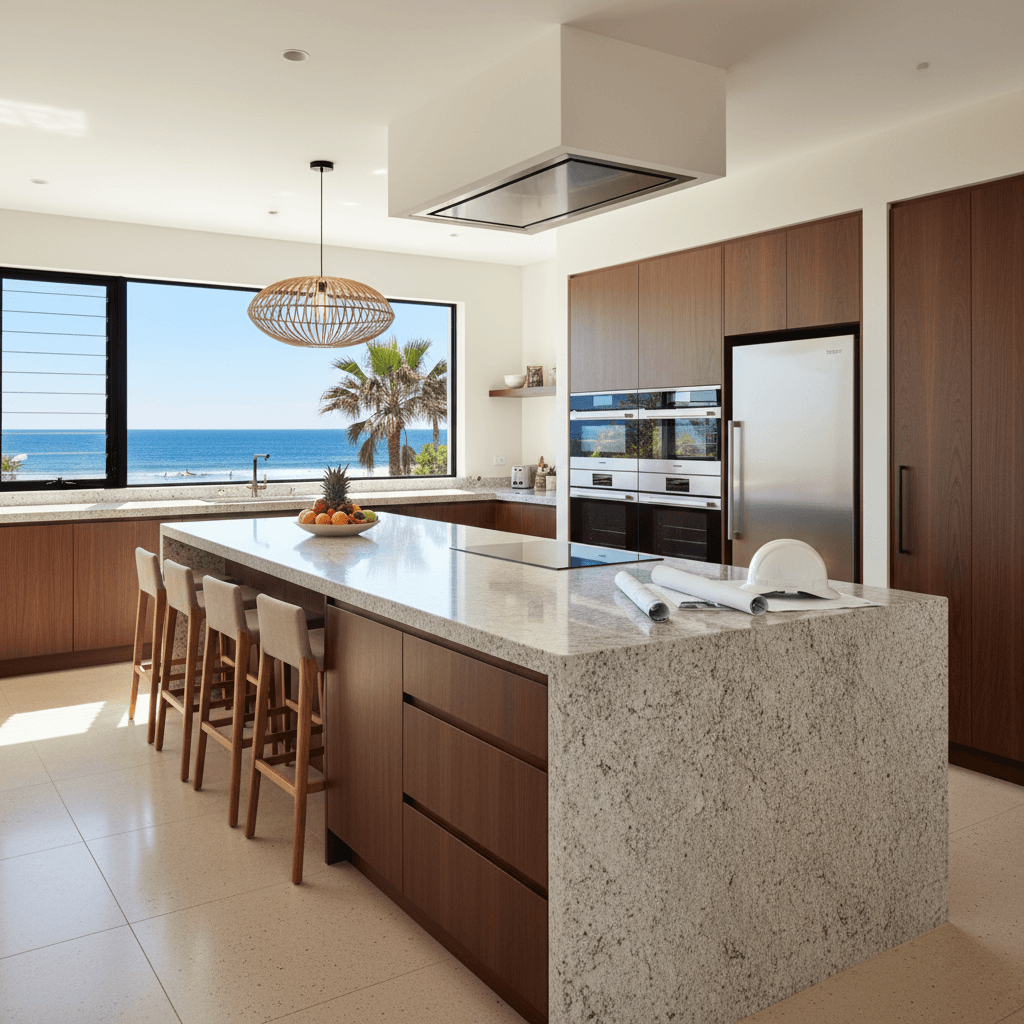
Now you're in the home stretch. Plasterboarding (or 'gyprocking') is an art form. You can try it yourself, but if you want flat walls that don't show Every. Single. Joint. when the afternoon sun hits them, hire a pro. This is also when your kitchen gets installed. Since your steel frames started straight and stayed straight, your kitchen cabinets should actually sit flush against the wall. It's a small mercy you'll appreciate when you're not shimming every second cupboard.
You’ll need to coordinate:
- The 'waterproofing' in the wet areas. This is non-negotiable and needs a certificate in most states.
- Tiling and flooring.
- Second-fix plumbing (taps and toilets).
- Second-fix electrical (lights and power points).
- Painting/Architraves/Skirting.
The Final Countdown: Completion
Don't pop the bubbly just because the carpet is down. You need an Interim or Final Occupation Certificate. This involves a final inspection from your certifier. They’ll check things you didn't even think about, like the height of your deck railings (balustrades) and the kickboards in your kitchen if there's a certain drop. They’ll want to see your glazing certificates, your termite protection certificate, and your smoke alarm installation certificate.
Building a home using a steel kit system gives you a huge head start. You aren't fighting with warped studs or wondering if the roof is going to line up. But you still need to be the boss of the site. Keep a clean site. A messy site is a dangerous one and tradies will charge you more if they have to trip over rubbish to do their job. Treat your subcontractors with respect, pay them on time, and they’ll go the extra mile when you need to fix a mistake you made three weeks ago. It's a long road, but standing on that finished slab looking at a house you managed yourself? Nothing beats it.