The Backyard Revolution is Steel and Concrete
Walk down any suburban street in Western Sydney or the hinterlands of the Sunshine Coast and you'll hear it. The sound of a drop saw screaming through timber or the rhythmic thud of a nail gun. It isn't just new estates going up. It is the sound of the Australian backyard being reclaimed. People aren't interested in mowing half an acre of buffalo grass anymore. They want space for the outlaws, or a spot for the eldest kid who can't catch a break in the rental market. The granny flat has moved on from being a dusty fibro shed out the back. It has become a sophisticated secondary dwelling, and for a lot of folks, kit homes are the only way to make the numbers work.
I have spent years watching owner-builders tackle these projects. Some of them arrive with a set of plans and a look of pure terror, but most are just fed up with the lack of options. They want a real house, just smaller. We are talking about proper steel frames, high-pitched roofs, and enough insulation to handle a 40-degree January afternoon in Dubbo. Because when you build a secondary dwelling, you're not just adding a room. You're adding a whole new lifestyle dynamic to the property. It changes how the backyard flows. It changes where you park the ute. It even changes how you deal with the neighbors when they start peering over the fence at your new Colorbond cladding.
Why Everyone is Looking at Kit Homes Right Now
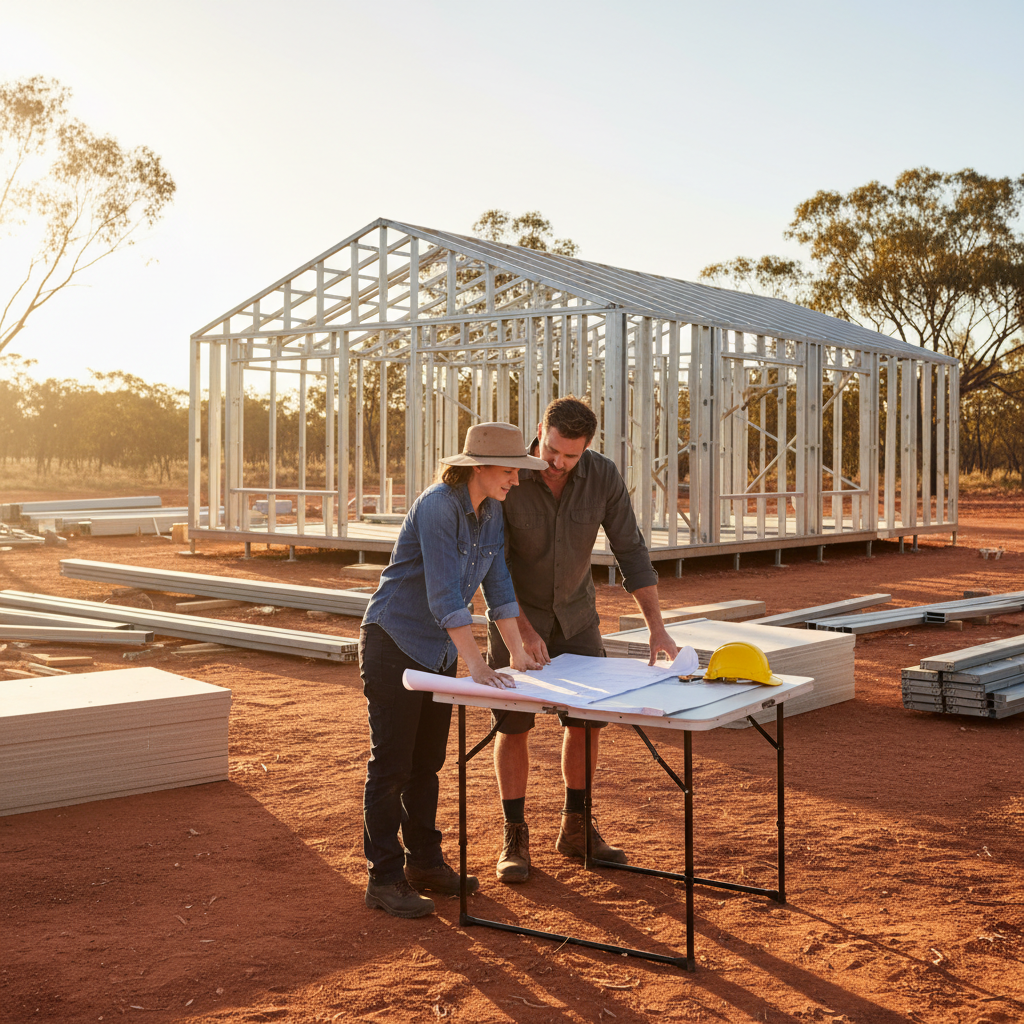
It is simple. Control. When you hire a turnkey builder, you're at the mercy of their schedule and their markups. But when you go down the kit home path, you're the one in the driver's seat. You get the delivery of the steel frames, the BlueScope TRUECORE stuff that doesn't twist or warp while it sits on your grass, and then you coordinate the dance of the trades. Or better yet, you do a lot of it yourself if you've got the spark for it.
But let's be real for a second. Building a kit home isn't a weekend hobby. It's a project management gig. You'll be dealing with the slab pourer, the sparky, and the plumber who swears he'll be there at 7:00 am but rolls in at 9:30. The beauty of a kit, specifically one with steel frames, is that once that slab is cured and level, the frames go up fast. They're light. They're straight. No wonky walls means the plasterer won't charge you an arm and a leg for extra compound to hide the bows. Plus, termites in Australia are aggressive. They'll eat through a timber stud like it's a buffet at the local RSL, but they can't do much with steel. That's peace of mind you can't put a price on when you're building close to the garden beds.
The DA Trap and Your Local Council
Before you even think about picking out kitchen tiles, you need to talk to council. Every LGA has its own quirks. Some councils in NSW are pretty relaxed under the State Environmental Planning Policy (SEPP), allowing granny flats on blocks as small as 450 square meters without a full DA, provided you meet the requirements for a Complying Development Certificate (CDC). Then you've got other spots where they'll fight you over the color of your roof or how many centimeters your eaves hang over the setback line.
Don't assume because your mate in another suburb did it, you can too. Get a site survey done. Check your sewerage diagrams. There's nothing worse than ordering a kit and realizing your main stack runs right under where the bedroom was supposed to be. And watch your BAL ratings. If you're building near bushland, you could be looking at BAL-29 or even BAL-FZ (Flame Zone). This dictates everything from the type of glass in your windows to the thickness of your wall insulation. Kit homes can be adapted for these zones, but you have to know what you're up against before the first truck arrives on site.
Tips for the Owner Builder Managing a Backyard Build
- Identify your access point early. If the crane can't reach over your house to drop the steel frames in the backyard, you're going to be humping those studs down a narrow side-path by hand. Not fun.
- Organize your trades in clusters. Get the plumber and the slab crew talking. You don't want the pipes in the wrong spot when the concrete starts pouring.
- The roof is your best friend. Get the kit under cover as fast as possible. Once the roofing and cladding are on, you can work inside regardless of whether it's bucketing down or a total scorcher.
- Don't skimp on the insulation. Small dwellings heat up and cool down fast. If you're using our kits, they come with insulation, but think about which way the sun hits those windows in the arvo. Physical comfort is what makes a tiny house feel like a home instead of a tin box.
Design Trends in Secondary Dwellings
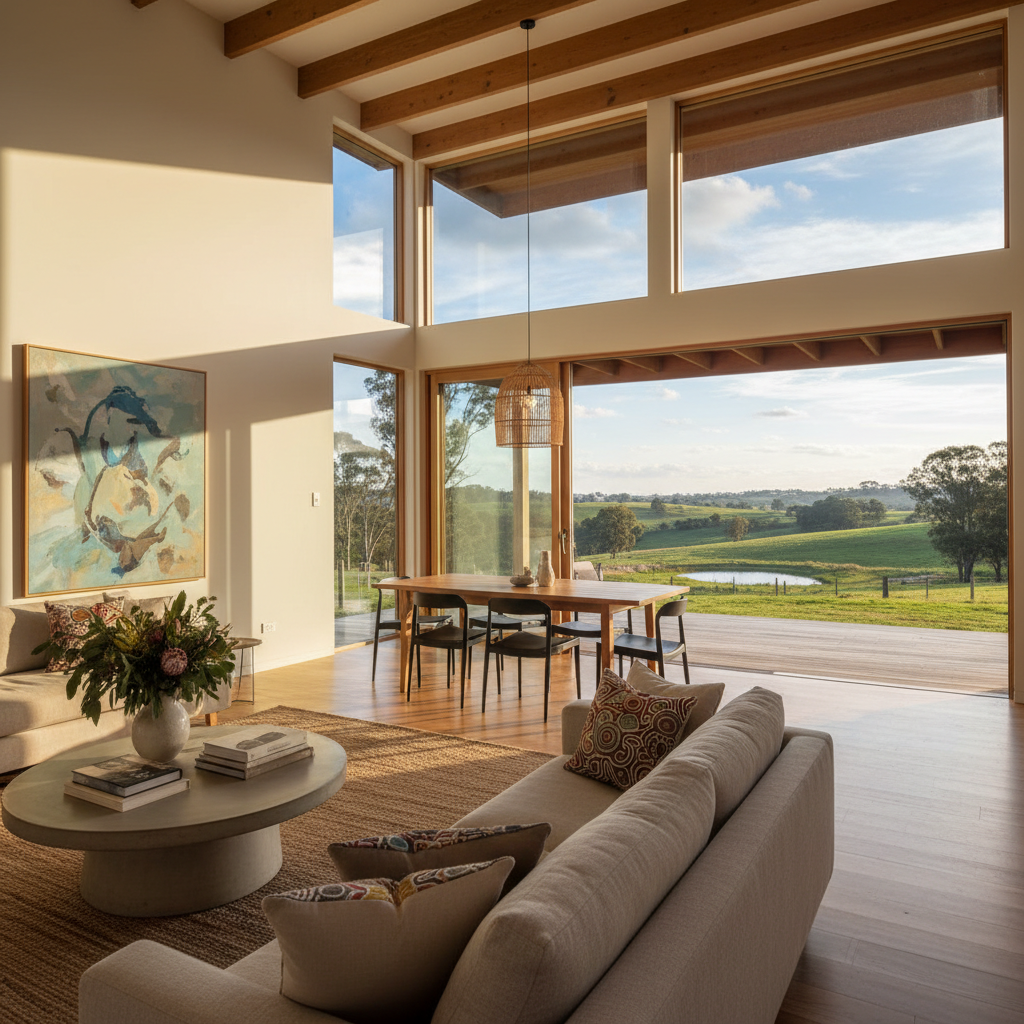
We are seeing a massive shift away from the boring 'box' look. People are asking for raked ceilings and bigger windows to bring the outdoors in. It makes a 60-square-meter footprint feel like 100. High-set windows, or clerestory windows, are massive right now because they let in light without sacrificing privacy from the main house. Because let's face it, even if it's your kids living out there, you don't necessarily want to be looking into their lounge room while you're hanging out the washing.
Open plan is still king. Instead of cramming three tiny bedrooms into a granny flat, more people are opting for one big master suite and a decent living area. It feels premium. It feels intentional. And that's the whole point of this housing trend. It's about clever use of the land we already own. We've got more than enough space in most Aussie backyards to accommodate another dwelling without it feeling cramped, as long as the design fits the site.
The Practicalities of Steel Frames
The technical side of things matters more than the aesthetics when it comes to longevity. Using TRUECORE steel means you're getting a frame that's 100% recyclable and won't rot. It is also incredibly light. If you're an owner-builder working with a mate or a partner, you can realistically stand these frames yourself. You're not breaking your back lifting heavy timber beams. Everything comes pre-punched for your electrical and plumbing services too. This saves hours of the sparky drilling holes, which keeps your labor costs down. Professional tradesmen actually prefer working with kits because half the hard work of measuring and cutting has already been done in a factory setting where tolerances are tight, usually to the millimeter.
But remember, steel moves differently than wood. You need to use the right screws and the right thermal breaks. If you forget the thermal break between the steel frame and your cladding, you'll regret it when winter hits. It's a small detail, but it's the difference between a high-performance home and one that feels like a fridge. Most kits will supply these bits, but you've got to make sure they're installed exactly as the manual says. No shortcuts.
Final Thoughts for the Keen DIYer
Look, building a secondary dwelling is a big swing. It takes time, patience, and a lot of phone calls to people who might not call you back the first time. But the end result? You've added legitimate value to your property and solved a housing problem for your family. Whether it's for the grandkids to have a sleepover or for a home office that actually has a door you can lock, the backyard kit home is the smartest move on the board right now. Just do your homework on the council stuff first. Suss out your site access. And for heaven's sake, make sure your slab is level. Everything else follows from there. Get the foundation right, and the rest of the build will be a hell of a lot smoother.