Revolutionising Comfort Through Solar Passive Design
When you embark on the journey of building a kit home in Australia, you are not just putting up four walls and a roof. You are creating a microclimate. Given our continent's harsh summers and crisp winters, one of the most effective building techniques at your disposal is solar passive design. This approach uses the home's design and materials to maintain a comfortable interior temperature without relying heavily on artificial heating or cooling.
For the Australian owner builder, mastering these principles is the difference between a house that feels like a tin shed and a home that feels like a sanctuary. By understanding how the sun moves across your specific block of land, you can leverage natural energy to slash your running costs and improve your quality of life. Let's dive into the technical building techniques that make solar passive living a reality.
The North-Facing Advantage: Orientation and Layout
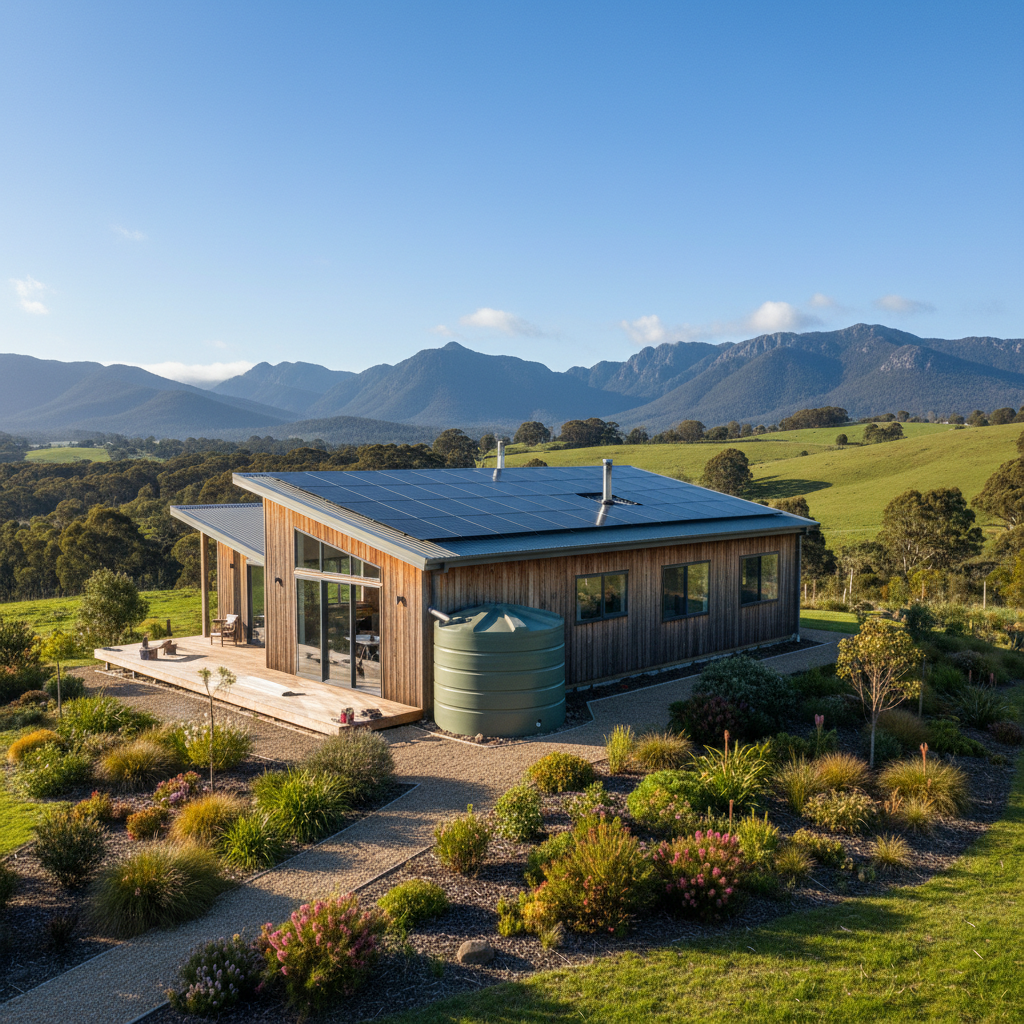
The golden rule of Australian building techniques is simple: orient your living areas to the north. Because the sun sits in the northern sky, north-facing windows allow low-angle winter sun to penetrate deep into your home, warming the floors and walls. In summer, when the sun is much higher, those same windows are easily shaded by eaves or awnings.
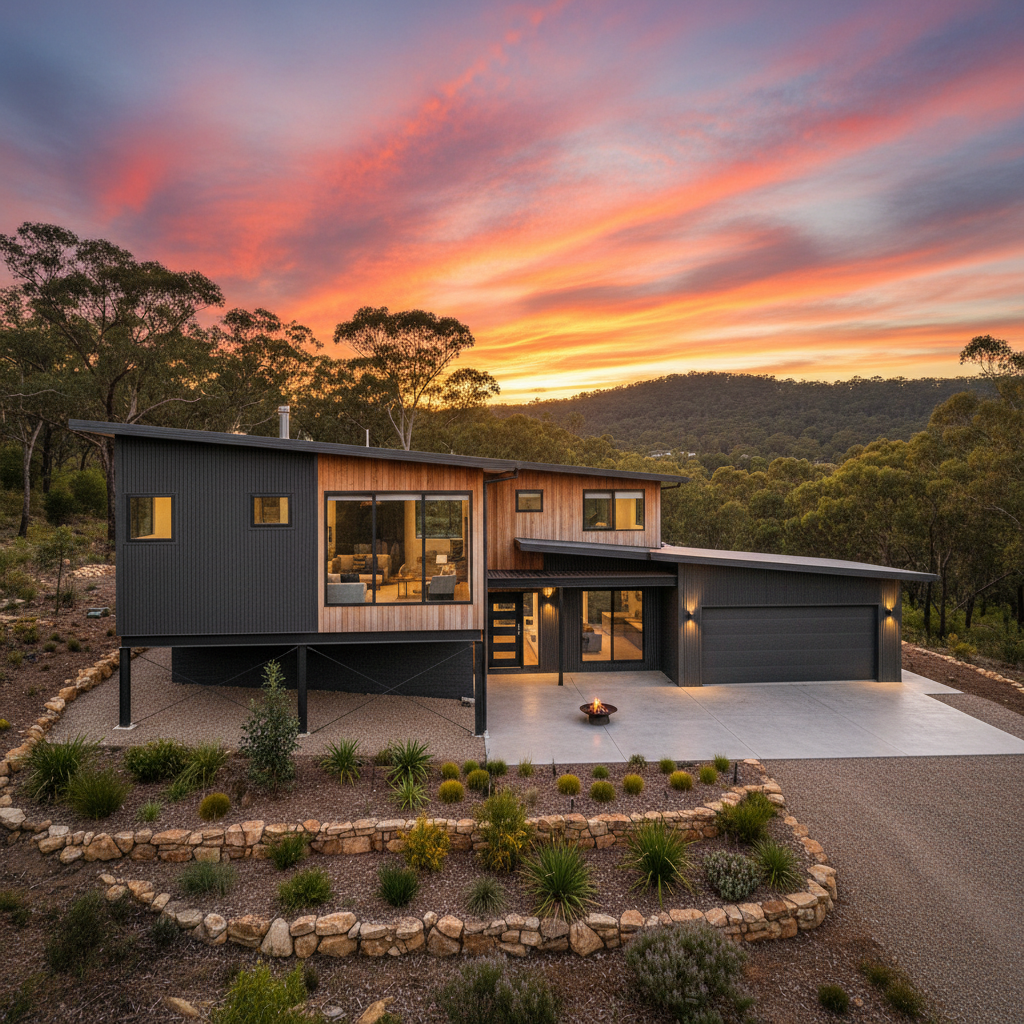
When selecting your kit home floor plan, look for designs where the kitchen, lounge, and dining areas are clustered along the northern face. Utility zones like the laundry, garage, and bathrooms should ideally be placed on the southern side to act as a buffer zone. If your block faces a sub-optimal direction, do not panic. You can often mirror or rotate a kit design to better align with the sun's path.
Thermal Mass and the Science of Heat Storage
Thermal mass refers to the ability of a material to absorb, store, and later release heat energy. In a kit home context, this is a critical building technique. While the lightweight nature of steel frame kit homes is a massive advantage for ease of assembly and durability, you need to strategically introduce thermal mass to regulate temperature.
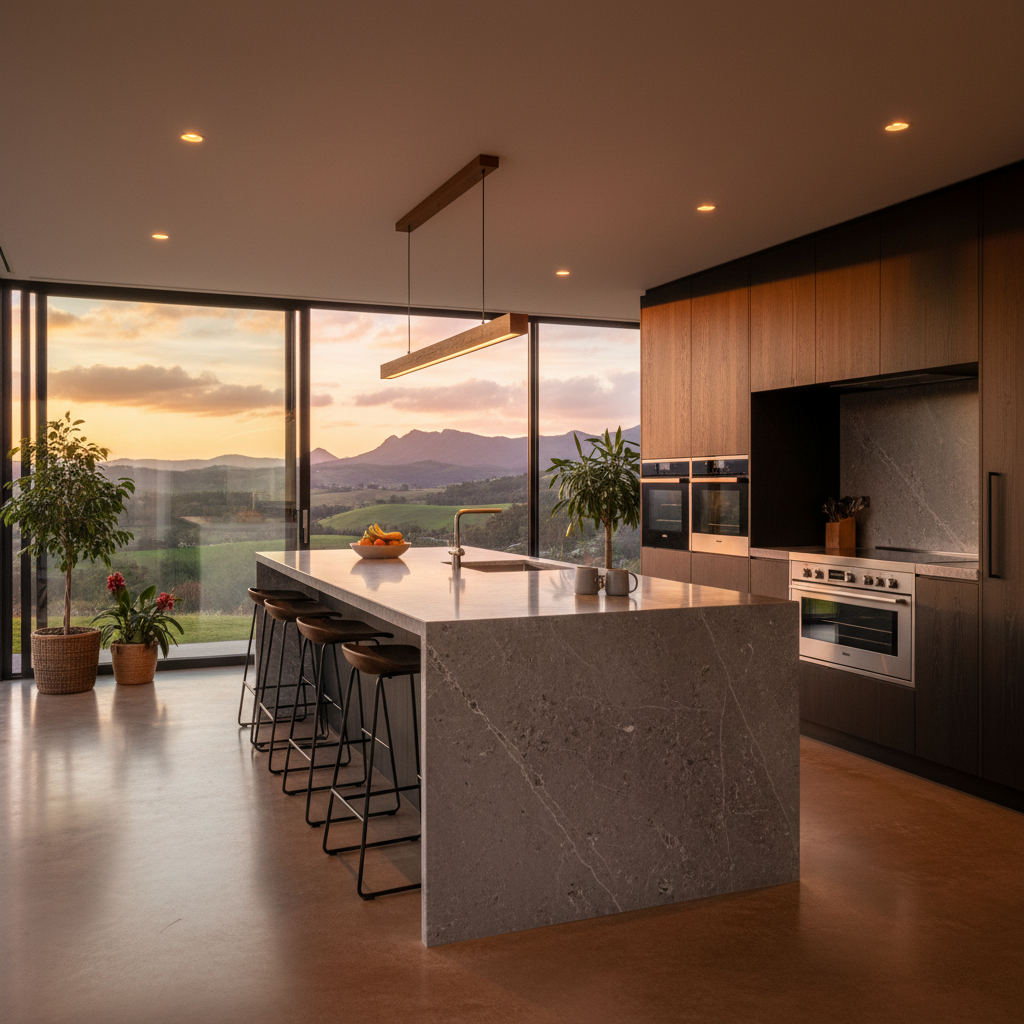
A concrete slab is the most common form of thermal mass in Australian homes. By allowing the winter sun to hit a dark-coloured polished concrete floor or tiled surface, the slab soaks up heat during the day and radiates it back into the room as the air temperature drops at night. It acts like a thermal battery. For owner builders, ensuring your slab is properly insulated at the edges prevents that stored heat from escaping into the surrounding earth.
The Role of the Building Envelope: Steel Frames and Insulation
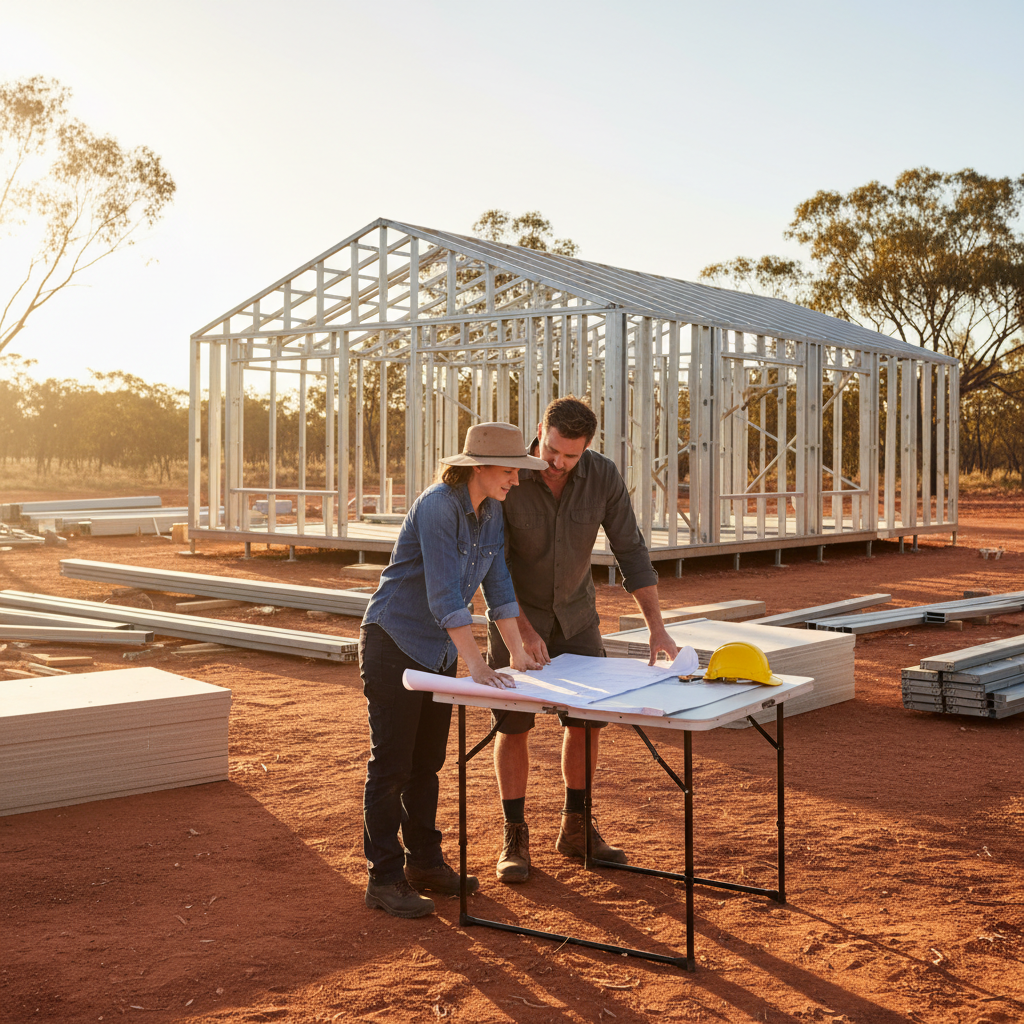
To make solar passive design work, your building envelope must be high-performing. This is where the choice of structural materials becomes vital. Using a high-quality steel frame, such as one made from TRUECORE steel, provides a dimensionally stable skeleton that will not warp or twist over time. This stability is essential for maintaining the integrity of seals around windows and doors, which prevents unwanted draughts.
Insulation is the partner of thermal mass. While the mass stores the heat, the insulation keeps it inside. In a kit home, you want to focus on a 'bulk and reflective' approach. Reflective foil laminates are excellent at bouncing radiant heat away from the roof space in summer, while bulk insulation (like batts) slows the transfer of heat through the walls. When installing your kit, pay close attention to the continuity of your insulation. Even small gaps can significantly reduce the thermal performance of a wall section.
Glazing and Shading: The Thermal Gatekeepers
Windows are often the weakest link in a home's thermal envelope, but they are also your primary tool for solar gain. For an effective solar passive kit home, consider the following building techniques:
- Window Sizing: Maximise glazing on the northern side (around 10 to 15 percent of the floor area of the room) and minimise it on the eastern and western sides to avoid the harsh morning and afternoon summer sun.
- Shading Devices: Calculated eave widths are your best friend. A properly sized eave will block the high summer sun while allowing the lower winter sun to shine through. For western walls, vertical shading like external louvres or deciduous plantings are more effective.
- High-Performance Glass: If your budget allows, double glazing is a game-changer for Australian owner builders. It creates an insulating air gap that reduces heat transfer, keeping your home quieter and more temperate.
Natural Ventilation and the 'Stack Effect'
Cooling your home naturally is just as important as heating it. Passive cooling techniques rely on air movement to carry heat out of the building. This is particularly relevant for kit homes in tropical or sub-tropical regions of Australia. Cross-ventilation occurs when you place openings on opposite sides of a room, allowing breezes to pass through.
Another technical building technique is the 'stack effect'. As hot air rises, it can be vented out through high-level windows or clerestory openings, pulling cooler air in from lower windows. When planning your kit home assembly, think about the prevailing breeze directions in your local area and ensure your window placements align with those flows.
Owner Builder Tips for Success
If you are managing the build yourself, here are some practical tips to ensure your solar passive goals are met:
- Site Analysis: Before you even order your kit, spend time on your block. Mark out where the sun rises and sets in mid-winter versus mid-summer. Use a sun path app to help visualise this.
- Sealing the Gaps: As you install the cladding and windows provided in your kit, be meticulous with weather stripping and caulking. An airtight home is a thermally efficient home.
- Landscape Integration: Your garden is part of your home's thermal system. Planting deciduous trees on the north side provides shade in summer but allows sun through in winter after the leaves fall.
- Roof Colour: In warmer Australian climates, choosing a lighter colour for your steel roofing can significantly reduce the heat load on your ceiling insulation.
The Longevity of Steel in Passive Design
Building with a steel frame offers long-term benefits for solar passive homes. Unlike timber, steel does not shrink or swell with moisture changes. This means that the precise calculations you make for your window placements and door seals remain accurate for the life of the building. Furthermore, steel frames are termite-proof and non-combustible, which is a major consideration for many Australian owner builders located in bushfire-prone areas.
Conclusion: A Smarter Way to Build
Embracing solar passive building techniques is not about complex technology or expensive gadgets. It is about working with the natural environment rather than against it. By focusing on orientation, thermal mass, high-quality insulation, and strategic glazing, you can create a kit home that is incredibly comfortable to live in and gentle on the planet.
Whether you are a seasoned DIY enthusiast or a first-time owner builder, these principles provide a roadmap to a superior home. A kit home featuring a robust steel frame and a smart, solar-ready design is an investment in your future comfort and the long-term value of your property. Start with the sun, and the rest will fall into place.