Stopping by a site at 5:30 PM on a Tuesday in the middle of July is a depressing experience. It's pitch black, the wind is howling through the wall studs, and you're standing there with a torch trying to figure out if the sparky actually finished the rough-in like he said he would. This is the reality for most Australian owner builders. You aren't standing around in a clean high-vis vest all day holding a clipboard. You're likely stuck in an office in Paramatta or driving a truck in Geelong while your house is being built elsewhere. It sucks. But it is manageable if you stop treating your build like a hobby and start treating it like a second job.
The Myth of the Weekend Warrior
Most people reckon they can just 'do it on the weekends.' That's a load of rubbish. If you only look at your site on Saturday and Sunday, your project will take three years and your marriage will probably end before the occupancy certificate arrives. Construction moves during the week. Trades work 7 AM to 3:30 PM. Council inspectors don't do Saturday morning house calls. If you're working a full-time gig, your biggest hurdle isn't swinging a hammer, it's communication. You need to be a project manager who happens to have a day job. This means your lunch break isn't for eating. It's for calling the plumber and chasing up your cladding delivery.
Mastering the 15-Minute Morning Blitz
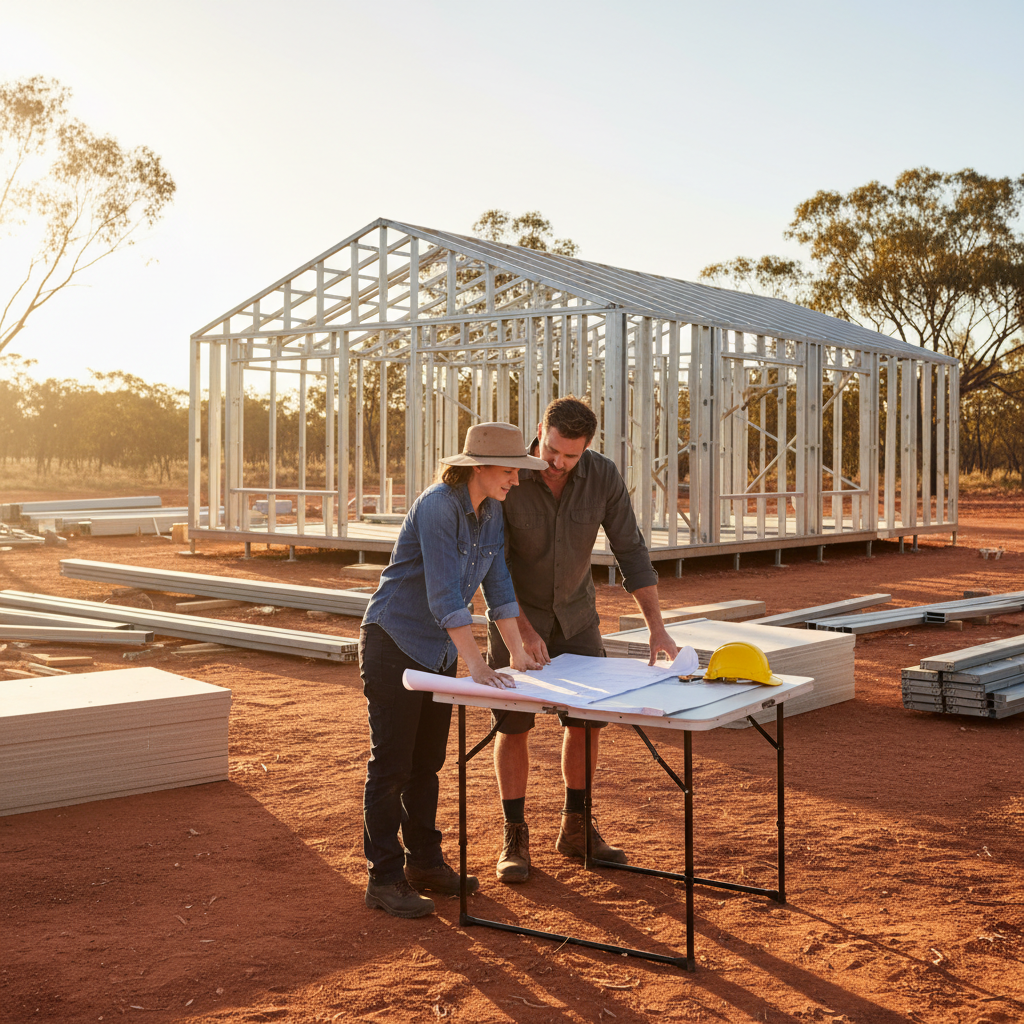
Before you even think about starting your car for work, you need to be on the phone. Between 6:45 AM and 7:15 AM is the golden window. This is when chippies are pulling up to site and opening their toolboxes. If you call them at 10 AM, they won't answer because the drop saw is screaming. If you call at 4 PM, they're at the pub or driving home. Get your instructions in early. Confirm they have the Truecore steel frames they need for the day and check if they've spotted any issues with the slab levels. A quick 'we all good for today, mate?' saves you four hours of fixing mistakes later that night in the dark.
The Logistics of Kit Delivery
When your kit home arrives, it doesn't come in a neat little parcel. It's usually a semi-trailer or two loaded with steel frames, roofing sheets, and enough windows to fill a small shop. You can't be at work during the drop-off. Take a sickie. Take annual leave. Do whatever you have to do to be there when the crane truck arrives. You need to direct where those packs go. If the driver drops your roof trusses right where the concrete pump needs to sit next week, you've just created a five-hour problem for yourself. Position your materials close to the slab but out of the way of the trades. Use your head. Think three steps ahead of the delivery driver who just wants to get to his next drop-off in Dubbo.
Managing Trades Without Being a Nuisance
Finding good trades is hard enough, but managing them when you aren't there is a different beast. You have to be specific. Don't tell a painter to 'fix the bits that look bad.' They'll do nothing. Use blue painter's tape to mark every single blemish you see during your night-time inspections. Leave a physical list on the kitchen bench. I used to tell my clients to get a whiteboard and screw it to a stud in the main living area. Write the goals for the week on it. 'Electrician: Finish GPOs in bedrooms 1-3. Plumber: Stack work needs to be capped.' It sounds bossy, but trades actually appreciate it. It means they don't have to call you every twenty minutes to ask what's next.
And remember, you're the one liable for site safety. Even if you're not there, if a chippy trips over a pile of loose offcuts and breaks an arm, it's on your head. AS 4361 is a good bridge to cross, but practically speaking, just keep the site clean. Spend your Saturday mornings doing a 'site sweep' rather than trying to do technical work you aren't licensed for. A clean site is a fast site.
The Night Shift Inspection
Since you're working 9-5, your site inspections are going to happen with a headlamp on. This is actually a blessing in disguise for some things. Lighting up a wall with a high-powered torch at an angle will show every bump in the plaster or every wonky stud that a flat afternoon sun might hide. Check the work against your plans every single night. If something is wrong, you can catch it before the next trade comes in and builds over the mistake. It's much easier to move a steel wall frame before the roof is on than it is after the insulation and windows are installed. Trust me on that one.
Leveraging Technology
You don't need fancy project management software that costs $100 a month. A shared Google Cal or even just a dedicated WhatsApp group for your main contractors works wonders. Take photos. Lots of them. Before the wall linings go on, take a photo of every single wall showing where the conduits and pipes are. In five years, when you want to hang a heavy TV and you can't remember where the steel noggins are, you'll thank your past self for that two-minute photo session.
Don't forget the paperwork. The DA process and the final sign-offs from your building certifier are what usually kill a timeline. Most of this can be done via email at 9 PM from your couch. Don't wait for them to ask you for documents. Be annoying. If you haven't heard from your certifier in a week, send another email. The squeaky wheel gets the occupancy certificate. It's a grind, and you'll be tired. You'll probably get sick of eating lukewarm meat pies in the car. But when you finally move into a house you managed yourself while keeping your career intact, the payoff is massive. Just keep the momentum. Once the momentum stops on a kit home build, it is incredibly hard to get it started again.