City life in Australia has become a bit of a grind. Between the crawl on the M1 and the sheer noise of suburban sprawl, it's no wonder half the people I talk to are looking at five-acre blocks in places like the Mary Valley or the Snowy Monaro. But here is the thing. Buying the land is the easy part. Building on it? That is where the wheels usually fall off for most tree-changers. Traditional builders often won't even look at a job if it's more than forty minutes from their front gate, or they'll whack a 'remote' premium on the quote that'll make your eyes water. This is exactly where the kit home model shines for regional living.
The Regional Building Reality Check
When you move out to the sticks, you're not just dealing with better views. You're dealing with logistics. I've seen it a hundred times. A couple buys a beautiful sloping block in the hinterland and then realizes they can't find a local builder with a start date earlier than 2026. Because kit homes arrive as a complete package of components, you're not at the mercy of a builder's supply chain or their 15% markup on every stick of timber. You get the frames, the roofing, the cladding, and the windows delivered in a coordinated drop. It puts the control back into your hands as an owner builder.
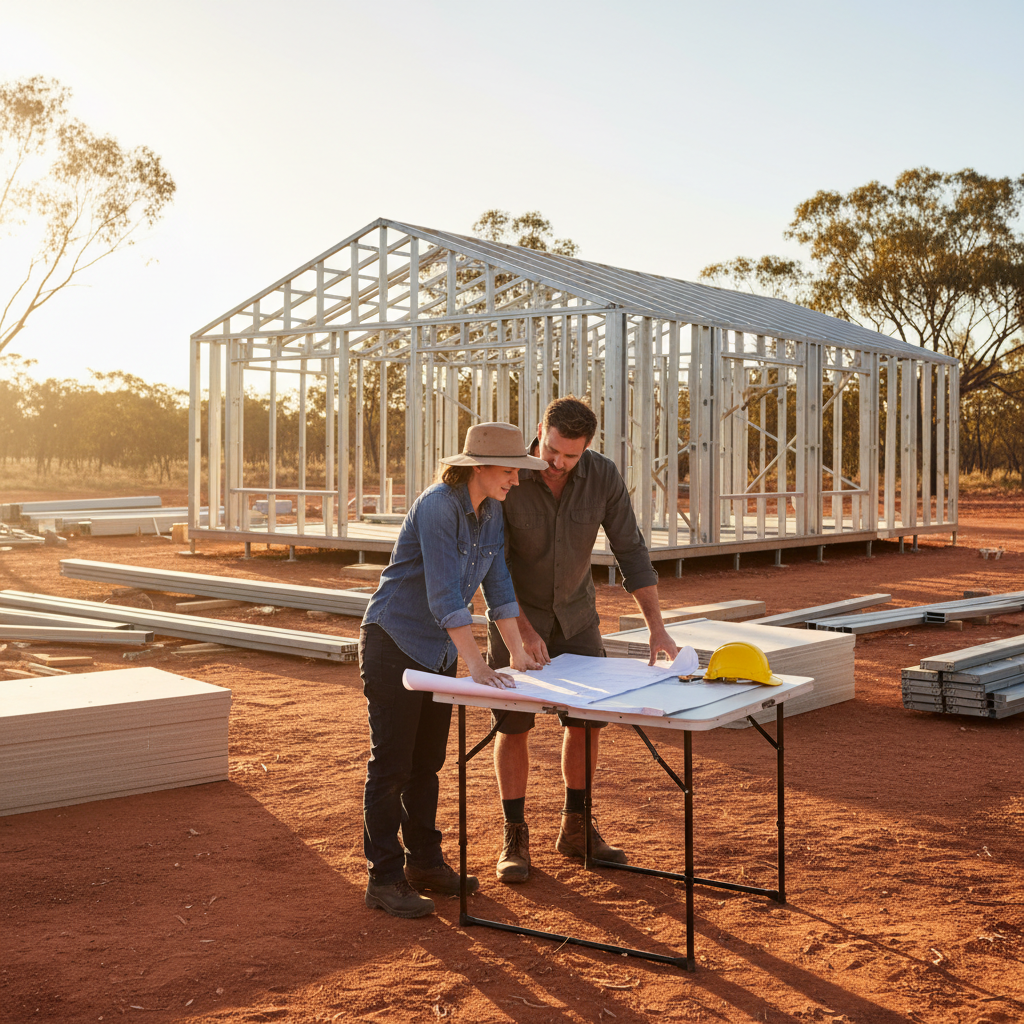
Let's talk about the frames. If you're building in the Australian bush, termites aren't just a possibility. They're a certainty. Those little buggers will find a way into anything eventually. Using BlueScope TRUECORE steel frames is basically an insurance policy against your house being eaten from the inside out. Plus, steel is straight. It doesn't twist or warp like green timber when the humidity hits 90 percent in January. When you're standing on a slab in a remote paddock trying to get your walls up, you want components that are pre-punched and ready to bolt together. No guessing. Just logic.
Sustainability and the BAL Factor
Most tree-changers move for the environment, so it's weird to build a house that doesn't respect it. In regional Australia, you have to care about BAL ratings. That's the Bushfire Attack Level. If you're in a BAL-29 or BAL-40 zone, your choice of materials isn't just about aesthetics, it's about survival and meeting the NCC Volume 2 requirements. Steel frames and metal roofing aren't just durable. They're non-combustible. This simplifies your compliance journey significantly when you're dealing with council.
And then there's the insulation. People think the bush is always hot, but if you're in the Southern Highlands or the Granite Belt, it's freezing for six months of the year. Kit homes allow you to spec high-performance insulation from the get-go. Because you're managing the fit-out, you can ensure the thermal break is installed properly. No shortcuts. Just a tight, efficient house that doesn't cost a fortune to heat with a wood fire.
Practical Tips for the Aspiring Owner Builder
Don't jump into this thinking it's a weekend DIY project like putting together a flat-pack bookshelf from a Swedish furniture store. It's a house. It requires respect. Here are some bits of advice from someone who has been in the dirt on these sites:
- Sort your access early. That winding dirt driveway looks romantic, but a semi-trailer loaded with your steel frames and Colorbond roofing won't be able to make the turn. Get your driveway and 'pad' sorted before the kit arrives.
- Talk to the locals. You'll need an electrician, a plumber, and someone to pour the slab. Go to the local pub or the hardware store. Find the tradies who actually live in the area. They know the ground conditions better than anyone.
- Get your owner builder permit. Each state has different rules, like the course you need to do in NSW or Queensland. Do it early. Don't wait until the kit is sitting in the driveway.
- Invest in a good cordless impact driver. You'll be driving thousands of screws into steel. Your cheap department store drill won't cut it. Get the good stuff.
Design for the View, Not the Street
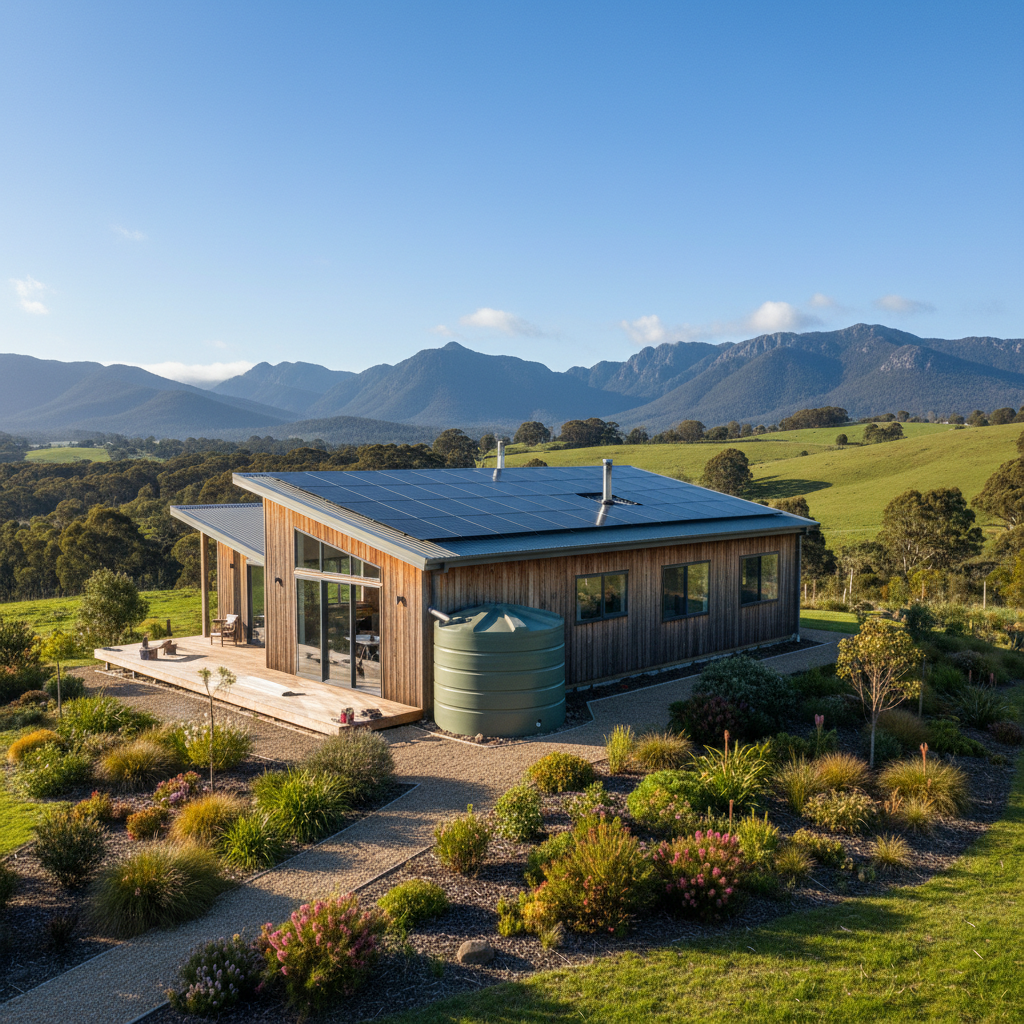
In the city, we build houses to hide from the neighbors. In the country, you build to frame the horizon. The beauty of the current trend in Australian housing is the move towards wide verandas and huge windows. Since our kits include the windows and doors, you can pick a design that actually suits your site's orientation. Southward-facing glass is a killer for heat loss in winter, so you want your big openings facing north to soak up that winter sun. It sounds simple, but you'd be surprised how many people just 'plonk' a house down without thinking about the sun's path.
I remember a project out near Mudgee. The owners spent three months just watching where the light hit their block at 4pm before they even picked a floor plan. That's the kind of project that ends up being a home rather than just a building. They chose a long, narrow design that allowed for cross-ventilation. In summer, they barely even turn the aircon on because the breeze just flows through. That's smart design, and it doesn't cost extra.
Managing the Moving Parts
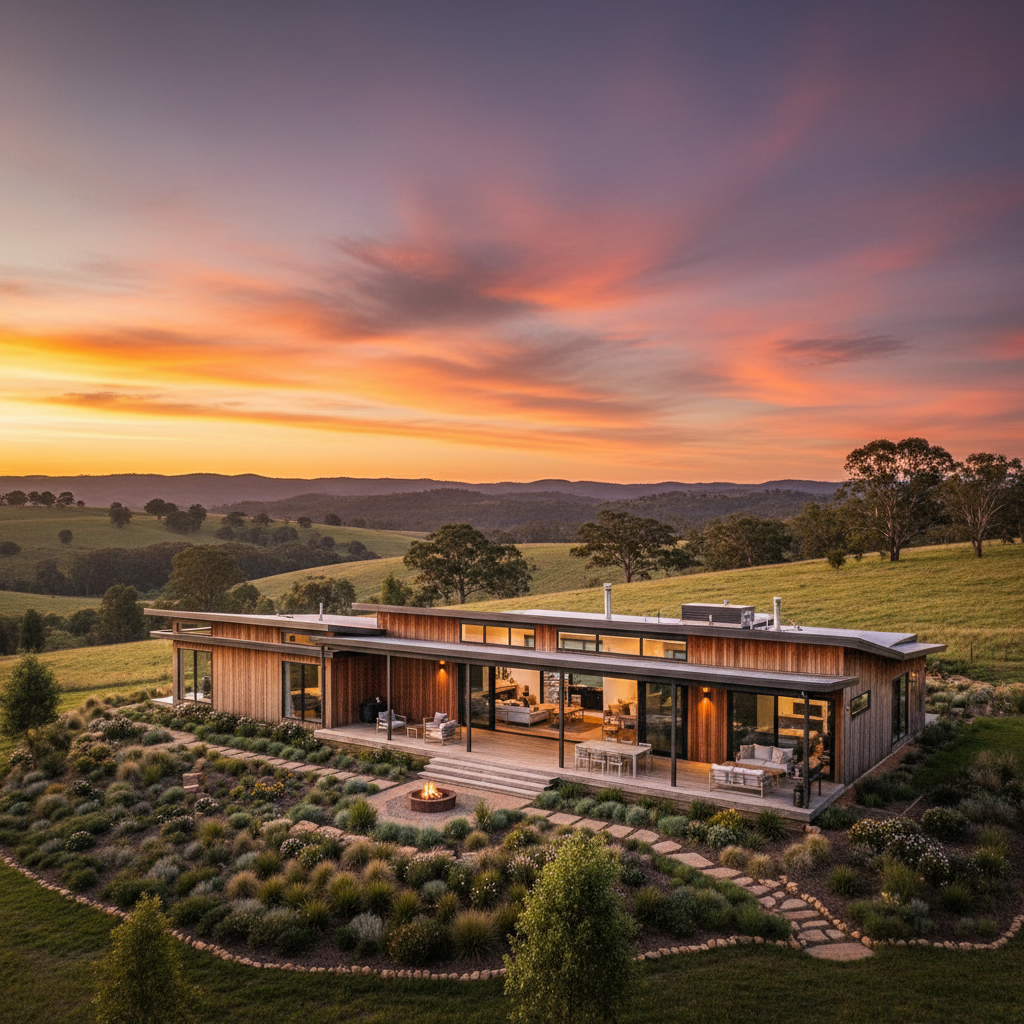
Is it hard work? Yes. You'll be on the phone to councils, coordinate deliveries, and probably get a bit of mud on your boots. But the trade-off is huge. You aren't paying a builder's margin to sit in an office. You're the one in the driver's seat. When you finally sit on that deck at sunset with a cold drink, knowing you saw every screw go into those TRUECORE frames, the satisfaction is something else. It's about more than just a roof over your head. It's about the fact that you actually built the life you wanted, piece by piece, out in the fresh air.