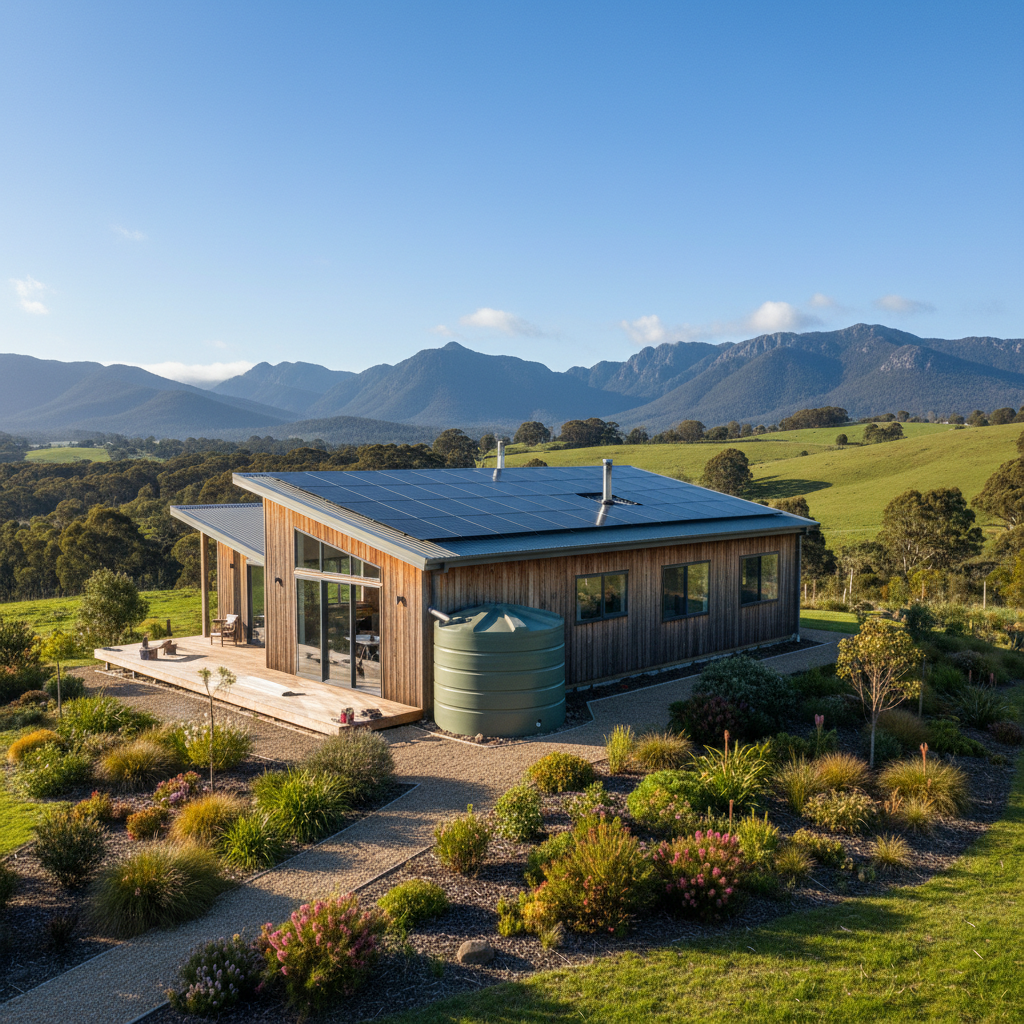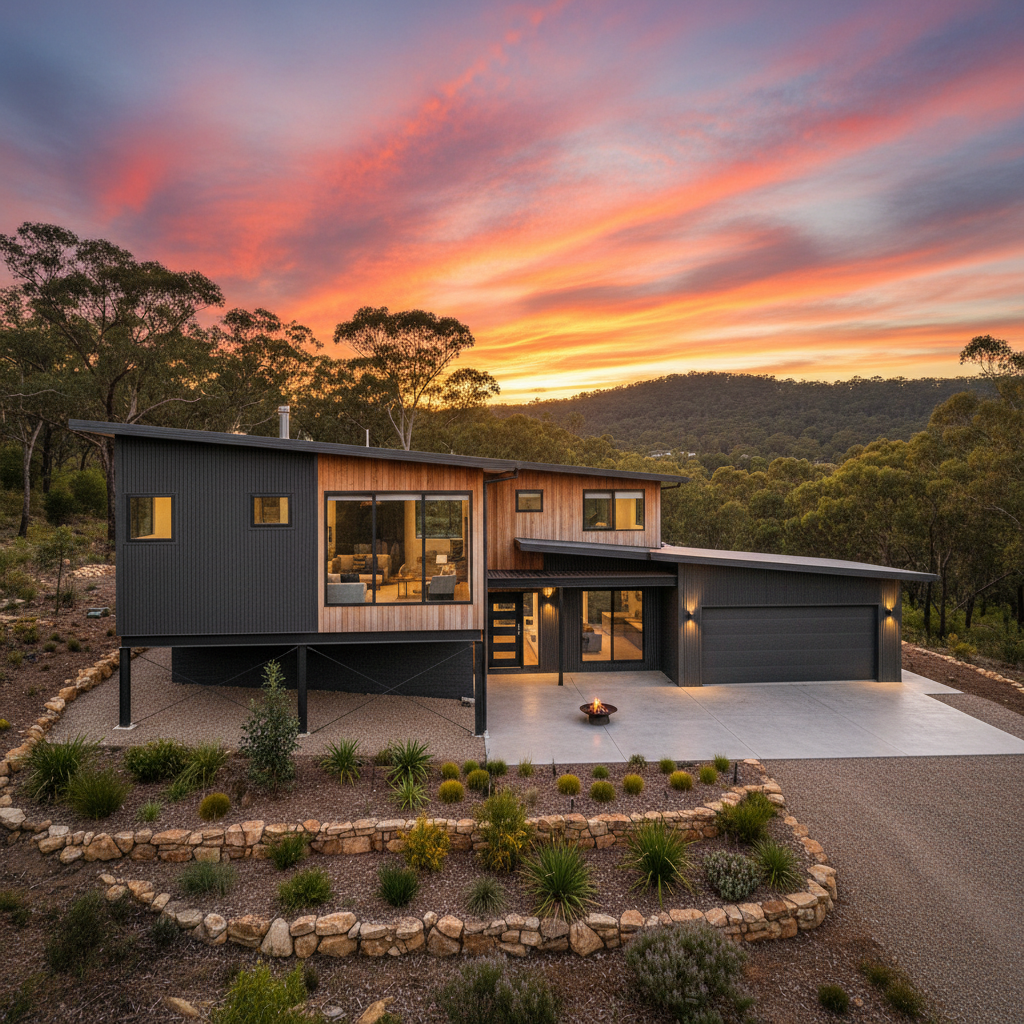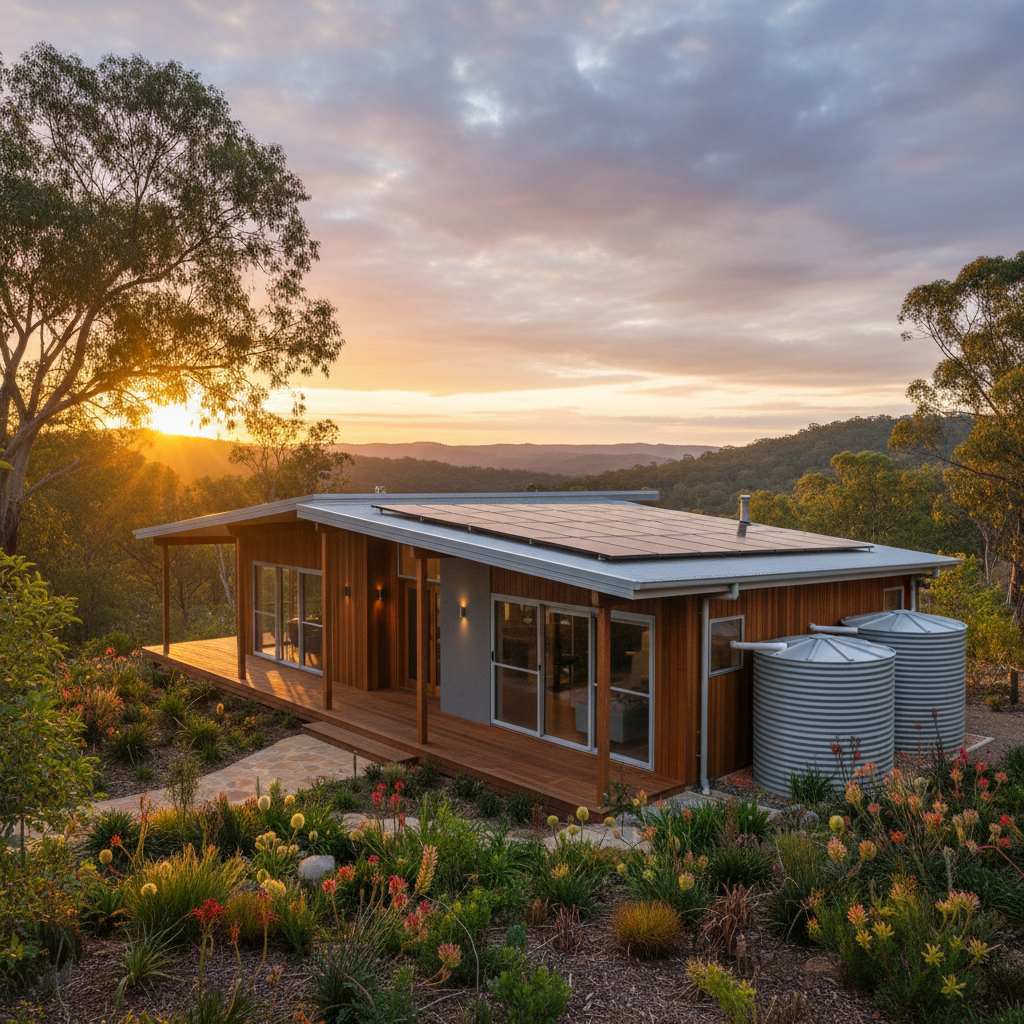
City life in Australia has become a bit of a pressure cooker lately. I see it every week. Families are packing up their suburban lives in places like Parramatta or Glen Waverley and heading for the hills, or the coast, or wherever the air doesn't smell like diesel fumes and stale coffee. This tree-change movement isn't just a phase. It's a massive shift in how we want to live. But here's the kicker. When you finally find that perfect five acre block in Mudgee or a hilly patch in the Sunshine Coast hinterland, you're suddenly hit with the reality of bush construction. It's tough. Labor is scarce. Transport is a nightmare. And the weather? Don't get me started on the wind loads and termite risk in regional Australia.
The Regional Build Reality Check
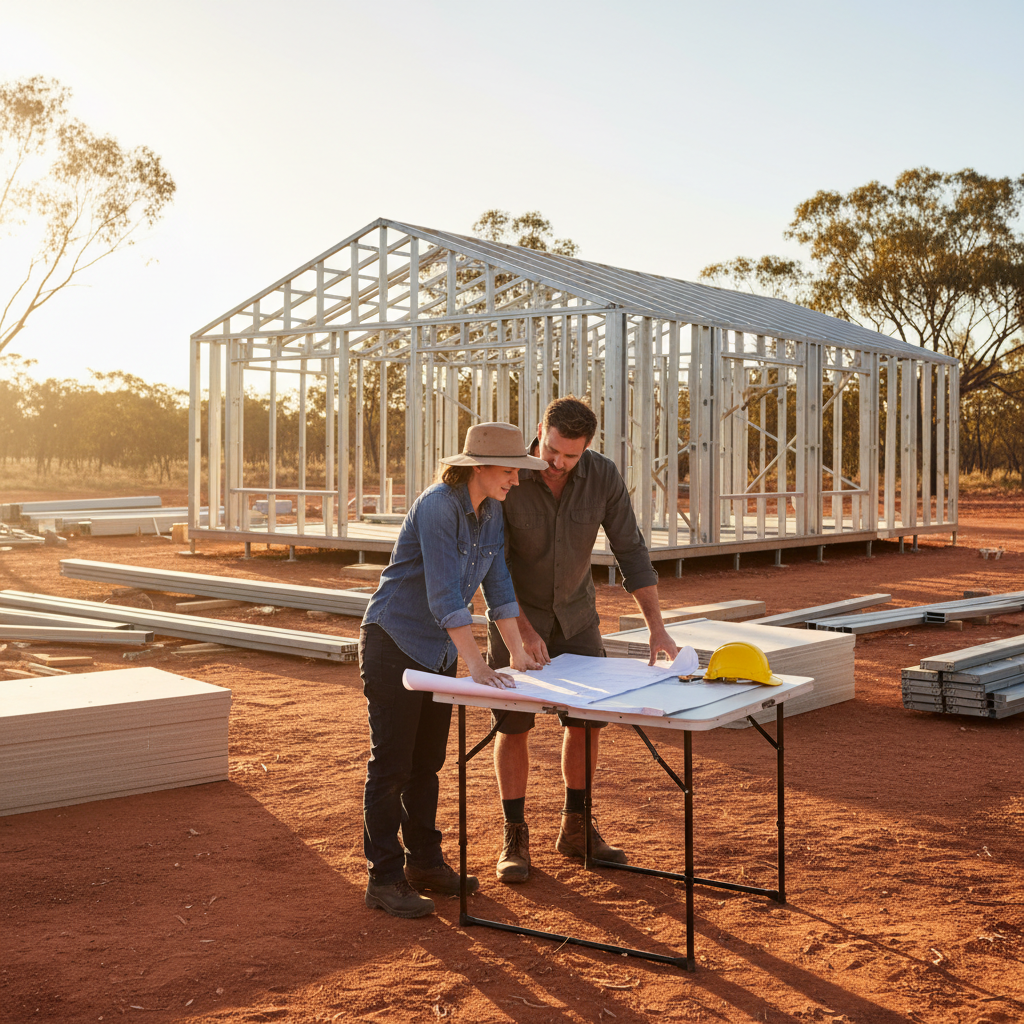
Most people heading out of the city have this vision of a smooth build. They think they'll hire a local builder and be in by Christmas. But out in the sticks, a traditional build can drag on for years because the trades are stretched thin. That's why kit homes have become the go-to for the tree-change crowd. You aren't waiting for a timber yard to figure out your order or a carpenter to measure every stud on site in the rain. The whole skeleton of the house arrives ready to go. It's about control. When you're an owner-builder in a regional zone, you need every win you can get. Having a steel frame that's straight, true, and laser-cut means you aren't fighting the house from day one. It's a massive relief when you realize the walls are actually square, which is more than I can say for some of the old Queenslanders I've worked on over the years.
Steel is the only choice when you're moving to the bush. Honestly. Termites don't eat BlueScope TRUECORE steel. End of story. In regional areas, especially up north or through the heavy timber belts of Victoria, termites aren't just a nuisance. They're a structural threat. Plus, if you're building in a Bushfire Attack Level (BAL) zone, steel frames and metal cladding give you a serious head start on meeting those nasty AS 3959 requirements. You aren't just building a house. You're building a fortress against the Aussie elements.
Layouts for the Modern Rural Lifestyle
When you move to the country, your design needs change. You don't want a dark, narrow terrace house anymore. You want light. You want airflow. One of the biggest trends we're seeing in Australian kit homes right now is the 'pavilion' style. Think big open living areas with massive spans that steel frames allow for without needing a forest of internal load-bearing walls. You want to see the kids playing in the paddock while you're at the kitchen bench. You want those wide wrap-around verandahs that keep the summer sun off your glass but let the winter warmth in. That's the beauty of working with a kit. You can pick a floor plan that actually suits a rural block - long and narrow to catch the northern sun, or rugged and compact for a steep site.
Tips for the Savvy Owner-Builder
1. Talk to your council early. Every LGA in Australia has its own quirks. Some are fine with kit homes, others want to see specific engineering for wind ratings, especially if you're in a cyclonic region or a high-up ridge in the Blue Mountains. Never assume your site is 'standard'.
2. Get your site access sorted before the truck shows up. I've seen it 100 times. A customer buys a beautiful block at the end of a dirt track, the delivery truck arrives with several tonnes of steel and timber, and it can't get over the first creek crossing. Spend the money on a solid driveway first. It'll save you a fortune in double-handling fees.
3. Insulation is your best mate. Don't skimp. Since kit homes often feature metal roofing and cladding, you want heavy-duty insulation blankets and high-quality batts. Regional Australia gets freezing at night and scorching by day. You're building for a thirty-degree temperature swing.
Why Steel Makes Sense for Remote Sites
Building in the middle of nowhere is a logistical puzzle. If you use traditional timber framing, you've got offcuts and waste everywhere. That's stuff you have to haul away or burn. Steel kits are different. The frames are manufactured to the millimeter. There's almost zero waste. And because steel has a better strength-to-weight ratio than timber, it's often easier to handle on sites that don't have a crane parked out front for six months. You can often get away with a smaller crew, which is exactly what you want when you're managing the project yourself. Plus, steel doesn't warp. You can leave it on the slab for a few weeks while you wait for the plumber, and it'll still be straight when you come back. Timber? It'll twist like a pretzel the moment it gets a bit of Sydney humidity or a Victorian downpour.
Making the DIY Jump
Being an owner-builder isn't just about saving a buck. It's about knowing your house. When you put the insulation in yourself, or you help line the walls, you know exactly what's behind the paint. For the tree-changer, this is part of the appeal. It's the transition from a desk job to actually making something. But be realistic. You'll need to coordinate your slab, your sparky, and your plumber. The kit gives you the shell - the frames, the roof, the windows, and the skin. The rest is on you. It's a lot of work. But there's nothing quite like sitting on your finished deck at 6pm with a cold beer, looking at the hills, and knowing you actually put the thing together. It changes how you feel about your home.
If you're looking at a block right now, don't get caught up in the shiny brochures from big-city developers. They aren't designed for the bush. They're designed for 400sqm blocks in the burbs. Look for something that handles the slope, respects the sun, and can survive a termite attack without blinking. Kit homes aren't just a budget option. They're a logical choice for the way Australia lives now. Get your site surveyed, check your BAL rating, and start thinking about where that northern light is going to hit your living room. The bush is waiting, you just need to be smart about how you get there.