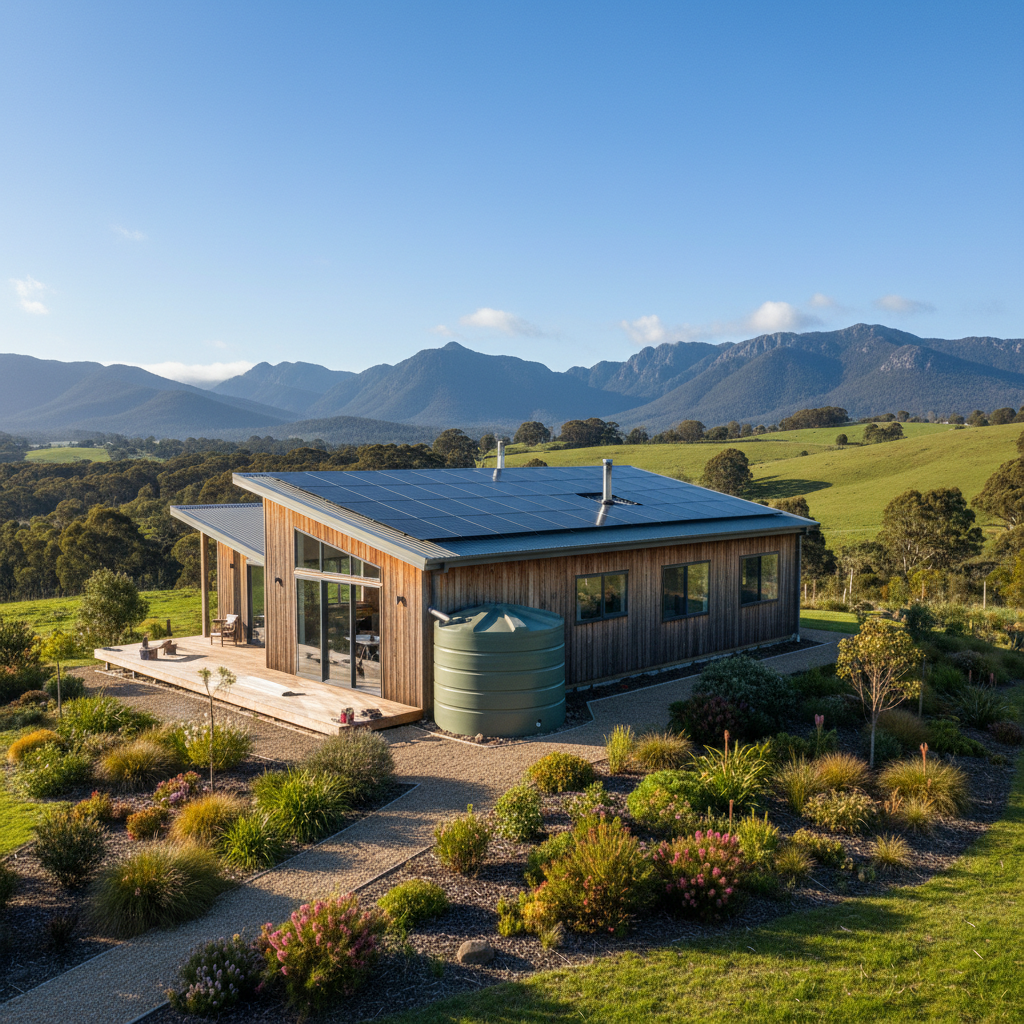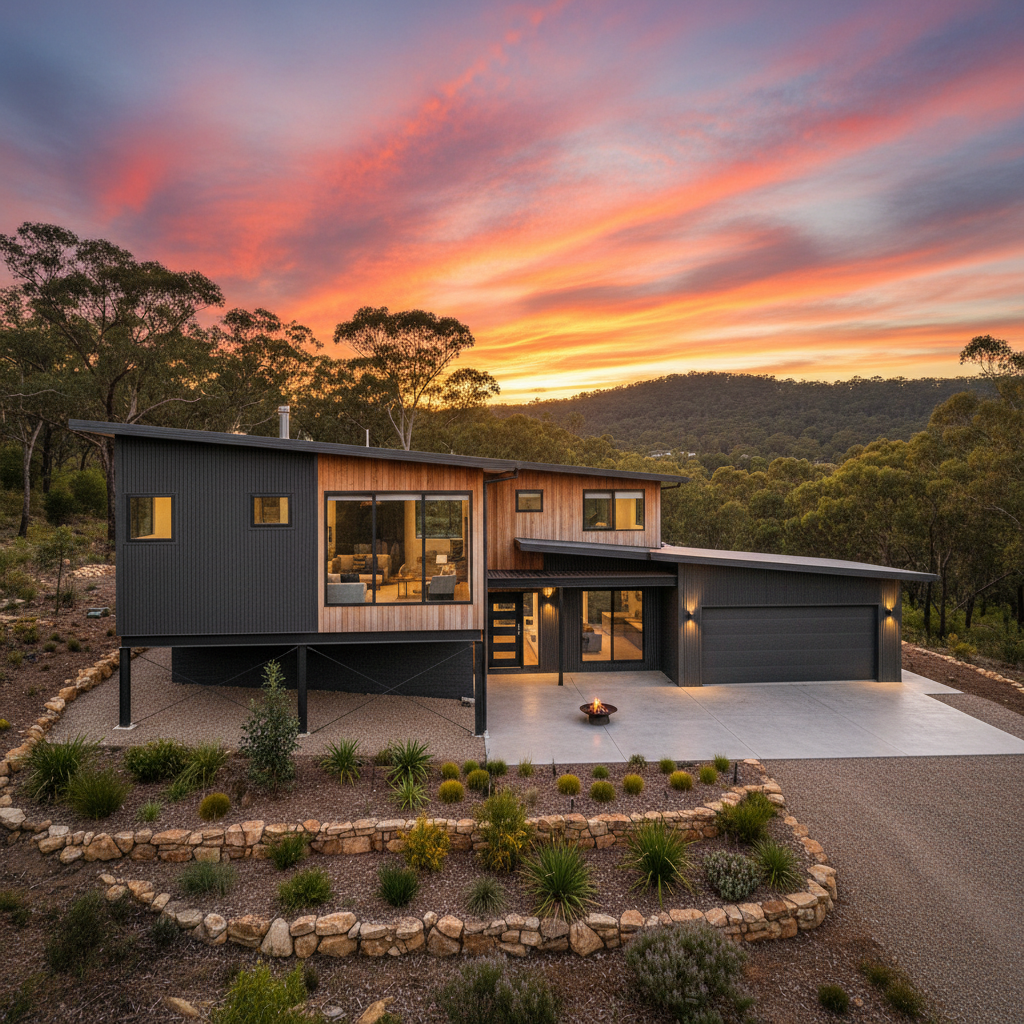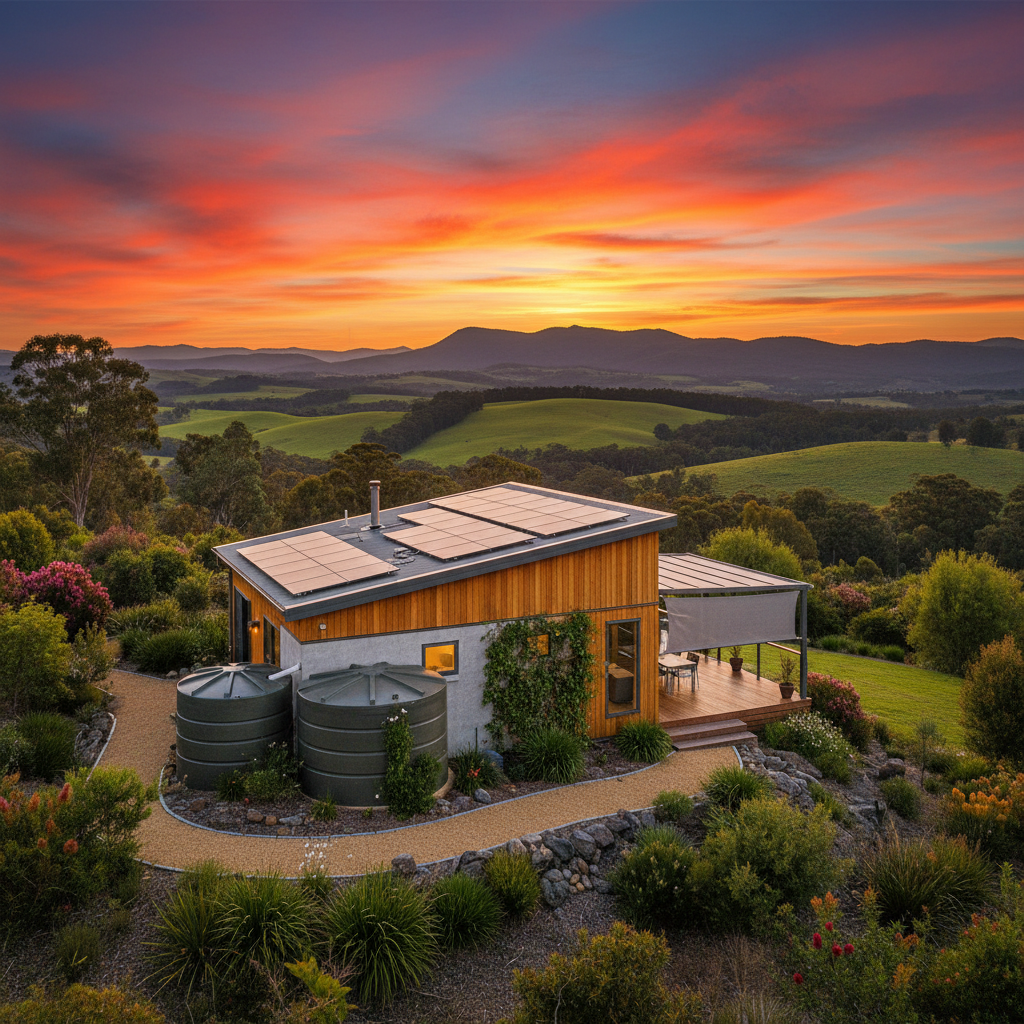
The Australian backyard is shrinking, but what we're putting in it is getting a hell of a lot more sophisticated. Ten years ago, if you mentioned a granny flat, people thought of a dark, asbestos-riddled lemon tucked behind the hills hoist where pop kept his old tools. Not anymore. I've spent a decade and a half watching the kit home industry evolve, and the biggest trend right now isn't the massive five-bedroom mansion. It's the sleek, 60-square-metre secondary dwelling that actually looks like it belongs in the 21st century.
The Multi-Generational Shift in Our Suburbs
It's no secret that it's tough out there for young people trying to buy their first home. I've spoken to dozens of parents in places like Western Sydney and Brisbane's outer suburbs who are looking at their quarter-acre block and realizing that space is their biggest asset. They aren't just building a granny flat for 'gran' anymore. They're building a studio for a daughter finishing her uni degree or a self-contained unit for a son who can't stand another year of paying three hundred bucks a week for a room in a shared house. Because let's face it, having your kids under your roof is one thing, but having them in their own independent kit home down the garden path is much better for everyone's sanity.
But it's not just about family. The lifestyle shift is real. I'm seeing homeowners in spots like the Sunshine Coast or the Mornington Peninsula putting up high-end steel frame kits to use as short-term rentals. They want that extra income without the hassle of a traditional investment property that's located three suburbs away. When you build on your own dirt, you keep an eye on things. It's smart. And if you design it right, it adds a massive chunk of value to the total property price when you eventually decide to sell up and head to the coast.
Why Steel Frames Make Sense for Backyard Builds
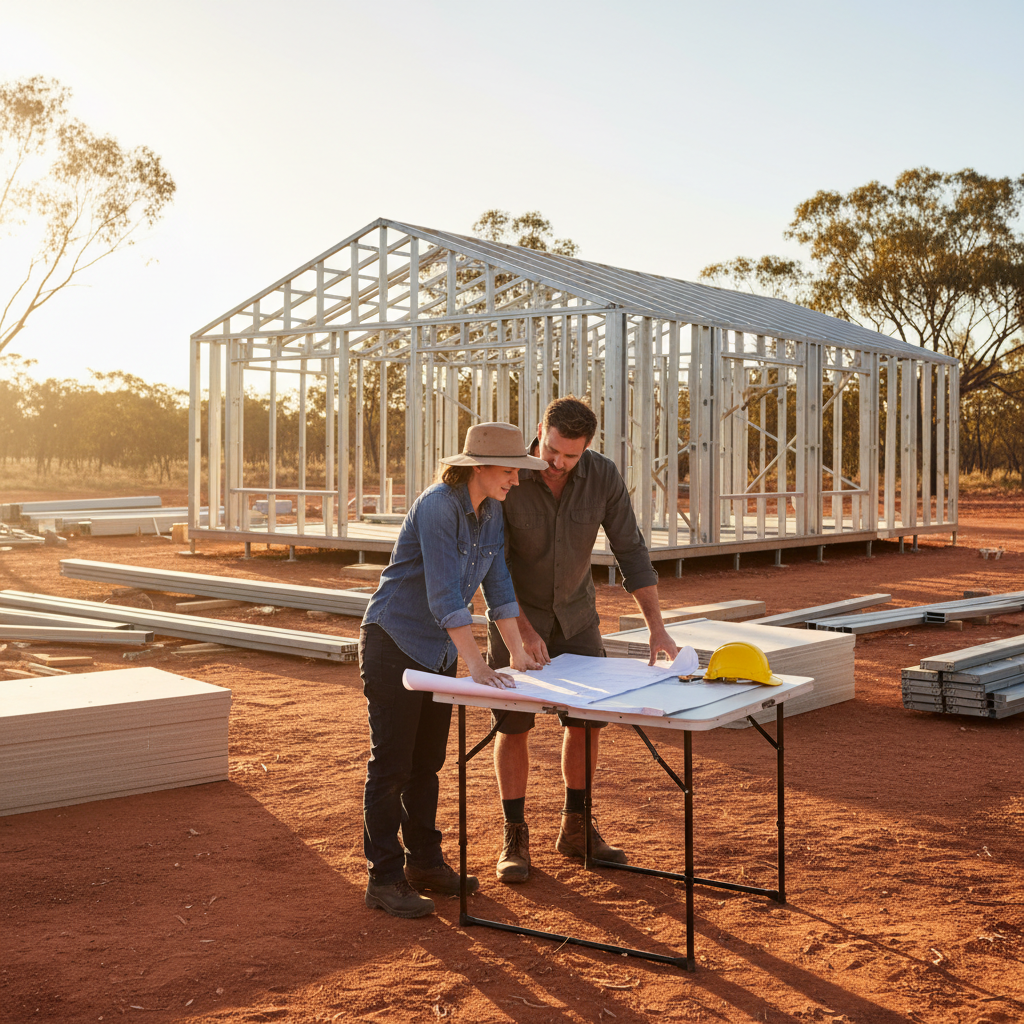
When you're squeezing a new building into an existing backyard, you've got constraints. You've got fences, you've got the neighbor's overhanging Frangipani, and you've got limited access. This is where steel frames really shine. We use BlueScope TRUECORE steel for a specific reason. It's light. You can actually carry the wall frames down a narrow side passage between the main house and the fence without needing a massive crane or a six-man crew. I've seen guys try to lug heavy timber through a gate and it's a nightmare. Steel is straighter than a die, too. You won't get those annoying bows or twists as the seasons change, which is a godsend when you're trying to install those big, modern sliding doors that have zero tolerance for a sagging lintel.
Plus, termites. If you live anywhere north of Melbourne, termites aren't just a possibility, they're an inevitability. Using a steel frame kit for your secondary dwelling means you've got one less thing to stress about at night. The hungry little buggers can't eat the bones of your house. It gives people peace of mind, especially if the new building is tucked away in a leafy corner of the yard where someone might forget to check the bait stations for a few months.
Owner Builder Tips: Getting the Site Ready
If you're going down the owner-builder route, listen up. The kit itself is the easy part. The site works are where the real work happens. Before you even think about ordering a kit, get a surveyor out. I can't tell you how many people think they know where their boundary is, only to find out the 40-year-old fence is actually half a meter inside the neighbor's yard. That turns into a legal headache real quick. Also, suss out your services early. Where is the sewer? Where is the storm water? You don't want to find out that your ideal building spot is sitting right on top of a main sewer pipe that Council won't let you build over without a 'build over sewer' permit that costs a fortune and takes six months to approve.
Practical tip: If your backyard has a bit of a slope, think about your floor system early. A concrete slab is great, but it requires a lot of dirt moving and retaining walls if the ground isn't level. Sometimes, putting the kit home on a raised floor system with steel stumps is cheaper and faster. It also lets you run your plumbing and electrical underneath much more easily than jackhammering a slab because the sparky forgot a conduit. I know it sounds like a small detail, but these are the things that keep you awake at 2 am with a notepad on the bedside table.
Designing for Small Spaces
Lifestyle is all about how a space feels, not just the square meters on the plan. In a secondary dwelling, you have to be ruthless with your design. Every millimetre counts. I always tell people to focus on ceiling height. If your kit allows for a higher pitch or a raked ceiling, take it. It makes a 60-square-meter floor plan feel like 90. Use big windows to bring the outside in. If your granny flat looks out onto a nice garden, it feels like an extension of the living room rather than a box. And don't skimp on insulation. Using the high-quality stuff we include in our kits is a start, but think about your orientation. Position the living areas to catch the winter sun. It'll save you a fortune on heating and makes the place a much nicer spot to sit with a coffee on a July morning.
Australian Standards and Compliance
Don't cut corners on compliance. Every secondary dwelling in Australia needs to meet the National Construction Code (NCC) Volume 2. Whether you're in a high-fire zone (BAL-29 or BAL-40) or a cyclonic region in Far North Queensland, your kit needs to be engineered for those specific conditions. Our kits are built to handle the Aussie climate, using materials that meet the relevant Australian Standards like AS 1397. When you're an owner-builder, it's your name on the paperwork. You're the one responsible for making sure the trades you hire, like the plumber and the brickie, do their job properly and provide the necessary certificates. It's a bit of a paperwork mountain, but doing it by the book is the only way to ensure your insurance is valid and your investment is protected.
What to Expect During the Build
Building a kit home is a bit like a big Lego set, but with more power tools and a lot more sweat. Once your slab or floor system is down, the steel frames go up surprisingly fast. You can usually have the carcass of a small granny flat standing in a weekend if you've got a couple of mates who know which end of a drill is which. But here's the reality check: the 'finish' takes the longest. Hanging the cladding, installing the windows, and getting the roof on. That's where you need to be precise. If you're doing the cladding yourself, take the time to get your starter strips perfectly level. If the first board is off by two millimetres, the top board will be off by twenty. I've seen it happen. It's the kind of thing that will annoy you every time you walk up the driveway for the next twenty years.
Building yourself is incredibly rewarding, but it's okay to admit when you're out of your depth. Hire a pro for the roof if you aren't comfortable with heights. Get an actual tiler for the bathroom unless you want wonky grout lines that look like a mountain range. The goal is to end up with a secondary dwelling that people actually want to live in, not a project that looks like a weekend DIY disaster. Use your energy where it matters most, and manage the project with a clear head.
The Future of Backyard Living
We're moving toward a future where the traditional 'big house' isn't the only way to live well. Whether it's a home office that actually keeps the kids' noise out, a place for aging parents to stay close but independent, or just a way to pay off the mortgage faster, kit homes are the most flexible tool we've got. They're about taking control of your own block of land and making it work harder for you. And honestly? There's something pretty special about standing in a building you helped put up with your own hands. It changes how you feel about 'home'. Just make sure you get your site levels sorted before the concrete truck turns up on Monday morning.