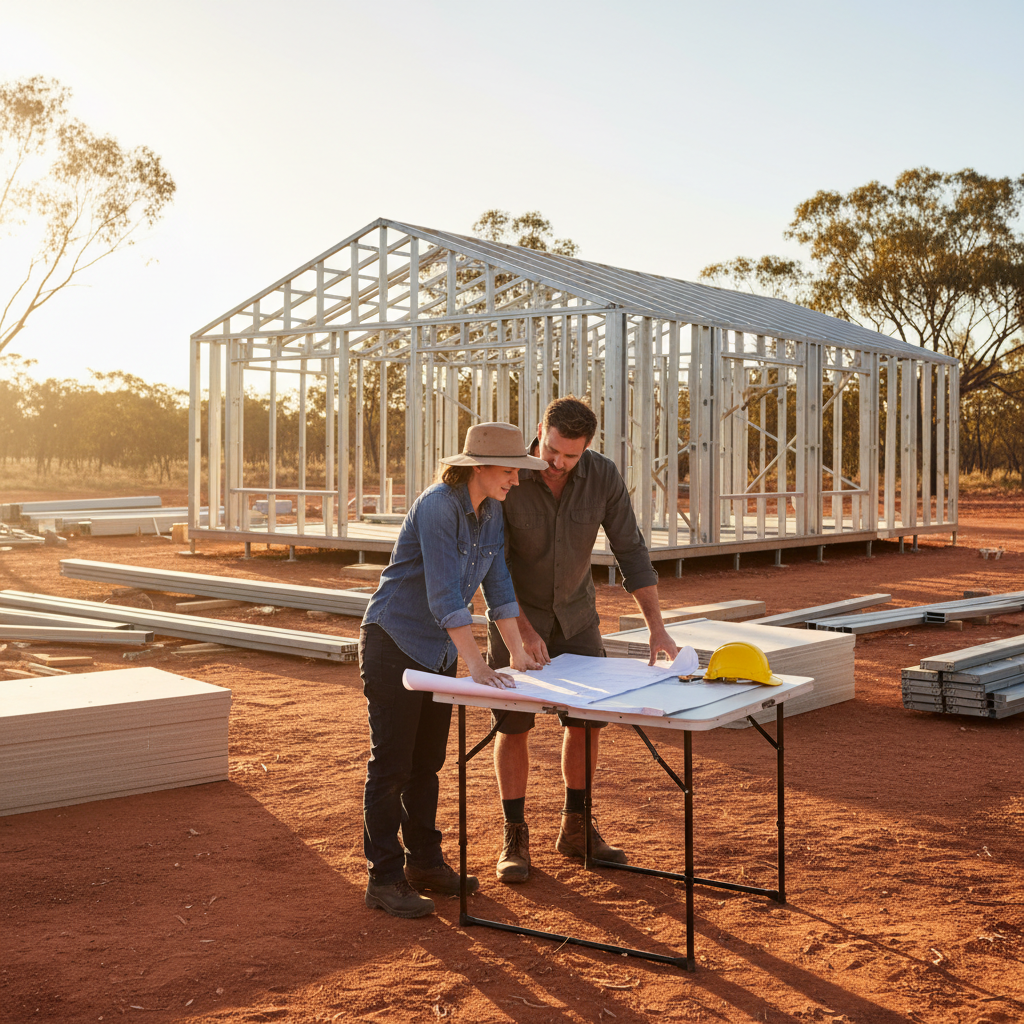
I was standing on a dusty block out near Toowoomba last month, watching a fella try to tape out a floor plan on a bit of dirt that was mostly rock and stubborn weeds. He had his wife on one side and his retired mum on the other. They weren't fighting, but you could tell the tension was thick enough to cut with a trowel. They wanted to live together, but they didn't actually want to live together, if you catch my drift. That's the reality of the multi-generational shift in Australia right now. It isn't just about saving a bit of coin on the power bill. It's about how you stop Auntie Joan from hearing every time the teenager plays Xbox at 2am.
The Myth of the Shared Kitchen
Most people start this process thinking they'll just buy a big five-bedroom kit and everyone will share the central hub. Stop right there. It's a recipe for disaster. If you're designing for three generations, you need three things: separate entries, separate plumbing, and thick walls. Because nobody, no matter how much they love their parents, wants to explain why the sink is full of dishes at 10am on a Tuesday. We see a lot of success when people look at L-shaped designs or detached pods. You use the main steel kit as the primary residence and then look at a smaller secondary dwelling or a 'granny flat' style setup for the older generation. It keeps the peace. Plus, it gives everyone their own front door to walk through, which is more about psychology than architecture.
You've got to think about the physical reality of aging, too. If you're building a kit home today for a parent who is 65, you need to imagine that house when they're 85. That means wider hallways. It means no funky floor transitions or decorative steps. It means reinforced bathroom walls so you can bolt in grab rails later without the whole thing coming down. The beauty of working with TRUECORE steel frames is that the precision is top-notch. When you're trying to install a walk-in, hobless shower, you want your floor levels and wall studs to be bang on the money. Steel doesn't warp or twist like some timber you've left out in the rain for three weeks, so your waterproof membranes actually stay intact.
Zoning and the Art of the Breezeway
Privacy is the currency of the multi-gen home. I always tell owner-builders to look at the 'Twin Wing' approach. You have a central living area, maybe the kitchen and a small lounge, and then you have wings that branch off. One side is for the young family. The other side is for the grandparents. But don't just put a door between them. Put a laundry. Put a walk-in robe. Put a buffer zone. Sound travels through air, but it also vibrates through the structure. If you've got a TV mounted on a shared wall, Grandma is going to hear every explosion in that Netflix movie. Put some space between 'em.
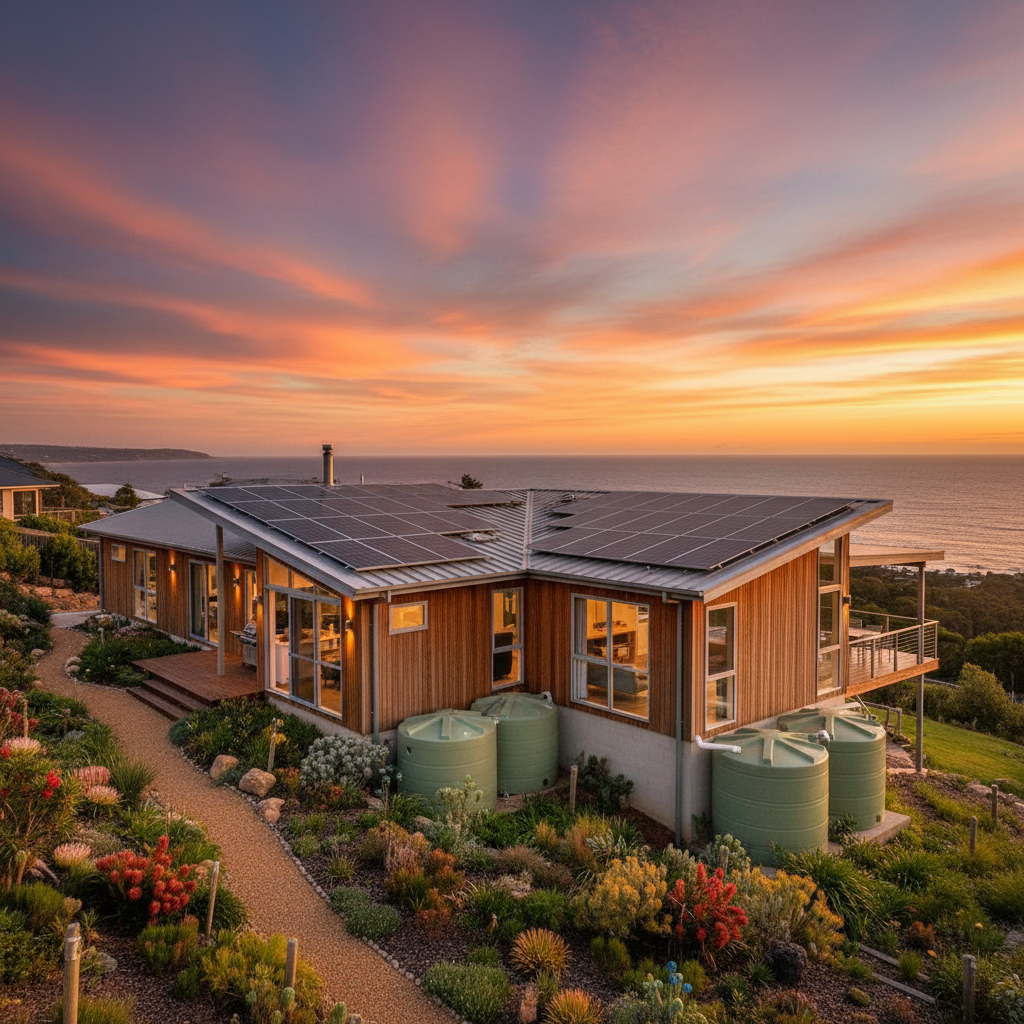
And let's talk about the outdoor space. In places like Queensland or the NSW North Coast, the deck is basically another room. For a multi-gen setup, you want at least two separate outdoor areas. One might be the big entertaining deck off the main kitchen where everyone has Sunday roast. But the second one, maybe a small private verandah off the back of the parents' suite, that's where they have their morning coffee in peace. It's about choice. It's about being able to opt-out of the family chaos whenever you need to retreat.
The Tech Side: Steel Frames and Stability
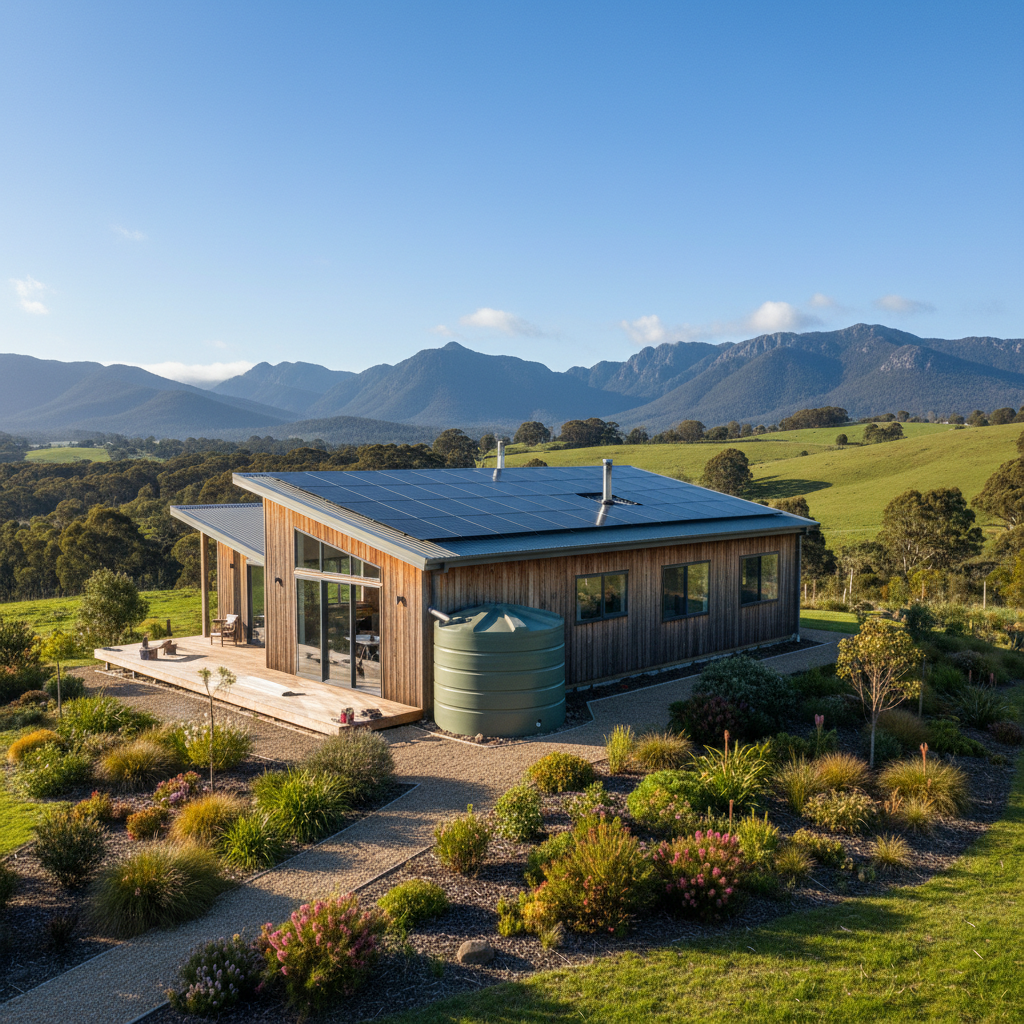
When you're building a home that's supposed to last through several generations of wear and tear, the skeleton matters. Most kit homes we're dealing with use BlueScope steel because frankly, termites in Australia are a nightmare. If you're an owner-builder managing your own site near the bush, the last thing you want is the structural integrity of your mum's bedroom being eaten while you're at work. Steel frames give you that peace of mind. And because the kits are engineered with such tight tolerances, the assembly on-site is a hell of a lot faster for a DIYer than trying to cut and notch timber on a saw stool in the mud.
But here's a tip from someone who's seen it go wrong: if you're doing the owner-builder thing and you've got multiple families involved, you need one voice. One person needs to be the 'Project Manager'. If you've got the grandfather and the son-in-law both trying to tell the plumber where the pipes go, you'll end up with a mess and a bill that'll make your eyes water. Pick a leader and stick to the plan. Make sure that plan includes extra acoustic insulation in the internal walls. It's cheap to do during the frame stage and impossible to fix once the plasterboard is up and painted.
The 'Pod' Strategy for Future Gains
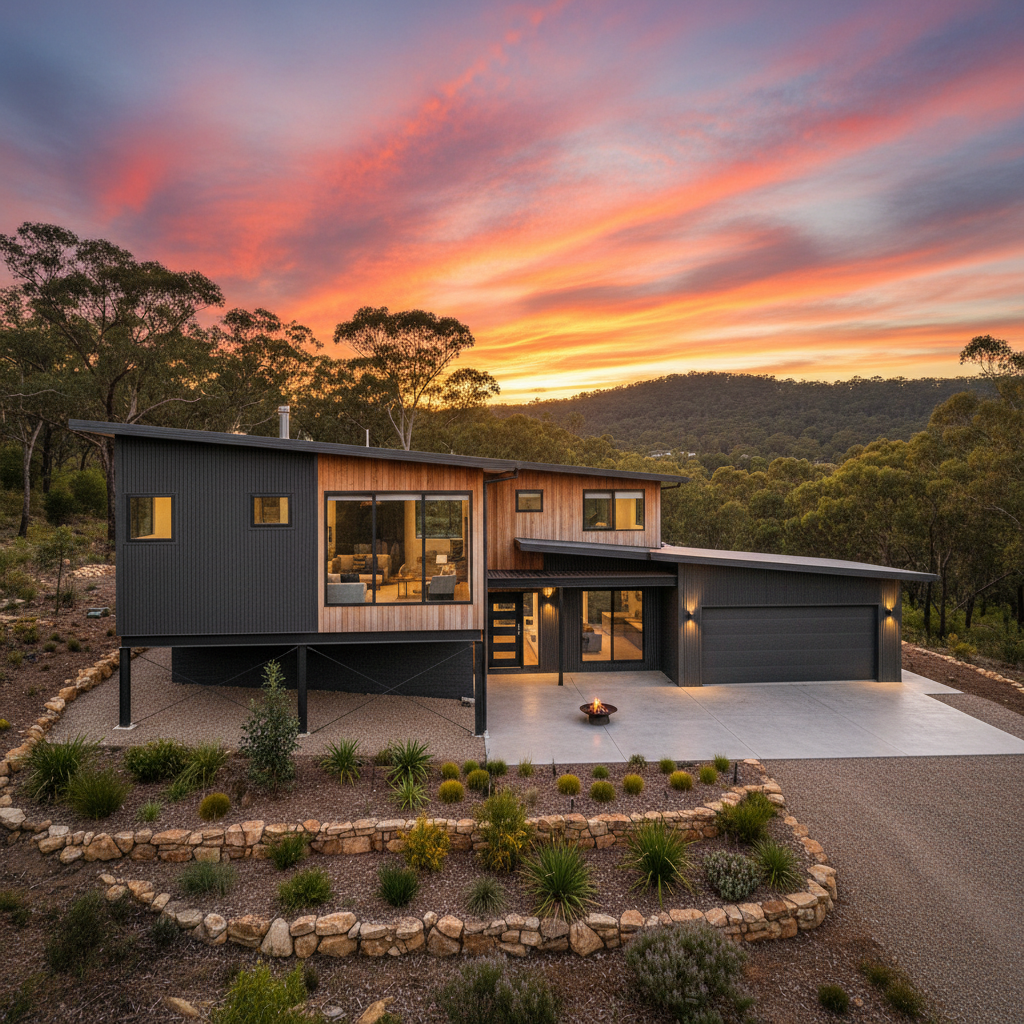
Sometimes the best multi-gen home isn't one big building. It's a cluster. If your local council allows it, building a primary kit home and then a completely separate secondary dwelling is the gold standard. It allows for total independence. Down the track, if the parents move into aged care or the kids finally move out, you've got a self-contained unit you can use for guests or as a home office. Just make sure you check your local Bushfire Attack Level (BAL) rating first. If you're in a BAL-29 or BAL-40 zone, your windows and cladding choices for both buildings are going to be strictly regulated. Steel roofing and cladding systems are brilliant here because they're non-combustible, but you still need to get your seals right around the eaves to stop embers getting into the roof cavity.
Owner Builder Practicalities
- Get your slab right. Everything in a kit home relies on that concrete being level. If the slab is out by 10mm, your steel frames will let you know about it pretty quickly.
- Think about the plumbing. If you're doing two kitchens or multiple ensuites, your drainage plan needs to be sorted before the first truck arrives.
- Don't skimp on the windows. In a multi-gen house, you want good high-performance glass to keep the temperature stable and the noise down.
- Label everything. When the kit arrives and you've got stacks of steel and cladding everywhere, it looks like a giant jigsaw puzzle. Take ten minutes to organize it so you aren't digging for the bathroom window frames in October.
Building a home for your whole tribe is a massive undertaking. It's stressful. It's dusty. You'll probably reconsider your life choices when you're standing in a trench at 4pm on a Friday. But then you see the finished product. You see the grandkids running between the two wings, and you see the parents sitting on their own deck with a glass of wine, away from the screaming. That's when you realize you didn't just build a house. You built a way for the family to actually stay together without driving each other up the wall. Just remember: two kitchens are better than one, and privacy is the only thing that keeps the peace over the long haul.