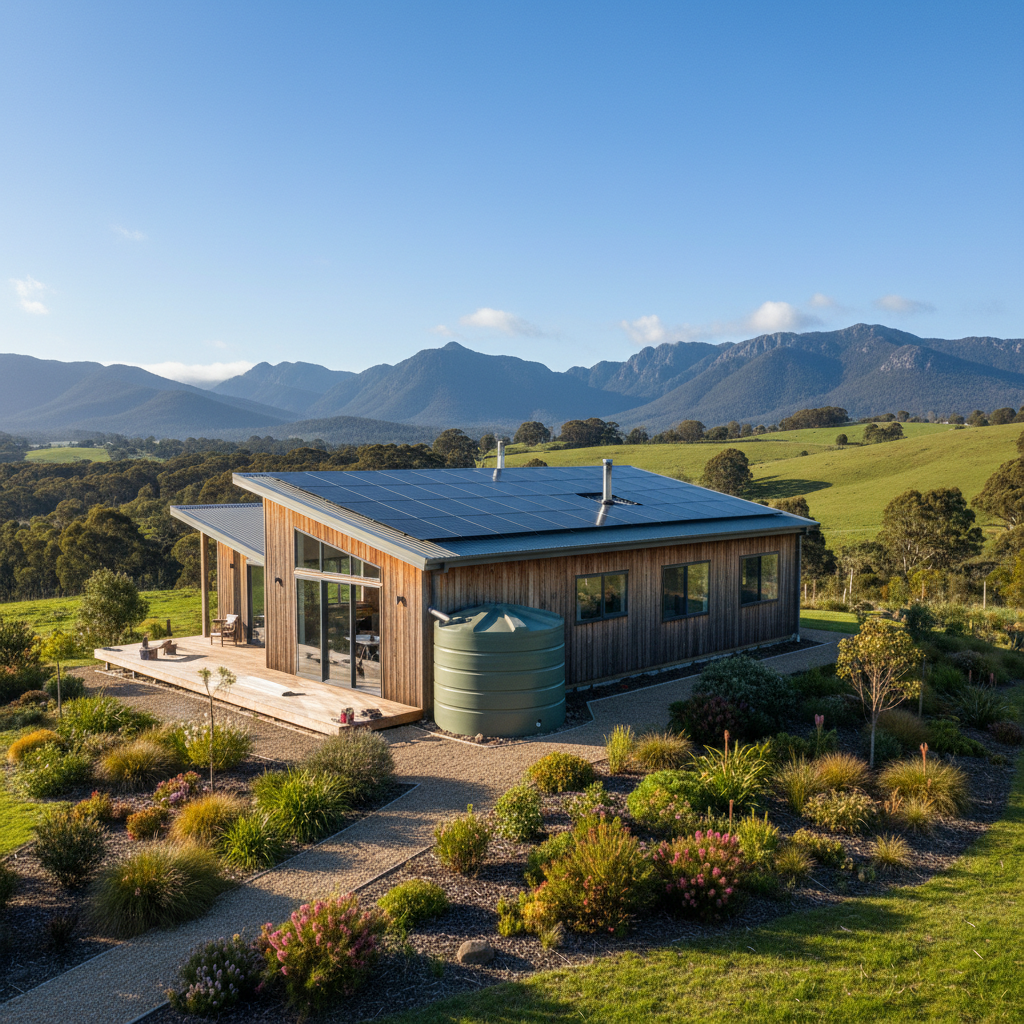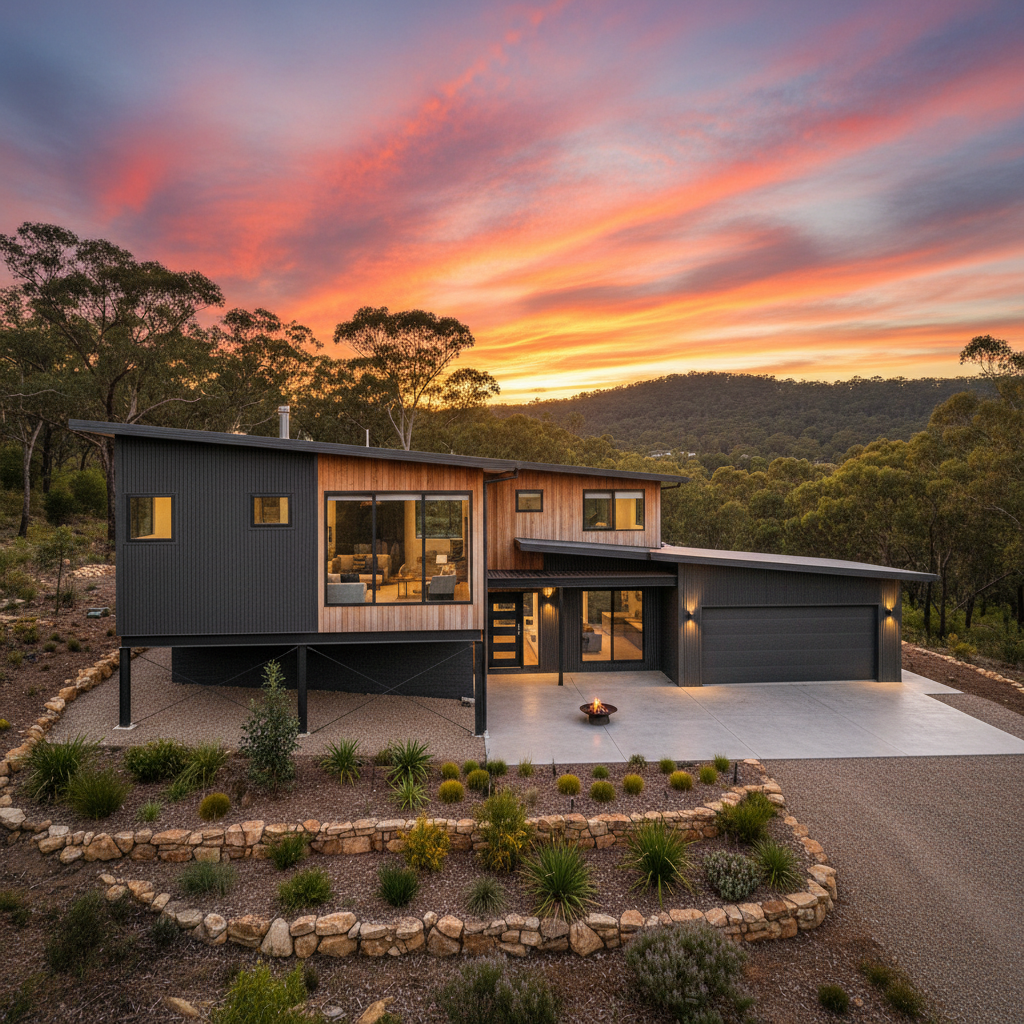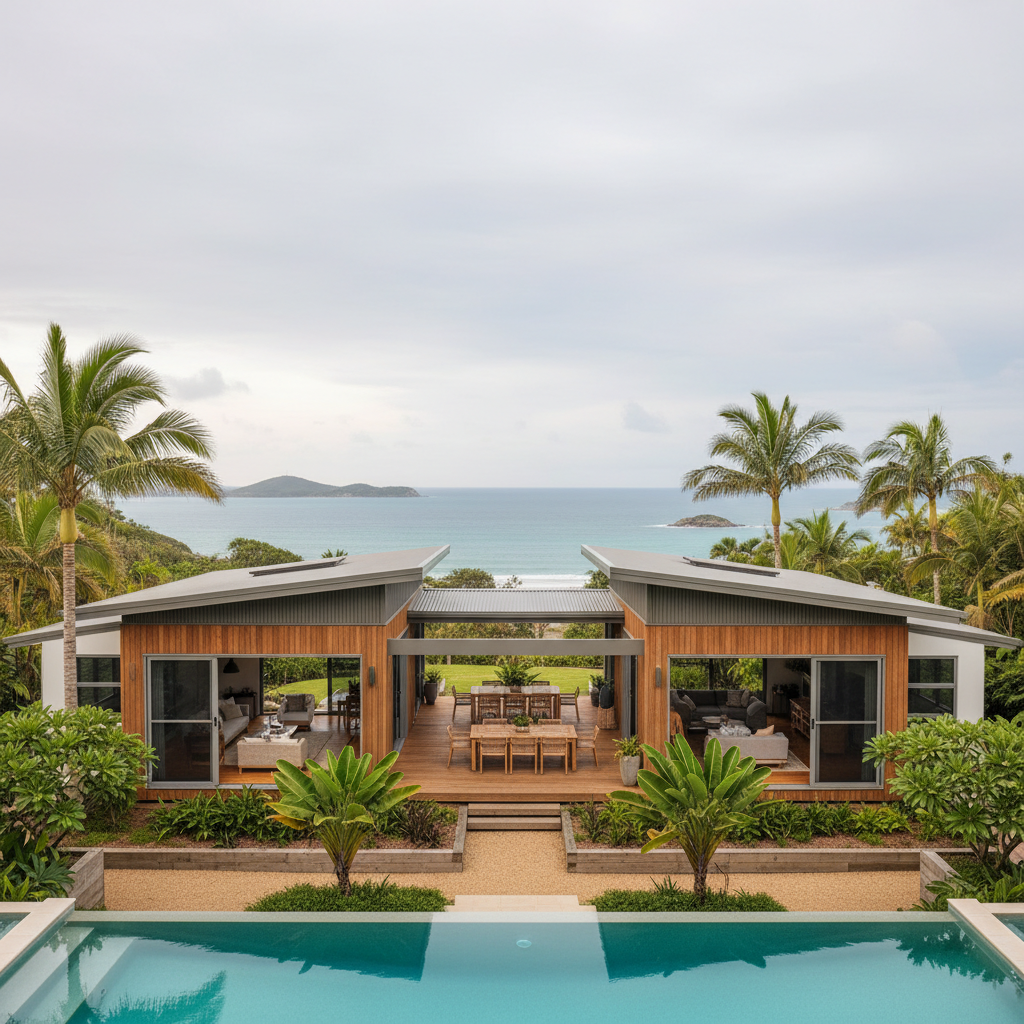
Last Tuesday night at 11pm, there you were again. Pinching and zooming on floor plans while the kettle boiled for the third time, wondering how the hell you're going to fit your ageing parents and a teenager who plays drums into one house without someone ending up in the shed. It is the modern Australian dilemma. The quarter-acre dream has shifted, and now we are seeing households balloon as kids stay home longer and we bring nan and pop into the fold to avoid the heartbreak of nursing homes.
I have spent 15 years in the kit home industry and I reckon the biggest shift I have seen is moving away from the basic three-bed, two-bath box. People want flexibility now. They want zones. If you are looking at a kit home for a multi-gen setup, you have to think about more than just adding an extra bedroom. You have to think about sound, privacy, and how people move through a kitchen at 7am when three different generations are trying to make toast at the same time.
The Myth of the Open Plan
For twenty years, architects told us open plan was the only way to live. They were wrong. Total open plan is a nightmare if you have three generations under one roof. It is loud. It is messy. It offers zero escape. When you are looking at kit home designs like our larger four or five-bedroom layouts, look for what I call the airlock. This is a hallway or a secondary living space that physically separates the master wing from the rest of the house. Because sometimes you just need to close a door and pretend no one else exists.
Consider the placement of the secondary lounge. If it is right up against Grandma's bedroom wall, she is going to hear every explosion in the latest Marvel movie. You want a buffer. A laundry, a bathroom, or even a walk-in-robe can act as a massive acoustic dampener between living zones and sleeping zones. It's a simple layout trick that saves a lot of arguments later on.
Kitchens and Sanity
Two kitchens is the dream, but it's not always allowed by your local council depending on your zoning. Most councils in NSW or QLD get a bit twitchy if you put two full kitchens in one dwelling because they think you're building an illegal flat. But a scullery or a large walk-in pantry with a second sink and a spot for the kettle? That is a winner. It lets the older generation make their tea and toast without getting under the feet of the kids making school lunches. Plus, it keeps the main bench clear for when you actually have everyone gathered for a Sunday roast.
Height matters too. If you are building for seniors, standard 900mm benches are fine, but think about drawer storage instead of cupboards. Bending down to find a heavy cast iron pot at the back of a dark cupboard is a recipe for a blown-back. We always tell owner-builders to spec deep drawers for everything. It is a bit more expensive for the joinery, but your spine will thank you in ten years.
The Steel Frame Advantage in Coastal Zones
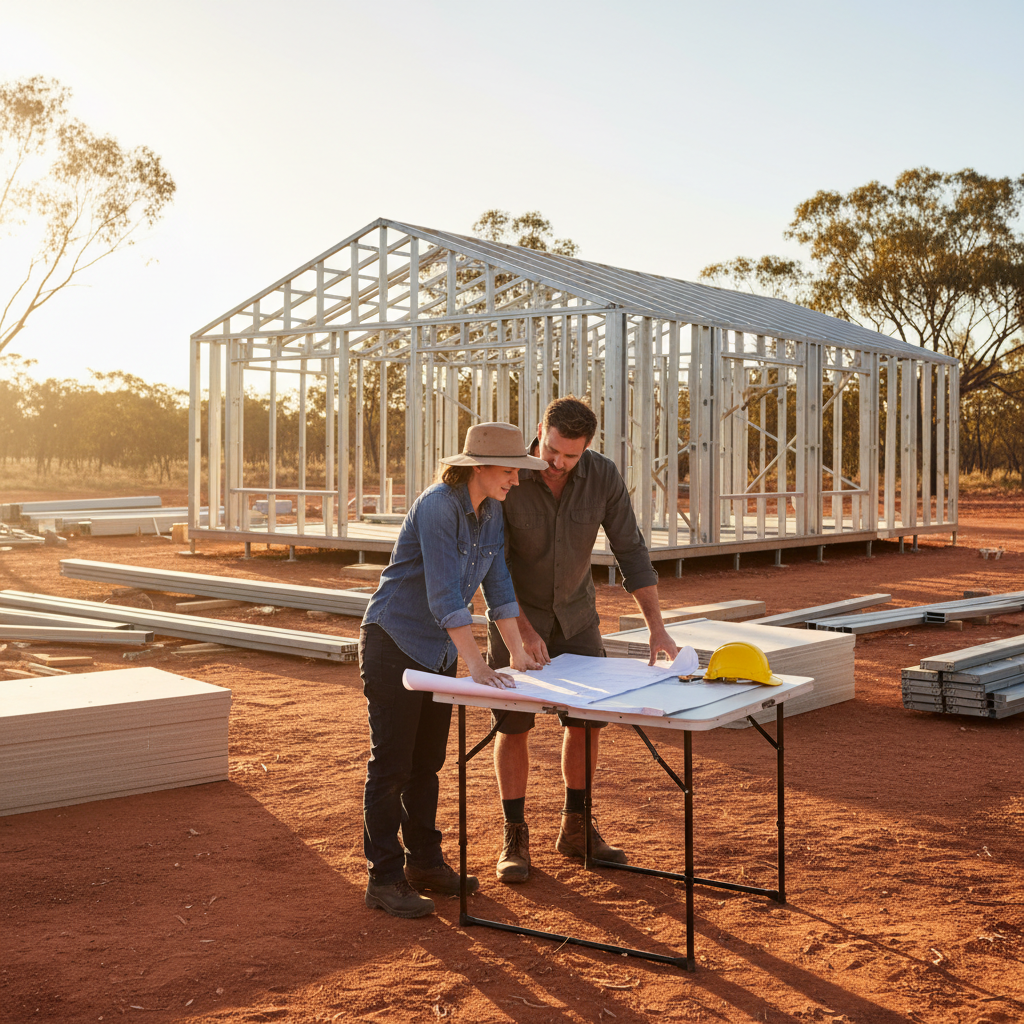
A lot of our kit homes end up in coastal spots or rural blocks where termites are basically a localized plague. We use BlueScope TRUECORE steel frames for a reason. They stay straight and true, which is a big deal when you are an owner-builder doing your own lining. If you use green timber that warps and bows six months after you've moved in, you'll see every crack in the plasterboard. Steel doesn't do that. It gives you a dead-straight finish that makes your DIY paint job look like a pro did it.
And let's talk about pests. Termites love the soft cellulose in traditional framing. While they can still get into your skirting boards or furniture, they won't eat the bones of your house. For a multi-generational home that you might want to hand down to those kids currently raiding the fridge, that longevity is a huge factor. It is one less thing to worry about while you are managing the site works and trades.
Practical Tips for the Owner Builder
- Check your slab levels: If you are building for elderly family, talk to your concreter about a flush threshold. Tripping over a 20mm sliding door track is dangerous. You want that indoor-outdoor flow to be actually level.
- Noggins are your friend: Before you sheet the walls, chuck some extra timber noggins in the bathroom walls where you might eventually need grab rails. It is a five-minute job now; it is a massive headache once the tiles are up.
- Wider hallways: Standard is 900mm. Go for 1200mm if the floor plan allows. It makes the house feel like a mansion and easily fits a wheelchair or a walker if things take a turn down the road.
- Power points: Double what you think you need. Then add two more. Every generation has 500 things to charge.
Privacy is the Great Enabler
We had a bloke in Gympie who built a modified version of a large kit home. He didn't just stick to the plan. He extended the verandah so that the 'granny flat' end of the house had its own private deck access. It meant his parents could come and go, have their morning coffee in the sun, and see the grandkids only when they felt like it. Real multi-generational success is about having the choice to be together, not being forced into it 24/7.
Think about the entry points. If everyone has to funnel through one front door, you're going to have a pile of shoes and bags that will make you want to scream. A secondary entrance through the laundry or a side door gives people autonomy. It sounds small, but that independence is what keeps the peace when you have seven people living under one roof.
Managing the Build Without Losing Your Cool
Being an owner-builder is a slog. I won't sugarcoat it. You're the one on the phone to the plumber when he doesn't show up on a Monday morning. You're the one checking the delivery of the windows from the kit to make sure nothing was dinged in transit. When you're building for family, the pressure is even higher because they're likely watching the progress from the sidelines.
My advice? Schedule a buffer. If the kit supplier says the frames will be there on the 10th, don't book the roofers for the 11th. Give it a week. Rain happens. Trucks get flat tyres. The council inspector might be having a bad day and knock you back on a minor tie-down detail. Building a kit home is a marathon, not a sprint. Focus on getting the envelope of the house sealed—roof on, windows in, doors locked. Once you're lock-up stage, the stress levels drop significantly because the weather can't ruin your weekend's work on the insulation.
The Australian kit home market has moved on from the days of cheap shacks. With steel frames, high-spec insulation, and modern cladding options, you end up with a high-performance home that looks exactly like a traditional build but costs you way less in labor because you're the one steering the ship. So get the kettle on, grab those plans, and start looking at how you can carve out a bit of space for everyone. It's an investment in your family's sanity, and that's worth every bit of the sweat equity you'll put in.