Aussies are staying home longer. Or they are moving back. Or the grandparents are moving in because the cost of aged care is a joke and they want to see the grandkids more than once a month. I've spent fifteen years looking at floor plans and talking to owner-builders, and the biggest shift I've seen lately isn't in the colors people pick for their cladding. It's how they are cramming three generations into one house without ending up on the evening news. We're talking about the sandwich generation. People in their 40s or 50s looking after teenagers and their own parents at the same time. It's a lot. And your standard four-bed, two-bath suburban box usually isn't up to the task.
The Zoned Living Logic
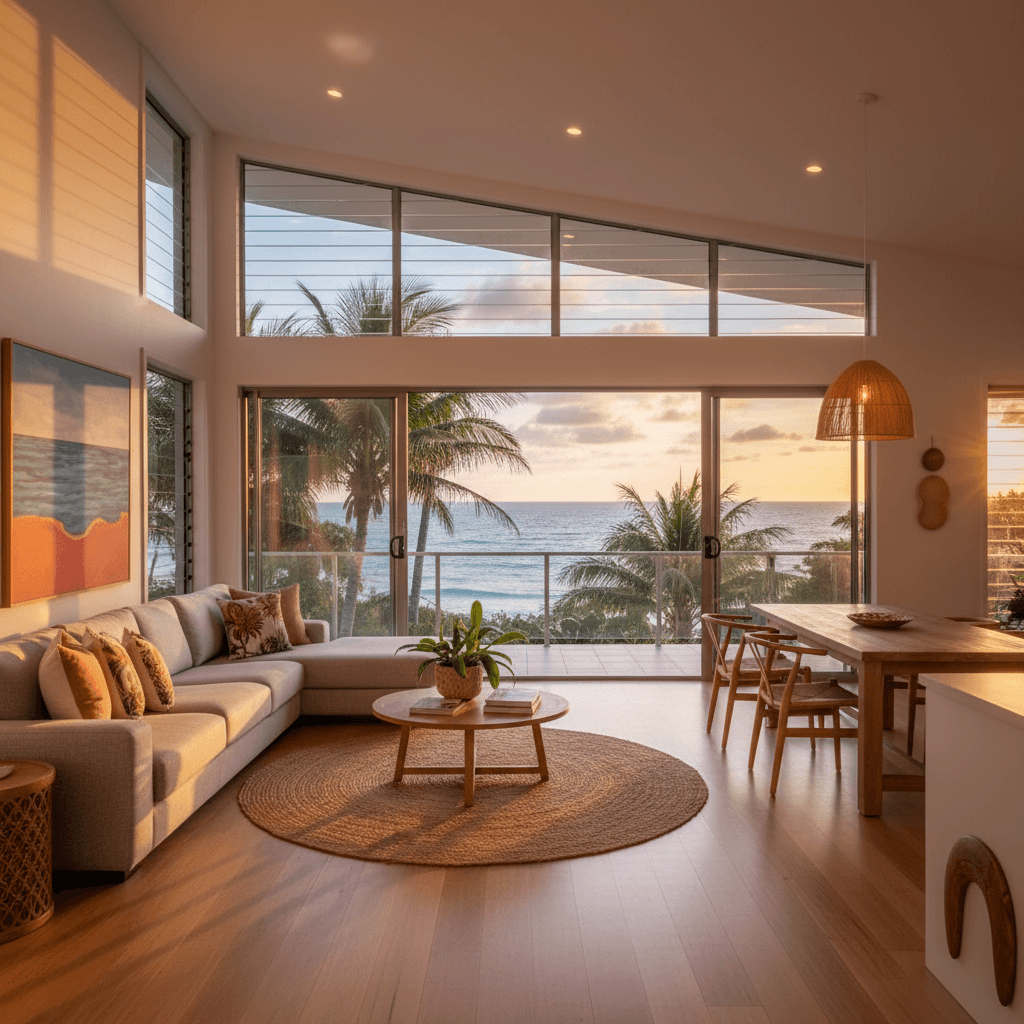
If you put everyone's bedrooms in one long hallway, you're going to have dramas. Someone will be watching the cricket at 11pm while someone else is trying to sleep for an early shift, and the walls will feel like they're closing in. When I look at kit home designs for big families, I always tell people to think in zones. Separate the wings. Put a shared living area in the middle, sure, but give the different generations their own retreat.
And it's not just about bedrooms. It's about the 'messy' areas. Think about the laundry. If you've got six adults in a house, one laundry is going to be a constant battlefield of wet towels and lost socks. So, maybe you look at a floor plan that allows for a larger utility room or even a second, smaller laundry setup. It sounds like overkill until you're three weeks into living together and you're fighting over the dryer at 9pm on a Sunday.
The Dual-Key Concept
One trick that works well with kit homes is the dual-key approach. You aren't building two separate houses, but you're designing one house that can act like two. One side has the main kitchen, the big lounge, and a few bedrooms. The other side, connected by a shared foyer or a breezeway, has a kitchenette, a small sitting room, and a master suite. This is perfect for elderly parents. They get their own front door. They get to make their own tea without tripping over your dog. But you're right there if they need a hand with a heavy jar or if they've had a fall. Plus, it's a massive bonus for the resale value later on.
Steel Frames and Open Spans
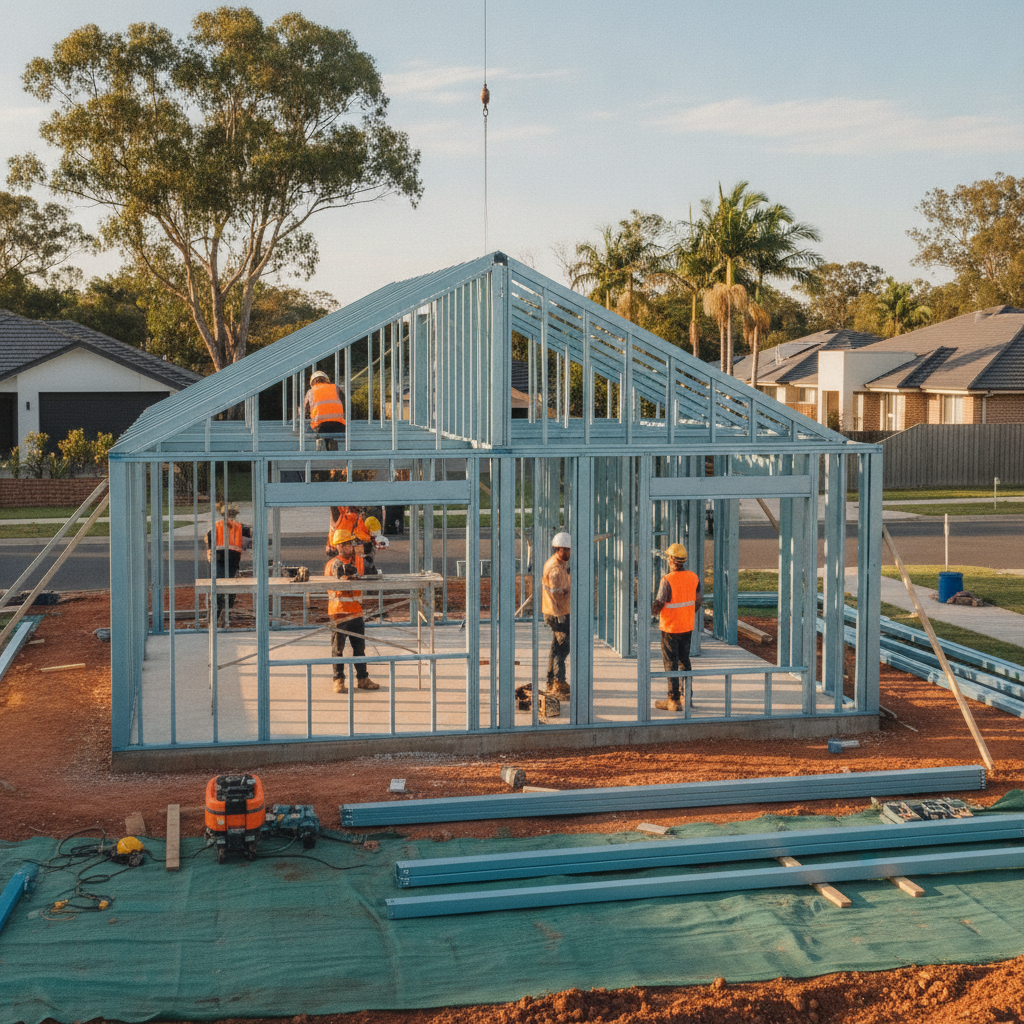
Now, I'm a fan of steel for a few reasons, but mostly because it doesn't warp and the termites won't touch it. When you're building a multi-gen home, you often want big, open communal spaces where everyone can gather for Christmas or Sunday lunch. Steel frames, specifically the BlueScope TRUECORE stuff we use, allow for wider spans without needing a forest of internal load-bearing walls. This gives you a lot more flexibility with the layout.
Because the steel is precision-engineered, the walls are straight. Your sparky and your chippy will thank you when it comes time for the fit-out. If you're an owner-builder doing your own tiling or cabinetry, you'll really appreciate those dead-straight lines. There is nothing worse than trying to level up a vanity against a wall that bows like a banana because the timber sat out in the rain for too long.
But there is a trade-off. If you want to hang a heavy TV or some floating shelves for Nan's porcelain collection, you need to think about your noggins early. You can't just drive a screw anywhere like you might with timber. You need to plan your fixing points or use the right tech screws and brackets. It's a small bit of homework that saves a massive headache during the fit-out phase.
Designing for Accessibility
You might be fit as a mallee bull right now, but your parents might not be. And you won't be forever, either. Designing a kit home for multi-generational living means thinking about 'aging in place'. This isn't just about ramps. It's about wider doorways. Aim for 920mm doors instead of the standard 820mm. It makes a world of difference for a walker or a wheelchair, or even just for moving furniture in without scuffing the paint.
And let's talk about the bathroom. Hobless showers are a must. No one wants to be stepping over a 100mm lip with a bad hip. Set the slab lower in the wet areas so the tiles can run flush from the bedroom right into the shower. It looks better, it's easier to clean, and it's safer for everyone from toddlers to great-grandparents. While you're at it, put some extra blocking in the walls behind the toilet and in the shower. Even if you don't need grab rails today, you'll be glad the support is there when you do. Trying to retrofit those into a finished wall is a nightmare you don't want.
The Owner-Builder Reality Check
If you're taking this on as an owner-builder, you've got a lot on your plate. You're the project manager. You're the one chasing the plumber who hasn't shown up. When you're building a larger, multi-gen home, the complexity goes up. You've got more circuits for the sparky to pull, more plumbing points, and more decisions to make.
Council DAs (Development Applications) can be a bit of a slog too. Some councils are great with 'secondary dwellings' or 'ancillary accommodation', while others act like you're trying to build a skyscraper in a cul-de-sac. Before you fall in love with a 5-bedroom kit design, go talk to a private certifier or your local council duty planner. Ask them about the floor space ratio (FSR) and the rules for multi-generational setups in your specific zone. Don't assume you can just chuck a second kitchen in and call it a day. Some councils have strict rules about what constitutes a separate domicile.
Acoustics and Privacy
Privacy isn't just about what you see. It's about what you hear. If the teenager's bedroom shares a wall with the grandparents' lounge, you're going to have friction. I always recommend spending the extra few bucks on high-quality acoustic batts in the internal walls. Standard thermal insulation is great for the outer shell, but for internal walls, you want density.
And think about the floor. If you're building a two-storey kit home, the sound of boots on a floor upstairs will drive the people downstairs mental. Use thick underlay. Maybe even consider a solid sub-floor system. It's these little details that turn a kit of parts into a home that actually works for a big, noisy family.
The Outdoor Connection
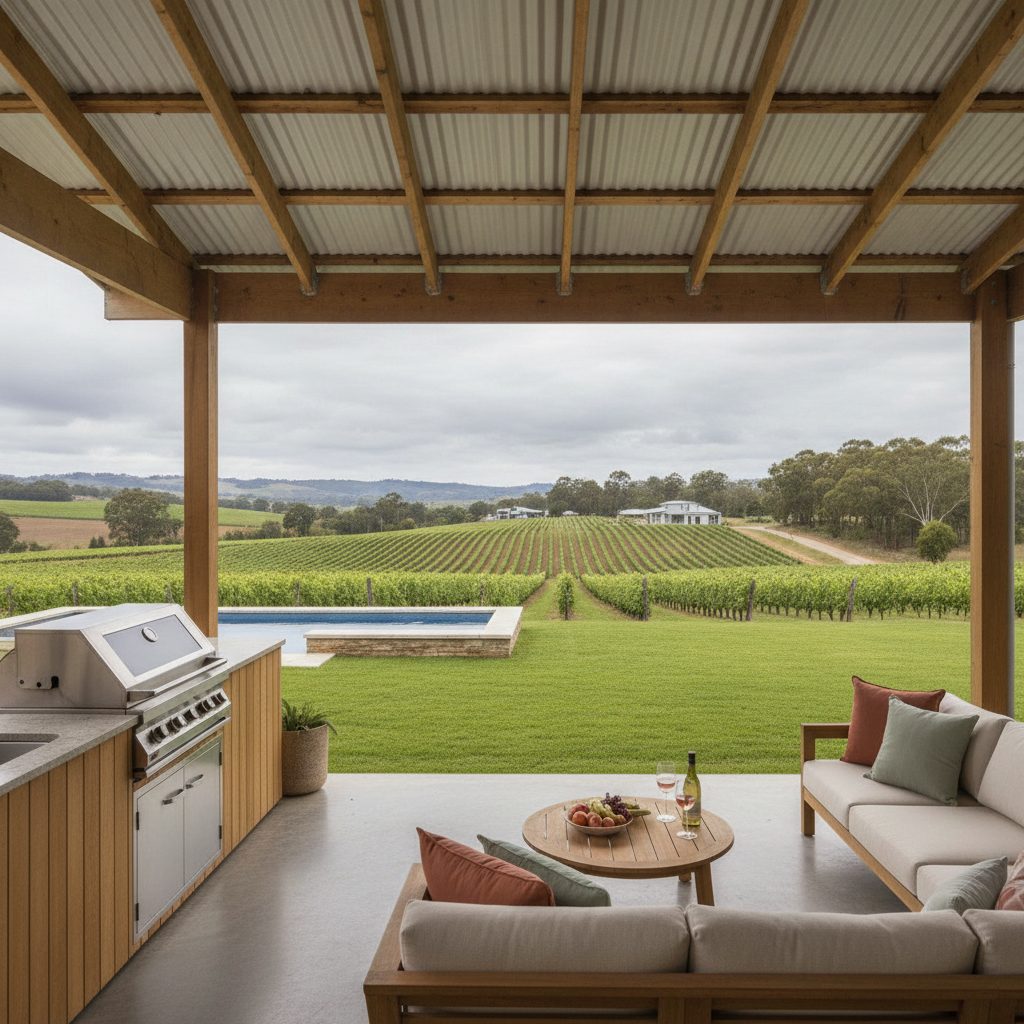
When you have a lot of people under one roof, the outdoor space becomes your pressure valve. Don't just stick a sliding door in the back and hope for the best. Design your kit home to wrap around a central deck or a courtyard. This gives everyone a place to escape to. If Nan wants to sit in the sun with her book while the kids are playing video games in the rumpus room, she needs a spot that feels separate but safe.
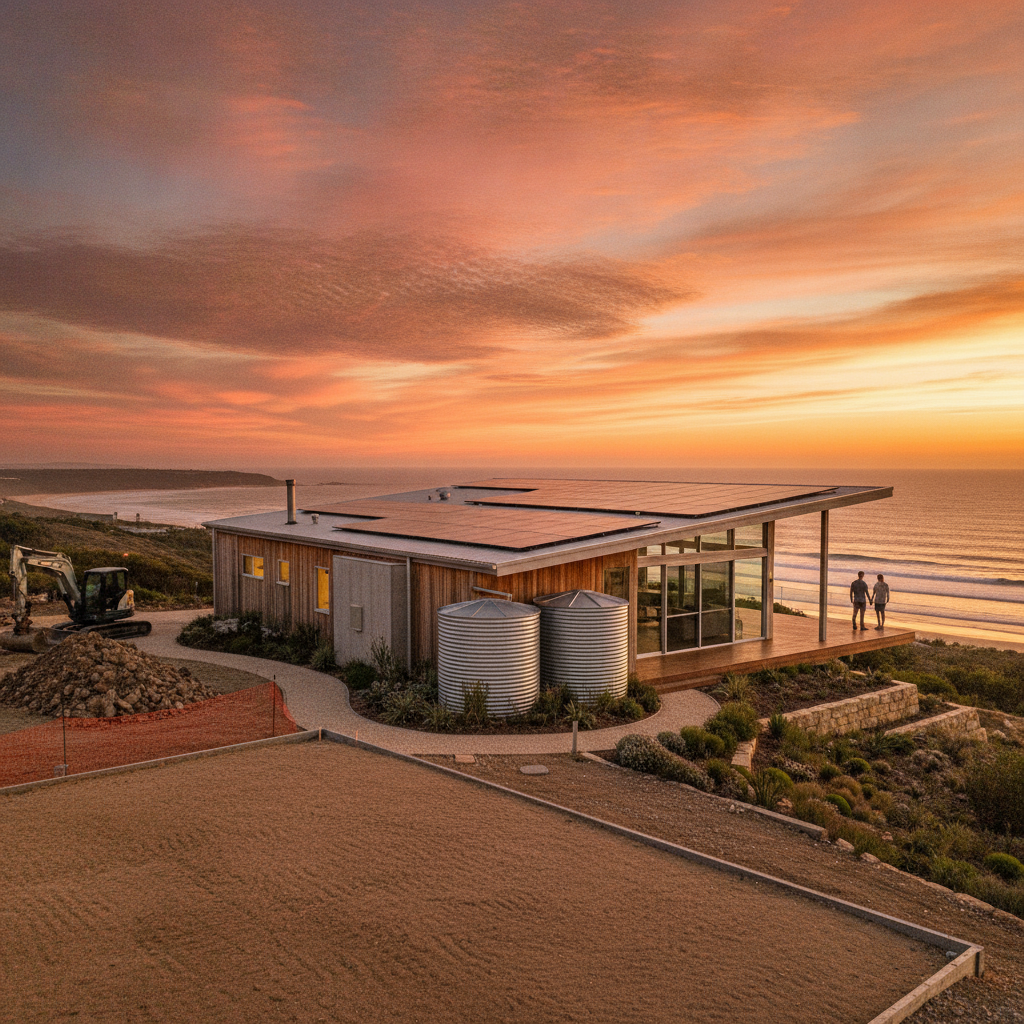
For those of us in fire-prone areas, keep your BAL (Bushfire Attack Level) rating in mind when picking your kit. Using steel frames and non-combustible cladding is a great start. If you're at BAL-29 or BAL-40, your window choices and decking materials are going to be restricted. It's better to suss this out at the design stage than to get a shock when the BAL assessment comes back.
The Kitchen Heartbeat
In a multi-gen home, the kitchen is where the most heat is generated, literally and metaphorically. If you have two people trying to cook different meals at the same time, a narrow galley kitchen is a disaster. You want an island bench. You want space for people to pass each other without a collision.
I've seen some clever owner-builders put a small 'butler's pantry' in their kit home that actually functions as a secondary prep area. It's got a small sink, a microwave, and some bench space. This allows the grandparents to make a light meal or a coffee without getting in the way of the main dinner rush. It keeps the peace. And in a house with three generations, peace is the most valuable thing you can build.
Building a home this way is a massive undertaking. It's more than just putting up walls and a roof. It's about understanding how your family actually lives, how you're going to grow, and what happens when the kids eventually (hopefully) move out. A kit home gives you the bones to make it happen on your terms. You're the one in the driver's seat. Just make sure you've got a good set of plans, a solid slab, and enough sense to put a few extra doors between you and the out-laws.