Stop Thinking About the House and Start Looking at the Dirt
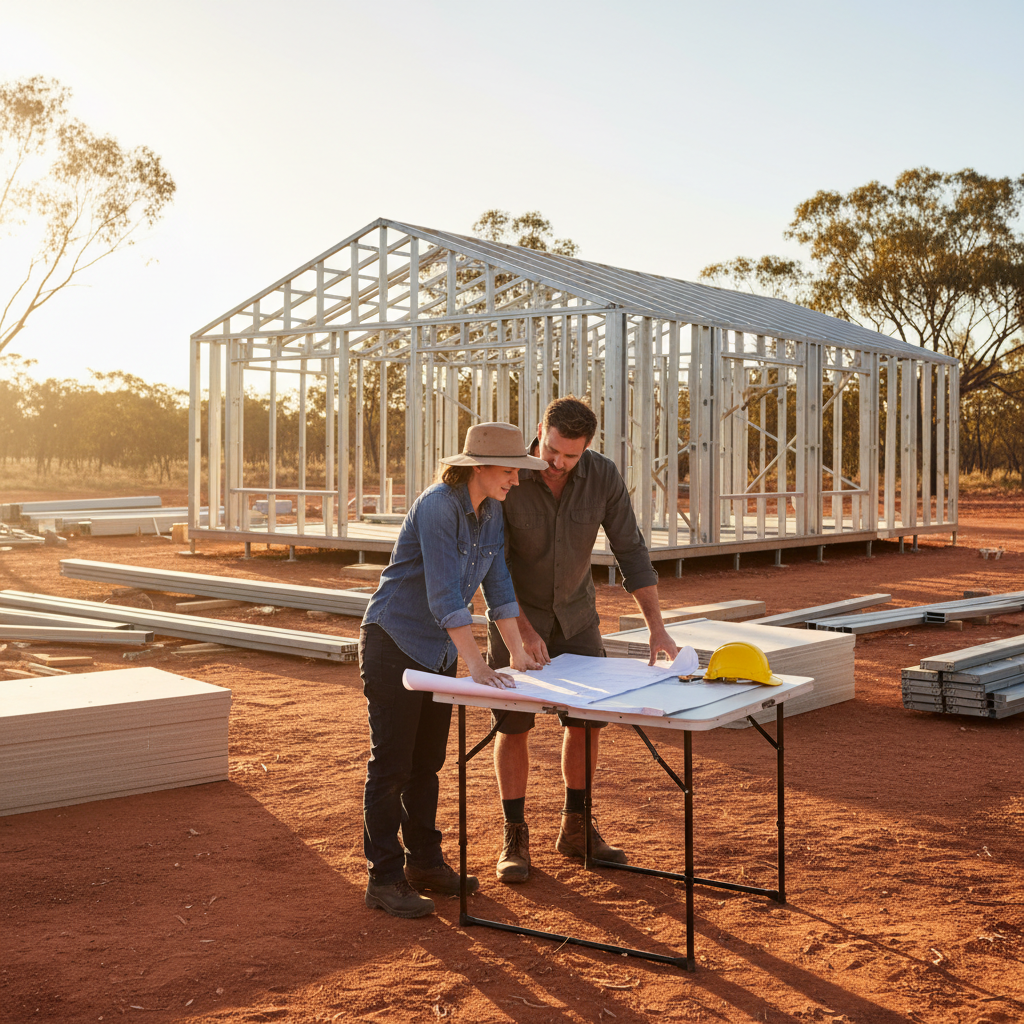
Most blokes and site managers I talk to spend six months obsessing over floor plans and then treat the yard as an afterthought once the skip bin gets picked up. That's a mistake. If you want your new place to look like a proper architectural masterpiece rather than a metal box dropped from a crane in the middle of a paddock, you need to get your hands dirty early. I'm talking about the marriage between your TRUECORE steel frame and the actual soil it sits on. Because let's be honest, a kit home only looks as good as the ground it's anchored to.
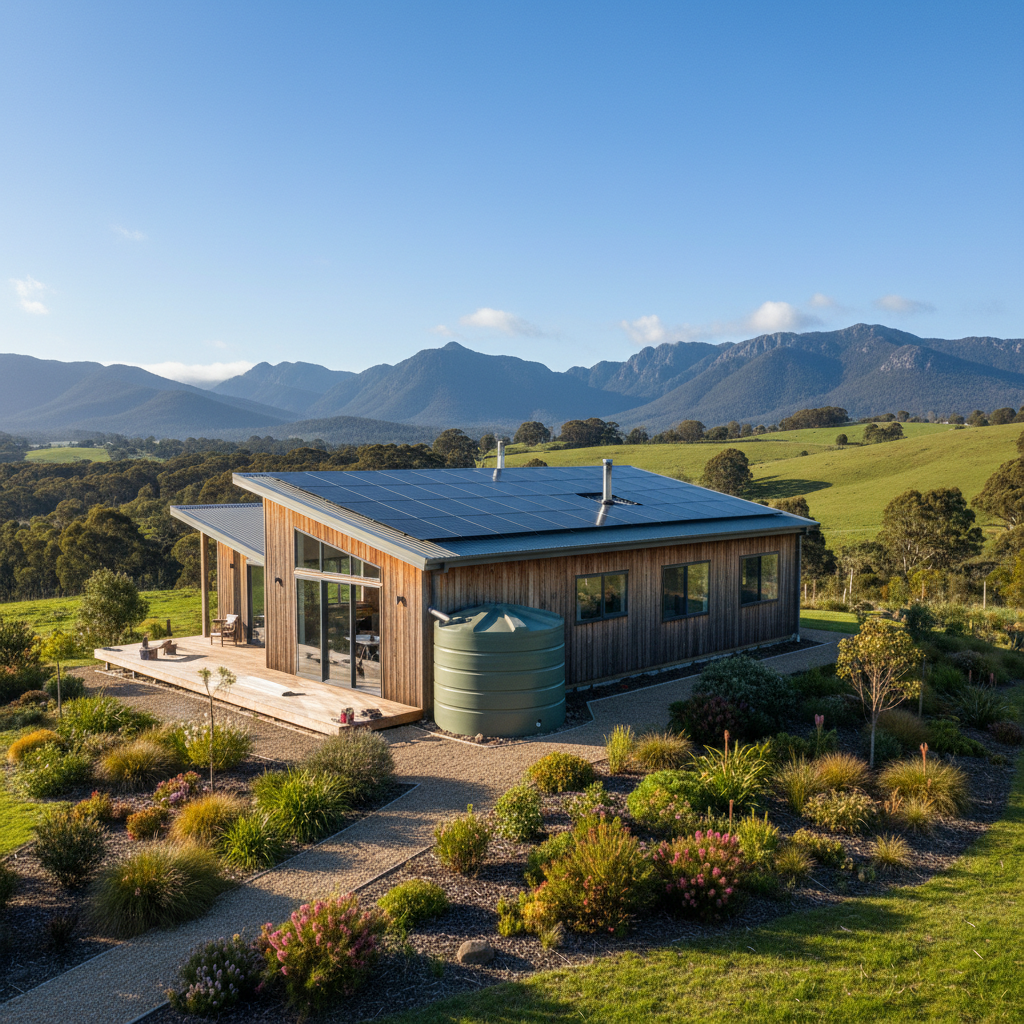
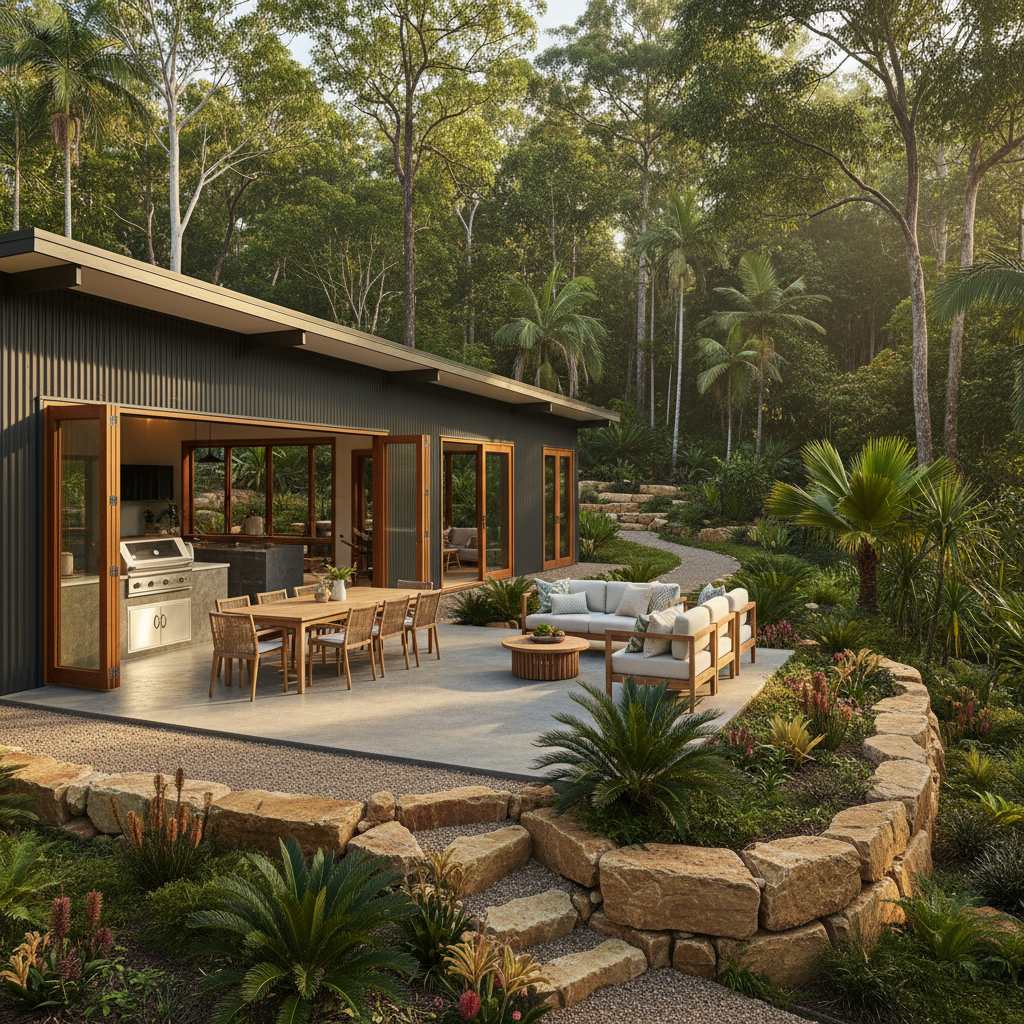
Building with steel gives you a massive advantage with precision. Everything is square. Everything is straight. But nature isn't square. Nature is messy, sloped, and occasionally tries to reclaim your driveway during a February downpour. The trick is using that crisp, modern line of your BlueScope steel cladding to contrast against some rugged, textured greenery. It's about balance. You've got the industrial strength of the house, so you need the softness of the bush to make it feel like a home.
The Slab Edge Struggle
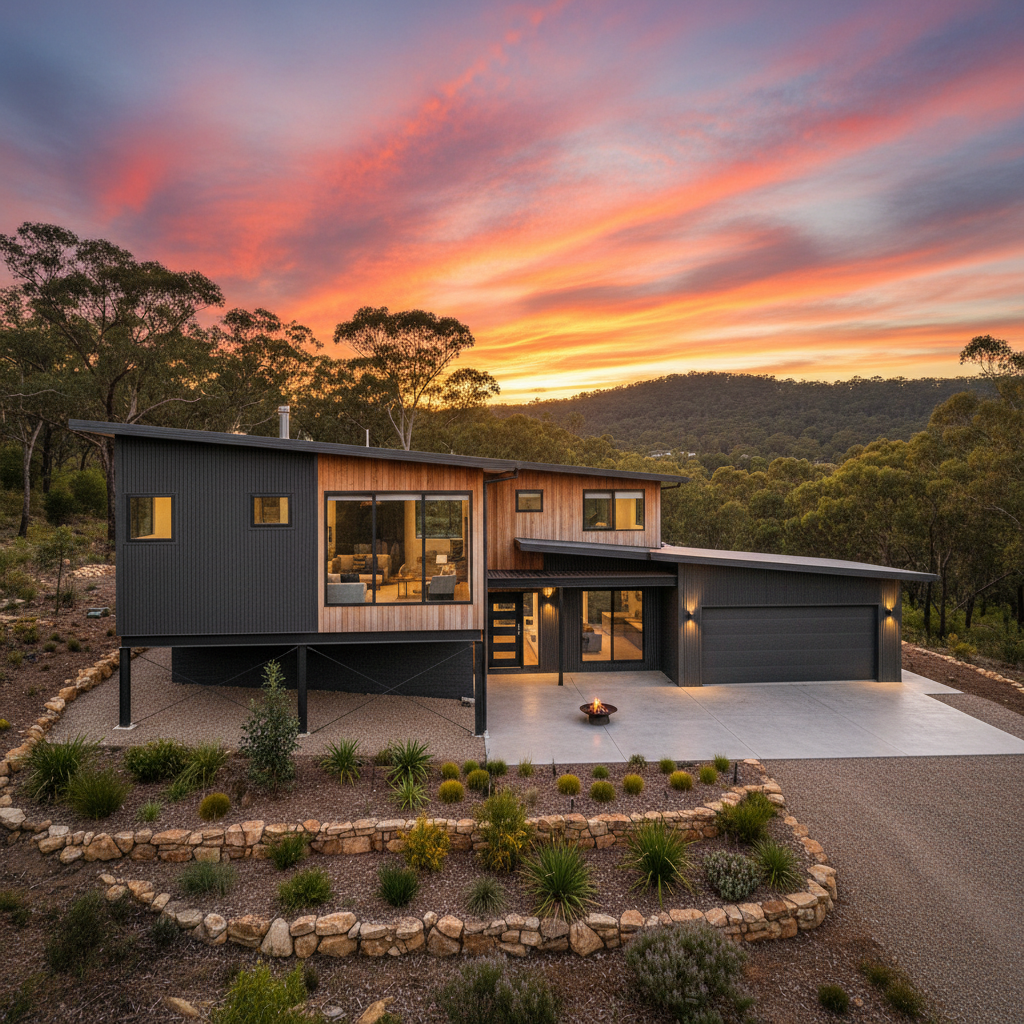
One of the biggest giveaways of a DIY job is a big, ugly concrete slab edge staring you in the face. It looks raw. It looks unfinished. When you're an owner builder, you've got to plan your finished ground levels so you're not seeing 300mm of grey concrete hanging out of the ground like a sore thumb. But you can't just pile dirt up against the walls either. That's how you end up with moisture issues and breach your termite inspection zones.
I reckon the best way to handle this is with raised planters or floating decks. If you've gone for a design with a wide verandah, run some timber decking right up to the edge. It bridges the gap between the rigid steel structure and the garden. If you're on a flat slab, use blue stone pitchers or old railway sleepers (the non-creosote ones, obviously) to create a tiered transition. It breaks up the height. It makes the house look tucked in.
Steel Frames and Your Garden Layout
Since your kit comes with those dead-straight steel wall frames, you've got certain fixed points like sliding door tracks and window heights that dictate your views. Don't just plant a hedge that's going to grow 3 metres tall and block your natural light in two years. You've spent money on those double-glazed windows for a reason. Use them as frames for the garden. I've seen guys in Victoria use tall, thin Kangaroo Paws (Anigozanthos) right outside a floor-to-ceiling window. It creates this amazing screen that moves in the wind but doesn't block the sun. Plus, the red and green pops against a Colorbond wall like you wouldn't believe.
And because steel frames don't warp or twist like timber, you can trust your window placements to stay millimetre-perfect for decades. That means you can design your hardscaping around those sightlines with total confidence. No sagging lintels changing the view five years down the track. It's solid.
Drainage is Not Optional
I've seen more owner-builder gardens ruined by bad drainage than by bad plants. When you've got a massive roof area catching water, it all has to go somewhere. If your site has even a slight slope toward the house, you're looking at a world of pain. Talk to your plumber about agricultural pipe (aggie pipe) and French drains before you start planting your Grevilleas.
You want to divert water away from the slab. Steel is tough, but standing water is nobody's friend. Dig a trench, throw in some 20mm blue metal rock, lay your pipe, and cover it back up. It’s a Saturday’s worth of work that saves your garden from becoming a swamp. If you want to get fancy, turn your drainage line into a dry creek bed feature. Use river stones of different sizes and a couple of larger bush rocks. It looks intentional. It looks designed. But it's actually just a clever way to keep your feet dry when you're walking to the car in the rain.
Choosing Your Palette: Cladding vs. Leaf
Most kit homes we send out have a specific Colorbond colour leaf. Whether it's Deep Ocean, Woodland Grey, or something lighter like Surfmist, your plants need to play nice with those tones. If you've gone for dark walls, silver-leafed plants like Westringia (Aussie Box) look incredible. They shimmer against the dark steel. If your house is a lighter shade, go for deep green foliage like Water Gums or even some structural succulents like Agave if you're in a drier spot.
Don't fall into the trap of buying whatever is on sale at the big hardware store on Sunday morning. Think about the BAL (Bushfire Attack Level) rating of your site too. In many parts of Australia, you can't have thick, oily plants right against the house. Stick to low-flammability natives. Things like Saltbush or Myoporum. They're hardy as nails and they won't put your house at risk if things get hairy in summer. Plus, they don't need much water once they're established. You're building a kit home for a simpler lifestyle, not to spend every weekend with a hose in your hand.
The Practical Stuff for Owner Builders
When you're managing the build yourself, the outdoor stuff usually happens right at the end when the budget is tight and you're tired of talking to trades. But here's a tip: get your heavy earthmoving done while the excavator is already there for the slab or the septic. Ask the operator to spend an extra three hours benching out your garden beds or clearing that spot for the fire pit. It’ll cost you a few hundred bucks now, but it’ll save you a week of back-breaking shovel work later.
Also, think about your outdoor power and water. While the sparky is wiring up your steel frames, get them to run a couple of external GPOs (power points) and maybe some low-voltage cable for garden lights. It’s five times harder to do once the cladding is on and the insulation is packed in. Do it while the frames are bare. You’ll thank yourself when you’re sitting on the deck under some nice festoon lights instead of tripping over extension leads in the dark.
Technical Realities of Steel and Soil
One thing people forget is that steel is an excellent conductor. That’s great for the engineering side of things, but it means you need to be mindful of heat reflection. A big north-facing wall of steel cladding can get bloody hot in the afternoon. If you plant something too delicate right against it, you’ll cook it. Use that thermal mass. Plant a deciduous tree a few metres back—something like a Crepe Myrtle. It’ll shade the wall in summer when you need it, then drop its leaves in winter to let the sun hit that steel and help warm the house up. It’s passive solar design 101, but it works.
Always keep your weep holes clear too. Your kit home is designed to breathe and drain moisture. If you get over-excited with the mulch and bury the bottom of your wall sheets, you’re asking for trouble. Keep a clear 75mm gap between your mulch and the bottom of your cladding. It’s an Australian Standard for a reason. It keeps the bugs out and the air flowing.
Building a kit home is a massive achievement. It’s a lot of work, a lot of stress, and a lot of pride. But don't stop at the front door. The way you frame that house with your landscaping is what turns a construction project into a property that people stop and stare at when they drive past. It doesn't have to be a botanical garden. Just make it look like it belongs there.