Building Success Through Clear Communication
Stepping into the role of an owner builder is an exciting way to take control of your housing future. It allows you to be deeply involved in every decision, from the initial site selection to the final coat of paint. When you choose a kit home, you're starting with a high quality structural foundation, often featuring BlueScope Steel TRUECORE frames. These frames provide a straight and true base for everything else that follows. However, once the components arrive, the real work of project management begins. You aren't just a homeowner anymore; you're the coordinator, the point of contact, and the primary communicator for every person who steps onto your block.
Effective communication is the heartbeat of any successful construction project. Without it, mistakes happen, timelines slip, and the building experience can become stressful. For an owner builder, being able to speak the language of trades and suppliers is vital. You don't need to be a qualified carpenter or plumber yourself, but you do need to understand how to provide instructions and listen to feedback. This helps you maintain a positive site culture and ensures that your steel frame home is built to the highest standard.
The First Conversation: Setting the Standard
Your relationship with a trade starts long before they pick up a tool. It begins with the first phone call or email. When you're reaching out to sparkies, chippies, or brickies, be clear about the nature of the project. Explain that you are an owner builder and that you're using a kit home system. Mentioning that the home features steel frames made from TRUECORE steel is a great way to let them know what they'll be working with. Some trades have specific tools or techniques for steel, so giving them this information early helps them prepare their quotes accurately.
During these initial discussions, ask them about their experience with kit homes. While the building principles are largely the same as traditional construction, a tradesperson who understands the logic of a kit can often work more efficiently. Be honest about your expectations for the timeline and the quality of finish. It's better to find out early if a trade isn't the right fit for your project style. Establishing a professional, respectful tone from the very beginning sets a standard that carries through to the final inspection.
Managing Deliveries and Supplier Relations
As an owner builder, you'll be dealing with various suppliers for your site works, concrete slab, and the kit itself. The kit usually includes the frames, roofing, cladding, windows, doors, and insulation. Coordinating these arrivals requires careful planning. You'll need to ensure there's clear access for delivery trucks and a safe, flat area to store materials. Because kit homes are delivered in stages or as a complete package, you must be ready to receive and secure these items immediately.
When talking to suppliers, always confirm lead times. Building in Australia involves various factors like weather and logistics that can impact delivery dates. Maintain a regular check-in schedule. A quick phone call a week before a scheduled delivery can save a lot of trouble if there have been any changes. When the materials arrive, take the time to check the delivery docket against what has actually landed on your site. If there's a discrepancy, report it immediately. Suppliers appreciate owner builders who are organised and prompt with their feedback, as it makes their job much easier.
Working with Steel Frames: Tips for Your Trades
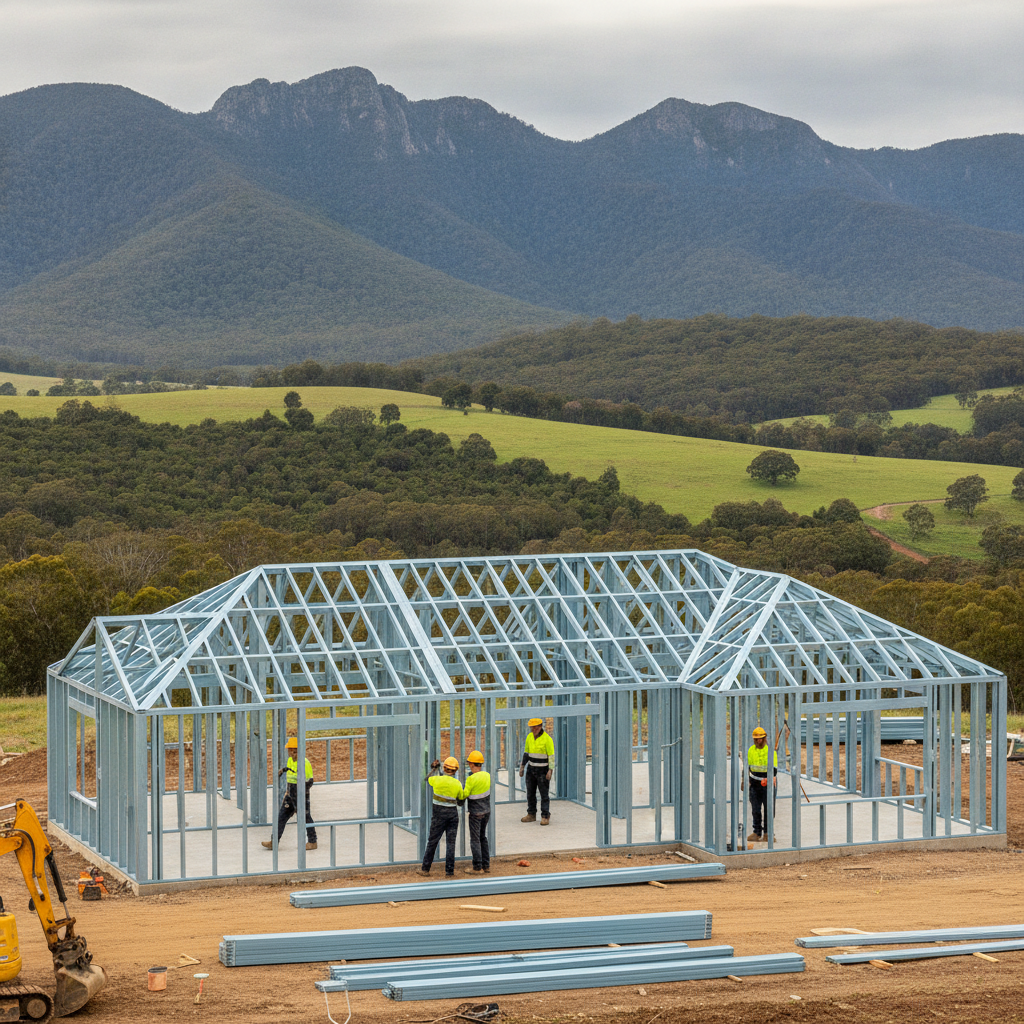
One of the great advantages of a kit home using TRUECORE steel is the precision of the manufacturing. The frames are light, easy to handle, and won't twist or warp. However, if your trades are more accustomed to timber, they might appreciate a quick run-through of the steel frame details. For example, electricians and plumbers should know that the frames often come with pre-punched holes for services. This means they won't need to spend as much time drilling through studs, which is a major benefit for them.
When talking to your carpenter or plasterer, point out the consistency of the steel. Because the frames are straight, the finished walls will be remarkably flat. This makes the job of fixing linings much simpler. It's these small details that, when communicated correctly, help your trades feel confident on site. They'll appreciate that you've chosen a system that supports their craftsmanship. Providing them with the manufacturer's installation guides is also a smart move. These documents contain technical specifications that answer many common questions before they even need to ask you.
The Power of the Site Meeting
Nothing beats face-to-face communication. Regular site meetings are the best way to keep everyone on the same page. You don't need to hold a formal board meeting, but a ten-minute chat at the start of a new phase of work can prevent hours of rework later. Use these meetings to walk through the plans together. Even though the kit comes with detailed layouts for the windows, doors, and roofing, seeing it in the physical space helps trades visualise their specific tasks.
During these meetings, encourage your trades to ask questions. They are the experts in their fields, and they might spot a potential issue before it becomes a problem. For instance, a plumber might suggest a better way to route a pipe that saves space in a particular room. By fostering an environment where trades feel comfortable sharing their expertise, you're improving the overall quality of your home. Always follow up these verbal discussions with a quick email or text message to confirm what was agreed upon. Having a written record is a fundamental part of good project management.
Handling Delays and Challenges
No build is perfectly smooth from start to finish. Weather, material shortages, or simple human error can lead to delays. The way you handle these situations will define your experience as an owner builder. If a supplier tells you that your cladding is going to be three days late, notify your trades immediately. They have other jobs on the go, and they'll appreciate the heads-up so they can adjust their own schedules. Being proactive rather than reactive builds trust.
If a conflict arises or if a trade isn't meeting the expected standard, address it calmly and privately. Refer back to the plans and the original agreement. Usually, issues stem from a simple misunderstanding rather than a lack of skill. By staying professional and focused on the solution, you can keep the project moving forward without unnecessary tension. Remember that you're all working towards the same goal: a beautiful, well-constructed home.
Documentation: Your Communication Safety Net
As an owner builder, your paperwork is just as important as your power tools. Keep a dedicated folder for all your kit home documents, including the frame layouts and specifications for roofing and windows. When a trade has a question about where a specific door should be hung or how the insulation should be fitted, you should be able to produce the answer quickly. This shows that you're on top of the project and respect their time.
Taking photos of the site at every stage is another excellent communication tool. Before the wall linings go up, take pictures of the plumbing and electrical runs within the steel frames. These photos are incredibly useful for future reference and can help if there's ever a question about where services are located. Sharing these photos with your trades can also help them see what has been done by previous teams, ensuring a smoother transition between different stages of the build.
Creating a Positive Site Environment
Finally, never underestimate the value of a positive site culture. Construction is hard work, and a little bit of hospitality goes a long way. Providing a clean site, access to water, and a safe place to work makes a huge difference in how trades view your project. When people enjoy coming to your site, they're more likely to put in their best effort and communicate more openly with you. You're building more than just a house; you're building a reputation as a competent and fair owner builder. By focusing on clear, respectful, and organised communication, you'll find that your kit home project becomes a rewarding and successful experience.