The Science of Natural Cooling in Your New Home
When you embark on the journey of building a kit home in Australia, your focus is often on the floor plan, the choice of cladding, or the durability of the steel frame. However, one of the most critical decisions you will make during the design phase occurs at the intersection of architecture and physics: window placement. In our harsh Australian climate, a well-designed home should act as a living system that breathes, purging heat and inviting in the cool change without relying solely on expensive air conditioning.
For the owner builder, understanding the mechanics of cross-ventilation is a superpower. It allows you to create a home that is not only more sustainable but also significantly more comfortable to live in day-to-day. This guide dives deep into the building techniques required to master natural cooling through strategic window positioning.
Understanding Passive Cooling and Cross-Ventilation
At its simplest, cross-ventilation occurs when air enters a building from one side and exits through another, carrying away heat and internal pollutants. In Australia, we are blessed with predictable breeze patterns in many regions, such as the famous Fremantle Doctor in WA or the afternoon northeasterlies along the East Coast. Harnessing these requires more than just poking a few holes in the walls.
The Pressure Differential Principle
Air moves from areas of high pressure to areas of low pressure. When a breeze hits the windward side of your kit home, it creates a high-pressure zone. On the sheltered leeward side, a low-pressure zone (or a vacuum effect) is created. By placing windows on both sides, you allow the air to rush through the house to equalize that pressure. This is the fundamental building technique behind effective cooling.
Strategic Placement: The Inlet and the Outlet
One common mistake many owner builders make is assuming that more windows automatically mean more breeze. In reality, the size and position of your windows matter more than the total glass area. Specifically, the relationship between your inlet (where air enters) and your outlet (where air exits) is what dictates the velocity of the air.
The Venturi Effect
Think of it like a garden hose. If you want the water to spray faster and further, you put your thumb over the end, restricting the flow. In a kit home, you can achieve a similar effect. If your inlet window is slightly smaller than your outlet window, the air speed inside the room actually increases. This creates a more noticeable cooling effect on your skin, known as the wind chill factor, even if the outside temperature is relatively high.
Staggered Placement for Maximum Coverage
If you place two windows directly opposite each other in a straight line, the air will move in a narrow stream from one to the other, leaving the corners of the room stagnant. By staggering the windows, you force the air to travel a longer path through the room, circulating into those dead zones and flushing out trapped heat. This is a vital technique for open-plan kit home designs where the kitchen, dining, and living areas share a large space.
Vertical Ventilation: The Stack Effect
While horizontal cross-ventilation is the gold standard, we cannot ignore the fact that hot air rises. This is known as the stack effect. In many Australian kit home designs, particularly those with high raked ceilings or loft spaces, heat can become trapped near the roofline.
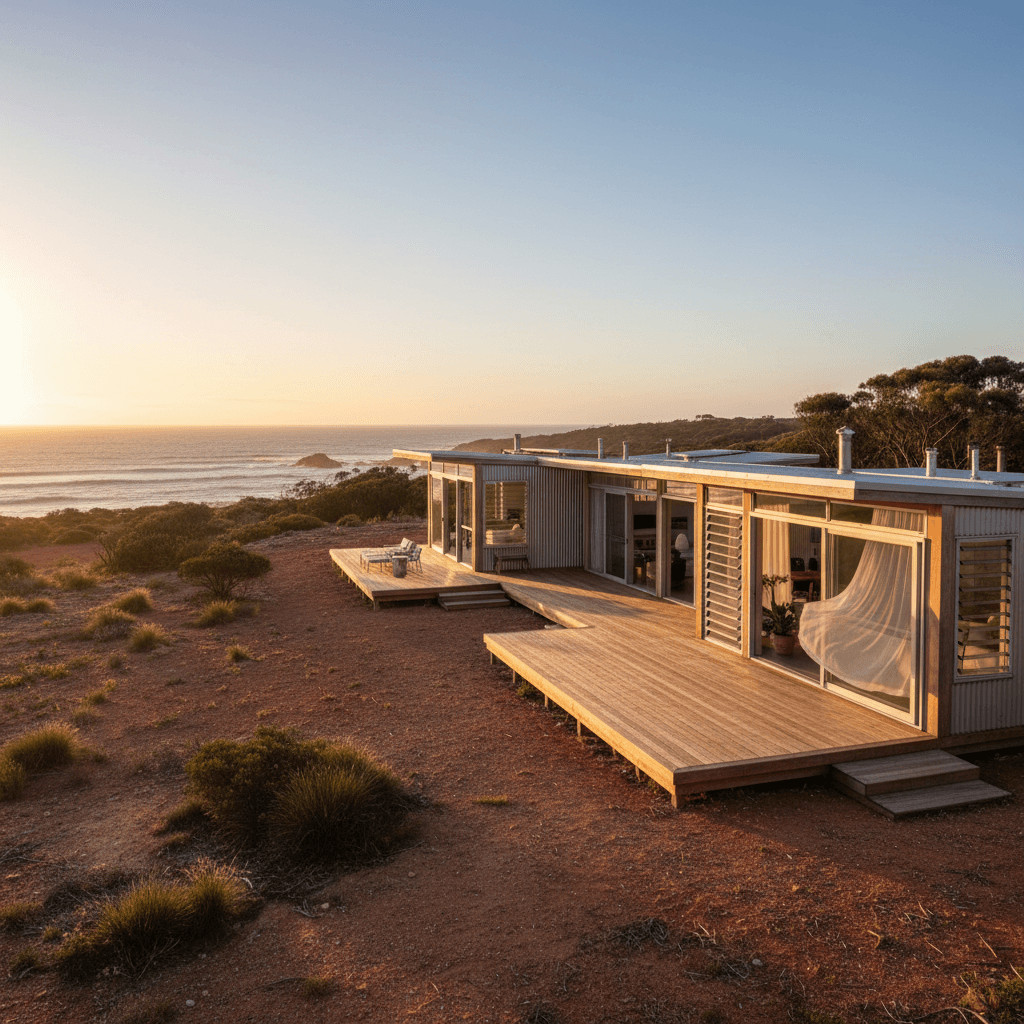
To combat this, clever builders utilize high-level windows, such as clerestory windows or louvres placed near the peak of the ceiling. As the hot air rises, it escapes through these upper openings, which in turn pulls cooler air in from windows at the floor level. This vertical movement of air works even on days when there is no horizontal breeze, providing a fail-safe cooling mechanism for your home.
Choosing the Right Window Style for Airflow
Not all windows are created equal when it comes to ventilation. As you customize your kit home, consider how the hardware affects the wind.
- Louvre Windows: These are the undisputed champions of airflow. They provide nearly 100 percent of the window's opening for ventilation and allow you to precisely direct the breeze. They are perfect for bathrooms and high-traffic living areas.
- Casement Windows: These act like sails on a boat. When opened outwards, they can catch breezes that are moving parallel to the wall and funnel them into the house.
- Awning Windows: While great for rainy days because they keep the water out while letting air in, they are less effective for cooling because the glass pane often blocks the direct path of the breeze.
- Sliding Windows: These provide a maximum of 50 percent opening capacity. They are practical and cost-effective for kit homes but require careful placement to be effective for cooling.
The Importance of Orientation
Before you even pour your slab, you must consider the orientation of your kit home on the site. In Australia, northern orientation is prized for winter sun, but your window placement for cooling must account for the prevailing summer winds. Research the local wind rose charts for your specific area. These charts show you which direction the wind typically comes from at different times of the day during summer. Position your largest opening areas to face these breezes to ensure your home stays refreshed during January heatwaves.
Practical Tips for Owner Builders
Managing your own build gives you the freedom to make these technical adjustments on the fly. Here are some actionable tips for your kit home project:
- Internal Doorways Matter: Natural cooling doesn't work if the air hits a solid internal wall. Consider using open-plan layouts, or install internal highlight windows above doors to allow air to migrate through the entire house.
- Use High-Performance Glass: While we want air to move, we don't always want the sun's radiant heat. Use Low-E glass or double glazing to ensure that when your windows are closed, the house stays insulated.
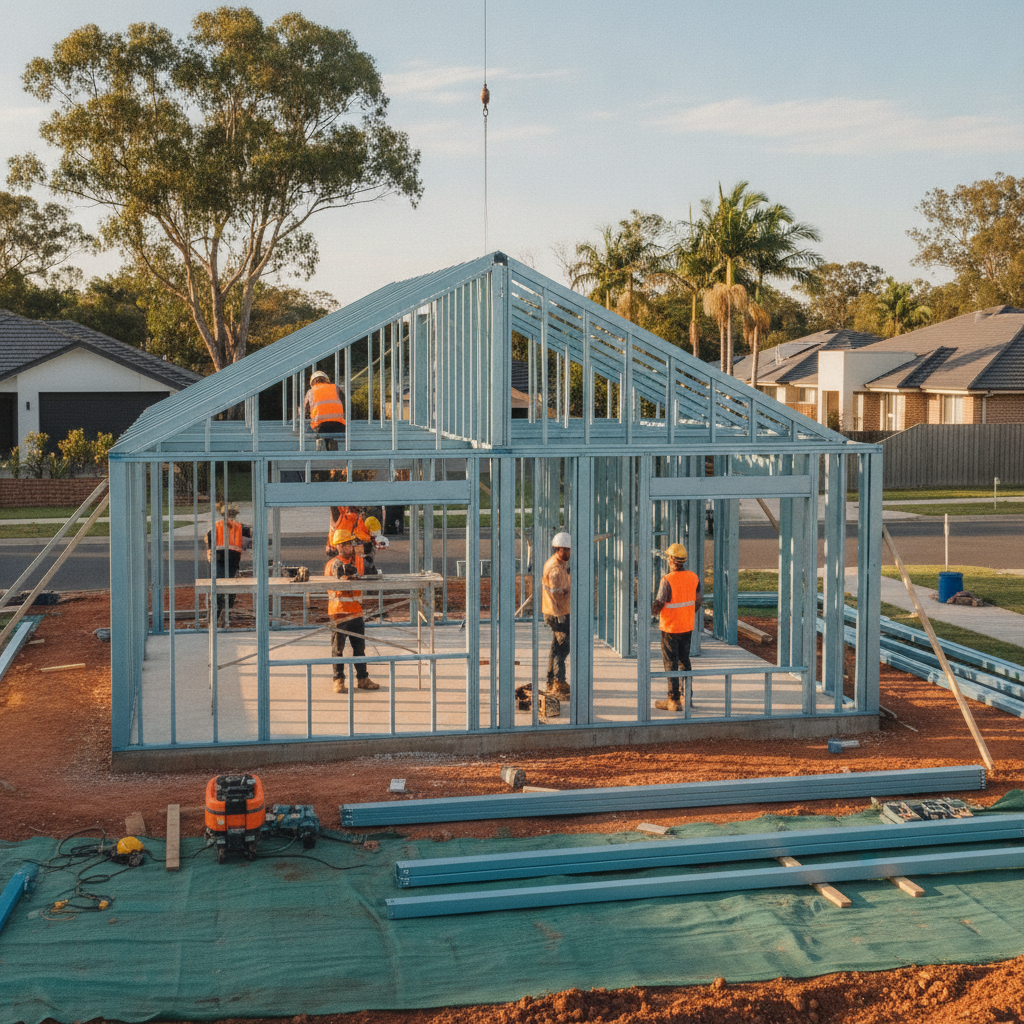
- Consider the Steel Frame Advantage: Because modern kit homes use high-strength steel frames, you often have more flexibility with larger window spans and unique placements that might be structurally difficult with traditional timber framing. The precision of a steel frame ensures that your window openings are perfectly square, making the installation of large sliding or stacker doors much smoother.
- Landscaping as a Wind Guide: Use your garden to your advantage. Planting hedges or placing fences at specific angles can help funnel or "scoop" breezes toward your window inlets.
The Role of Eaves and Shading
Ventilation is only half the battle. If the sun is hitting your glass directly, it will heat up the interior faster than the breeze can cool it down. Wide eaves are a staple of Australian kit home design for a reason. They shade the glass during the hottest part of the day while still allowing you to keep the windows open for airflow. External shading devices like outdoor blinds or batten screens can also be integrated into your kit home to provide an extra layer of thermal protection without obstructing the wind.
Conclusion
Building a kit home in Australia is an empowering experience that allows you to tailor your living environment to the unique conditions of your block. By mastering the building techniques of window placement and cross-ventilation, you move beyond just building a house and start creating a climate-responsive home. It is about working with nature rather than against it. When you feel that first cool afternoon breeze pull through your newly finished living room, carrying away the heat of the day, you will know that every bit of planning was worth it. Start with the breeze in mind, and the rest of your comfort will follow.