The Science of a Comfortable Home
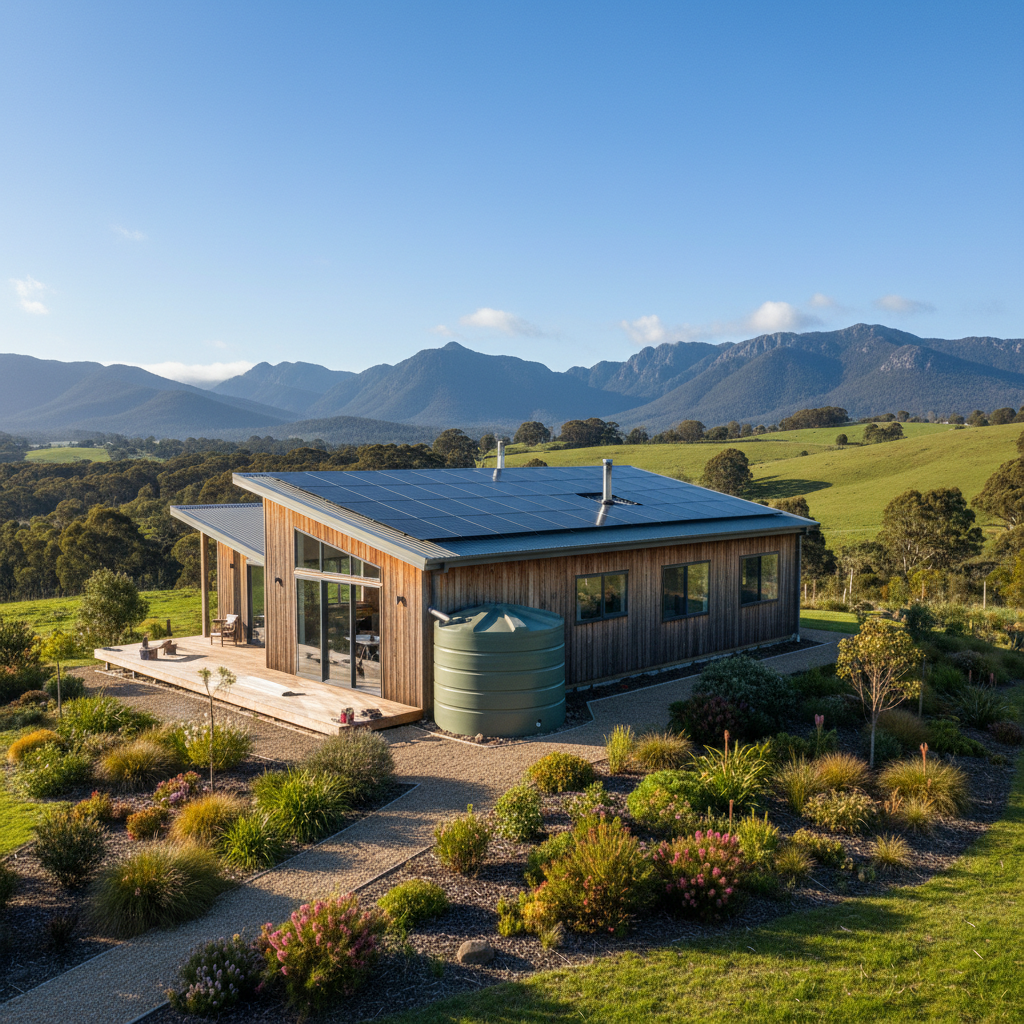
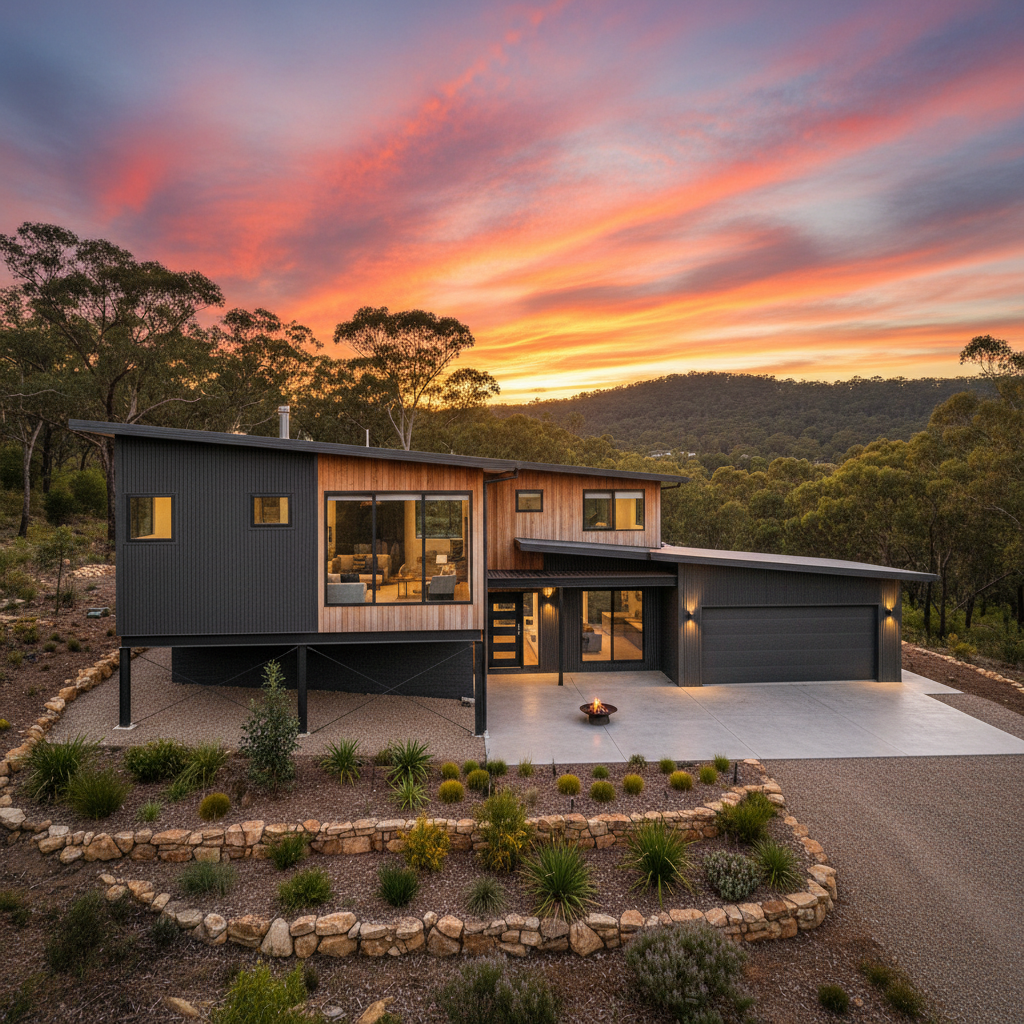
When you embark on the journey of building a kit home in Australia, your focus is often on the floor plan, the kitchen layout, or the durability of your steel frames. However, one of the most critical elements of a high-performing home is something you cannot see: airflow. In our diverse Australian climate, from the humidity of Queensland to the dry heat of the Red Centre, mastering the art of natural cooling is essential for a sustainable and comfortable lifestyle.
By focusing on strategic window placement, owner-builders can significantly reduce their reliance on expensive air conditioning. This isn't just about picking a window with a nice view; it is a technical building technique that uses pressure differentials and thermal buoyancy to keep your home fresh. Let us dive into the technicalities of cross-ventilation and how you can apply these principles to your kit home project.
Understanding Cross-Ventilation Principles
At its simplest, cross-ventilation occurs when air enters a building through an opening, such as a window, and exits through another opening on the opposite or adjacent side. This movement is driven by wind pressure. On the windward side of your home (the side facing the wind), high pressure is created. On the leeward side (the side away from the wind), a low-pressure zone forms. Air naturally wants to move from high pressure to low pressure, creating a breeze through your living spaces.
For this to work effectively in a kit home, you need to consider the "path of least resistance." If you have a large window on the windward side but only a tiny opening on the leeward side, the airflow will be throttled. To achieve optimal cooling, the exit opening should be equal to or slightly larger than the entry opening.
The Importance of Site Orientation
Before you even start assembling your steel frames, you must look at your site. Every block has its own micro-climate. Are you on a hill where the afternoon gully winds come from the south-east? Or are you in a coastal area where the sea breeze reliably rolls in at 2 PM? Use tools like the Bureau of Meteorology wind roses for your local area to understand the prevailing wind directions for both summer and winter.
Most Australian regions benefit from north-easterly or south-easterly breezes during the warmer months. By aligning your largest window openings and main living areas to capture these breezes, you are setting your kit home up for thermal success. Remember, a well-orientated home can stay up to 5 to 7 degrees cooler than a poorly positioned one without any mechanical assistance.
Technical Window Types for Optimal Airflow
Not all windows are created equal when it comes to ventilation. As an owner-builder, choosing the right window style for each room is a critical decision. Here are the most effective types for natural cooling:
- Louvre Windows: These are the gold standard for ventilation in Australia. They offer nearly 100 percent of the window area for airflow. You can also tilt the blades to direct the breeze upward toward the ceiling or downward toward the floor.
- Awning Windows: While these are great for keeping out rain while still allowing ventilation, they are less effective for catching breezes because the glass pane acts as a shield.
- Casement Windows: These act like sails on a boat. When opened outward, they can catch wind moving parallel to the wall and funnel it directly into the room. This is a game-changer for rooms that do not face the prevailing wind.
- Sliding Windows: A common and cost-effective choice for kit homes, though they only offer 50 percent of the window area for ventilation at any given time.
Utilising the Stack Effect
If you have a two-storey kit home or a design with high vaulted ceilings, you can use the "stack effect" or chimney effect. Hot air is less dense than cool air, so it naturally rises. By placing windows or clerestory highlights high up in the wall or in a loft space, you allow the heat that accumulates at the ceiling level to escape.
As the hot air exits through the high windows, it creates a vacuum effect that pulls cooler air in through lower windows. This is particularly effective on still days when there is no wind to provide cross-ventilation. When you combine high-quality insulation with this technique, your home becomes a self-cooling machine.
Managing Thermal Mass and Steel Frames
In Australian construction, the materials you use play a role in how heat is managed. Kit homes featuring BlueScope TRUECORE steel frames are incredibly stable and allow for large, open-plan spans. This openness is a massive advantage for cross-ventilation, as it removes internal barriers that would otherwise block the path of air.
When planning your layout, try to align internal doorways with external windows. This creates a clear "breeze path" through the house. If you are worried about privacy, you can use internal louvres above doors or vented transoms to keep the air moving even when doors are closed.
Practical Tips for Owner-Builders
When you are at the planning stage of your kit home project, keep these practical tips in mind:
- The 10 Percent Rule: Aim for a total ventilation area of at least 10 percent of your floor area. In tropical climates, you might want to increase this to 20 or 25 percent.
- Acoustic Considerations: Large windows are great for breezes but can let in noise. If you live near a busy road, consider acoustic seals on your windows and place the largest openings on the quieter side of the house.
- Insect Screening: Never compromise on high-quality mesh. In many parts of Australia, the best breezes happen at dusk, which is also prime time for mosquitoes. High-visibility mesh allows air to flow through more easily than standard heavy-duty mesh.
- Window Shading: Natural cooling only works if the air coming in is not already pre-heated. Use wide eaves, awnings, or deciduous trees to shade your windows from the harsh summer sun. This ensures the air entering your home is as cool as possible.
Common Pitfalls to Avoid
One of the biggest mistakes DIY builders make is choosing a "one size fits all" approach for every side of the house. A massive floor-to-ceiling window on the west-facing wall will act like a giant radiator in the afternoon, potentially cancelling out any benefits of a cooling breeze. Large openings should be focused on the north and south, with smaller, well-shaded openings on the east and west.
Another pitfall is ignoring the height of the windows. For effective cooling of the occupants, air needs to move across the "living zone" (between 600mm and 1500mm from the floor). If windows are placed too high, the breeze will simply pass over your head without providing any cooling relief.
The Role of Flying Gables and Verandahs
Australian kit home designs often include verandahs for a reason. A wrap-around verandah creates a pocket of cool, shaded air around the perimeter of the home. When you crack open your windows, you are drawing in this pre-cooled air rather than air heated by direct sunlight hitting a wall. This is a classic Australian building technique that remains just as relevant today as it was 100 years ago.
Conclusion
Building a kit home gives you the unique opportunity to be involved in the design and technical decisions that will define your comfort for years to come. By prioritizing window placement and understanding the flow of air, you can create a home that feels light, airy, and naturally cool. Whether you are working with a classic cottage design or a modern pavilion style, the principles of cross-ventilation remain the same. Take the time to study your land, choose the right window styles, and work with the Australian climate rather than against it. Your comfort, and your power bill, will thank you.