Taking the Reins as an Owner Builder
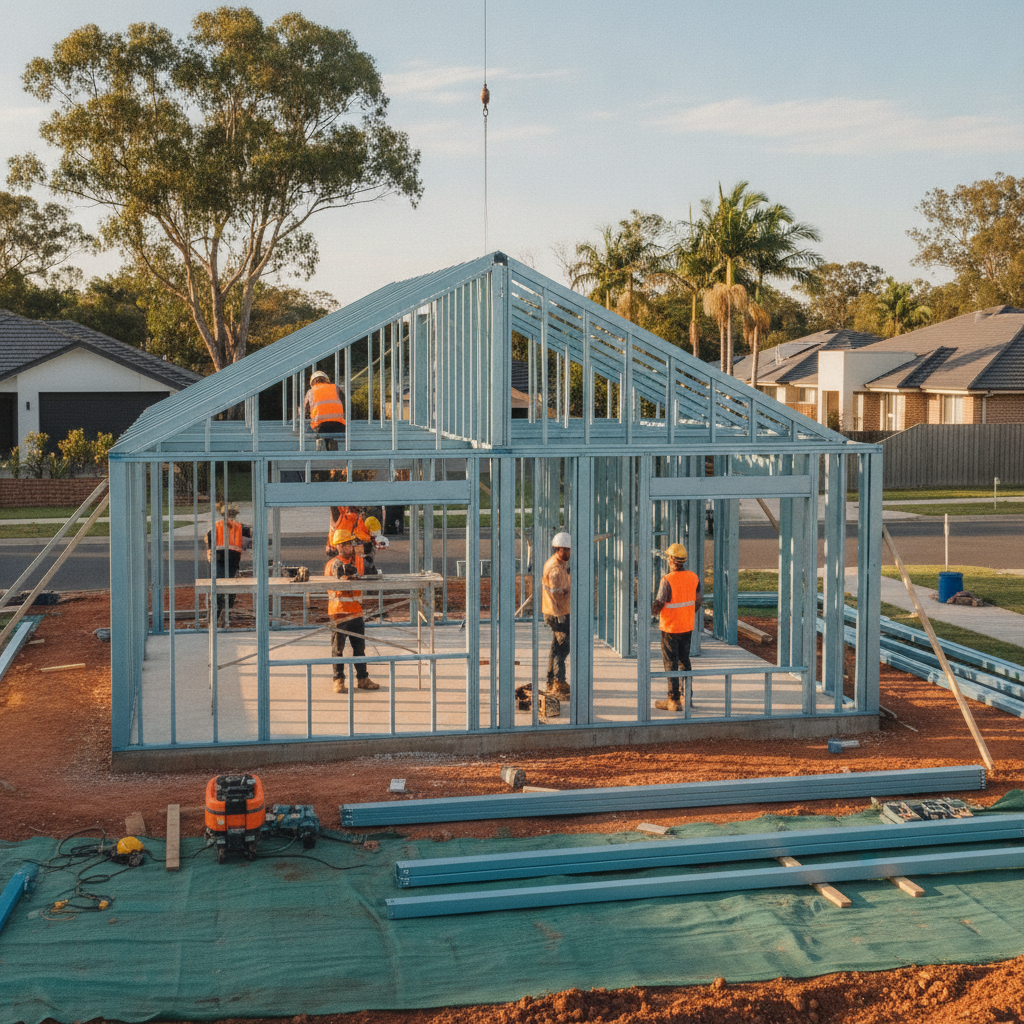
There is a unique sense of pride that comes with building your own home. In Australia, the owner-builder path is a popular route for those who want a hands-on approach to their lifestyle. When you choose a kit home, you are taking charge of a significant project, acting as the project manager, the site supervisor, and the primary point of contact for everyone involved. While the steel frames and components provide the physical structure, your communication skills are the glue that holds the entire project together.
One of the biggest challenges for first-time owner-builders isn't the physical labor, it is the logistics. Navigating the world of tradespeople (tradies) and building suppliers can feel like learning a second language. If you want your build to run smoothly, stay on schedule, and meet Australian building standards, you need to master the art of clear, professional, and effective communication.
The Foundation of Supplier Relationships
Your journey usually begins with your suppliers. These are the companies providing your core materials, from your high quality TRUECORE steel frames and trusses to your roofing, windows, and cladding. Establishing a good rapport from day one is essential.
Be Prepared Before You Call
Suppliers are busy people. Before you pick up the phone or send an email, have your project details ready. Know your site address, your required delivery dates, and have your kit home plans in front of you. When you speak the language of measurements and specifications, suppliers can help you more efficiently. For example, when discussing your BlueScope steel components, refer to specific plan numbers or component codes provided in your kit documentation.
Confirm Everything in Writing
While a chat over the phone is great for building rapport, it is not a record. Every time you make a decision or change an order, follow it up with an email. A simple, "Thanks for the chat, just confirming we are proceeding with the Colorbond Deep Ocean roofing as discussed," can save hours of frustration later. This creates a paper trail that protects both you and the supplier.
Communicating with Tradies: From Slab to Fit-Out
As an owner-builder, you are responsible for hiring and managing the trades that will transform your kit into a finished home. This includes concreters for your slab, plumbers, electricians, and carpenters. In the Australian construction industry, tradies value honesty, clarity, and organized sites.
The Power of a Clear Scope of Work
Never hire a tradie based on a vague verbal description. Create a written scope of work for every trade. Tell them exactly what you expect: "Install kit home steel wall frames and roof trusses as per supplied engineering drawings." If you expect them to clean up the site at the end of every day, put that in the scope. When everyone knows exactly what is expected, there is far less room for conflict.
Respect Their Expertise
While you are the boss of the project, the tradies are the experts in their craft. If a plumber suggests a better way to run your pipes through the steel frame, listen to them. Ask questions to understand why they are suggesting a change. A collaborative approach usually results in a better finish than a rigid, top-down management style.
Timing and Scheduling: The Owner Builder's Greatest Tool
One of the most common friction points in Australian residential construction is scheduling. Tradies often work on multiple sites at once. If your site isn't ready when you said it would be, you might lose your spot in their queue for weeks.
The Two-Week Rule
Always give your trades plenty of notice. Send a courtesy text or call two weeks before you need them on site, then check in again one week before, and finally 48 hours before. This keeps your project top of mind for them. If your kit home delivery is delayed or the weather turns bad, let your trades know immediately. They will appreciate the heads-up so they can fill their day with other work.
Site Readiness
There is nothing a tradie hates more than arriving at a site they can't access or a site that isn't ready for their specific task. Ensure the slab is cured and cleared of debris before the frame assemblers arrive. Make sure there is access for trucks and that any necessary site amenities, like temporary power or toilets, are functional. A ready site is a productive site.
Navigating the Site Visit
When you are on-site with your trades, be observant but not overbearing. You don't need to hover over their shoulder every minute, but you should do a daily walk-through. If you notice something that doesn't look right, address it immediately. It is much easier to move a window opening in a steel frame before the cladding is on than it is afterwards.
Ask, Don't Accuse
If you see something that looks wrong, use an inquisitive tone. "I noticed the bracing here looks a bit different from the plan, can you walk me through how that works?" This allows the tradie to explain the situation without feeling attacked. Frequently, there is a technical reason for a variation, or they may simply have missed a detail that they can now fix quickly.
Managing Deliveries and On-Site Materials
Your kit home will arrive in stages, often including heavy steel frames, roofing sheets, and large windows. Managing these deliveries requires clear communication with the transport company and local suppliers.
- Access: Inform the delivery driver about any narrow tracks, low-hanging trees, or soft ground at your site.
- Unloading Space: Have a designated, level area ready for the kit components. Ensure it is close to where the building will stand to minimize double-handling.
- Protection: Once materials arrive, they are your responsibility. Ensure you have the necessary covers or dunnage to keep items like insulation or plasterboard dry and off the ground.
The Importance of Feedback and Payments
A positive working relationship is a two-way street. When a tradie does a great job on your kit home, tell them. Positive feedback goes a long way in an industry that can be quite demanding. Equally, stick to the payment terms you agreed upon. If the contract says payment within seven days of an invoice, ensure that happens. Being a reliable payer is the fastest way to become a "preferred client" for the best trades in your local area.
Conclusion: Your Home, Your Leadership
Building a kit home as an owner-builder is as much about people management as it is about hammers and nails. By being organized, clear in your expectations, and respectful of the skills that trades and suppliers bring to the table, you ensure your building journey is a rewarding experience.
Remember, you aren't just building a house; you are leading a team to create your future home. With the right communication strategies, a focus on quality materials like Australian steel, and a proactive attitude, you'll be turning the key in your front door before you know it, knowing you steered the ship every step of the way.