Taking the Reins as an Owner Builder
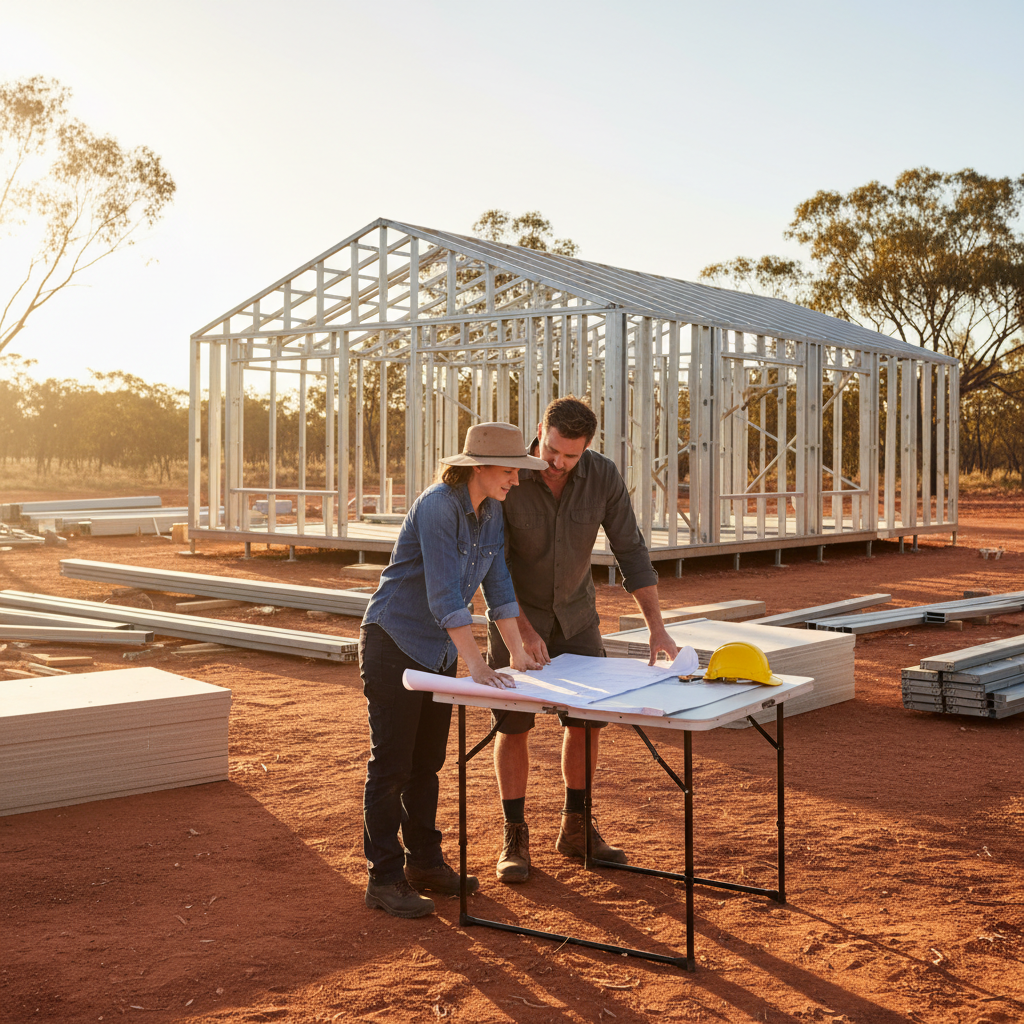
There is a unique sense of pride that comes with standing on a patch of Australian soil and watching a house rise from the ground because of your own coordination and hard work. For many Australians, kit homes represent the perfect balance between professional engineering and the hands-on satisfaction of the owner builder path. While your kit provides the essential structural components, like the high quality TRUECORE steel frames, roofing, and cladding, the magic happens in how you bring the project together.
One of the most significant responsibilities you will take on as an owner builder is the role of a project manager. This means you aren't just swinging hammers or holding levels; you are the conductor of an orchestra of skilled tradespeople. From the initial slab pour to the final electrical fit-out, your ability to manage subcontractors will define the quality, timeline, and overall experience of your build. Here is how to navigate the world of Australian trades and keep your kit home project moving smoothly.
Understanding Your Role in the Ecosystem
Before you pick up the phone to book a plumber, it is vital to understand where you fit. As an owner builder, you are the principal contractor in the eyes of local councils and workplace health and safety authorities. This means legal responsibility for the site rests with you. However, it also means you have the creative freedom to select the specific experts who will work on your home.
When you work with a kit home, much of the structural guesswork is removed. The precision of steel frames manufactured to exact specifications means that when your carpenters or frame erectors arrive, the components fit together as intended. Your job is to ensure these trades have the right information, a clear workspace, and a logical schedule to follow.
Finding and Vetting Your Tradies
In the Australian building industry, word of mouth is still king. When looking for subcontractors, start by asking around your local community. Does your neighbor have a neatly finished driveway? Ask who did their concrete. Is there a house under construction nearby? Take a walk past and see how tidy the site is. A tidy site usually indicates a disciplined trade.
When you begin interviewing potential subcontractors, keep these three pillars in mind:
- Licensing and Insurance: This is non-negotiable. Always verify their license number through your state's online registry (such as Service NSW or the VBA in Victoria). Ensure they have current public liability insurance.
- Experience with Steel Frames: While most modern trades are comfortable with various materials, it helps to find people who appreciate the perks of steel. Plumbers and sparkies often find working with pre-punched holes in steel frames much faster than drilling through timber.
- Communication Style: You need someone who explains things clearly and answers their phone. If they are difficult to reach during the quoting stage, they will likely be a nightmare once the build starts.
The Importance of Clear Scopes of Work
One of the biggest mistakes a first-time owner builder makes is being vague. A instruction like "do the plumbing" is an invitation for disputes later on. Instead, provide a detailed scope of work based on your kit home plans. Break it down into stages: rough-in (before the walls go up) and fit-off (after the walls are finished).
Show your subcontractors the specific kit details. For example, explain that the kit includes the windows, doors, and external cladding. This allows them to see exactly where their work intersects with the materials you are providing. When everyone knows exactly where their responsibility starts and ends, the risk of "that is not my job" moments decreases significantly.
Scheduling: The Art of the Sequence
Building a kit home is a logical, step-by-step process. As the owner builder, you are responsible for the "critical path." This is the sequence of tasks that must happen in a specific order to prevent the project from stalling. A typical sequence for a kit home might look like this:
- Earthworks and site preparation
- Slab or flooring system installation
- Erection of steel frames and trusses
- Roofing, gutters, and downpipes (making the house "water-tight")
- Windows and external doors installation
- External cladding and insulation
- Internal rough-ins (plumbing and electrical)
- Lining the internal walls
- Fix-out and final finishes
Avoid the temptation to book trades too close together. If your frame erector gets delayed by a few days of heavy rain, and your plumber is booked for the very next morning, you will face a scheduling nightmare. Give yourself a "buffer" of a few days between major trades.
On-Site Etiquette and Management
You do not need to be a drill sergeant to manage a site effectively. In fact, a friendly and respectful relationship with your tradies often leads to better results. Treat your subcontractors as partners in the project. Have the site ready for them when they arrive. If the plumber is coming to do the rough-in, ensure the floor is swept and any leftover materials from the framing stage are moved out of their way.
Practical site amenities also go a long way. Providing a clean portable toilet, a clear place to park, and access to water and power will make you a favorite project manager among local trades. Happy tradies are more likely to go the extra mile to ensure every corner is square and every pipe is perfect.
Quality Control and the Feedback Loop
As the owner builder, you are the final inspector. You should be on-site at the end of every day to see what has been accomplished. Use your kit home manual as a guide. If something doesn't look like the drawings, ask the question immediately. It is much easier to move a wall stud or a pipe before the insulation and plasterboard are installed.
When checking work, look for:
- Compliance with the plans and engineering specifications.
- General neatness and professionalism of the work.
- Proper protection of materials (e.g., ensuring your windows aren't getting scratched by tools).
Managing Deliveries and Materials
With a kit home, you will have a significant amount of material arriving on-site, including the steel frames, cladding, and roofing. Managing these deliveries is a key part of subcontractor coordination. You need to ensure the delivery truck has clear access and that the materials are stored in a way that doesn't block the next trade's workspace.
For example, have the steel frames dropped as close to the slab as possible to reduce the manual handling for the erectors. Store your insulation and internal linings in a dry, secure area so they aren't damaged by weather before they are needed. Organized material management prevents double-handling, which saves time and physical energy.
Communication is Your Best Tool
The most successful owner builders are the ones who communicate early and often. Send a weekly text or email to your upcoming trades to confirm they are still on track for the agreed start date. If a delay happens (and in building, they usually do), let everyone down the line know as soon as possible. Most trades appreciate the heads-up and will work with you to find a new slot in their schedule.
Conclusion: The Reward of Proper Management
Managing subcontractors as an owner builder is a learning curve, but it is one of the most rewarding parts of the kit home process. By taking a proactive, organized, and respectful approach, you turn a complex construction project into a series of manageable, successful steps.
Remember, the goal isn't just to build a house, but to build it well. By sourcing the right experts to complement your high quality kit components, you ensure that your new home is a place of comfort and quality for years to come. Take a deep breath, get your paperwork in order, and enjoy the process of bringing your Australian dream to life, one trade at a time.