The Owner Builder Journey: From Dream to Doorstep
There is a unique sense of pride that comes with being an owner builder in Australia. Whether you are nestled in the rolling hills of the Sunshine Coast or building a retreat in the Victorian highlands, taking the reins of your own construction project is a rewarding challenge. However, as any seasoned DIY enthusiast will tell you, the difference between a smooth build and a stressful one often comes down to one thing: organization.
When you choose a kit home, you are already one step ahead. By receiving a pre-engineered package of high quality components, such as BlueScope TRUECORE steel frames, roofing, and cladding, the initial technical heavy lifting is handled. But once those materials arrive on your site, the mantle of project manager falls squarely on your shoulders. You aren't just building a house; you are managing a complex series of moving parts, people, and permits. This guide is designed to help you stay ahead of the game and keep your project on track from the first shovel in the ground to the final coat of paint.
Establishing Your Command Centre
Before the first delivery truck arrives, you need a dedicated space to manage your project. This isn't just about a desk in the corner of your current living room; it is about creating a central repository for every piece of information related to your build. Many successful owner builders use a combination of physical and digital filing systems.
A large physical lever-arch folder is essential for on-site use. This should contain your approved council plans, engineering specifications, and your kit home assembly manuals. When a plumber or electrician asks a question about a specific wall layout, you need to be able to flip to the right page instantly. Simultaneously, a digital backup on a cloud-based service allows you to access invoices, certificates, and photos from your smartphone while you are at the hardware store or standing on the slab.
The Power of the Site Diary
One of the best habits an owner builder can develop is maintaining a daily site diary. This doesn't need to be an epic novel. A simple notebook or digital app where you record what happened each day is sufficient. Note down which trades showed up, what work was completed, the weather conditions, and any deliveries received. If there is ever a dispute or a warranty claim down the line, this diary becomes your most valuable piece of evidence. It also helps you track your timeline and identify where delays might be creeping in.
Managing Deliveries and Inventory
When your kit home arrives, it is a moment of great excitement, but it can also be overwhelming. A full kit includes frames, trusses, windows, doors, cladding, and insulation. That is a lot of material to manage at once. Organization here starts before the truck arrives.
Ensure you have a designated, flat, and dry area for storage. Use timber dunnage to keep materials off the ground. When the delivery occurs, use the packing list provided to check off every item. It is much easier to address a missing component or a minor transit scratch on day one than it is three weeks later when you are in the middle of a wall installation.
Strategic Staging
Think about the order of construction. You don't want your cladding stacked on top of your wall frames. Organize your storage site so that the materials you need first are the most accessible. Since your kit uses durable steel frames, they are incredibly resilient to the elements, but keeping your windows and doors protected in a secure, covered area is vital for a smooth fit-out later.
Scheduling Trades Like a Pro
While you may be doing much of the work yourself, most owner builders will still hire licensed trades for specialized tasks like electrical, plumbing, and gas fitting. Coordinating these professionals is one of the most challenging aspects of the job. The secret is clear communication and realistic lead times.
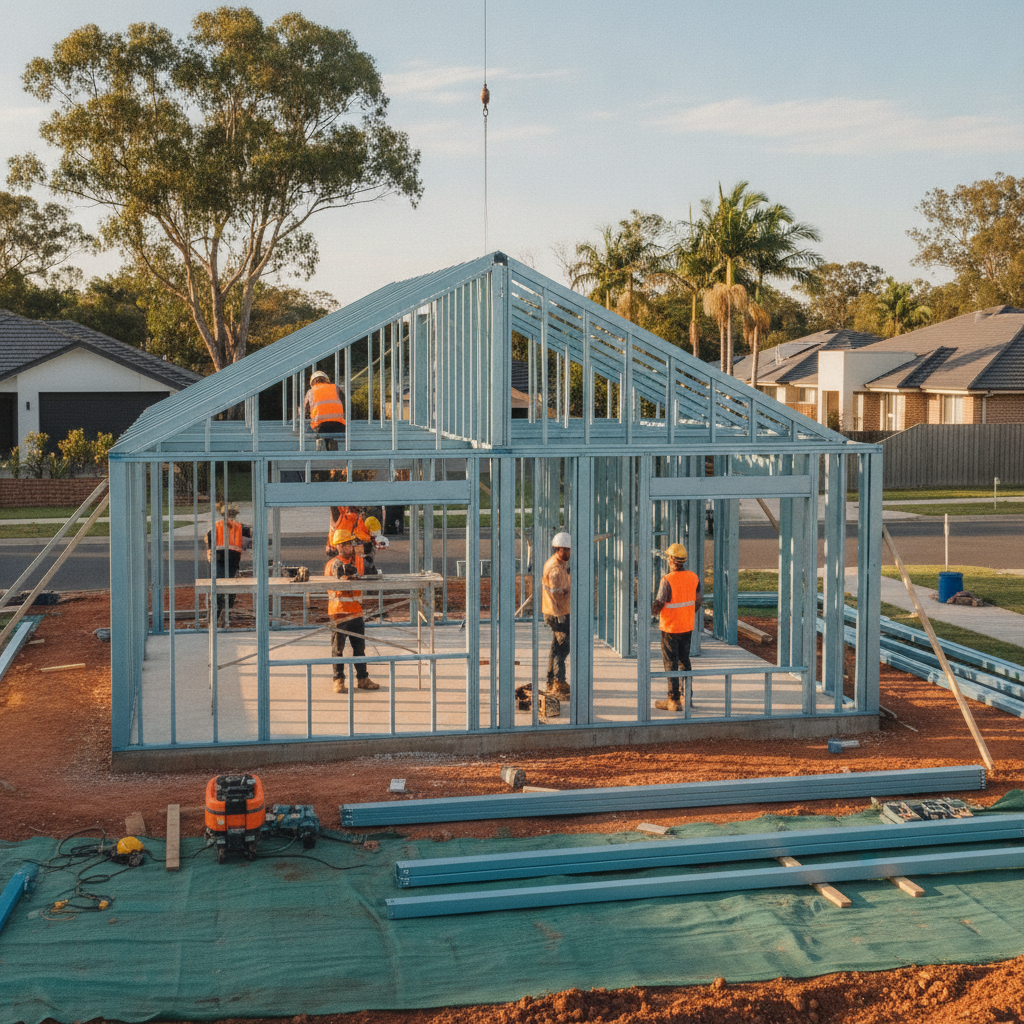
In the current Australian building climate, good trades are busy. Contact them months in advance, not days. When you book a trade, send them a follow-up email confirming the date, the scope of work, and what you will have ready for them. For example, tell your plumber: "The slab is down, the steel frames are standing, and the site is clear for you to start rough-in on Tuesday." This level of detail shows you are a professional owner builder and ensures they don't arrive to a site that isn't ready for them.
Maintaining Site Safety and Cleanliness
A cluttered site is an unsafe site, and an unsafe site is a slow site. It is easy to let offcuts, packaging, and debris pile up when you are focused on the build, but dedicated cleaning time is essential. Spend the last 30 minutes of every work day tidying the site. Stack timber, sweep the slab, and dispose of rubbish. This not only prevents accidents but also makes it much easier to find tools and materials the following morning.
Furthermore, an organized site commands respect from visiting trades. If an electrician walks onto a clean, well-managed site, they are more likely to take pride in their own work and treat your project with the care it deserves.
The Importance of Visual Documentation
We often think of photos as memories, but in construction, they are technical records. Before the internal wall linings go on, take a photo of every single wall assembly. Document where the plumbing pipes run and how the electrical cables are routed through the steel frames. Once the plasterboard is up, these photos are your "X-Ray vision." If you ever want to hang a heavy TV or install a new shelf, you will know exactly where the studs and services are located. High-resolution photos of the slab and footings before the pour are also invaluable for future reference.
Navigating the Paperwork Trail
An owner builder journey involves a significant amount of compliance and certification. You will need to manage certificates of occupancy, plumbing compliance certificates, and electrical safety certificates. Create a simple checklist based on your local council requirements. As each stage is inspected and signed off, file the paperwork immediately. Don't wait until the end of the build to hunt down a missing certificate from a trade you haven't spoken to in six months.
Practical Tips for Staying Sane
- Batch your tasks: Dedicate specific days to administration and other days to physical building. Switching between the two constantly can lead to mental fatigue.
- Over-communicate: It is better to confirm a delivery date twice than to have a crane arrive with no one there to meet it.
- Build a support network: Join owner builder forums or local community groups. Sharing experiences with others who are in the same boat can provide both practical advice and emotional support.
- Keep your tools sharp: Literally and figuratively. Regularly maintain your equipment so it is ready when you are.
Conclusion: Enjoying the Process
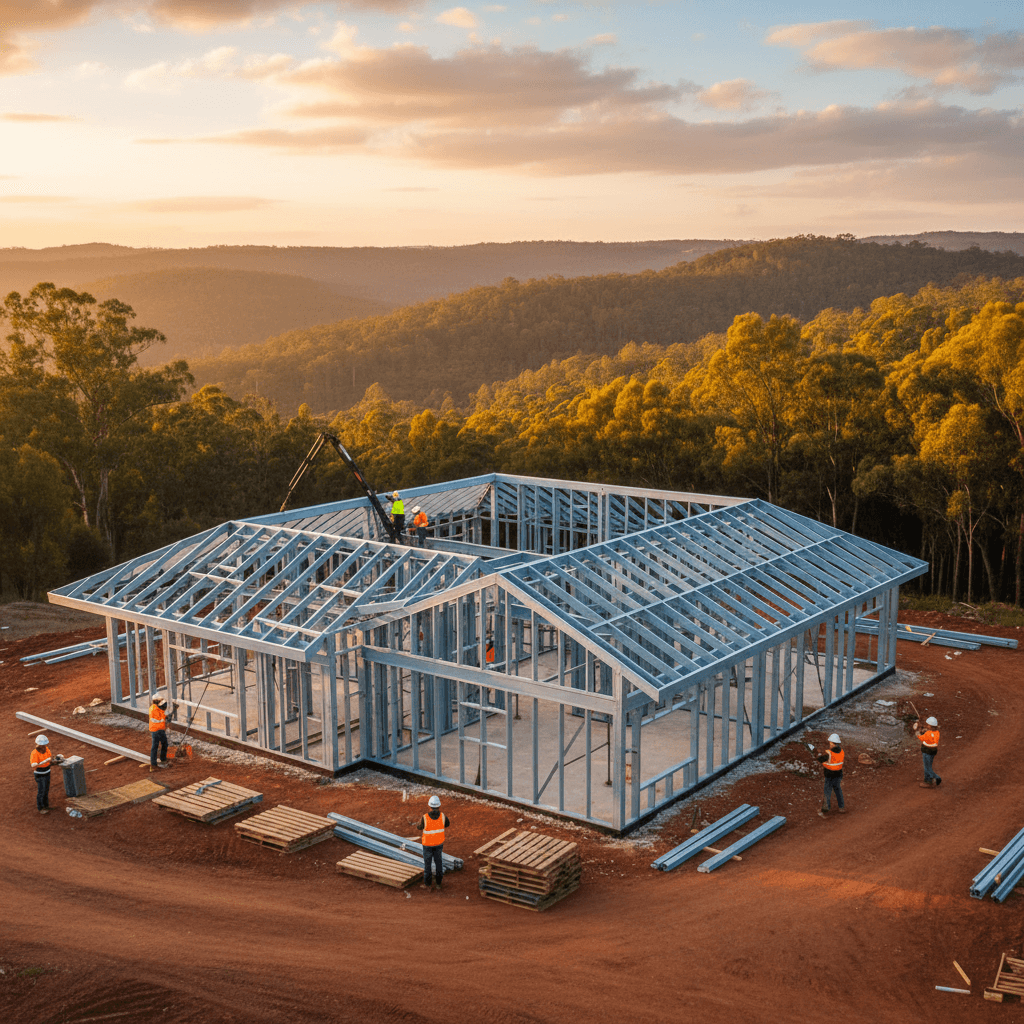
Staying organized as an owner builder isn't about being perfect; it is about staying in control. By setting up a solid management system, communicating clearly with your trades, and keeping a tidy site, you turn a potentially chaotic process into a manageable and enjoyable project. The transition from a pile of steel frames and cladding to a finished home is an incredible transformation, and being the one who orchestrated it is a massive achievement.
Remember that your kit home is designed to make this process easier. Embrace the systems provided, stay on top of your paperwork, and take it one step at a time. Before you know it, you will be walking through the front door of a home that you didn't just buy, but one that you truly built.