The Foundation of a Long-Lasting Home: Why Drainage Matters
When you start your journey as an owner builder in Australia, it is easy to get caught up in the exciting stuff like choosing your external cladding or planning the layout of your new steel frame kit home. However, some of the most critical decisions you will make happen well before the first frame is ever bolted to the slab. We are talking about drainage.
Australia is a land of weather extremes. From torrential summer storms in Queensland to the persistent winter rains of Victoria, your building site needs to be prepared to handle significant volumes of water. Proper drainage is not just about keeping your feet dry, it is about protecting the structural integrity of your home, preventing soil erosion, and ensuring your foundations remain stable for decades to come.
In this guide, we dive deep into the technical side of site water management. Whether you are building on a flat coastal block or a sloping rural acreage, these are the drainage solutions every Australian owner builder should have in their toolkit.
1. Site Levelling and The Building Envelope
Before any trenches are dug, you need to understand the natural flow of water across your land. As an owner builder, one of your first tasks is site preparation. The goal is to create a building envelope where water naturally moves away from the slab.
A common mistake is creating a perfectly flat site that actually traps water against the edge of the concrete. Building regulations in Australia typically require a minimum fall away from the building, usually around 50mm over the first metre. This simple slope ensures that surface water does not pool against your steel frames or seep under your bottom plates.
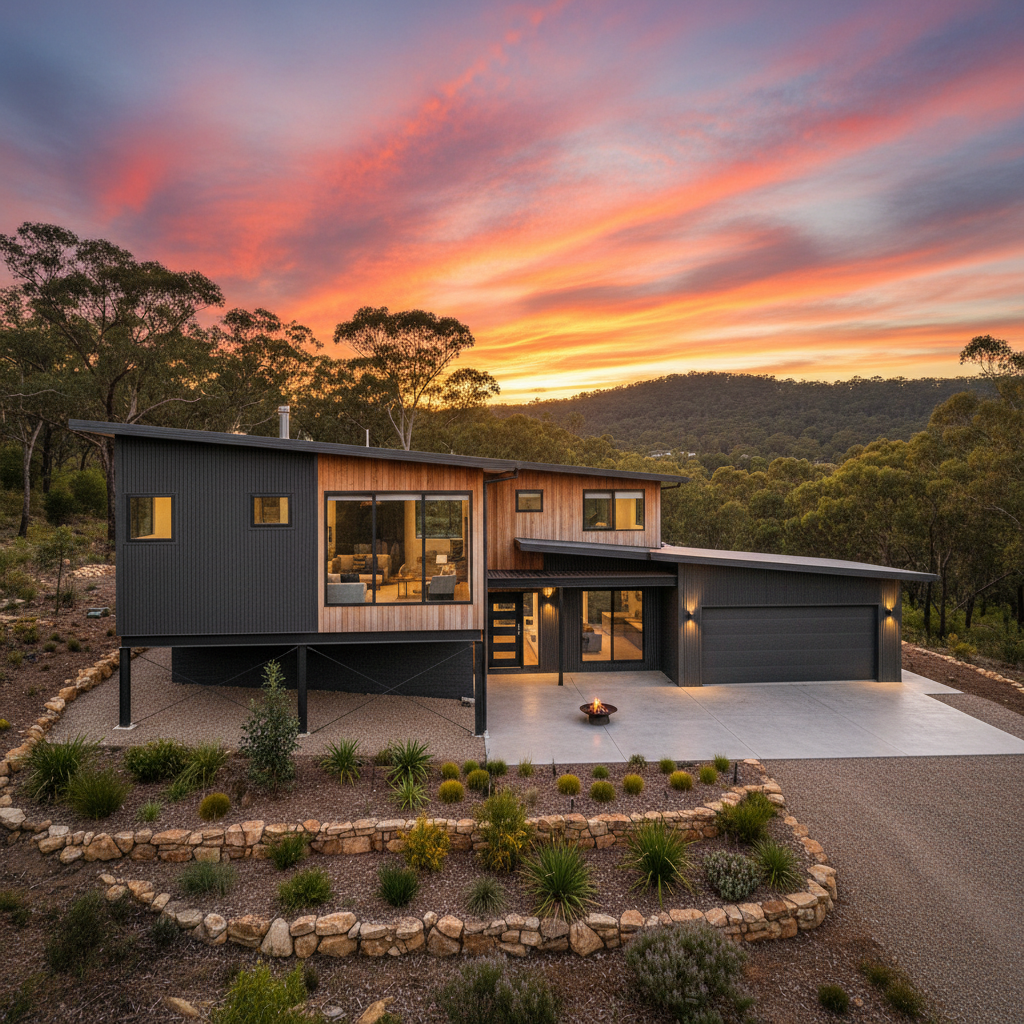
If you are building on a cut-and-fill site, where you have excavated into a hill, this becomes even more critical. You must ensure that the area behind the cut is adequately drained so that water does not build up hydraulic pressure against your home.
2. Surface Drainage: The Humble Spoon Drain and Swale
Often, the best way to manage water is the most natural way. Swales and spoon drains are shallow, wide channels designed to redirect surface runoff. For many rural kit home projects, a well-placed swale can be a lifesaver.
A swale is essentially a landscaped depression that follows the contour of the land. It catches rainwater and allows it to either soak into the ground slowly or directs it toward a legal point of discharge, such as a street gutter or a dam. Spoon drains, which are often lined with concrete or stone, are better for high-traffic areas or spots where you need to move water quickly away from the house perimeter.
Practical Tip: When designing your landscaping, make sure your garden beds do not act as dams. If you build a raised garden bed right next to your home, you might inadvertently be trapping water against your foundation.
3. Subsoil Drainage: The Power of the French Drain
Sometimes the problem is not what you can see on the surface, but what is happening underneath. Subsoil drainage is essential if you have high groundwater levels or heavy clay soil that does not drain well.
The French drain (or AG pipe) is a primary tool for the owner builder. This involves a trench filled with gravel and a perforated pipe. Water seeps through the gravel, into the pipe, and is carried away from the site. These are particularly important behind retaining walls. If you are installing a retaining wall as part of your site works, never skip the AG pipe. Without it, the weight of the water-saturated soil can cause the wall to lean or collapse, potentially undermining your home site.
4. Managing Roof Runoff: Downpipes and Stormwater
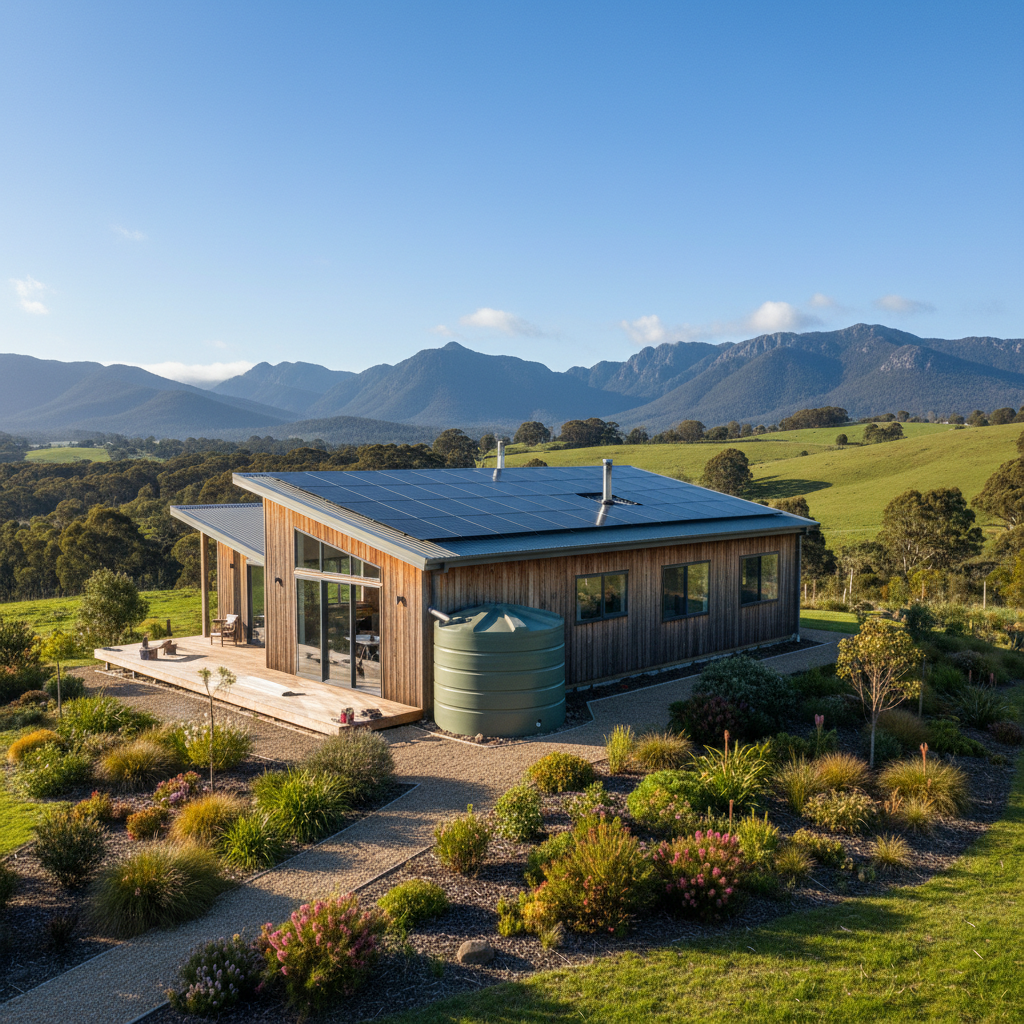
When you build a steel frame kit home, you are creating a large, non-porous surface area. During a heavy downpour, your roof will collect thousands of litres of water. If your downpipes simply dump this water at the base of your walls, you are asking for trouble.
As an owner builder, you need to coordinate with a licensed plumber to ensure your stormwater system is robust. This includes:
- Correctly sized gutters that can handle peak intensity rainfall in your specific region.
- Sufficient downpipe locations to prevent gutter overflow.
- A sealed stormwater pipe system that carries water to a legal discharge point or a rainwater tank.
Using BlueScope steel for your roofing and frames gives you a durable, precision-engineered structure, but that structure still relies on you to move the water away. Make sure your stormwater pipes have enough fall (gradient) to keep the water moving and prevent silt from building up inside the pipes.
5. The Importance of Weep Holes and Slab Edge Exposure
In Australian construction, we often use brick veneer or various types of cladding. Regardless of the finish you choose for your kit home, you must maintain proper clearances. The gap between the ground and your wall cladding is there for a reason. It prevents moisture from wicking up into the wall cavity and allows any moisture that does get behind the cladding to escape.
When finishing your landscaping, it is tempting to bring your mulch or soil right up to the edge of the house for a seamless look. Don't do it. Maintaining a visible slab edge (usually around 75mm) is a critical part of termite management and prevents water from entering the steel frame cavity. Ground-level should always be lower than the damp proof course.
6. Dealing with Heavy Clay Soils
Many parts of Australia are notorious for reactive clay soils. These soils expand when wet and contract when dry. If your drainage is poor, one side of your house might be sitting in wet soil while the other is dry, leading to uneven movement in the slab.
To mitigate this, owner builders should consider installing a concrete path or a paved apron around the entire perimeter of the home. This acts as a "blanket" that keeps the moisture levels in the soil consistent, protecting your home from the dreaded ground heave. When combined with a good subsoil drainage system, this is the gold standard for site stability.
7. Protecting the Steel Frame During the Build
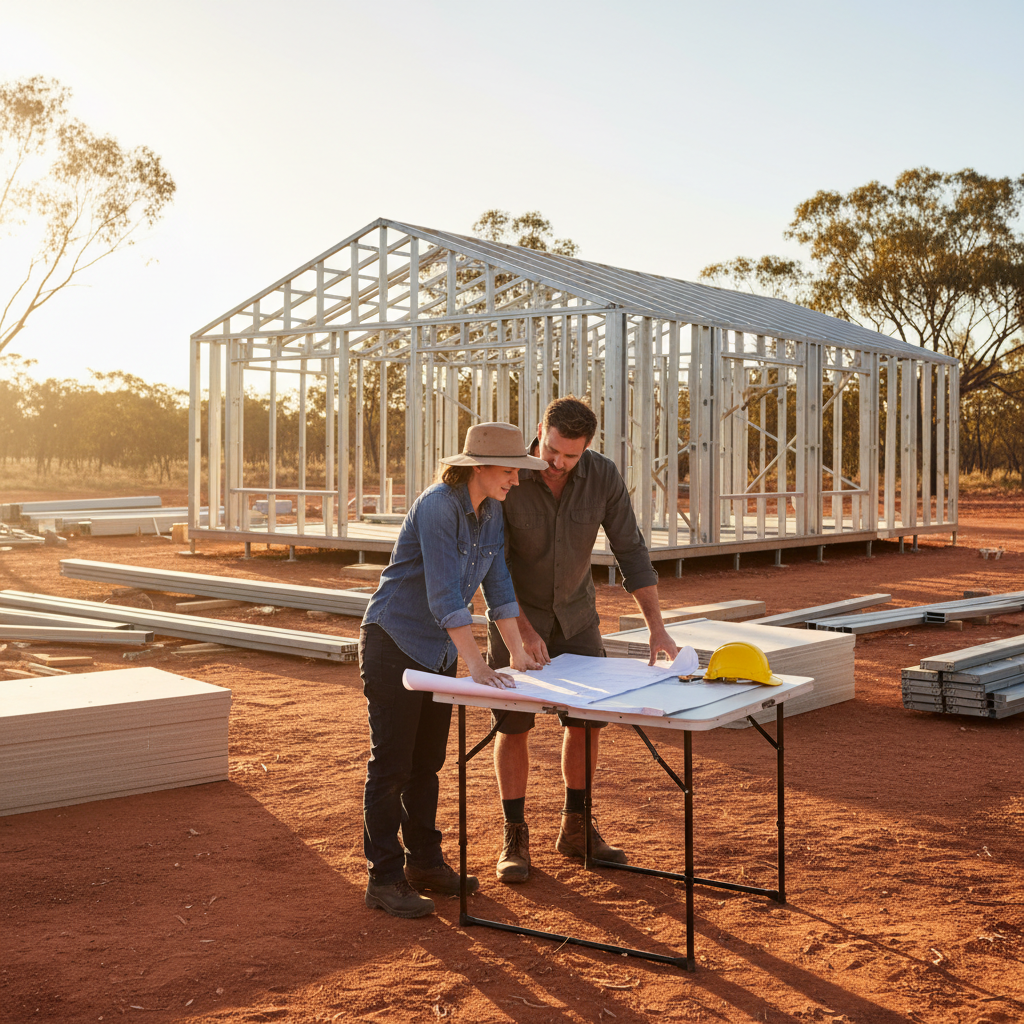
One of the great benefits of using TRUECORE steel is that it is incredibly resilient. Unlike timber, it won't rot or termite-damaged if it gets wet during the construction phase. However, as an owner builder, you still want to maintain a clean, dry site. Excess mud and standing water make for a dangerous and difficult workplace.
Temporary drainage should be one of your first tasks on site. Even simple measures like digging temporary trenches to divert water around your building pad during the frame-stage can save you days of cleanup and keep your project on track.
Summary for the Owner Builder
Mastering drainage is about thinking like a raindrop. Where does the water want to go, and how can you help it get there without touching your home? By integrating these techniques into your project, you ensure that your kit home remains a dry, stable, and healthy environment for your family.
Remember, while you can do much of the planning and physical work yourself, always consult with a local plumber or civil engineer if you are unsure about the drainage requirements in your specific council area. Every site is unique, and getting the water management right from day one is the best investment you will ever make in your new home.
Conclusion
Building your own home is a rewarding journey that gives you total control over the quality of your living space. By focusing on technical details like drainage, you are looking after the "unseen" parts of the house that matter most. Your steel frame provides the strength, but your drainage system provides the protection. Together, they create a home built to withstand the Australian elements for a lifetime.