Taking the Lead on Your Kit Home Journey
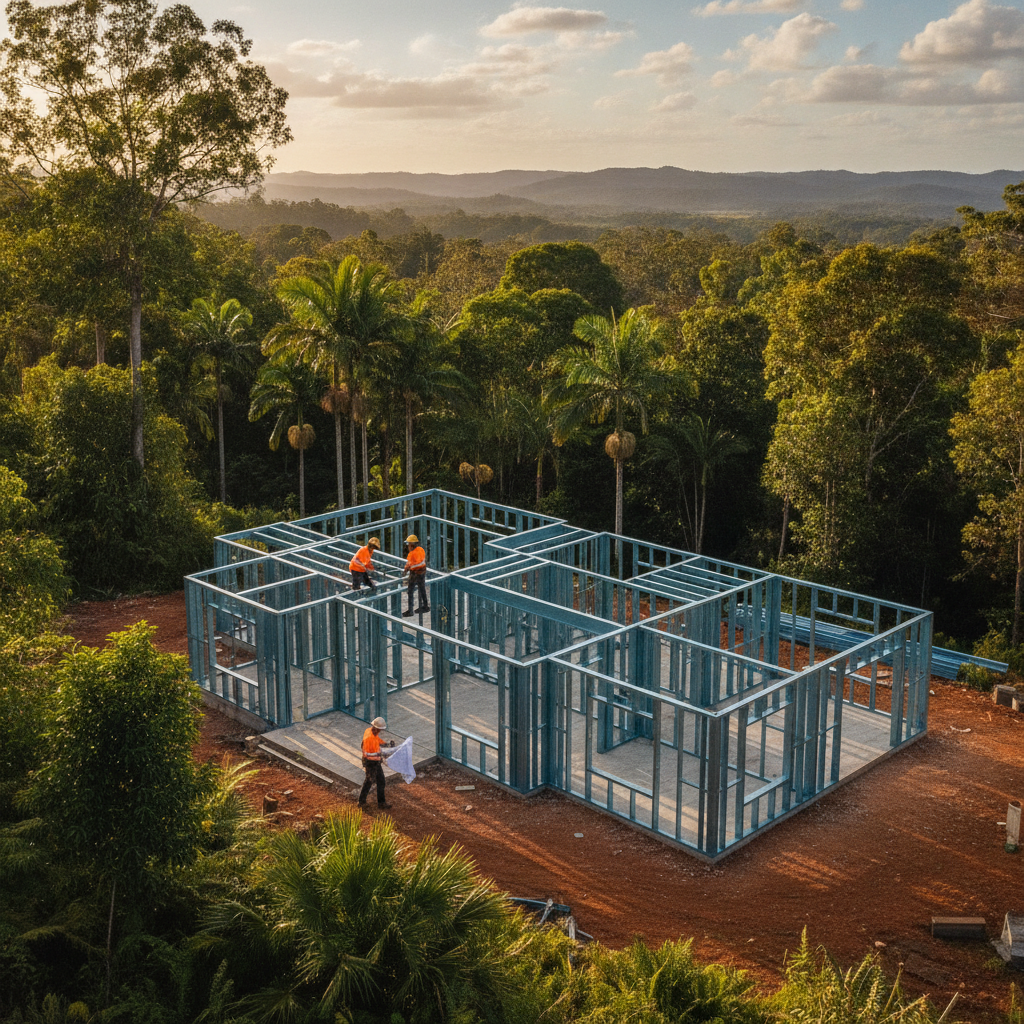
Becoming an owner-builder is one of the most rewarding ways to create a home in Australia. It offers a level of creative control and personal satisfaction that you simply cannot get from a turnkey build. However, once your steel frame kit home arrives on site, the role shifts from dreamer to project manager. Suddenly, you are the bridge between a high-quality product, like a BlueScope TRUECORE steel frame, and the local tradespeople who will help you bring it all together.
In the world of Australian kit homes, clear communication is the most valuable tool in your belt. Whether you are dealing with the local council, delivery drivers, or a fussy tiler, your ability to speak their language will determine how smoothly the project runs. This guide is designed to help you navigate those relationships, avoid common pitfalls, and ensure your site remains a productive, positive environment.
The Foundations of Trade Relationships
Many first-time owner-builders feel intimidated when talking to licensed trades. You might worry about not knowing the technical jargon or feel like you are being judged for being a DIYer. The reality is that good tradespeople respect owner-builders who are organized, respectful, and realistic.
Start by remembering that you are the client, but you are also the boss. A professional trade relationship is built on mutual respect. They bring technical expertise, and you bring the vision and the site readiness. If you treat your trades like partners rather than just hired hands, they are far more likely to go the extra mile for you when the inevitable challenges arise.
Speak the Language (Without Faking It)
You do not need to be an expert in every field, but you should understand the basics of the stage you are managing. If you are discussing the arrival of your steel frames, understand what a floor joist is versus a wall stud. If you are talking to a plumber, know where your stack points are. Using the correct terminology prevents errors and shows the trade that you have done your homework. If you do not know a term, just ask. It is much cheaper to ask a question than to fix a pipe that was installed in the wrong location.
Managing Kit Home Suppliers with Precision
Your relationship with your kit home supplier is the backbone of the project. Unlike a standard builder, you are responsible for the logistics of the delivery and ensuring the site is ready to receive components. When your kit arrives, it often includes the steel frames, roofing, cladding, and windows. This is a lot of inventory to manage at once.
Preparation is Everything
Before the truck arrives, communicate clearly with the supplier about site access. Is there a clear path for a heavy vehicle? Are there overhead power lines? Is the ground firm enough for a crane or forklift if required? Discussing these details weeks in advance prevents the stress of a delivery driver being unable to unload because of a muddy driveway or a tight corner.
The Inventory Check
When the materials land, do not just wave the driver away. Perform a thorough inventory check immediately. Suppliers provide packing slips for a reason. Verify that the windows, doors, and cladding match your specifications. If something is missing or damaged during transport, report it instantly. Clear communication with your supplier early on ensures that replacement parts do not hold up your trades later in the schedule.
Setting Expectations with Your Tradies
One of the biggest friction points for owner-builders is the schedule. Tradies in Australia are incredibly busy, and if your site is not ready when you said it would be, they will move on to the next job, and you might not see them for weeks.
The Scope of Work
When hiring a trade, provide a written scope of work. Do not rely on verbal agreements over a coffee. For a kit home, specify exactly what they are doing. For example, if you are hiring a carpenter to erect the steel frames, ensure they understand the specifics of working with steel rather than timber. Mention that the frames are pre-drilled and made to precise tolerances. This level of detail helps them quote accurately and plan their tools accordingly.
Documentation and Plans
Always have the latest revision of your plans on site and easily accessible. Digital copies are great, but a physical set in a weatherproof folder is the gold standard for site communication. If a plumber has a question about a drainage point, being able to walk over to a set of plans together prevents expensive misunderstandings.
Communication Channels: What Works Best?
In the modern world, we have too many ways to talk. For a construction project, you need to streamline this to avoid details getting lost in a sea of texts, emails, and voicemail.
- Daily Briefings: If you have multiple trades on site, a five-minute morning chat to discuss what everyone is doing that day is invaluable. It prevents the sparky and the plumber from trying to work in the same small bathroom at the same time.
- The Paper Trail: Use email for anything involving changes to the plan, prices, or timelines. If you have a phone conversation and agree on a change, follow it up with a quick email: "Hi John, just confirming our chat earlier that we are moving the laundry tap 200mm to the left."
- Project Management Apps: There are many simple apps designed for owner-builders that allow you to upload photos and track progress. This can be a great way to keep your suppliers or remote consultants in the loop.
Practical Tips for a Smooth Site
Beyond the technical talk, there are human elements that make a massive difference in how trades communicate with you.
Maintain a Clean Site
A messy site is a dangerous site, and it sends a message that you do not care about the quality of the work. If you keep the site tidy, trades are more likely to respect the space. Have a designated area for off-cuts and waste. If you are building with steel frames, you will notice there is significantly less waste than traditional builds, which makes site maintenance much easier.
The Power of Provisions
It sounds old-fashioned, but providing access to clean water, a toilet, and perhaps a stash of cold drinks can go a long way. In the Australian summer, a trade who feels looked after is a trade who will communicate better and work more efficiently. It creates a positive atmosphere where people feel like part of a team rather than just a number.
Troubleshooting and Conflict Resolution
Despite your best efforts, things will go wrong. A supplier might send the wrong color cladding, or a trade might make a mistake on a finish. How you communicate in these moments is the true test of an owner-builder.
Stay calm and focus on the solution rather than the blame. If a trade makes a mistake, refer back to the written scope of work. This is why having documentation is so critical. Instead of saying "You did this wrong," try "This does not match the dimensions on the plan we agreed on, how can we bring it back into alignment?" This professional approach keeps the relationship intact while ensuring the home is built to your standards.
Embracing the Journey
Building a kit home is a marathon, not a sprint. There will be days when communication feels like a full-time job. But as you see those steel frames rise and the roof go on, you will realize that every conversation you had contributed to the strength and beauty of your new home.
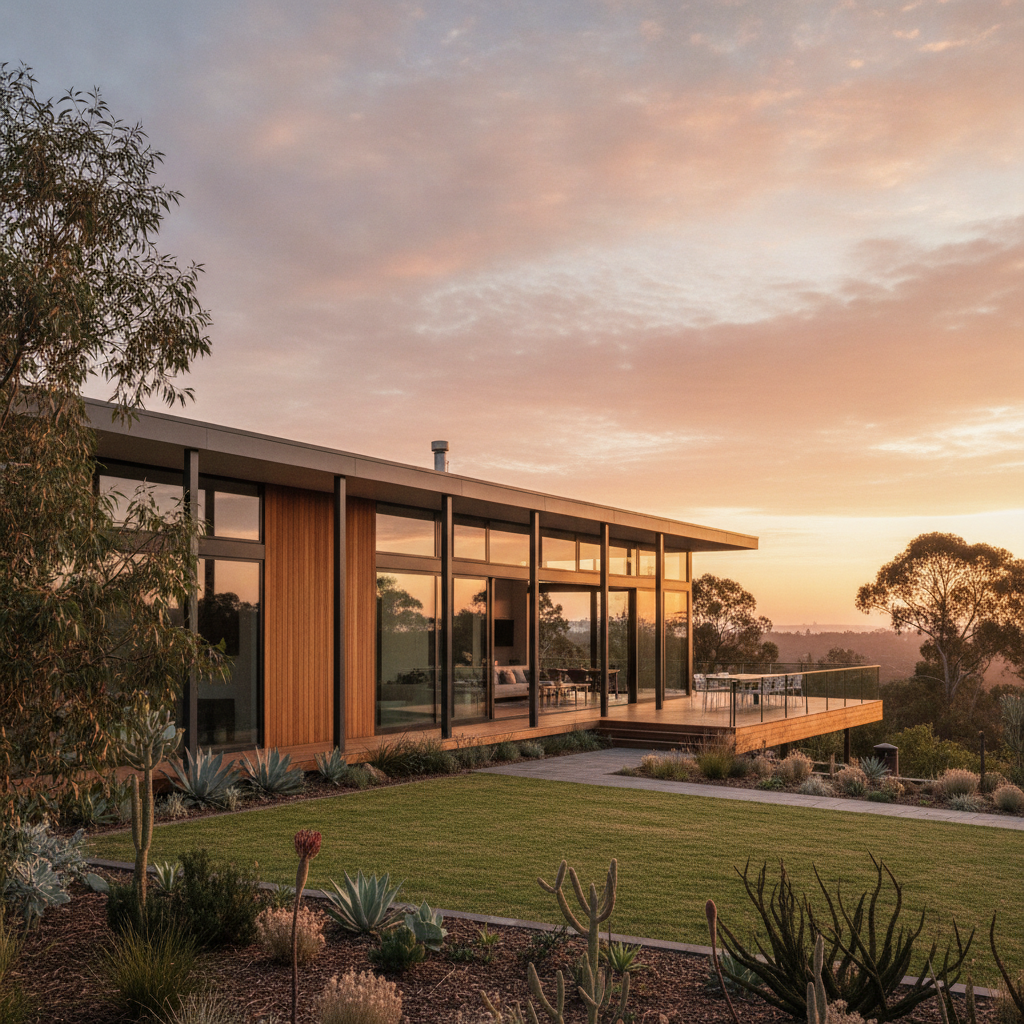
By being organized, clear, and fair, you transform from a bystander into a leader. Most Australian trades appreciate working for an owner-builder who is passionate about their project and treats the site with professionalism. When your kit home is finally complete, you will not just have a house, you will have the knowledge that you managed the entire process from the ground up.
Conclusion
Effectively communicating with trades and suppliers is the secret sauce of successful owner-building. It requires a balance of being firm on your requirements while being flexible enough to listen to professional advice. By using the right terminology, keeping a clear paper trail, and maintaining a positive site culture, you can ensure your Australian kit home project is a rewarding experience. Remember, you are building more than just walls and a roof, you are building a future. Treat your partners well, and they will help you build it right.