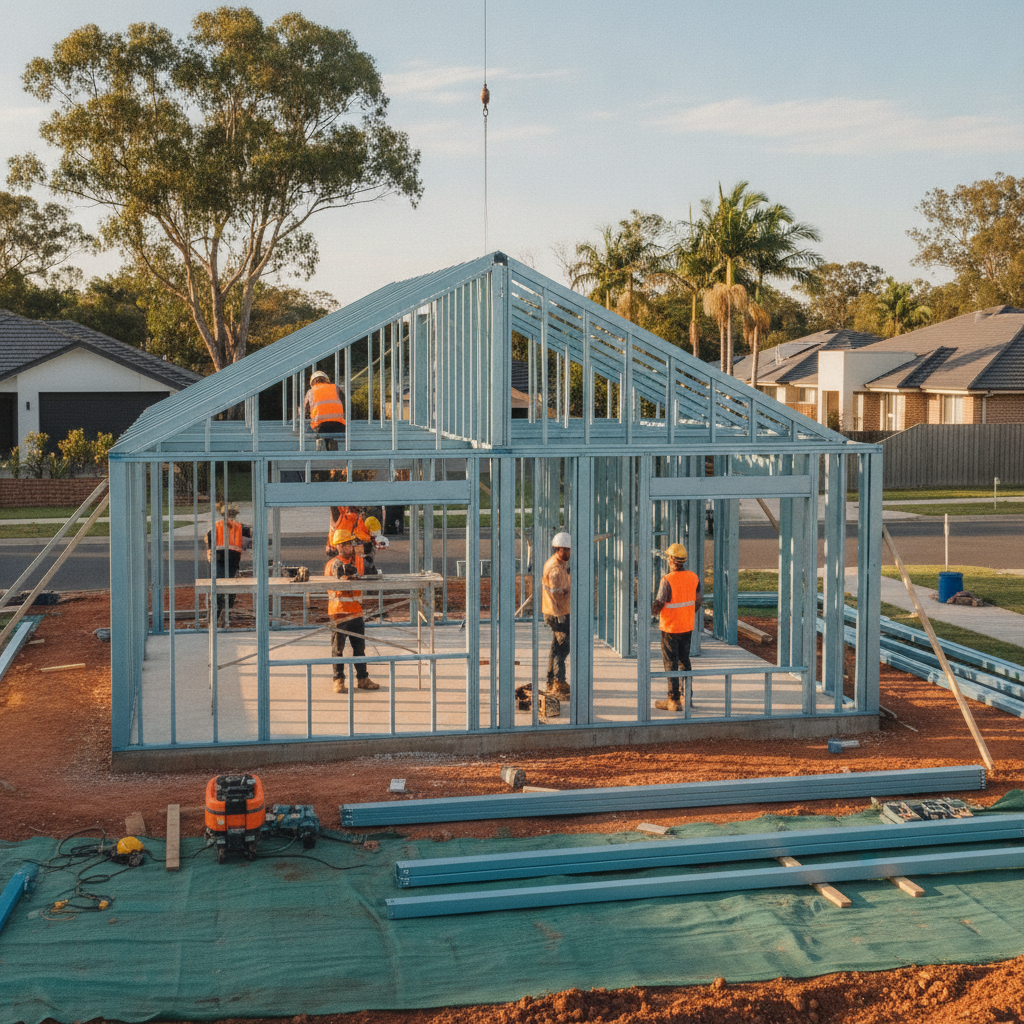
Taking Charge of Your Build: The Owner Builder Journey
There is a unique sense of pride that comes with standing on a plot of land and watching a house rise from the ground through your own coordination and effort. In Australia, the owner builder path is a popular route for those who want creative control and a hands-on connection to their future home. When you choose a kit home, you are already one step ahead with a high quality steel frame and building envelope ready to go. However, the kit is only one part of the equation. The real magic happens when you bring in the right people to turn that kit into a liveable masterpiece.
Managing subcontractors is often the most daunting part of the process for first timers. Unlike a traditional builder who has a stable of trusted trades on speed dial, an owner builder must build their own team from scratch. This requires a mix of clear communication, technical understanding, and old fashioned project management. Here is how you can navigate the world of Australian trades and keep your project moving smoothly.
Understanding Your Role as the Project Manager
As an owner builder, you are essentially the CEO of your construction site. While you might be getting your hands dirty with the assembly of the steel frames or installing insulation, your primary responsibility is coordination. You are the link between the plumber, the electrician, the tiler, and the local council inspectors.
The first step is knowing exactly where your kit home supplier’s job ends and your job begins. With high quality kits, like those utilizing BlueScope steel, you receive the structural components, roofing, and cladding. From there, you need to ensure the slab or subfloor is ready for the frames, and that the trades are booked to come in once the structure is weather tight. It is about timing and sequence.
How to Find and Vet Reliable Subcontractors
In the Australian building industry, word of mouth is still the most powerful tool at your disposal. Start by asking friends or neighbors who have recently built or renovated. Local community social media groups can also be a goldmine for finding trades who live nearby and have a vested interest in maintaining their local reputation.
When you have a shortlist, do not be afraid to ask the hard questions. Are they licensed in your state? Do they have current public liability insurance? Can they provide a certificate of currency? An owner builder is legally responsible for site safety, so ensuring your subcontractors are insured is non negotiable. It is also worth asking if they have worked on kit homes before. While the assembly of a steel frame kit is straightforward, having a plumber or sparky who understands the nuances of working with steel rather than timber can save time during the rough-in stage.
The Art of the Quote: Comparing Apples with Apples
Avoid the temptation to simply pick the cheapest quote. In construction, you often get what you pay for. When requesting quotes, be as detailed as possible. Provide them with your floor plans and the specifications of your kit. If you want specific fixtures or a particular style of cladding finish, let them know upfront.
A good quote should be itemized. It should clearly state what is included and, more importantly, what is excluded. For example, will the electrician supply the light fittings, or are they just installing what you provide? Does the plumber include the cost of the septic system or rainwater tank connection? Getting these details in writing prevents those awkward conversations mid build when things do not go as planned.
Scheduling and the Domino Effect
Constructing a home is like a giant game of Tetris. One piece must fit perfectly before the next can be placed. If the slab is delayed, the frame delivery needs to be pushed back. If the frames are not up, the roof cannot go on. Understanding the critical path is essential for an owner builder.
A common mistake is booking trades too close together. While you want to move fast, you need to leave 'buffer days'. If a carpenter gets rained out on Tuesday, they will need Wednesday to finish, which means the plumber who was supposed to start Wednesday morning is now in the way. Communicate with your trades regularly. A quick text message a week before they are due on site to confirm the schedule can save a lot of headaches.
Communication: Speak the Language
You do not need to be an expert in every trade, but you should understand the basics of what they are doing. Being able to talk about 'rough-ins', 'set-outs', and 'compliance certificates' goes a long way. When a subcontractor sees that you have done your homework and understand the process, it builds mutual respect.
Be present on site, but don't hover. Most trades prefer to get on with the job. However, being there at the start of the day to walk through the tasks and being there at the end to check progress is vital. If something does not look right, ask the question immediately. It is much easier to move a pipe before the concrete is poured than it is after.
Site Etiquette and Professionalism
Treating your subcontractors well is the best way to ensure they do their best work for you. A clean, organized site is a safe and productive site. Make sure there is easy access to power and water. Ensure there is a designated area for waste and that the site is tidy when they arrive.
In the Australian summer, a couple of cold drinks or a bit of shade goes a long way. More importantly, be a prompt payer. Trades are often small business owners, and staying on top of their invoices ensures you remain a priority client if you need them to come back for a small fix later on.
Managing Compliance and Paperwork
One of the most important parts of managing subcontractors is the paperwork they provide you. For every major stage, you will likely need a certificate of compliance to satisfy your building certifier. This might include a glazing certificate, an electrical safety certificate, or a waterproofing certificate for the wet areas. Do not make the final payment for a stage until you have the relevant paperwork in your inbox. Chasing a plumber for a certificate three months after they have left the site is a task nobody wants.
Why Modern Kit Homes Make the Job Easier
While managing trades is your responsibility, the nature of the home you choose can make certain tasks simpler. Modern kit homes using precision engineered steel frames are incredibly consistent. Unlike timber, which can warp or twist, steel stays straight and true. This means when the plasterers come in to hang the internal walls, they aren't fighting with uneven studs. When the kitchen installers arrive, the walls are square, making their job faster and more accurate. By choosing a high quality kit, you are essentially giving your subcontractors a perfect canvas to work on, which reduces the likelihood of disputes or additional labor costs.
The Final Walkthrough
Before you sign off on any subcontractor’s work, perform a thorough inspection. Check the finish of the paint, the alignment of the tiles, and the operation of the doors and windows. If there are minor defects, create a 'snag list' and work through it with the contractor. Most professionals take pride in their work and will be happy to rectify small issues to ensure a satisfied customer.
Conclusion
Managing subcontractors as an owner builder is a steep learning curve, but it is also one of the most rewarding aspects of building your own home. It gives you a deep understanding of how your house is put together and ensures that everything is done to your satisfaction. By being organized, communicating clearly, and treating your trades with respect, you can navigate the construction process with confidence. Remember, you aren't just building a house, you are leading a team to create your future home. With a solid kit as your foundation and a reliable team of trades by your side, your Australian dream is well within reach.