Taking the Reins as an Owner Builder
There is a unique sense of pride that comes with standing in a home you helped build with your own two hands, or at the very least, managed with your own vision. In Australia, the owner builder path is a popular route for those looking to get more involved in the construction process. When you choose a kit home, you are already one step ahead with a structured system, but the real magic happens in how you manage the people who help put it all together.
Managing subcontractors is perhaps the most critical skill an owner builder can possess. You are essentially stepping into the role of a Project Manager. While the kit provides the high quality components, like the BlueScope TRUECORE steel frames, roofing, and cladding, it is up to you to coordinate the plumbers, electricians, and slab layers who bring the site to life. Here is how you can master the art of subcontractor management while building your Australian kit home.
1. Start with a Clear Scope of Work
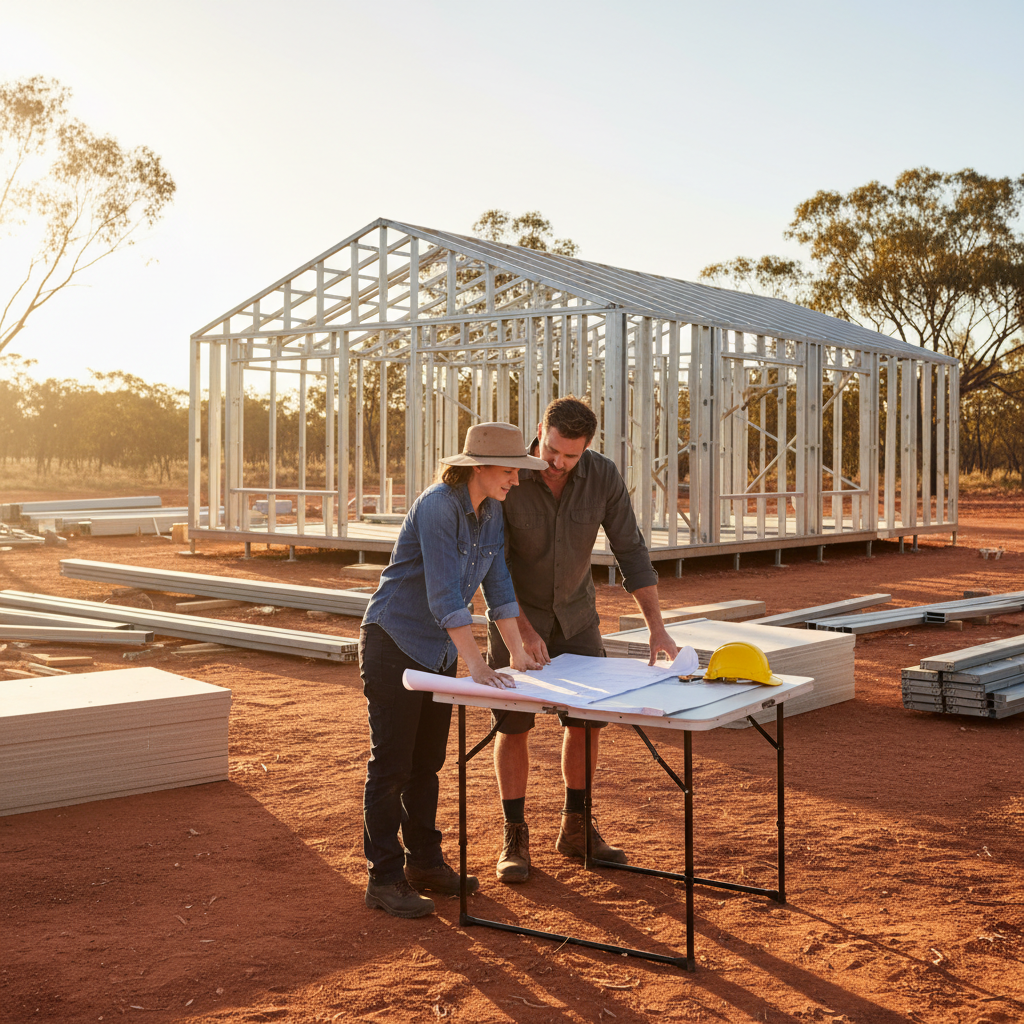
One of the most common pitfalls for owner builders is a lack of clarity. Before you even call a tradesperson for a quote, you need to know exactly what you are asking them to do. Since your kit home comes with detailed plans and engineering for the steel frames and trusses, you already have a fantastic baseline. Use these documents to explain the project to your subs.
When dealing with subcontractors, be specific. Instead of saying, "I need some plumbing done," show them the floor plan and explain that the kit uses a concrete slab or a raised floor system. Clarity upfront prevents "scope creep" later on and ensures that the quotes you receive are accurate and comparable.
2. The Advantage of Working with Steel Frames
As an owner builder, you will quickly find that the choice of materials impacts how easily you can manage your trades. Steel frame construction is a dream for subcontractors who appreciate precision. Because steel frames are manufactured to millimetre perfect specifications, every stud is straight and every opening is square.
When your electrician or plumber arrives on site, they will find that pre-punched service holes in the steel frames make their job significantly faster. There is no need for them to spend hours drilling through timber studs. This efficiency is a great selling point when negotiating with trades. If they know the job will be straightforward and the walls are perfectly straight, they are often more keen to work on your project.
3. Vet Your Trades Thoroughly
In the Australian building industry, reputation is everything. When looking for subcontractors, do not just settle for the first person who answers the phone. Ask for recommendations from other owner builders or check local community groups. A good subcontractor should be happy to provide proof of their license and insurance.
Since you are managing a kit home build, it can be beneficial to find trades who have experience with steel frame construction or kit assemblies. While any qualified trade can work on these homes, those familiar with the speed and accuracy of steel often work more efficiently, saving you time in the overall construction schedule.
4. Communication is Your Best Tool
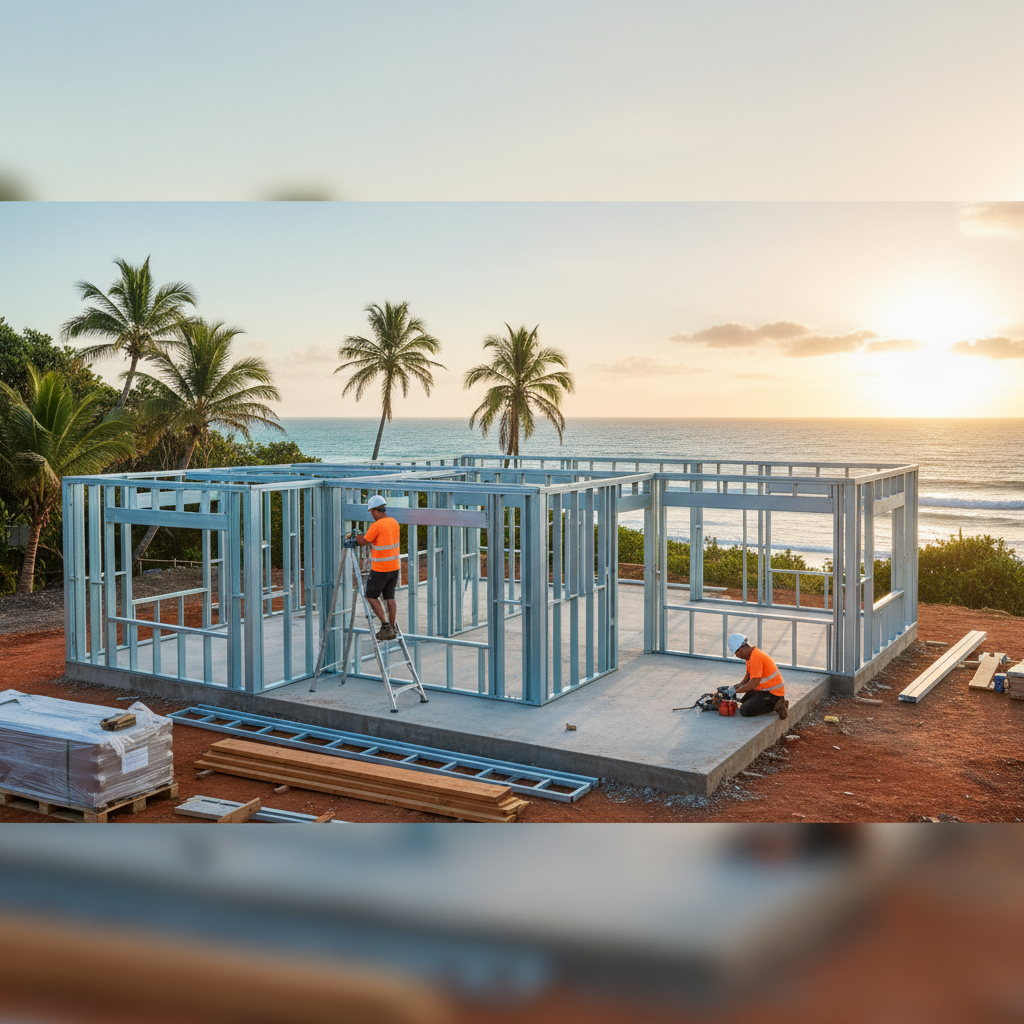
Effective management is 90 percent communication. Once you have hired your team, keep them in the loop. Construction is a sequence of events. The slab must be poured before the steel frames can be erected, and the frames must be up before the roof goes on. If there is a delay in your kit delivery or an unexpected weather event, let your subcontractors know immediately.
Treat your trades with respect. A friendly check-in and an organized site go a long way. Make sure there is clear access to the site, a place for them to park, and that you have communicated where the temporary power and water are located. A happy subcontractor is a productive one.
5. Understand the Sequencing
As the project manager, you need to understand the logical flow of a kit home build. Generally, the process looks like this:
- Site preparation and earthworks
- Slab or footing installation
- Erection of the steel frames and roof trusses
- Installation of windows and external doors
- Roofing and cladding (reaching the "lock-up" stage)
- Internal services (plumbing and electrical rough-in)
- Insulation and internal linings
- Fit-out and finishing touches
Managing subcontractors means ensuring the plumber does not show up on the same day the delivery truck is arriving with your steel frames. Space out your trades to ensure they have the room they need to work safely and effectively.
6. Quality Control and Inspections
Even though you are the owner builder, you still need to adhere to Australian Building Standards. This involves scheduling inspections at various stages. Your building surveyor or certifier will need to see the project at key milestones, such as the slab pour and the frame inspection.
Do not be afraid to ask your subcontractors questions. If something does not look right, ask them to explain it. Quality steel frames are exceptionally durable and termite proof, which gives you peace of mind, but you still need to ensure that the assembly of the cladding and the sealing of windows are done to a high standard to ensure the home is watertight.
7. Safety First on Site
As the person in charge, you have a responsibility to maintain a safe work site. This is a legal requirement for owner builders in Australia. Ensure all subcontractors have their White Card (construction induction training) and that they are following safe work practices. A tidy site is a safe site. Keeping the area around your steel frames clear of debris and offcuts will help prevent trips and falls, making the site more professional and inviting for your trades.
8. Handling Pick-up Work and Clean-up
One of the most valuable tips for an owner builder is to clarify who is responsible for cleaning up. Construction creates waste, from offcuts of cladding to packaging from your windows and doors. Usually, subcontractors are responsible for their own mess, but you should confirm this in your initial agreement. If you want to keep costs down, you might choose to handle the site clean-up yourself, allowing your skilled trades to focus on the technical work.
The Reward of the Journey
Managing a project as an owner builder is a steep learning curve, but it is incredibly rewarding. By choosing a kit home with a precision engineered steel frame, you are providing yourself and your subcontractors with a high quality foundation. The accuracy of steel makes the subsequent stages of the build much smoother, from the way the plasterboard sits on the walls to the way the doors swing in their frames.
Stay organized, keep the lines of communication open, and do not be afraid to rely on the expertise of your qualified trades. Your kit home is more than just a house, it is a project that you have led from the ground up. With the right management approach and a focus on quality materials, you will soon be enjoying the lifestyle that comes with a home built specifically for you, by you.