The Rise of the Multi-Generational Household
Across Australia, the way we live is undergoing a significant shift. The traditional nuclear family model is making way for something more communal, connected, and practical: multi-generational living. Whether it is adult children staying home longer to save for their first property, or grandparents moving in to be closer to their grandkids, more Australians are looking for housing solutions that bring the family together without compromising on personal space.
This is where the versatility of kit homes truly shines. From a design and lifestyle perspective, a kit home offers a unique canvas to create a residence tailored to your family's specific needs. By choosing to build a home designed for multi-generational living, you are not just building a structure; you are creating a lifestyle that fosters closeness, supports shared responsibilities, and provides a safety net for every stage of life.
Defining the Multi-Generational Lifestyle
Living with several generations under one roof is a rewarding experience, but it requires thoughtful planning. The goal is to balance 'togetherness' with 'autonomy'. Successful multi-generational designs focus on creating zones that allow for privacy while providing inviting communal areas where everyone can gather.
In the Australian context, this often looks like an expansive open-plan living area that flows out to an alfresco deck, paired with distinct bedroom wings or a secondary dwelling. The flexibility of kit homes allows owner-builders to select floor plans that can be adapted to these specific requirements, ensuring that the legacy of the home lasts for decades.
Design Principles for Harmony and Privacy
1. The Power of Zoned Living
When designing or selecting a kit home floor plan, think in terms of zones. A popular layout involves a central hub, containing the kitchen, dining, and main lounge, which acts as the heart of the home. Branching off from this hub should be distinct wings. For example, the master suite might be located at one end of the house, while a secondary suite for grandparents or older children is situated at the opposite end. High-quality insulation, which is a standard inclusion in many Australian kit homes, plays a vital role here by providing acoustic privacy between these zones.
2. Dual Living Spaces
Even the closest families need a break from one another. Incorporating a second smaller lounge, often called a 'retreat' or a 'snug', is a lifesaver. This gives different generations a place to watch their own shows, read a book, or host visitors without occupying the main family area. When looking at your kit home options, consider designs that offer a flexible room that can serve as a home office, a playroom, or a private sitting room.
3. Universal Design and Accessibility
A key aspect of multi-generational living is 'ageing in place'. This means designing the home so it remains functional as family members get older. Practical tips include wider hallways, step-free entries, and bathrooms with walk-in showers rather than tubs. Because kit homes often utilise high-strength steel frames, they allow for wide, open spans and flexible internal layouts, making it easier to incorporate these accessible features without sacrificing style.
Practical Kit Home Tips for Success
If you are considering a kit home for your multi-generational project, here are some actionable tips to keep the process smooth:
- Choose the Right Orientation: Maximise Australia's beautiful climate by orienting your living areas toward the north. This ensures plenty of natural light, which makes shared spaces feel larger and more inviting.
- Prioritise Kitchen Functionality: In a house with many adults, the kitchen gets a workout. Consider a design with a butler's pantry or ample bench space so multiple people can prepare meals simultaneously without bumping into each other.
- Think About Storage: More people mean more stuff. Look for floor plans that offer generous storage solutions, such as walk-in robes and integrated linen cupboards, to keep the home clutter-free.
Owner Builder Tips: Navigating the Project
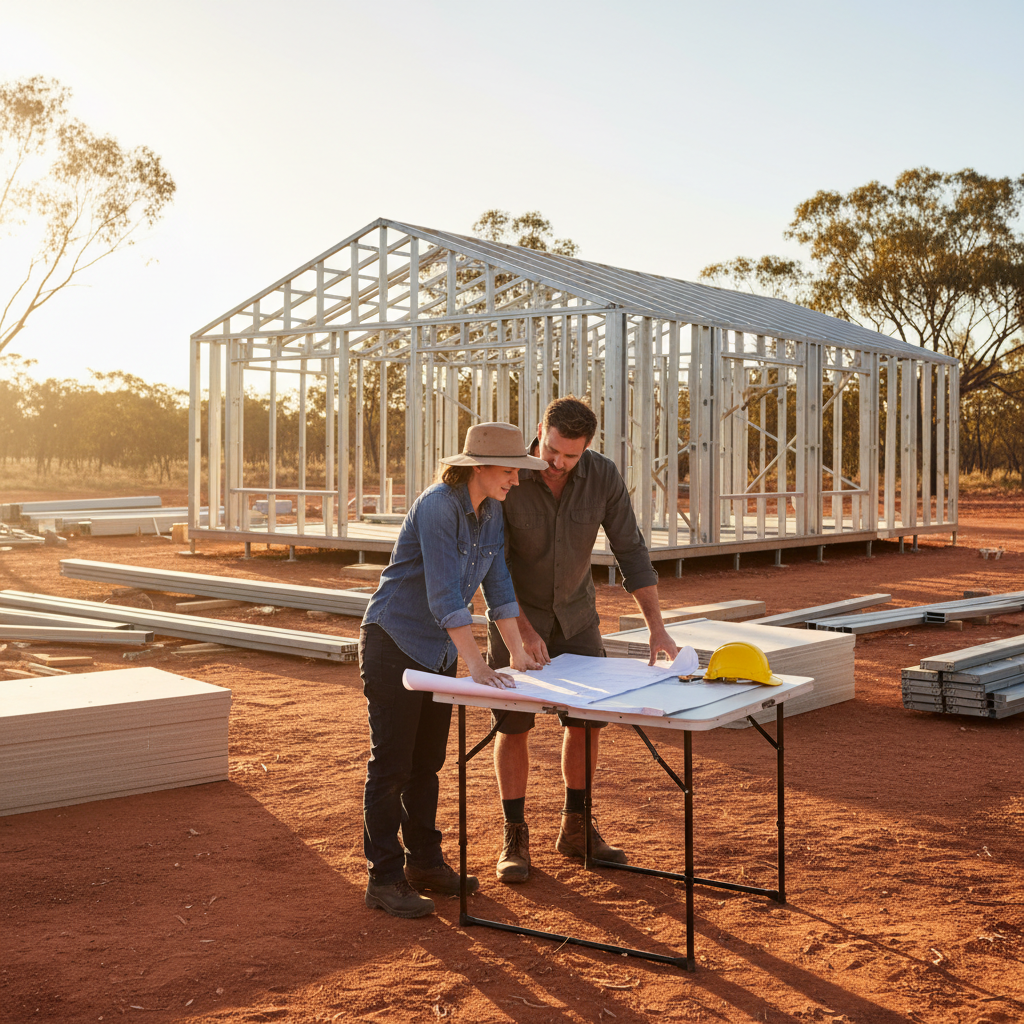
Taking on the role of an owner-builder is a massive undertaking, but it is incredibly rewarding. To succeed, you need to be professional and organised. Start by building a strong relationship with your local trades. While your kit provides the 'bones' of the house, including the steel frames, roofing, and cladding, you will need reliable plumbers and electricians to bring the home to life.
Managing the site effectively is also crucial. Keep a clean site and ensure that deliveries are coordinated so that materials like windows and doors are stored safely until they are ready to be installed. Remember, as an owner-builder, you are the project manager. Clear communication with your family about the timeline and the process will help manage expectations and keep the project on track.
The Beauty of Steel Frame Construction
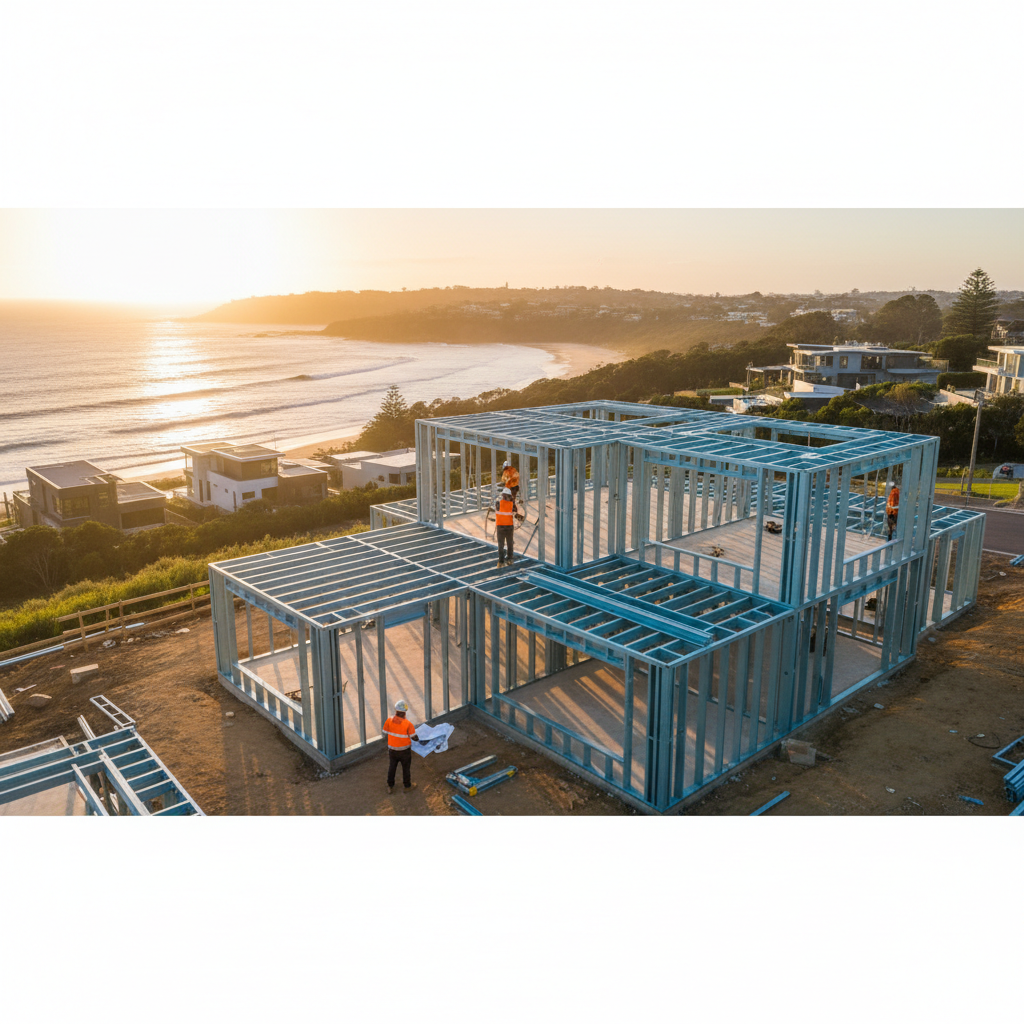
In the Australian environment, the choice of materials matters. Using TRUECORE steel or similar high-quality BlueScope Steel frames provides a level of precision that is hard to beat. Steel is straight and true, which makes the subsequent fit-out much easier for the owner-builder. Furthermore, steel is non-combustible and termite-proof, offering peace of mind for a family home that is meant to stand the test of time. In a multi-generational setup, knowing the structure of the home is durable and low-maintenance allows the family to focus on what matters most: spending time together.
Lifestyle Benefits of the Modern Kit Home
The lifestyle transition to a multi-generational kit home often brings unexpected joys. There is a sense of security that comes from having family nearby. Grandparents can play an active role in daily life, and the financial burden of maintaining a large property can be shared, allowing for a higher quality of life for everyone involved.
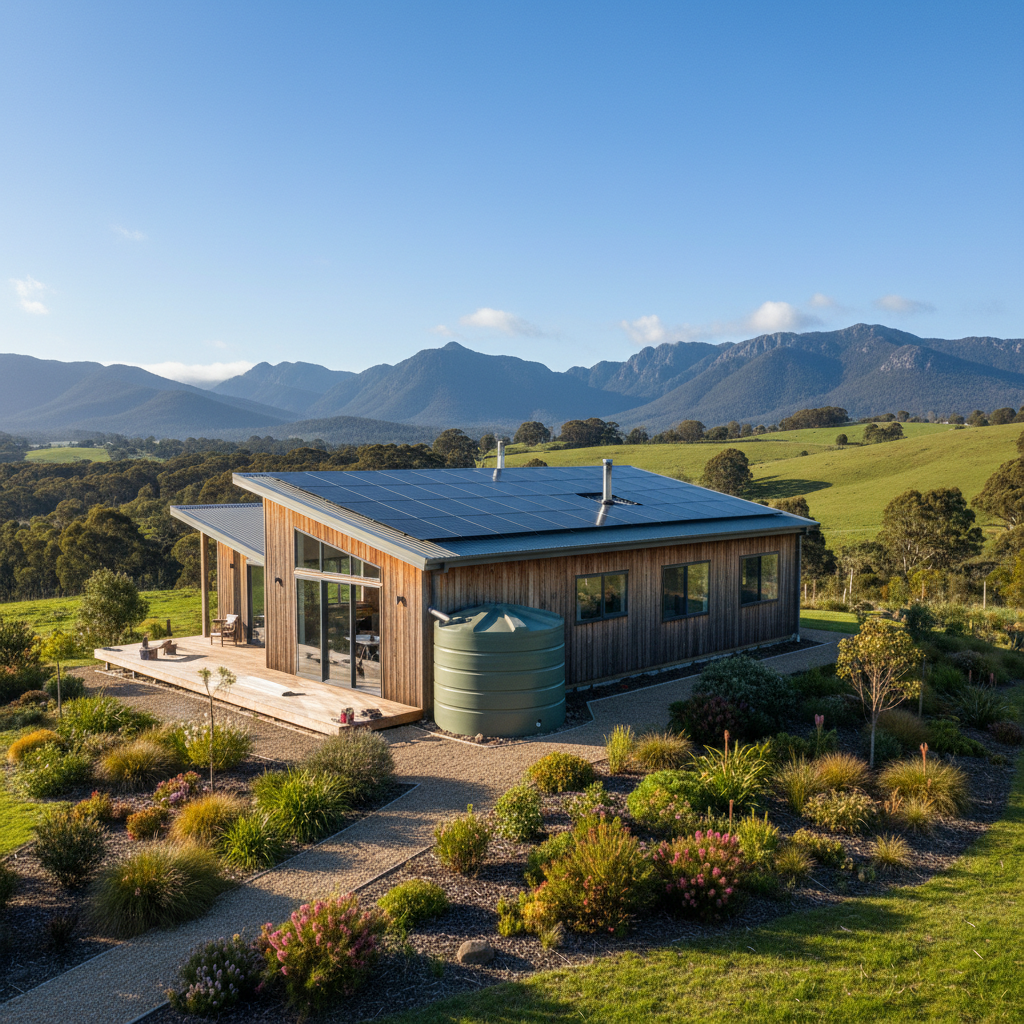
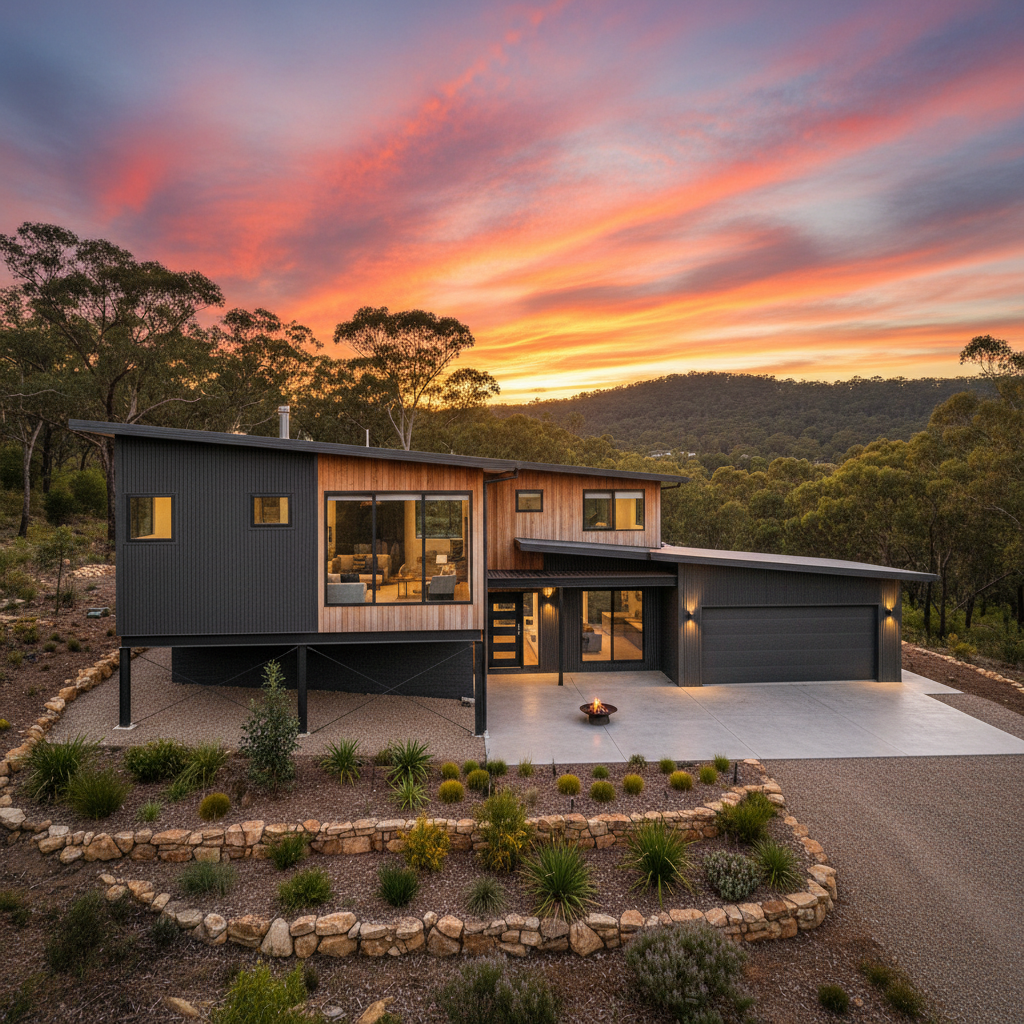
From a design perspective, these homes don't have to look like traditional 'granny flats'. Modern kit homes feature contemporary cladding, large windows, and sleek rooflines that rival any custom architect-designed house. You can create a home that is as beautiful as it is functional, reflecting the modern Australian aesthetic of indoor-outdoor living.
Navigating Council and Resilience
Before you dive into your build, it is essential to check with your local council regarding regulations for multi-generational dwellings. Some regions have specific rules about secondary dwellings or 'dual occupancy'. As an owner-builder, doing your homework early in the piece will prevent headaches later on. Choosing a kit home supplier who provides comprehensive engineering and plans can significantly simplify the council approval process.
Conclusion: A Future-Proof Home
Designing a home for multiple generations is about more than just square footage; it is about creating a flexible environment that evolves with your family. By choosing a kit home, you gain the freedom to select a layout that prioritises privacy, accessibility, and shared joy. Whether it is through the strength of steel frames or the smart zoning of living areas, a multi-generational kit home is a smart, sustainable, and soulful way to live in modern Australia.
Embrace the challenge of the owner-builder journey, and you will be rewarded with a home that truly serves as the heart of your family for years to come.