The Roadmap to Compliance: Understanding Kit Home Inspections
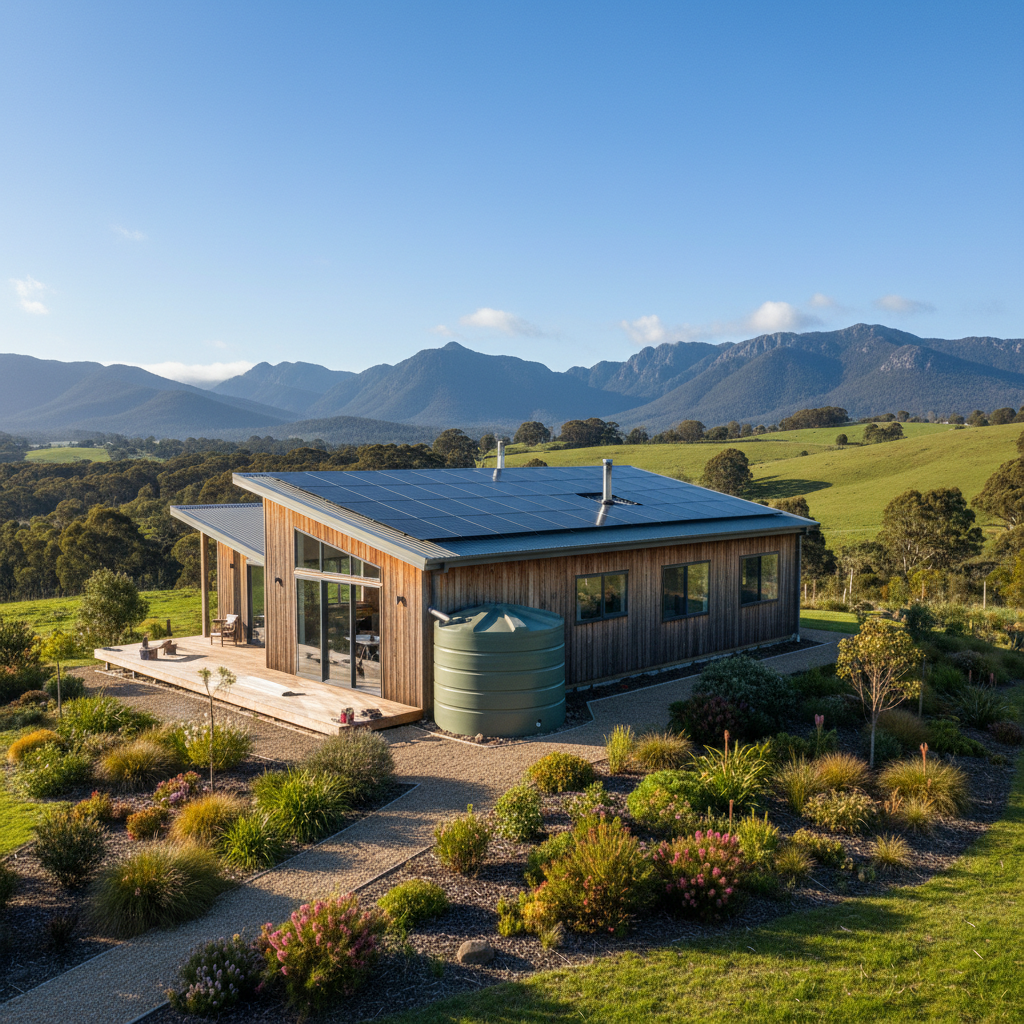
Embarking on an owner builder journey with a kit home is one of the most rewarding ways to create a sanctuary in the Australian landscape. Whether you are building a coastal retreat or a rural homestead, the process of assembling high quality components like BlueScope steel frames offers a unique sense of accomplishment. However, between the excitement of the first delivery and the day you move in, there is a critical series of milestones that every builder must navigate: council inspections.
For many first time builders, the word inspection can trigger a bit of anxiety. Thoughts of stern officials with clipboards looking for minor flaws might come to mind. In reality, building inspectors and private certifiers are your partners in safety. Their role is to ensure that your home is structurally sound, weather tight, and compliant with the Building Code of Australia (BCA). In this guide, we will break down exactly what happens during these visits and how you can prepare your kit home site for a smooth approval process.
1. The Pre-Slab and Footing Inspection
Before any steel arrives on site, your focus will be on the ground. The very first inspection usually occurs once your trenches are dug and your reinforcement is laid, but before the concrete is poured. This is a critical stage because once that concrete is in, you cannot go back and fix what is underneath it.
The inspector will check that the footings match the engineered plans provided with your kit. They want to see that the depth and width of the trenches are correct for your soil type. For those building on a concrete slab, they will verify the placement of the moisture barrier (the plastic membrane) and ensure that the steel mesh is properly supported with internal chairs so it sits in the middle of the slab rather than sinking to the bottom. They will also look at your plumbing penetrations to ensure they are in the right spot according to your floor plan.
2. Frame Inspection: Where the Kit Comes to Life
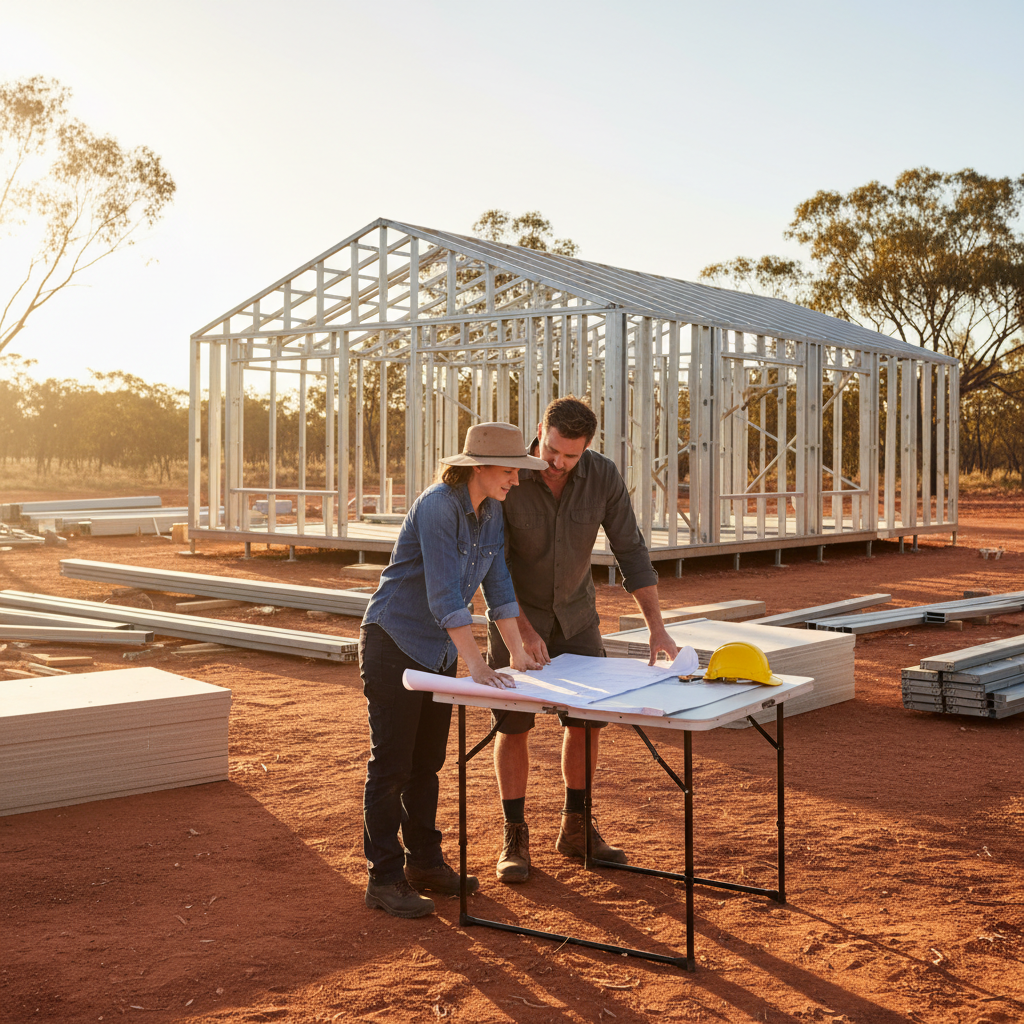
This is arguably the most important stage for a kit home owner. Once your TRUECORE steel frames are standing and the roof trusses are secured, the inspector will return. This inspection must happen before you install any wall cladding or internal insulation, as the inspector needs to see the bones of the structure.
When working with steel frames, the inspector will be looking for specific technical details:
- Tie-downs and Fixings: Are the frames securely anchored to the slab or sub-floor according to the engineering specifications?
- Bracing: Have the bracing sets been installed in the exact locations shown on your plans? Steel frames rely on specific bracing patterns to manage wind loads.
- Straightness and Plumb: The inspector will use a level to ensure your walls are vertical and your corners are square.
- Service Holes: They will check that any holes drilled for electrical or plumbing have plastic grommets to protect wires and pipes from rubbing against the steel edges.
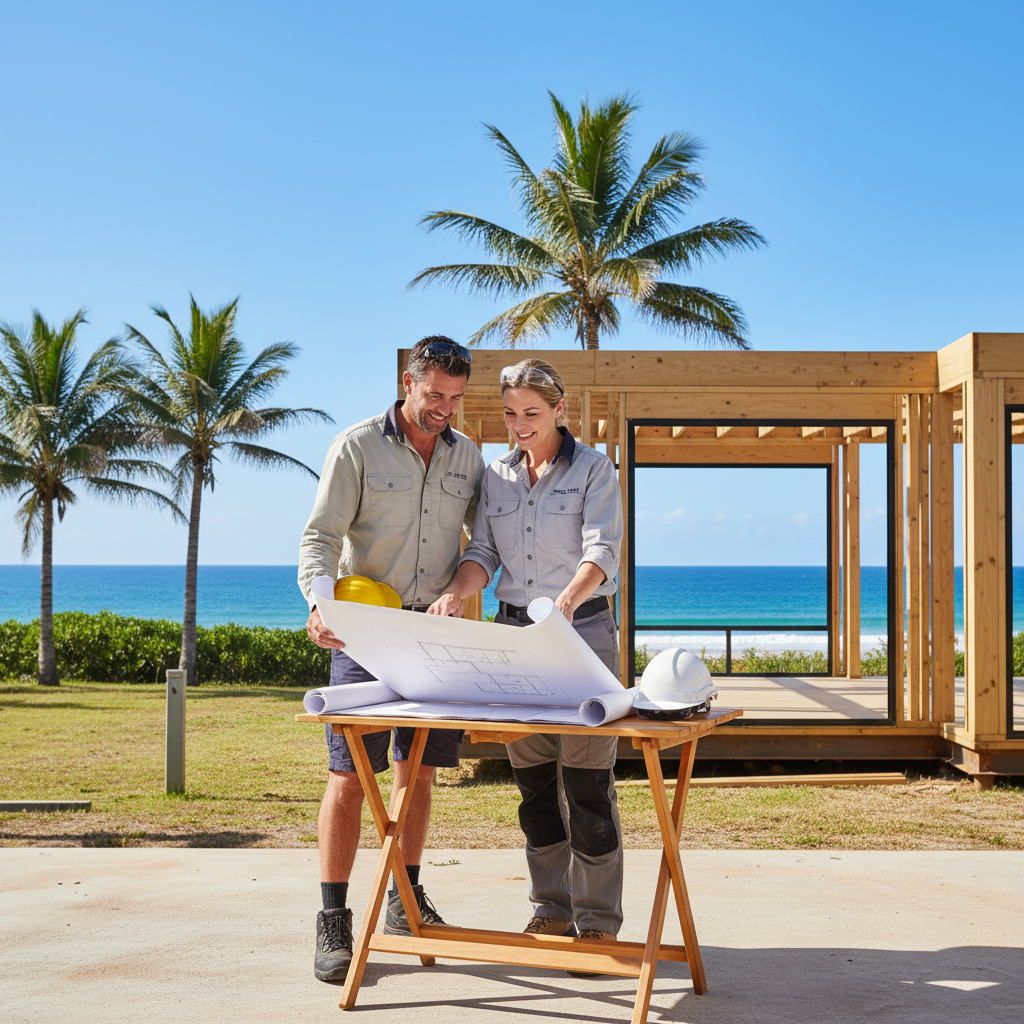
A great tip for owner builders is to have your engineering drawings and assembly manual handy during this visit. If the inspector has a question about a specific connection, you can show them exactly what the manufacturer specified.
3. The Wet Area and Waterproofing Inspection
Water damage is one of the most common issues in Australian housing, which is why councils take waterproofing very seriously. This inspection happens after your wall linings are up in the bathrooms and laundry, but before you start tiling. The inspector will check the application of the waterproofing membrane in shower recesses and across the floor. They are looking for a continuous, seamless barrier that meets Australian Standards. They will also verify that the floor has the correct fall toward the wastes to prevent pooling water.
4. The Lock-Up or Pre-Plaster Inspection
While often grouped with the frame inspection, some jurisdictions require a separate check once the windows are in and the roof is on. The goal here is to ensure the building is weather tight. For a kit home, this means checking that the flashings around windows and doors are installed correctly. In Australia, our weather can be harsh, so the inspector wants to be sure that heavy rain won't penetrate the building envelope and cause structural issues later on.
5. The Final Inspection: Obtaining the Certificate of Occupancy
The final inspection is the big one. This is where the inspector looks at the finished product to ensure the home is safe for habitation. This covers a broad range of items, including:
- Smoke Alarms: Ensuring they are hard-wired and placed in the correct locations.
- Handrails and Balustrades: Checking that any decks or stairs have compliant railings.
- Energy Efficiency: Confirming that the insulation, glazing, and sealing match your energy rating report.
- Stormwater: Verifying that your downpipes are connected to a legal point of discharge, such as a water tank or street drainage.
- External Clearances: Ensuring the finished ground level outside sits low enough below the weep holes and termite barriers.
Once you pass this stage, you receive your final certificate, which is the official green light to move in. It is a moment of immense pride for any owner builder.
Technical Tips for a Stress-Free Inspection
Preparation is the key to passing inspections on the first go. Here are some practical steps you can take to stay ahead of the game:
Keep a Clean Site
It might sound simple, but a tidy worksite sends a message to the inspector that you are organized and attentive to detail. If they arrive and see building debris everywhere, they may look more critically at your work. Keep your materials stacked neatly and clear away off-cuts daily.
Document Everything
Take photos of your progress at every stage, especially things that will eventually be covered up. If a question arises later about a pipe or a piece of steel bracing, having a photo on your phone can save you from having to peel back a sheet of plasterboard.
Communication is Crucial
Don't be afraid to call your building surveyor or inspector before the official visit. If you are unsure about a technical detail in your steel frame assembly or how a flashing should sit, ask for clarification. It is much easier to fix a minor issue during the build than to redo it after an inspection failure.
Manage Your Certificates
As an owner builder, you are the project manager. This means you need to collect certificates from your licensed trades. Your plumber needs to provide a compliance certificate for the drainage and gas, and your electrician must provide one for the wiring. You will need to present all of these to the inspector during the final sign-off.
Why Steel Frames Make Inspections Easier
Using a kit home with steel frames often simplifies the inspection process. Because the frames are manufactured using precision technology, the dimensions are incredibly accurate. Unlike timber, steel does not warp, twist, or shrink. When the inspector puts their level on a steel wall, it is almost always perfectly plumb. This consistency builds confidence with inspectors, as they know the structural core of the home is engineered to high standards. Furthermore, steel is non-combustible and termite-proof, which helps in meeting specific safety requirements in bushfire-prone or high-termite areas across Australia.
Conclusion
The council inspection process is not a hurdle to clear, but a series of safety checks designed to protect your investment and your family. By understanding the stages from the initial footings to the final certificate, you can approach your kit home project with confidence. Remember to stay organized, keep your lines of communication open, and take pride in the technical accuracy of your build. There is nothing quite like the feeling of receiving that final approval and knowing that the home you built with your own hands is safe, compliant, and ready for a lifetime of memories.