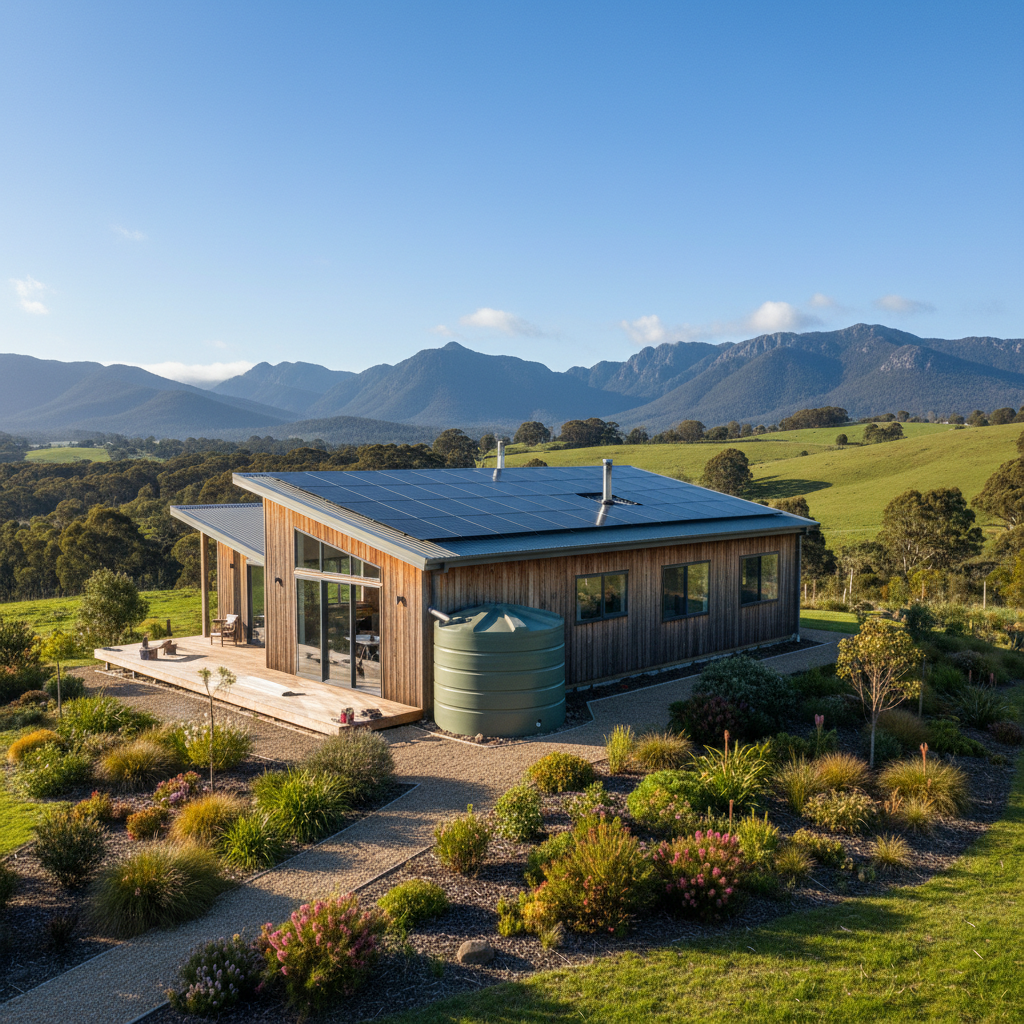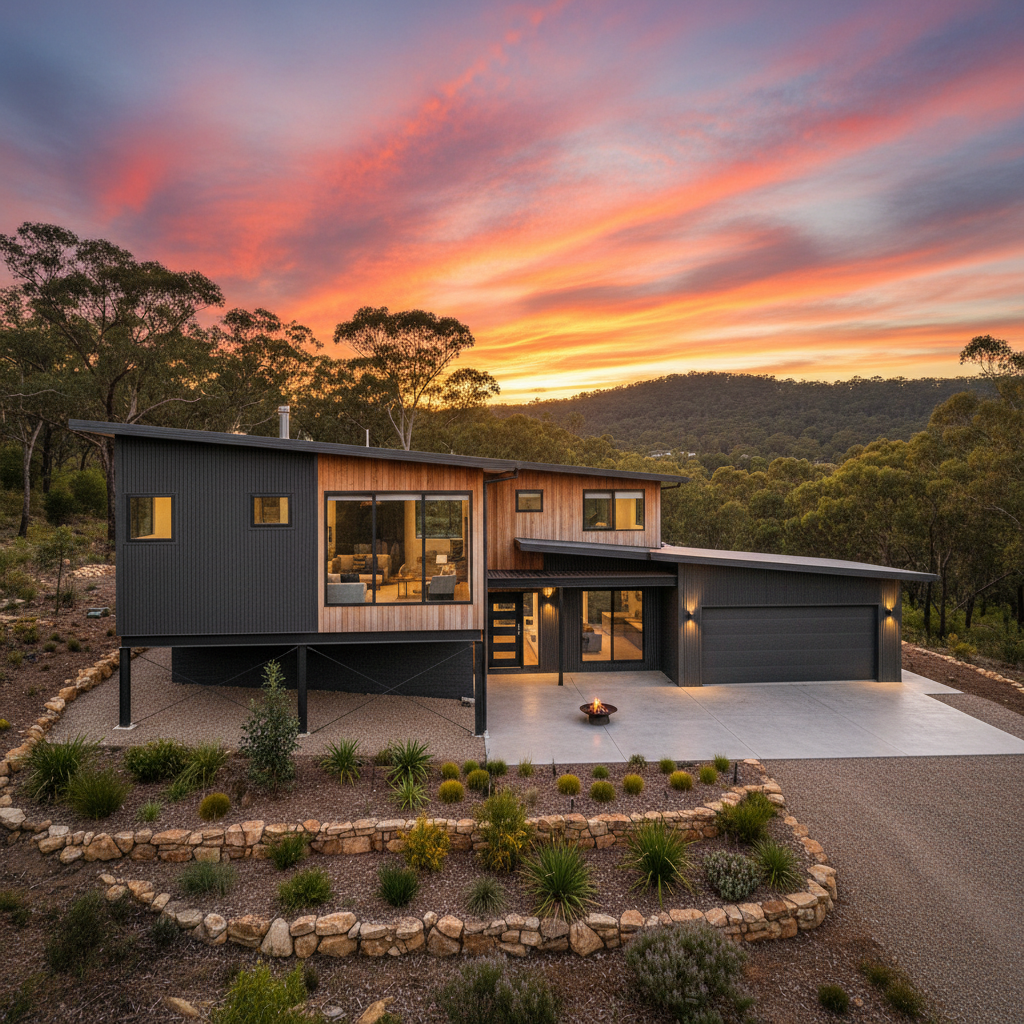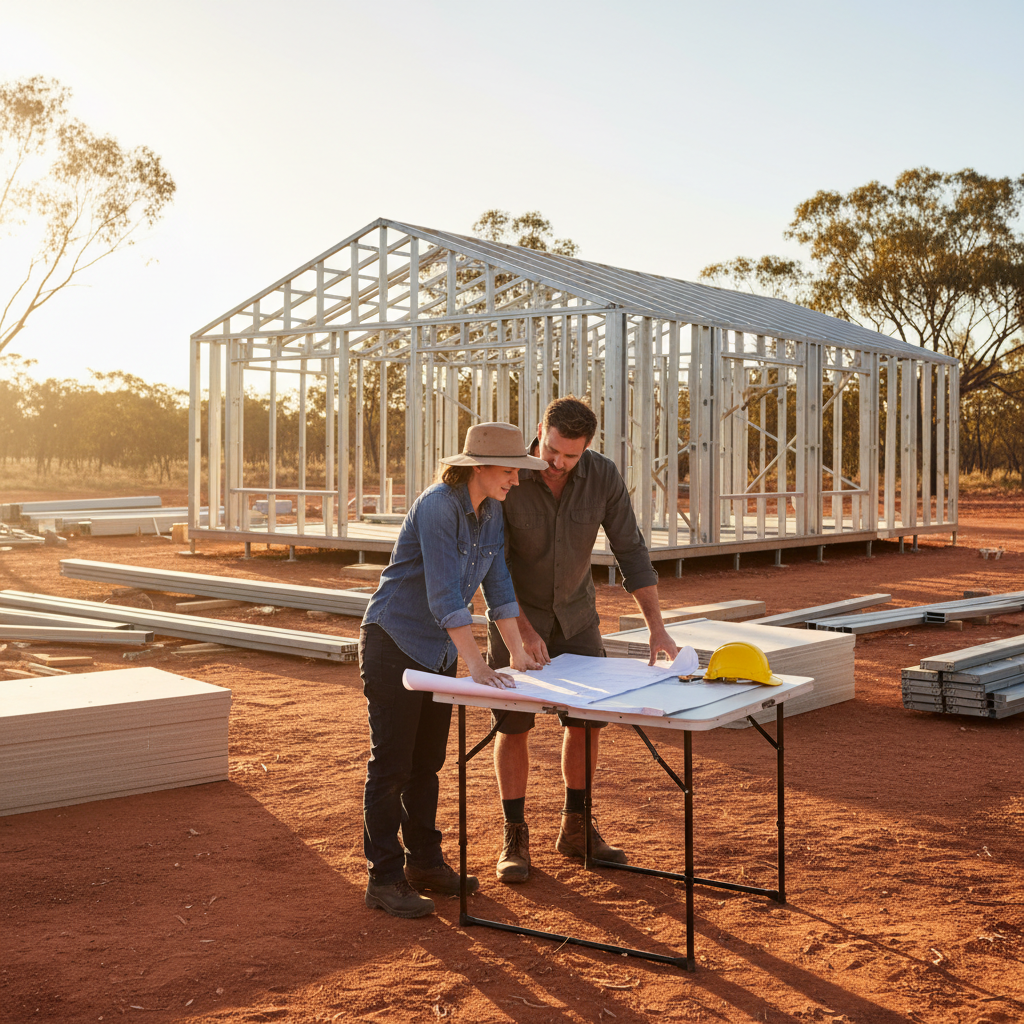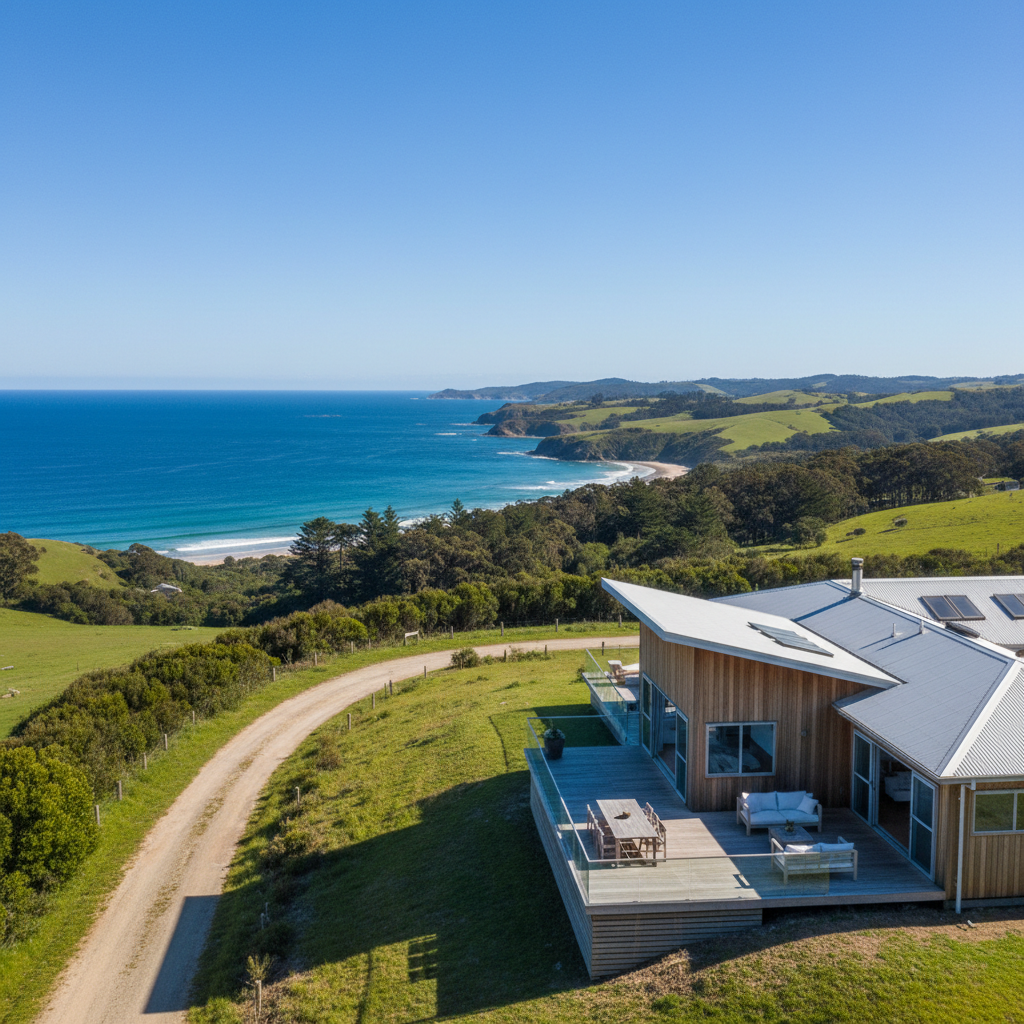
I saw a bloke in the Hunter Valley last year who thought he was being clever. He'd just taken delivery of a beautiful set of TRUECORE steel frames for a three-bedroom kit home. He'd skipped the specific owner builder insurance because he reckoned his standard home and contents policy would cover the 'renovation'. Then a freak East Coast Low kicked in on a Tuesday night. Wind gusts ripped through the unsecured frames, dragging half the roof trusses across his neighbor's expensive pool fence and into a parked ute. His insurer laughed him out of the room. He was out forty grand before he'd even swung a hammer.
The Myth of the 'She'll Be Right' Insurance Strategy
Most owner builders think insurance is just another box to tick for the bank or the council. It isn't. When you step into the shoes of a head contractor, you're the one legally responsible for every single toe stubbed and every sheet of BlueScope steel that blows off the back of a truck. You aren't just a homeowner anymore. You're a business entity in the eyes of the law.
Public Liability is the big one people talk about. If a delivery driver trips over a stack of insulation or a loose offcut of cladding and breaks his wrist, you're on the hook. But here is the thing. Standard public liability often has narrow definitions. You need a policy specifically tailored for owner builders that covers third-party injury and property damage for the entire duration of the build, plus a bit of breathing room if the project runs over time. Because let's be honest, life happens and projects rarely finish on the exact date you told the council.
Construction Risks and Material Theft
Kit homes are a prime target for opportunistic theft. You've got windows, doors, and stacks of roofing sitting in a paddock or on a suburban lot. If someone rocks up with a crane truck at 2am and lifts your steel floor joists, your standard insurance won't care. You need Construction and Public Liability insurance that covers the actual materials on site.
And don't forget fire and storm damage. Steel frames won't burn, which is a massive win for those of us building in BAL-rated areas, but the rest of your kit might. Your timber fit-out materials, your cabinetry, and your insulation are all vulnerable while they're sitting in the shed. I always tell people to check their policy for 'transit cover' too. Sometimes the damage happens between the warehouse and your front gate. If the driver hits a massive pothole and your window frames twist, you want to know who is paying for the replacements before you start the argument.
The Trap of Voluntary Workers Insurance
So, you've got your mates coming over on Saturday to help stood the frames. You've promised them a carton of cold ones and a BBQ lunch. If 'Daz' falls off a ladder and puts his back out, he can't claim Workers Comp because he isn't an employee. But he can absolutely sue you for negligence. This is where Voluntary Workers Insurance comes in.
It's a cheap add-on usually, but it's the difference between a funny story at the pub and losing your house to a legal settlement. Some blokes reckon their mates would never sue them. I've seen twenty-year friendships evaporate the second a spinal injury and a stack of medical bills enter the equation. Just get the cover. It's not worth the risk. Plus, it makes the whole experience of building your own home a lot less stressful when you know you've got that safety net.
Warranty Insurance - The NSW and VIC Headscratcher
This is where it gets technical. If you are in New South Wales or Victoria, you've got to deal with Owner Builder Warranty Insurance (often called Home Building Compensation Cover). You generally don't need this to start building. You need it if you decide to sell the house within a certain period after finishing, usually six or seven years depending on the state.
If you kick the bucket or vanish, the person who buys the house from you needs a guarantee that the work was sound. Getting this insurance after the house is finished is a nightmare. Some insurers will make you rip off sheets of cladding just so an inspector can see the bracing and the screw patterns on the steel frames. Take photos of everything. Every bolt, every bracket, every bit of plumbing before the slab is poured. Because if you can't prove it was done to AS 3000 or the local drainage specs, the insurer will charge you an arm and a leg, or simply refuse to cover you.
Specifics of Steel and Longevity
One reason I'm a fan of the TRUECORE stuff is that it doesn't warp or twist while it's sitting on site waiting for the roofers. Wooden frames can sit in the rain for two weeks and suddenly your walls aren't plumb. Steel stays straight. This actually makes your insurance risk lower in some ways because you're less likely to have structural failures due to material degradation during the build. But you've still got to secure it. A stack of steel c-sections is a kite in a high wind if it's not strapped down properly.
What to Ask Your Broker
- Does this policy cover 'consequential loss' if the project is delayed?
- Are my tools covered if the site container gets broken into overnight?
- Is there a limit on the height of the build (critical for two-story kits)?
- Does the coverage include the 'removal of debris' after a fire or storm?
- What's the excess for a storm damage claim versus a theft claim?
I usually suggest people look for a specialist broker who deals specifically with owner builders. The big name retail insurers you see on TV ads during the footy often don't have a clue how to handle a kit home project. They see 'owner builder' and they see 'risk'. Specialist brokers understand that a kit home with pre-engineered steel frames is actually a very controlled, predictable way to build. They know that you're following a set of engineered plans, not just winging it.
The Paperwork Trail
Insurance isn't just about the premium you pay. It's about the records you keep. If you have a claim, the first thing the assessor is going to ask for is your site diary. Every time a trade rocks up, write it down. Every time a delivery arrives, take a photo. If you're installing the insulation yourself to save a few bob, document the R-value and the installation method.
Because at the end of the day, an insurance policy is a contract. If you haven't held up your end by maintaining a safe site or following the manufacturer's specs for your kit, they'll find a loophole. It's a bit of a grind, keeping all those receipts and photos in a folder in the back of the ute, but it beats the alternative. I've been doing this for 15 years and I've never heard an owner builder say they regretted having too much documentation.
Building your own place is one of the best things you'll ever do. There's nothing like the feeling of standing under a roof you organized, staring out at the Aussie bush through windows you put in. Just make sure you've got the right paperwork in the bottom drawer so you can sleep at night when the wind starts howling and the rain starts hitting the tin.