Building Your Own Kit Home: The Essential Guide to Getting Your Insurance Right
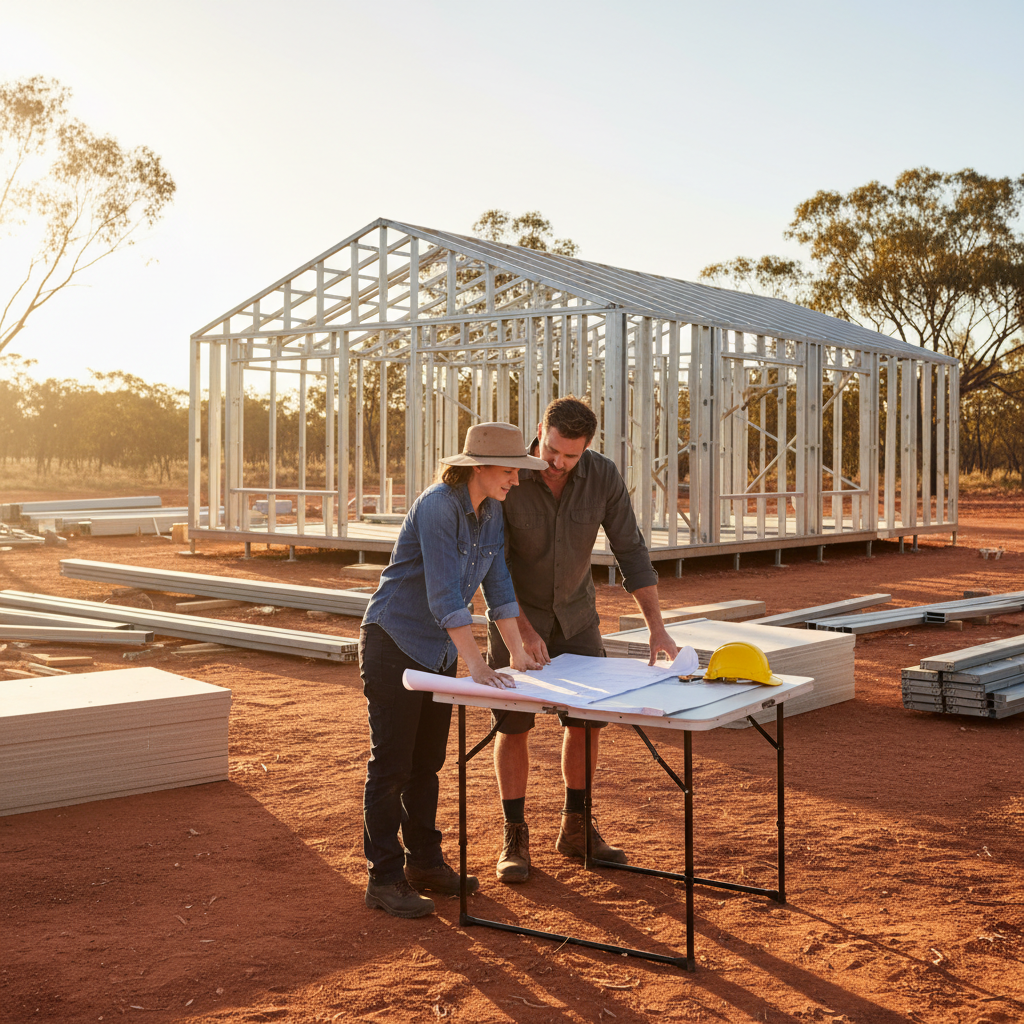
There is nothing quite like the feeling of standing on a patch of dirt and knowing that, in a few months, your new home will be standing right there because of your hard work. In Australia, the kit home movement is booming. More people are choosing to take the reins as owner builders, opting for the control and satisfaction that comes with managing their own project. While choosing your floor plan and watching those BlueScope steel frames arrive on site is the exciting part, there is one critical piece of the puzzle that often gets sidelined until the last minute: insurance.
Being an owner builder means you are the captain of the ship. You are responsible for the site, the safety of everyone on it, and the integrity of the build. Because you aren't hiring a traditional registered builder to oversee everything, the safety net they usually provide is now your responsibility to weave. Whether you are building a coastal retreat or a rural sanctuary, understanding exactly what insurance you need is the most important step you can take before the first shovel hits the ground.
Why Standard Home Insurance Won't Cut It
A common mistake many owner builders make is assuming their existing home and contents policy or a standard landlord policy will cover a construction site. Unfortunately, that is almost never the case. As soon as you begin major works or start erecting a kit home, most standard policies become void or offer zero coverage for the new structure. You need specialized owner builder insurance designed specifically for the unique risks of a construction site, such as theft of building materials, storm damage to an open structure, and public liability.
The Foundation: Contract Works and Public Liability
This is the big one. Contract Works and Public Liability insurance is usually bundled together and is the non-negotiable baseline for any kit home project. Think of this as your all-encompassing shield during the construction phase.
Contract Works Insurance
This covers the actual physical structure and the materials on your site. When your kit home arrives, you have a significant value in steel frames, roofing, cladding, and windows sitting on your land. Contract Works protects these items against fire, storm damage, malicious damage, and theft. If a freak Australian summer storm rolls through while your roof is half-finished, or if someone decides to help themselves to your windows overnight, this is the insurance that keeps your project from grinding to a halt.
Public Liability Insurance
The construction site is a dangerous place. Public liability covers you if a third party is injured on your site or if you cause damage to someone else's property. If a delivery truck driver trips over a stack of cladding, or if a rogue piece of steel frame falls and hits a neighbor's fence, you could be held personally liable for astronomical costs. In most Australian states, having a minimum of $5 million or $10 million in public liability cover is standard practice for owner builders.
Workers Compensation: Are You an Employer?
This is where things can get a bit blurry for owner builders. Even though you are doing much of the work yourself, you will almost certainly be hiring licensed trades for things like plumbing, electrical, and the concrete slab. While most subcontractors should have their own insurance, the laws regarding Workers Compensation vary significantly between states like NSW, VIC, and QLD. In some jurisdictions, if you pay a contractor a certain amount, or if they don't have their own employees, you might be legally classed as their employer for insurance purposes. It is vital to check your state's specific regulations to see if you need a specialized Workers Compensation policy to cover the people helping you build your kit home.
Personal Accident and Sickness
If you are planning to spend your weekends and rostered days off on the tools, what happens if you get injured? Many owner builders forget that they are the most important asset on the site. If you have an accident while installing your insulation or cladding and can't return to your regular job for a few months, your finances could take a massive hit. Personal accident insurance provides a weekly benefit if you are unable to work due to an injury sustained on your build site, ensuring the kit home project doesn't stall because you are in recovery.
The Post-Build Safety Net: Owner Builder Warranty Insurance
This is a unique Aussie requirement that catches many people off guard. Owner Builder Warranty Insurance (also known as Domestic Building Insurance in some states) is generally required if you decide to sell your home within a certain period after finishing the build (usually six to seven years). This insurance protects the future buyer if there are structural defects in the work you performed or managed as an owner builder. Even if you plan to live in your kit home forever, life changes. Having the ability to sell the property without a massive legal headache means getting your certificates and warranty insurance sorted as soon as the project is finalized.
Practical Tips for Managing Your Risk
- Document Everything: Keep a detailed log of every contractor who comes on site. Ask for copies of their current public liability insurance and trade licenses before they start.
- Security Matters: Insurance companies love to see that you are proactive. Fencing your site and having a lockable shed for smaller components like windows and doors can sometimes help with your premiums and certainly helps with peace of mind.
- The Steel Frame Advantage: When speaking with insurers, it is worth mentioning that you are using steel frames. Steel is non-combustible and termite-proof, which reduces certain long-term risks compared to other materials. While it might not always lower your premium immediately, it is an important detail regarding the resilience of the structure.
- Read the PDS: It is boring, but you must read the Product Disclosure Statement. Look for exclusions. Some policies won't cover you if the site is left dormant for more than 30 days, which can be an issue if you are waiting on a specific trade.
Building Confidence With the Right Cover
Taking on the role of an owner builder for your kit home is a journey of a lifetime. It is about more than just saving money, it is about creating a space that is truly yours, built with your own hands and your own vision. By sorting out your insurance early, you remove the heavy cloud of "what if" that can hang over a construction site. You can focus on the precision of your steel frames, the layout of your kitchen, and the beauty of your new Australian home, knowing that you have protected your investment and your family's future.
Remember, insurance isn't just a box to tick for the council, it is your primary tool for risk management. Get it right, and you can enjoy every moment of the build process.