Taking the Reins: Insurance for the Australian Owner Builder
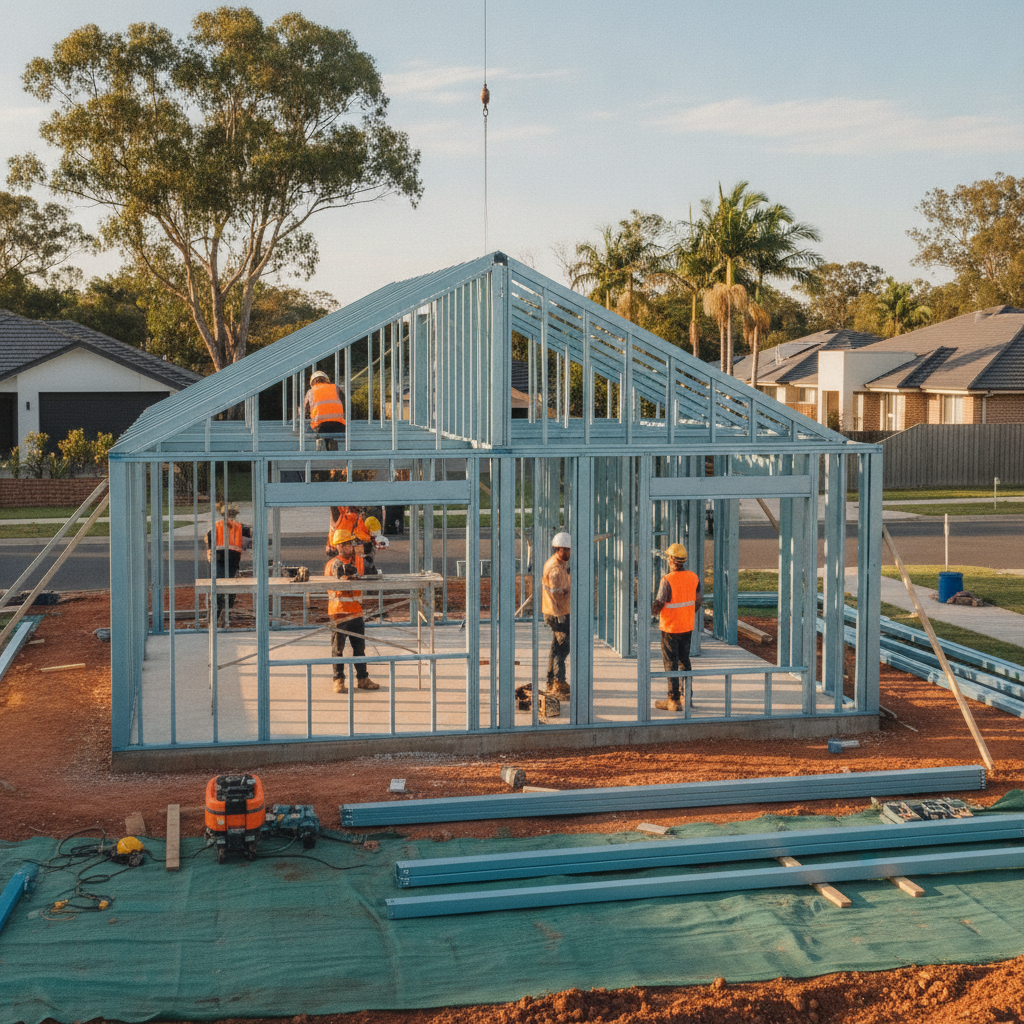
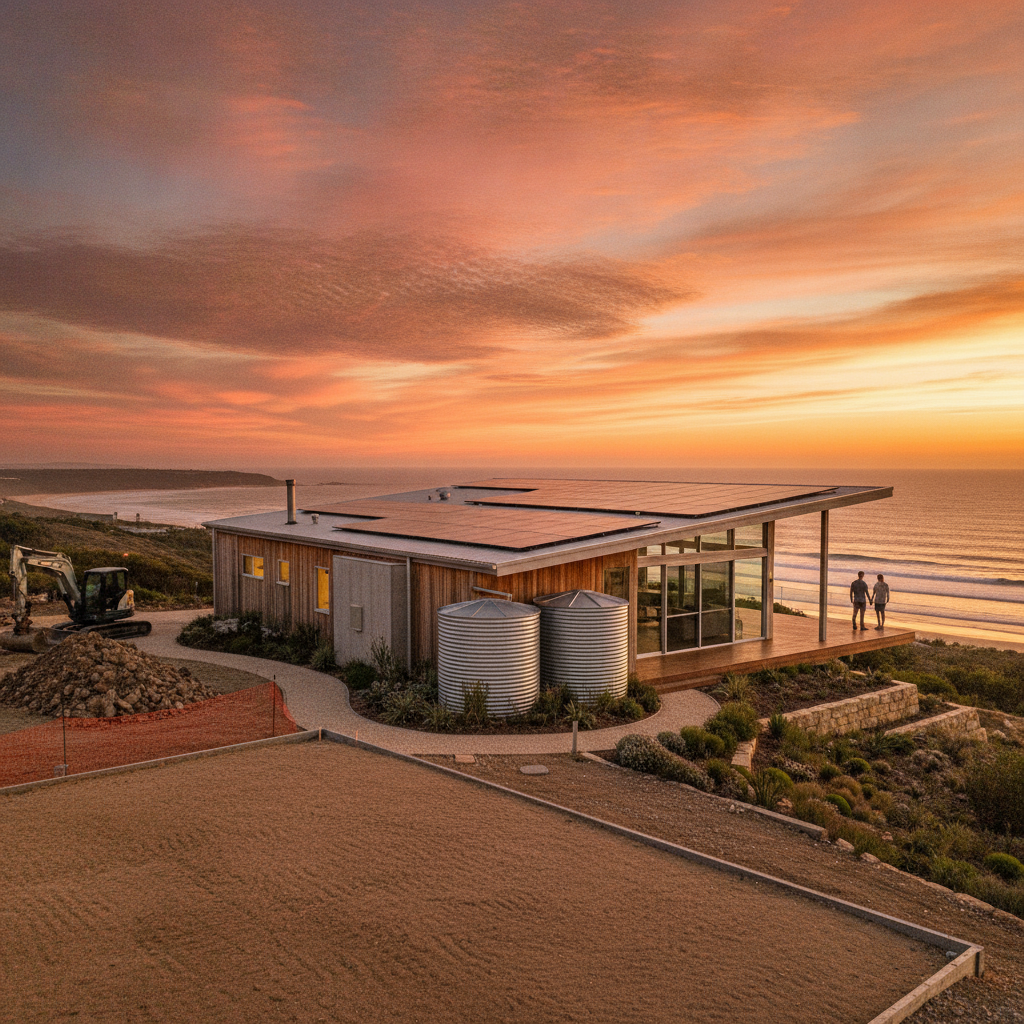
There is something uniquely Australian about the dream of building your own home. Whether it is a weekend retreat in the bush or a permanent family residence on the coast, taking the lead as an owner builder offers a sense of pride that you just do not get from buying an existing house. When you choose a kit home, you are already steps ahead, receiving a high quality bundle that includes your TRUECORE steel frames, roofing, cladding, and windows. However, once those materials arrive on site, the responsibility for what happens next sits squarely on your shoulders.
One of the most overlooked aspects of the owner builder journey is insurance. Many DIY enthusiasts dive straight into the site prep and slab pour without fully understanding their liabilities. In Australia, the regulatory landscape for owner builders is strict, and the financial risks of an uninsured site are significant. This guide breaks down the essential insurance types you need to consider to ensure your kit home project stays on track and your future is protected.
The Essential Foundation: Construction and Public Liability Insurance
Before the first delivery truck arrives with your steel frames, you must have Construction and Public Liability insurance in place. This is often sold as a combined policy, and for good reason. It covers the two biggest risks on any building site: physical damage to the structure and injury to people.
Contract Works (Construction) Insurance
Construction insurance covers the physical assets of your project. This includes the kit home materials sitting on your site, the partially completed structure, and even the tools you are using. In Australia, we are no strangers to wild weather. Imagine a severe storm rolls through while your roof is half finished, or a localized fire breaks out. Without Contract Works insurance, the cost of replacing those materials and repairing the damage falls entirely on you.
Public Liability Insurance
As an owner builder, your site is effectively a workplace. If a delivery driver trips over a stack of cladding, or a curious neighbor wanders onto the site and hurts themselves, you could be held legally liable. Public Liability insurance protects you against claims for third party personal injury or property damage. Given that legal fees and compensation payouts can reach into the hundreds of thousands, this is not a coverage you can afford to skip.
The Legal Requirement: Owner Builder Warranty Insurance
In many Australian states, specifically Victoria and New South Wales, there are strict rules regarding Owner Builder Warranty Insurance (also known as Domestic Building Insurance). It is important to note that this insurance is typically required if you decide to sell your home within a certain period after completion (usually six or seven years).
This insurance protects the future purchaser of the home. If you were to pass away, disappear, or become insolvent, the policy covers the new owner for structural defects or incomplete work. Even if you plan on living in your kit home forever, life happens. Circumstances change, and you might need to sell sooner than expected. If you do not have this insurance in place when required by law, you may find it impossible to finalize a contract of sale. Always check your specific state's building authority guidelines before you start.
Protecting Your Helpers: Workers Compensation
A common question among Australian owner builders is whether they need Workers Compensation when friends or family come over to help. This is a grey area that catches many people out. While "mates rates" or help in exchange for a barbecue is common, Australian labor laws are complex. If an injury occurs and the authorities deem that a worker-employer relationship existed, you could be liable for medical expenses and lost wages.
Even if you are hiring licensed trades to do the plumbing or electrical work, you should check their insurance certificates. However, as the site supervisor, you should still consider a Personal Accident policy for yourself and investigate the specific Workers Compensation requirements in your state to cover any gaps. It is better to have it and not need it than to face a WorkSafe investigation without protection.
Practical Tips for Managing Your Risk
Insurance is your safety net, but risk management is your first line of defense. Here are some practical tips for owner builders to keep their kit home project safe:
- Secure the Site: Use temporary fencing to keep unauthorized people out. This is often a condition of your Public Liability insurance.
- Safe Storage: When your kit arrives, ensure the materials are stored off the ground and covered. Steel frames are incredibly durable, but keeping components organized and protected from theft or vandalism is vital.
- Document Everything: Take photos of every stage of the build. This provides a clear record for both building inspectors and insurance adjusters if you ever need to make a claim.
- Check Trade Licenses: Always verify the licenses and insurance of every subcontractor you hire. Ask for a Certificate of Currency for their Public Liability insurance before they set foot on your land.
The Steel Advantage in Risk Mitigation
While insurance covers the "what ifs," choosing the right materials can reduce some of the inherent risks of building. Using Australian made steel frames, like those made from TRUECORE steel, offers several advantages from a risk perspective. Steel is non-combustible, which is a major factor in bushfire prone areas. It is also termite proof, meaning you are not at risk of structural damage from pests during or after the build. While this might not always lower your insurance premium directly, it provides peace of mind that your structural foundation is as resilient as possible.
Frequently Asked Questions About Owner Builder Insurance
When should I start my insurance policy?
Your policy should ideally begin the moment you take possession of the site or when the first materials are delivered. Do not wait until the frames are up to call the insurance broker.
Does my existing home insurance cover the build?
In almost all cases, the answer is no. Standard home and contents insurance policies usually have exclusions for major renovations or new builds. You need a dedicated owner builder policy.
Is theft covered?
Most Construction policies include coverage for the theft of materials, but there are usually conditions. For example, the site might need to be fenced, or the items might need to be secured in a locked area. Always read the fine print regarding the storage of high value items like windows and doors.
Conclusion: Peace of Mind for Your Building Journey
Becoming an owner builder is an empowering way to create your own home, giving you control over the process and the final result. By choosing a kit home, you have simplified the construction phase, but you cannot simplify your legal and financial responsibilities. Making sure you have the right insurance coverage is not just a box ticking exercise, it is about protecting your dream and your financial future.
Before you pick up the hammer or unpack your steel frames, take the time to speak with an insurance broker who specializes in owner builder projects. Get your public liability, contract works, and warranty insurances sorted early so you can focus on the rewarding work of bringing your vision to life. With the right protection in place, you can build with confidence, knowing that you are prepared for whatever the journey throws your way.