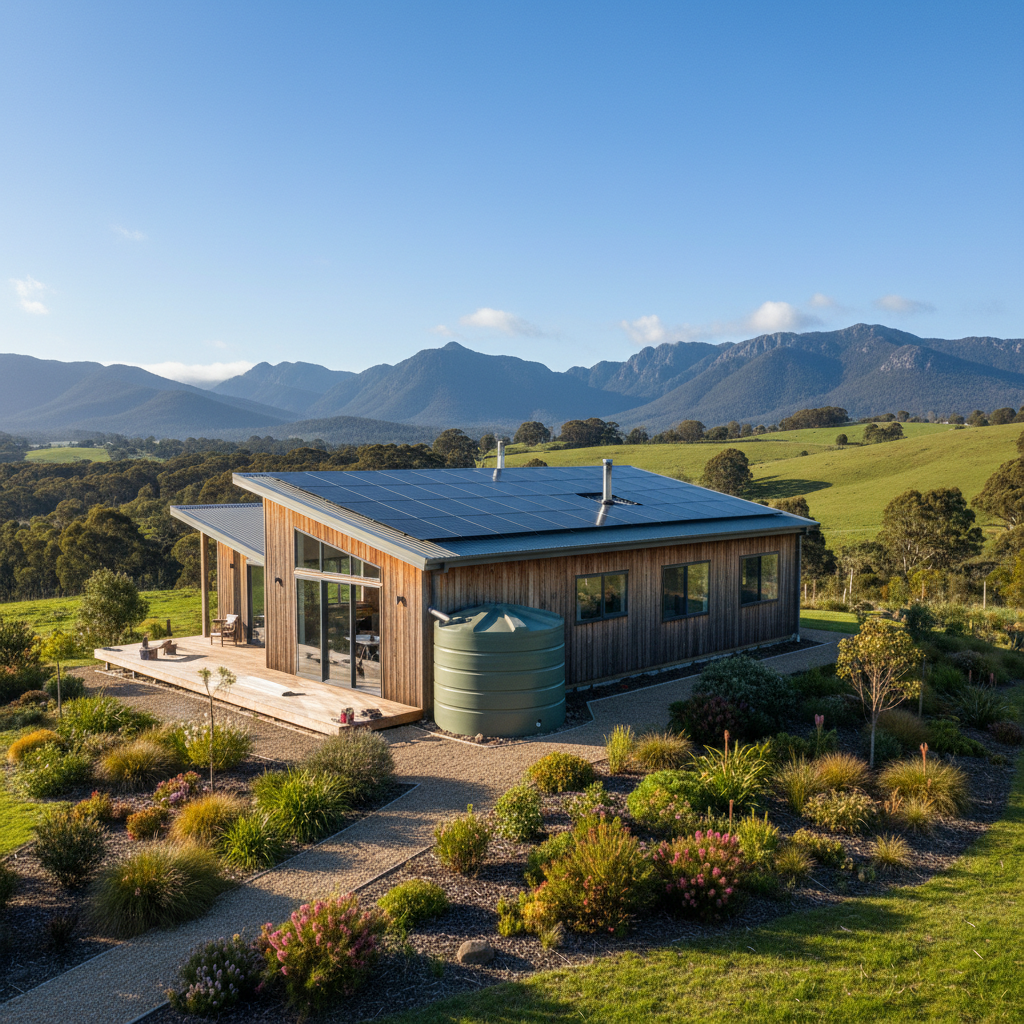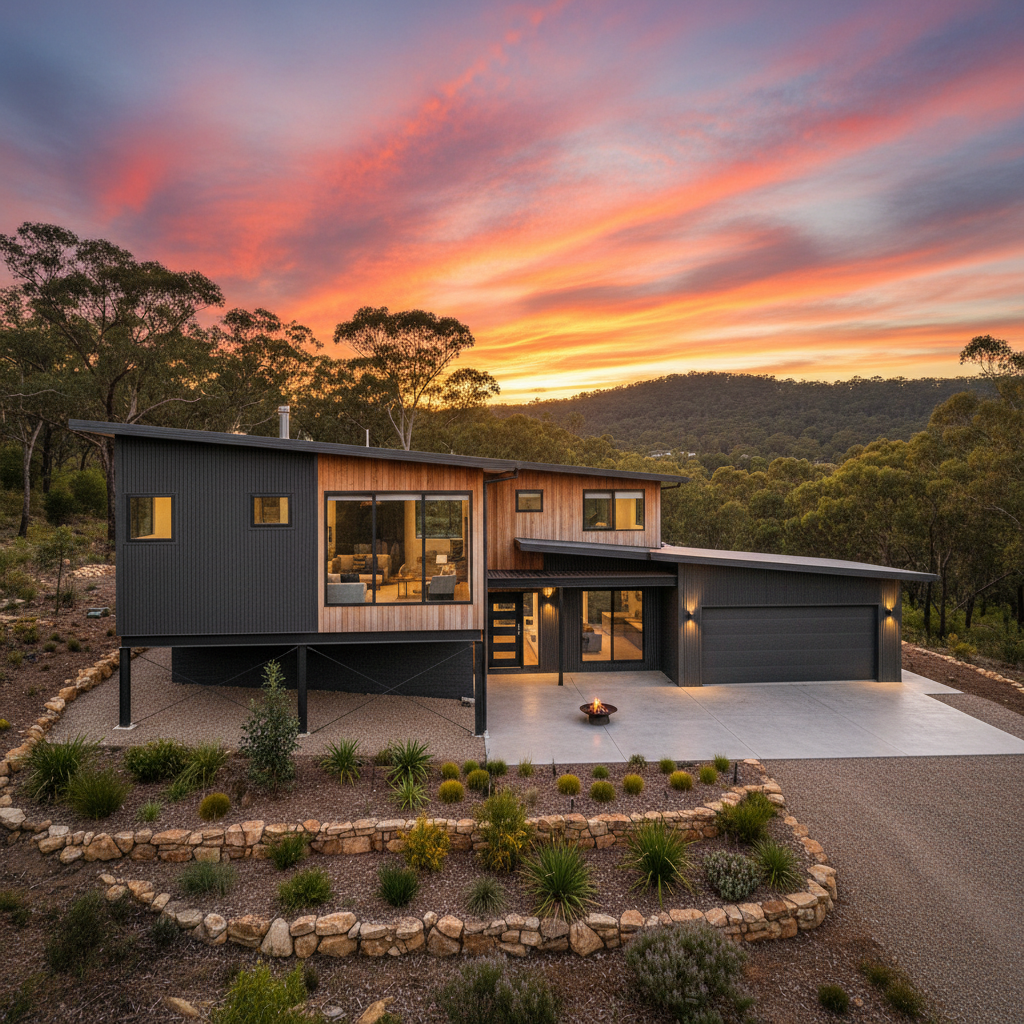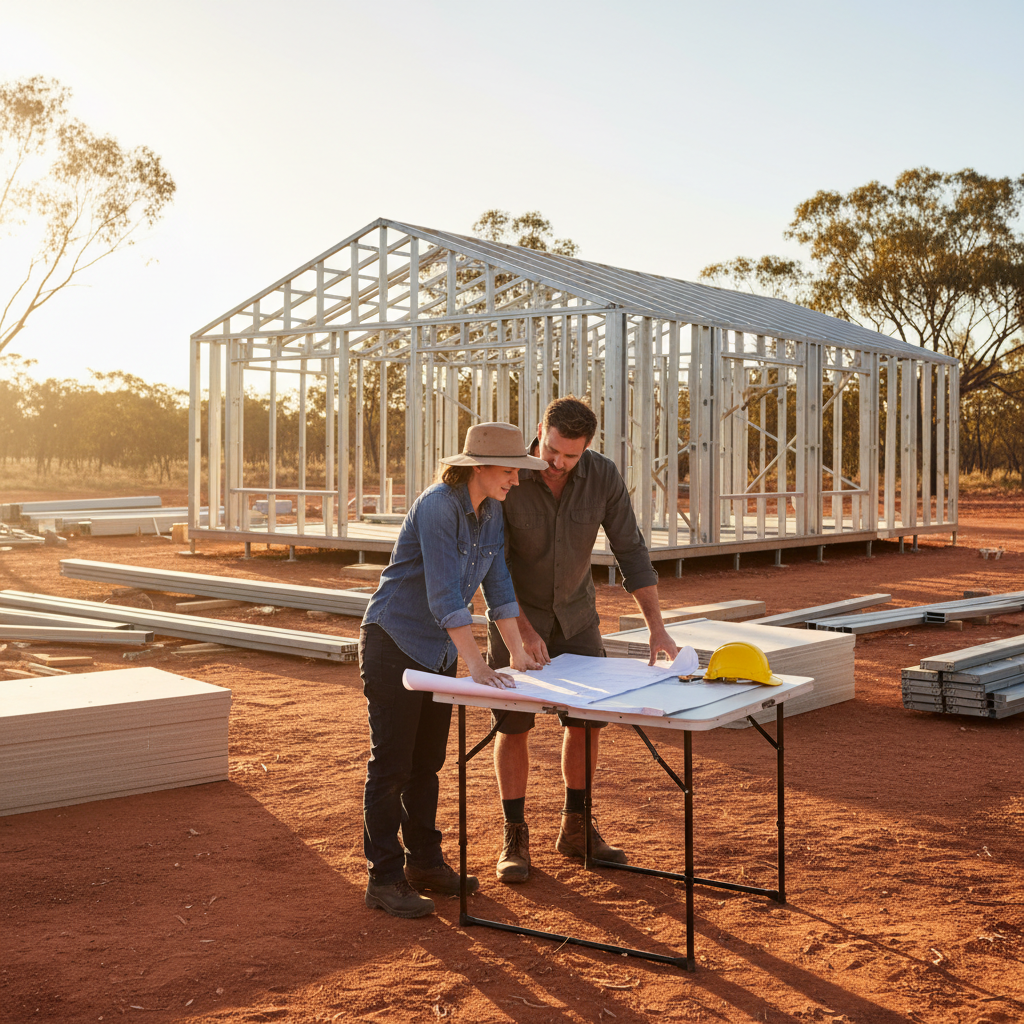
Standing on a bare patch of dirt in regional Victoria or the outskirts of Perth with a set of council-approved plans in your hand feels like winning the lottery, right up until the first truck arrives. Most people getting into the owner builder game think it is all about the swinging of hammers and the smell of fresh cut timber, but that is only half the story. If you are going down the kit home path, you are the project manager, the site clerk, and the cleaner all rolled into one. It is hard work. It is also the only way most of us can afford a decent, high-quality home on a scrap of land without selling a kidney.
The Red Tape Nightmare: Getting Your Permits Sorted
Before you even think about ordering a steel frame kit, you have to tackle the local council. Every shire has its own quirks. Some want to know the exact shade of your roof sheeting to make sure it doesn't blind the neighbours, while others are obsessed with your BAL (Bushfire Attack Level) rating. If you are in a high-risk zone, expect to spend more on toughened glass and specific mesh for your weep holes. It is non-negotiable. Get your Owner Builder permit first. In most states, like NSW or QLD, this involves a short course. Don't skip the details here. If you start digging footings without that permit number, the council will shut you down faster than a corner pub on Good Friday.
You will need a site classification report from a geotechnical engineer. They'll come out, drill some holes, and tell you if your soil is stable or if it's reactive clay that shifts when the wind changes. This report dictates your slab design. Do not try to save money by guessing. A cracked slab five years down the line because you ignored the 'H1' soil rating is a disaster you won't recover from easily.
Choosing Your Battle: Why Steel Frames Win
I have spent years looking at frames. Timber is fine, sure, but for a kit home that might sit on site for a few weeks while you wait for a plumber, steel is the better bet. We use BlueScope TRUECORE steel for a reason. It is straight. It stays straight. If you have ever tried to hang plasterboard on a wonky timber stud that warped in a Tuesday afternoon rainstorm, you will know exactly why this matters. Steel is also termite proof. In places like Queensland or the NT, that is not just a 'nice to have' feature, it's a survival requirement. Plus, these frames are light. You and a couple of mates can move most sections without needing a massive crane on site every single day, which keeps your hire costs down around your ankles.
The Slab and Site Prep
Your kit arrives on a truck, but it needs a flat, level place to live. Most owner builders outsource the slab. Unless you are a concrete finisher by trade, pay a professional. A slab that is 20mm out of square will make your life a living misery when you start trying to bolt down your bottom plates. Ensure your plumber has get their 'rough-in' done before the pour. There is nothing worse than realized you forgot the floor waste for the ensuite while the agitator truck is already washing out. Check the plans. Then check them again. Then get your partner to check them while you have a coffee.
The Delivery Day Chaos
When the semi-trailer pulls up with your kit, you need space. Lots of it. You'll get your frames, the corrugated roofing, the cladding, and your windows. The windows usually arrive in a separate crate. Pro tip: store your plasterboard and insulation under cover immediately. While the steel frames don't care about a bit of rain, your internal linings will turn into porridge if they get wet. Organize your site so the stuff you need first (the frames) is at the front, and the stuff you need last (the skirting boards) is tucked away at the back. It sounds simple, but you'd be surprised how many blokes bury their bottom plates under three tonnes of roofing iron.
Erection and the Skeleton
Putting the frames up is the best part. It's like giant Meccano. Because everything is pre-punched and cut to size in the factory, the errors are usually human, not structural. Follow the layout drawings provided with the kit. Use a decent cordless impact driver and make sure you have a heap of spare bits. You'll snap a few. It happens. Once the walls are up and braced, the roof trusses go on. This is where you want at least three people on site. Don't try to be a hero and do trusses alone. One gust of wind and you're Mary Poppins, except without the umbrella and with a lot more structural steel attached to your feet.
Safety is huge here. Just because you are an owner builder doesn't mean gravity ignores you. Hire proper scaffolding or floor edge protection. It's cheaper than a week in the hospital and a visit from WorkSafe.
The Lock-up Stage: Keeping the Weather Out
Once the frame is standing, you need to get it wrapped. Use a high-quality building wrap. This is your primary weather barrier. Then comes the cladding and the roof. If you chose a kit with Colorbond steel, you know it's going to last. But watch your screw lines. Nothing screams 'amateur' like a zig-zagging line of hex-head screws across a beautiful sheet of Monument matte roofing. Use a chalk line. It takes two minutes and makes the finish look like a pro did it.
Install your windows and doors early in this phase. Make sure they are flashed correctly. Leaks almost always happen at the corners of openings because someone got lazy with the flashing tape. Don't be that person. Spend the extra twenty minutes getting the seals right. Because once the insulation and plaster are in, finding a leak is like looking for a needle in a haystack, except the haystack is damp and smells like mould.
The Trades: Knowing Your Limits
You are the owner builder, but you aren't a god. In Australia, you cannot do your own electrical work or your own plumbing and drainage. Period. You need a certificate of compliance for these stages to get your final occupancy permit. Build a good relationship with your sparky and plumber early. If you try to save money by doing your own wiring and then ask them to sign it off, they'll laugh you off the site. And they should.
Where you can save money is the 'donkey work'. Do your own insulation. It's a filthy, itchy job involving crawling around in a ceiling space, but you'll save a few grand in labour. Lay your own floorboards. Paint the walls yourself. These are the tasks that take time but don't require ten years of schooling to master. Just remember to sand between coats. Most DIY paint jobs look rubbish because people are too impatient to sand.
The Final Stretch
The last 10 percent of a build takes 90 percent of your patience. Fixing the cornices, installing the kitchen cabinets, and getting the skirting boards to meet at a perfect 45-degree angle will test your sanity. But then, one afternoon, you'll be sitting on your new deck with a cold drink, looking at a house that you actually built. The steel is solid, the roof isn't leaking, and you don't have a mortgage the size of a small European country's GDP. That's why we do it. It isn't easy, but it is worth it.
Keep your site clean. Take your rubbish to the tip every weekend. A messy site leads to accidents and lost tools. And keep a diary. Every phone call to a supplier, every delivery, every trade that shows up. If something goes wrong six months from now, you'll want that paper trail. Now, get your boots on. There is work to do.