Taking the Reins: The Reality of Being an Owner Builder
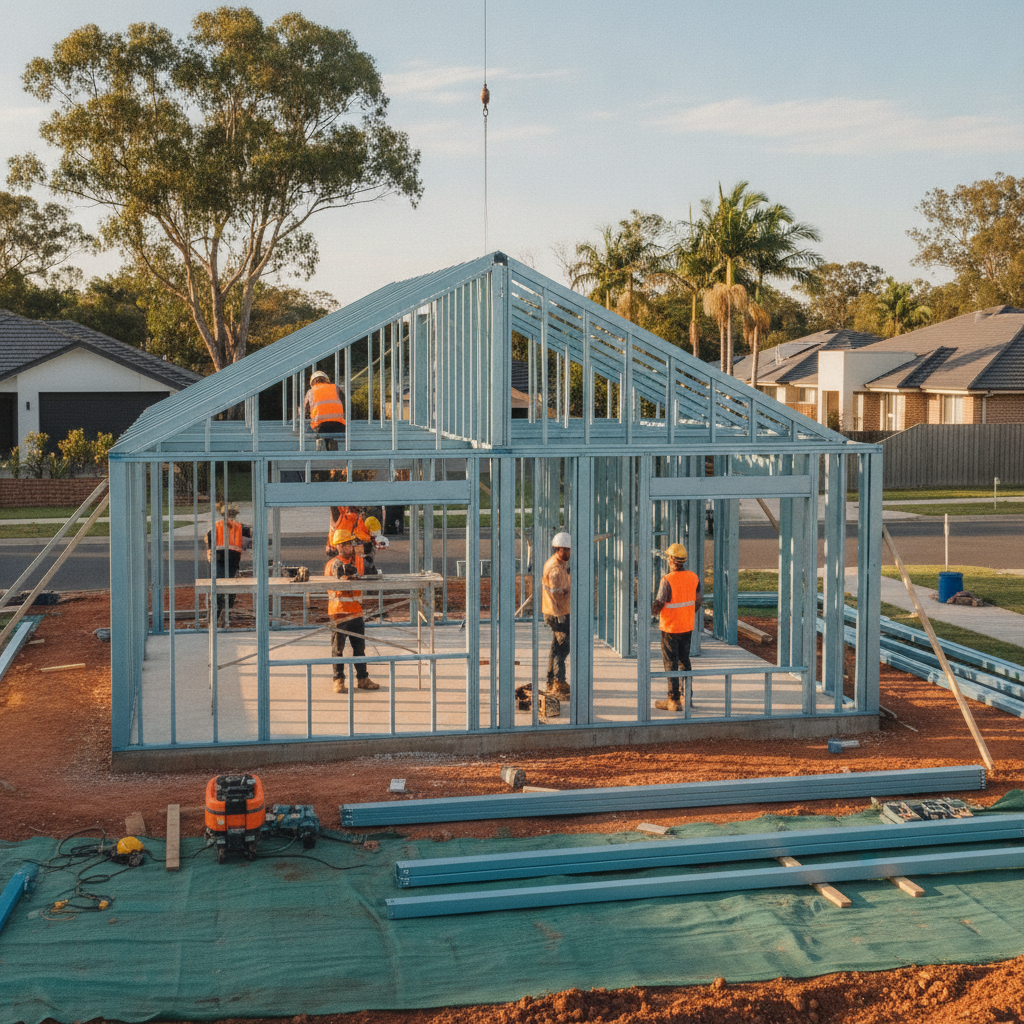
There is a unique sense of pride that comes from standing in a home you helped bring to life. For many Australians, the owner builder path is the ultimate way to achieve a custom home while staying deeply involved in the process. Kit homes offer a fantastic head start on this journey, providing the structural backbone and high quality materials needed to get a project moving. Using durable materials like BlueScope TRUECORE steel ensures your home has a straight, true, and termite proof frame from day one.
However, the transition from receiving your delivery to moving in involves a lot of moving parts. Without a solid plan, even the most enthusiastic DIY builder can hit roadblocks. Delays in the construction world are more than just an inconvenience, they can lead to frustration and stalled momentum. In this guide, we will look at the common pitfalls owner builders face and provide practical strategies to keep your project flowing smoothly.
The Importance of Site Preparation
One of the most frequent causes of early project delays happens before the kit even arrives on site. Site preparation is the foundation of your entire build, literally and figuratively. If your slab or footings are not perfectly level or sized correctly according to your engineering plans, the precision engineered steel frames of your kit will not sit right.
To avoid this, ensure your concreter or earthworker understands the specific requirements for your kit. Double check the measurements against your technical drawings. It is much easier to fix a formwork issue before the concrete is poured than to attempt to modify a steel base plate later. Additionally, consider site access. If a heavy truck cannot reach your building pad due to mud or narrow tracks, your delivery might be delayed or dropped in a less than ideal location, forcing you to move heavy steel components by hand.
Mastering the Art of Trade Scheduling
As an owner builder, you are the project manager. This means you are responsible for the sequence of trades. A common mistake is waiting for one stage to finish before booking the next. In the current Australian building climate, good tradespeople are often booked out weeks or months in advance.
To avoid a site sitting idle, you need to be proactive. Know your timeline inside and out. For example, once your frames and roof are up, you will need your plumber and electrician for the rough-in phase before the internal wall linings go on. If you wait until the roof is finished to call them, you might be waiting a month for them to show up. Start conversations with your preferred trades early, keep them updated on your progress, and confirm their start dates a week or two in advance.
Understand Your Council Requirements
Nothing grinds a project to a halt faster than a compliance issue. Every local council in Australia has its own set of rules and required inspections. Many owner builders assume that because they have a permit, they can just keep building until the end. In reality, you need sign-offs at various stages, such as footings, framing, and final completion.
Make sure you have a clear checklist of every inspection required by your building certifier. Missing an inspection, such as the frame inspection before cladding is applied, can result in being forced to remove materials so the inspector can see the structure. This is a massive delay that is entirely avoidable with a bit of foresight and a well-organized folder of paperwork.
Managing Deliveries and Inventory
When your kit home arrives, it comes with a lot of components: frames, trusses, roofing sheets, cladding, windows, and doors. A common pitfall is a lack of organization on delivery day. If materials are scattered around the site haphazardly, you will waste hours searching for specific brackets or screws when you need them.
Create a dedicated, dry storage area for smaller items and a flat, clear space for larger bundles. Use the delivery manifest to check off items as they arrive. If you notice something is missing or damaged, report it immediately. Waiting until the day you need a specific flashing to realize it is missing is a recipe for a weekend of wasted time. Treat your building site like a professional workshop, a clean site is a fast site.
Technical Knowledge and the Learning Curve
While many kit homes are designed for ease of assembly, there is still a learning curve, especially with steel frame construction. Steel frames are incredibly rewarding to work with because they are lightweight and precisely manufactured, but they require different tools and fasteners than traditional timber.
Don’t be afraid to ask for help or seek extra information. Read the construction manuals provided with your kit thoroughly before you start. Watch videos, talk to other owner builders, and ensure you have the right tools, such as high quality impact drivers and metal snips. Trying to make do with the wrong tools will not only slow you down but can also lead to a sub-par finish.
Weather Proofing Your Timeline
Australian weather is notoriously unpredictable. Whether it is a heatwave in the outback or a week of rain in the coastal regions, weather will impact your build. A common mistake is not having a wet weather plan. While steel frames are not affected by moisture like timber, your site can become a mud pit, making it dangerous or impossible to work.
When the weather is clear, prioritize getting the structure to a lock-up stage. This means getting the roof on and the windows and doors in. Once the house is weathered in, you can continue with internal work regardless of what the clouds are doing outside. Monitoring the long range forecast and shifting your focus between indoor and outdoor tasks can save you weeks of downtime over the course of a build.
The Importance of Clear Communication
As the owner builder, you are the central hub of information. If you are hiring trades for specific jobs, like the electrical or plumbing, you must provide clear instructions. Don't assume they know exactly where you want your power points or where the vanity will sit. Use chalk or markers on the floor to indicate layouts. Providing physical references reduces the chance of errors that require time consuming re-work. Remember, a trade's time is your money and your timeline.
Final Tips for the Journey
Building your own home is a marathon, not a sprint. It is easy to feel overwhelmed by the sheer volume of tasks. To stay on track, break the project down into small, manageable milestones. Celebrate when the frames are up, have a small gathering when the roof is on, and keep your eye on the end goal.
The most successful owner builders are those who are organized, realistic about their own skill levels, and proactive in their management. By avoiding these common pitfalls and planning for the unexpected, you can turn the process of building a kit home into one of the most rewarding experiences of your life. Your future home, built with the strength of Australian steel and your own hard work, is well worth the effort of diligent planning.