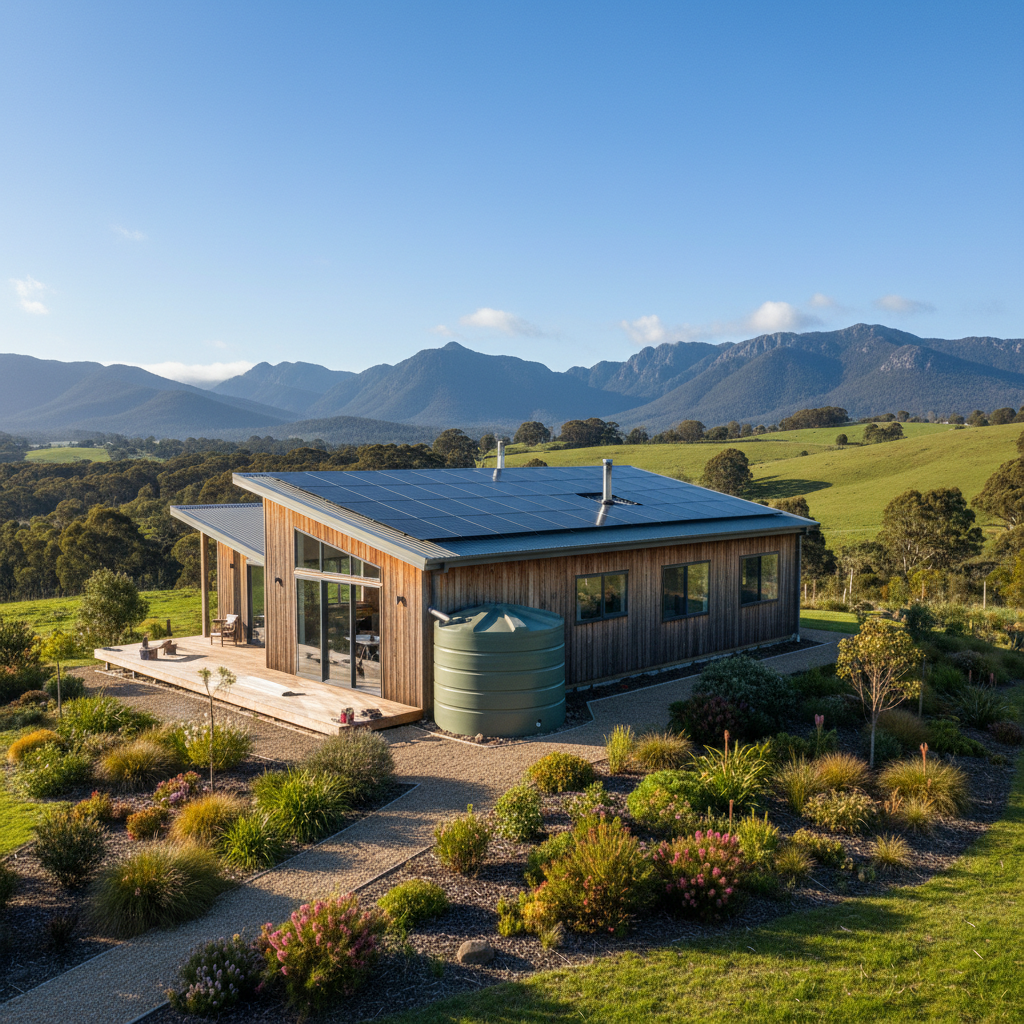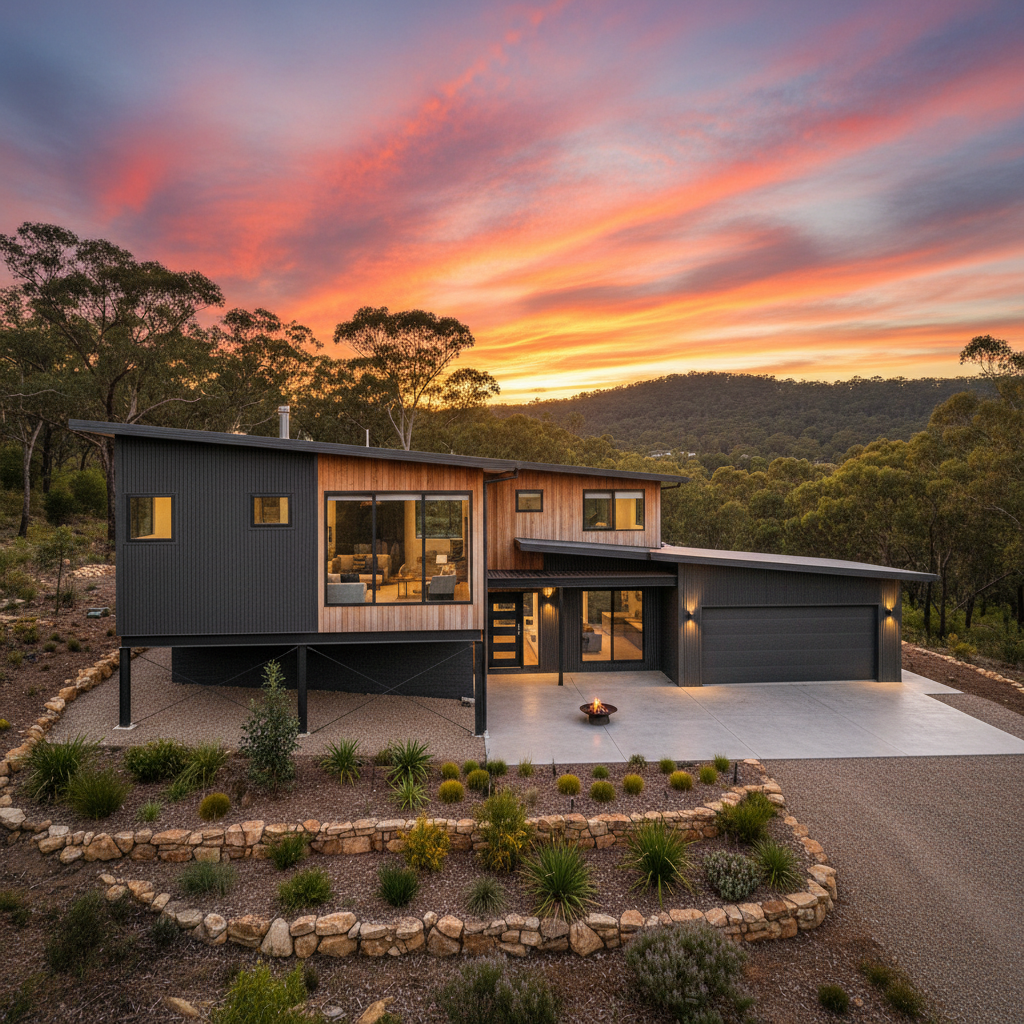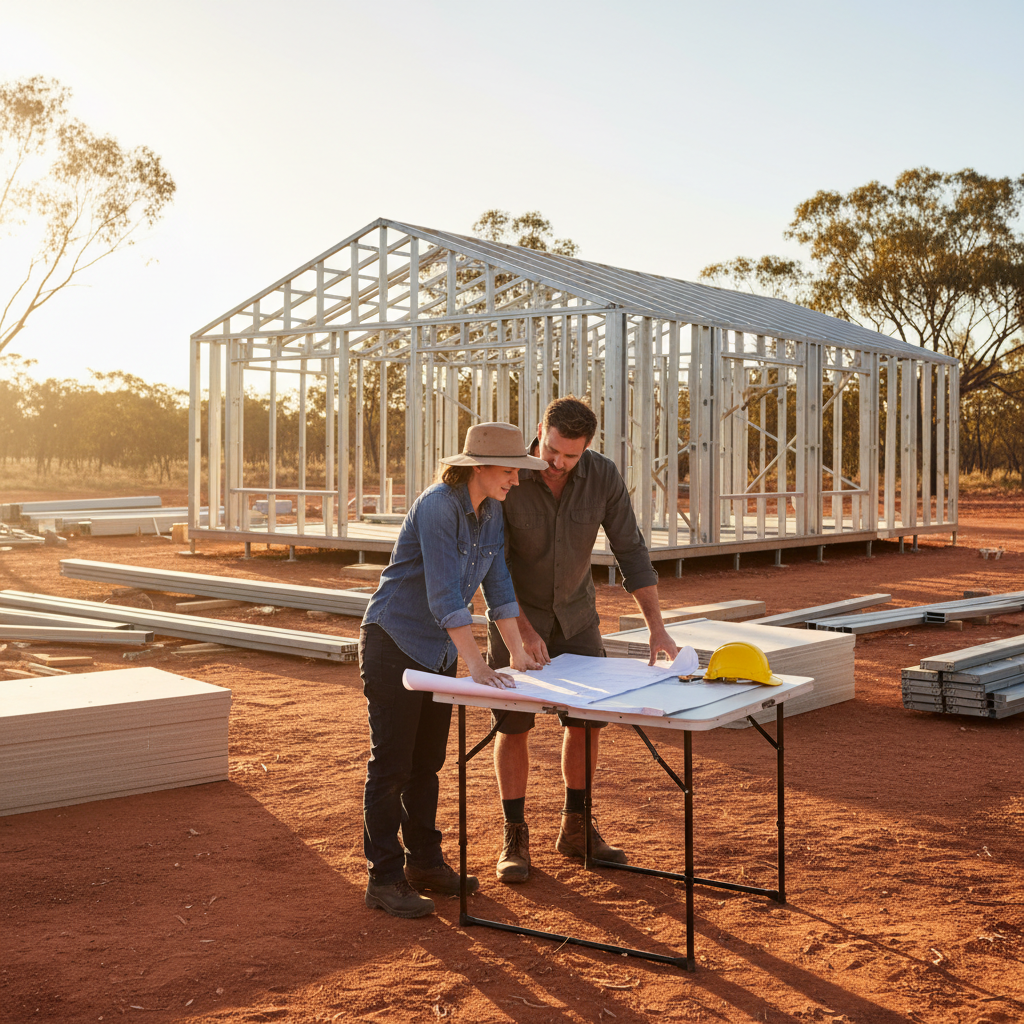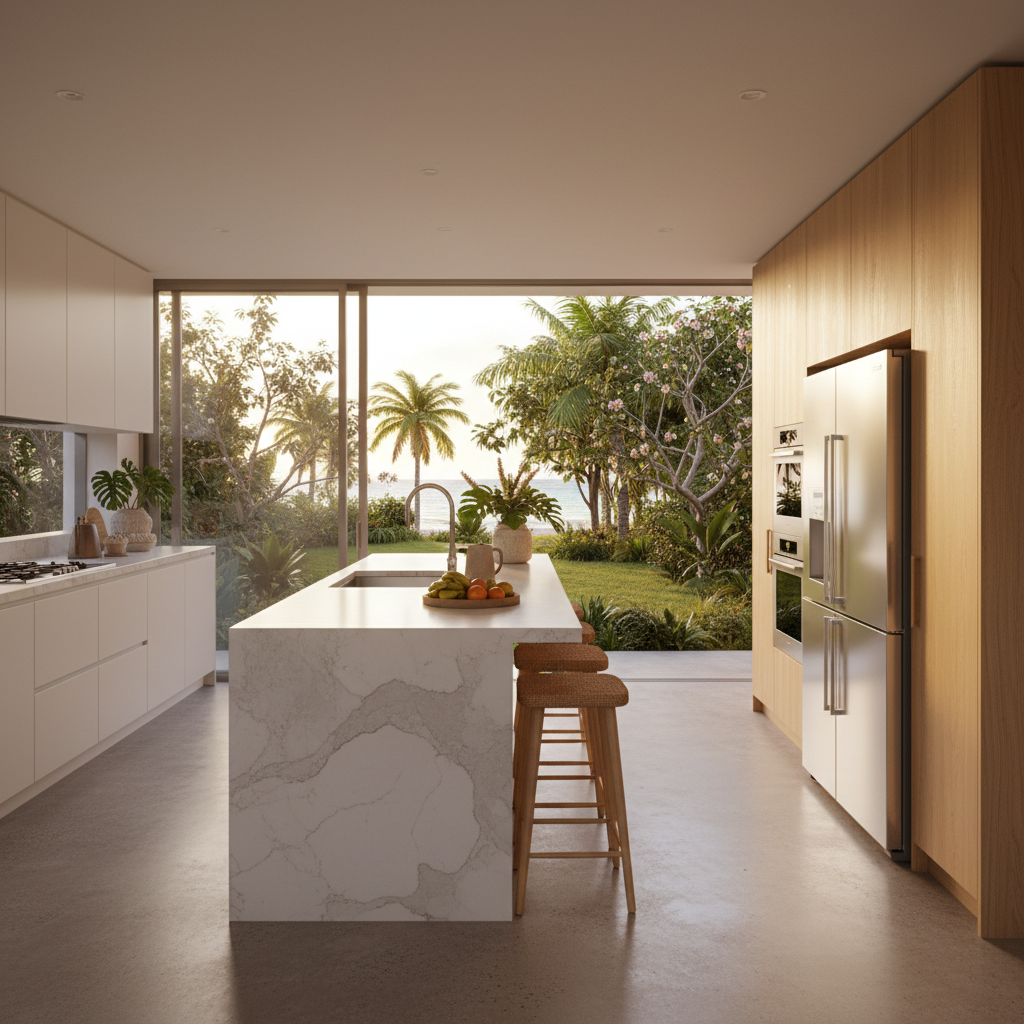
The great Australian dream used to be a massive open-plan living area where you could see the TV from the kitchen island while the kids played cricket in the hallway. Then 2020 hit. Suddenly, that cavernous open space became a nightmare of echoing Zoom calls and clashing school lessons. We've spent the last few years stuck inside four walls, and it's forced a massive shift in how we think about design. People are over the 'warehouse' feel. They want walls again. They want quiet corners. And frankly, they want homes that don't take three years to get through a builder's backlog.
The Death of the McMansion and the Rise of Purpose-Built Spaces
Walk around any new estate in Western Sydney or the outskirts of Brisbane and you'll see the same thing. Huge, beige boxes that take up 90 percent of the block. But the tide is turning. We're seeing a huge spike in interest for kit homes because they let people actually customise a layout that works for a post-pandemic reality. It's not about's squeezing in a fifth bedroom just for resale value anymore. It's about having a dedicated office that isn't a laptop perched on a dining table. Or a mudroom where you can dump the groceries and wash your hands the second you walk through the door. Because hygiene isn't just a buzzword now, it's a daily habit.
One trend that's sticking is the 'broken plan' layout. It’s the middle ground we all desperately needed. You still get the light and the flow, but you're using clever things like half-walls, internal windows, or even just better-placed storage units to create zones. In a kit home, this is easy to suss out during the design phase. You're not fighting against a volume builder's rigid floor plan that they've used 500 times this year. You've got the bones - usually a solid BlueScope steel frame - and you can decide where those noggins go to support your shelving or where that extra cavity slider should sit to shut off the noise from the media room.
Why Steel is Winning the War Against Termites and Time
If you've ever stood on a site in humid Queensland or the damp patches of Tassie, you know what happens to timber left out in the weather. It twists. It bows. It gets a visit from the local termite colony. That's why we're seeing a massive lean toward TRUECORE steel. It's straight as an arrow. Every time. When you're an owner-builder doing the grunt work yourself, the last thing you want is a stud that looks like a banana when you go to hang your plasterboard. Steel doesn't shrink, it doesn't rot, and it doesn't give termites a feed. Plus, it's light. You aren't breaking your back lugging heavy beams around the site on a Saturday arvo.
The tech has come a long way too. Every piece in a modern kit is pre-punched for your electrical and plumbing. You aren't standing there with a hole saw for six hours trying to figure out where the sparky is going to run the cables. It's all calculated. It’s precise. This kind of accuracy matters when you’re managing the project yourself because it keeps the trades happy. And trust me, a happy plumber who doesn't have to fight your frame is a plumber who actually shows up on time for the next job.
Practical Tips for the Owner-Builder Rookie
Thinking about taking the plunge? Don't just jump in blind. Here’s a bit of advice from someone who’s seen the good, the bad, and the downright messy on Australian sites:
- Crawl through your local council's LEP first. Every council in Australia has their own weird little rules about setbacks, BAL ratings (Bushfire Attack Level), and even the colour of your roof. Don't order a kit until you know what they'll let you actually put on the slab.
- Site access is king. You'll have a truck turning up with your steel frames, roofing, and cladding. Can it actually get to your block? If you've got a steep drive or low-hanging trees, you're going to have a bad day when that delivery driver says he can't get within 50 metres of the site.
- Invest in a decent laser level. Your slab needs to be spot on. If the concrete is out by 20mm over the length of the house, your steel kit will show it immediately. Steel doesn't hide mistakes like timber does; it demands precision from the ground up.
- The 'Kit' is just the start. Remember, we're providing the shell - the frames, the windows, the doors, the Colorbond roofing. But you still need to book your local slab crew, your sparky, your plumber, and the tiler. Get these blokes locked in early. Good trades are busier than a one-armed bricklayer right now.
The New 'Work From Home' Reality
We've moved past the 'guest room with a desk in the corner' phase. People want real separation. I’m talking about acoustic insulation in the internal walls of the office. We're seeing more people opt for kit designs that put the master bedroom at one end and the office at the other. Or even better, a separate studio kit that sits ten metres away from the main house. It gives you that physical 'commute' across the lawn which is huge for mental health. When you finish work at 5:00, you turn off the light, walk out the door, and you're home. No more staring at your work monitor while you're trying to eat your bangers and mash.
A lot of folks are also looking at multi-generational living. With the way the market is, the kids aren't leaving until they're 30, and the grandparents might need a spot too. Kit homes are perfect for this because you can add a secondary dwelling or a 'granny flat' (depending on your local DA) that matches the main house perfectly. Same cladding, same roofline, same steel-tough durability. It doesn't look like an afterthought; it looks like a planned part of the property.
Handling the Weather: BAL Ratings and Energy
Australia isn't getting any cooler. Whether you're building in the hills of Adelaide or the coast of NSW, thermal performance is a massive deal now. The NCC (National Construction Code) keeps upping the stakes, and for good reason. When you build with a steel kit, you have to think about the thermal break. You can't just slap cladding on steel and call it a day. You need that layer of insulation to stop the heat transfer. But the flip side is that steel is non-combustible. If you're building in a BAL-29 or BAL-40 zone, steel is your best mate. It gives you a massive head start on meeting those punishing fire safety requirements without needing to spend a fortune on specialized timber treatments.
Window placement has changed too. The old 'wall of glass' facing west is a recipe for a $900 electricity bill in January. People are getting smarter. Smaller, well-placed windows that allow for cross-ventilation are the go. Think about the afternoon breeze. If you can line up your windows so the air pulls through the house, you'll rarely need to hammer the air con. It’s just common sense, but it’s amazing how many people forget it when they’re looking at pretty pictures on Pinterest.
Bringing it all Together
Building your own place isn't for the faint of heart. It’s dusty, it’s stressful, and you'll probably spend more time at Bunnings than you do with your spouse for a few months. But there is nothing like the feeling of standing under a roof you helped organise. Using a kit takes a lot of the guesswork out of the engineering. You know the frames are right. You know the roof will fit. You're just responsible for the execution and the finish. In an era where everything feels uncertain, having a rock-solid steel frame over your head that you built yourself? That’s about as good as it gets. Just make sure you've got a decent cordless drill and a bit of patience for the paperwork.