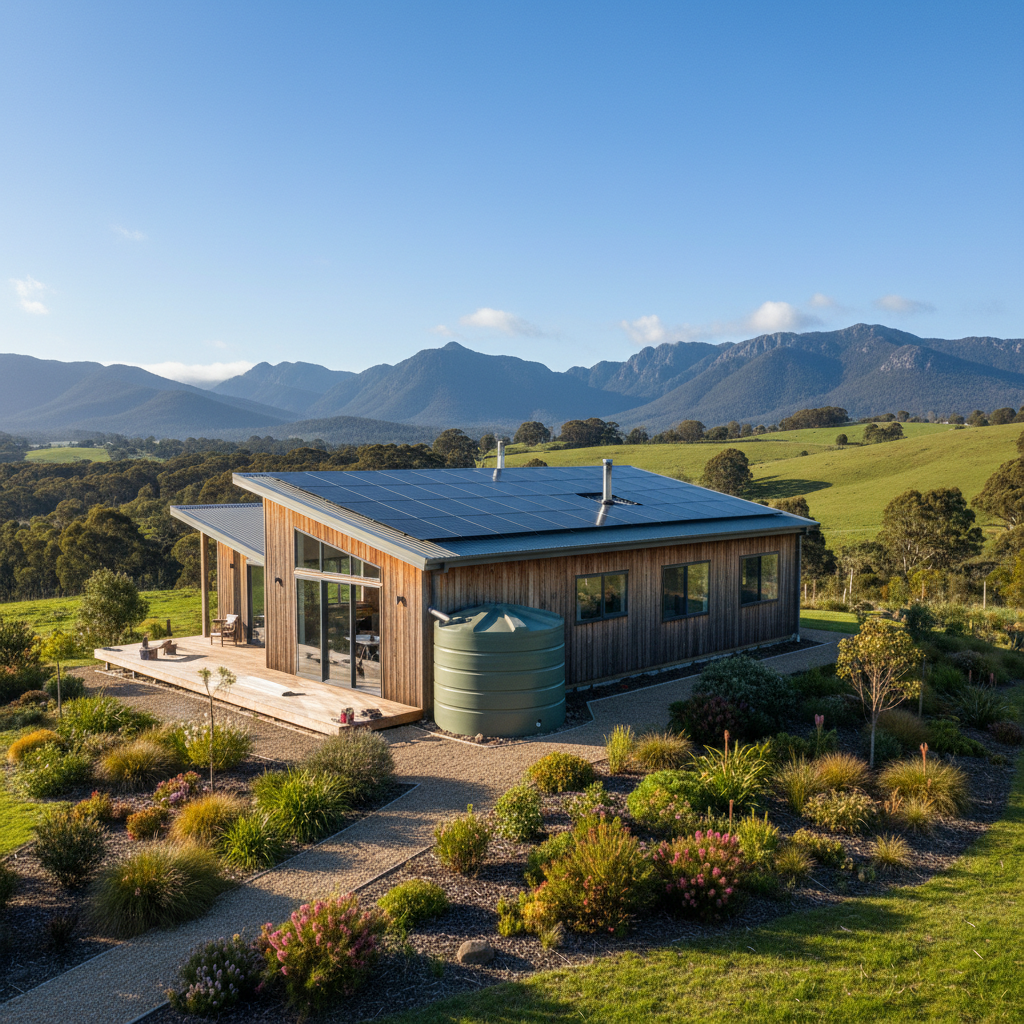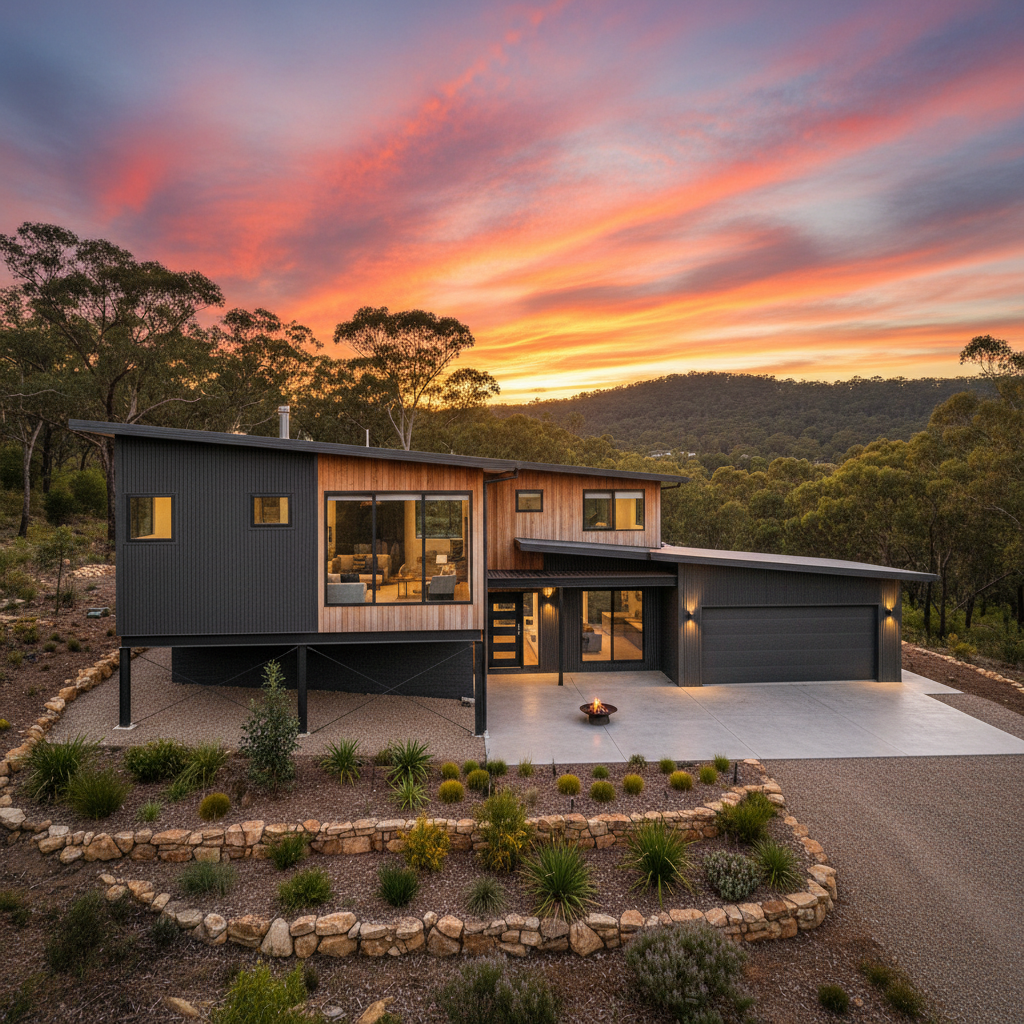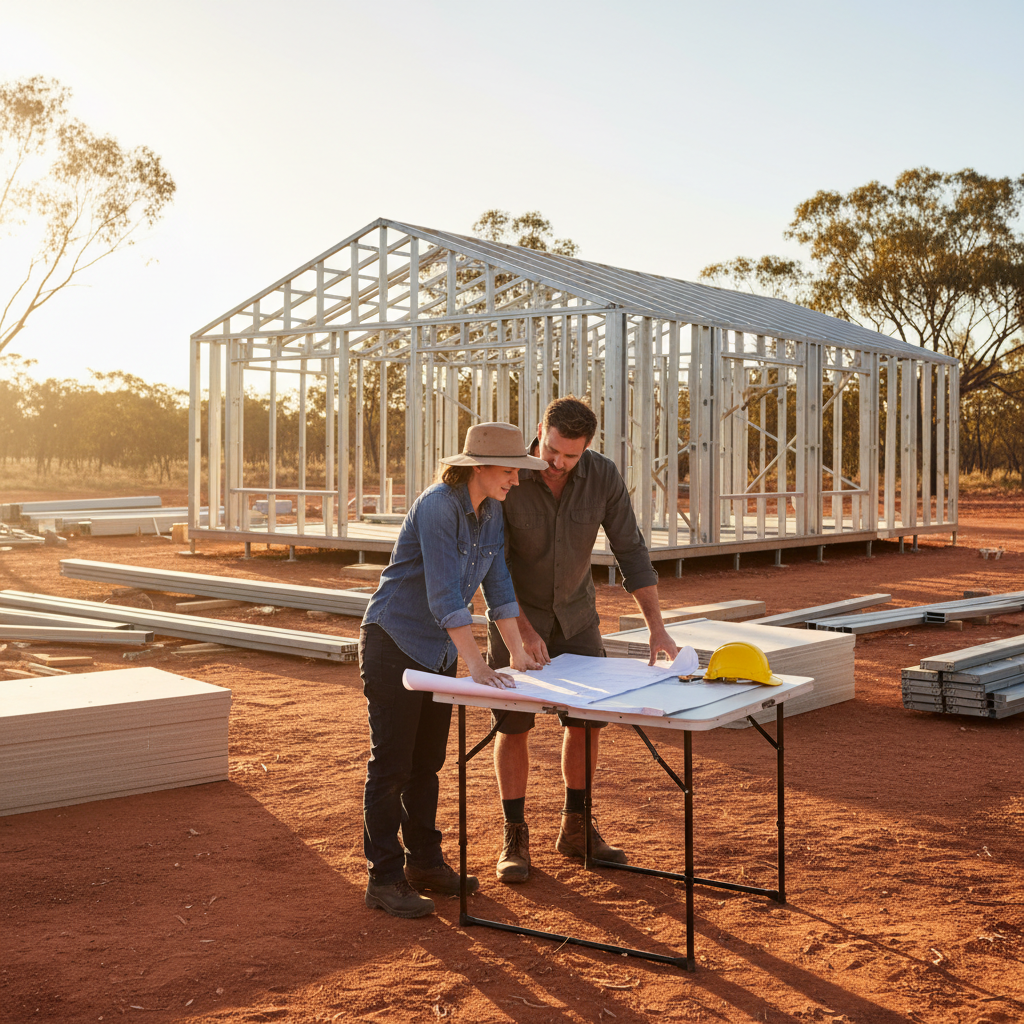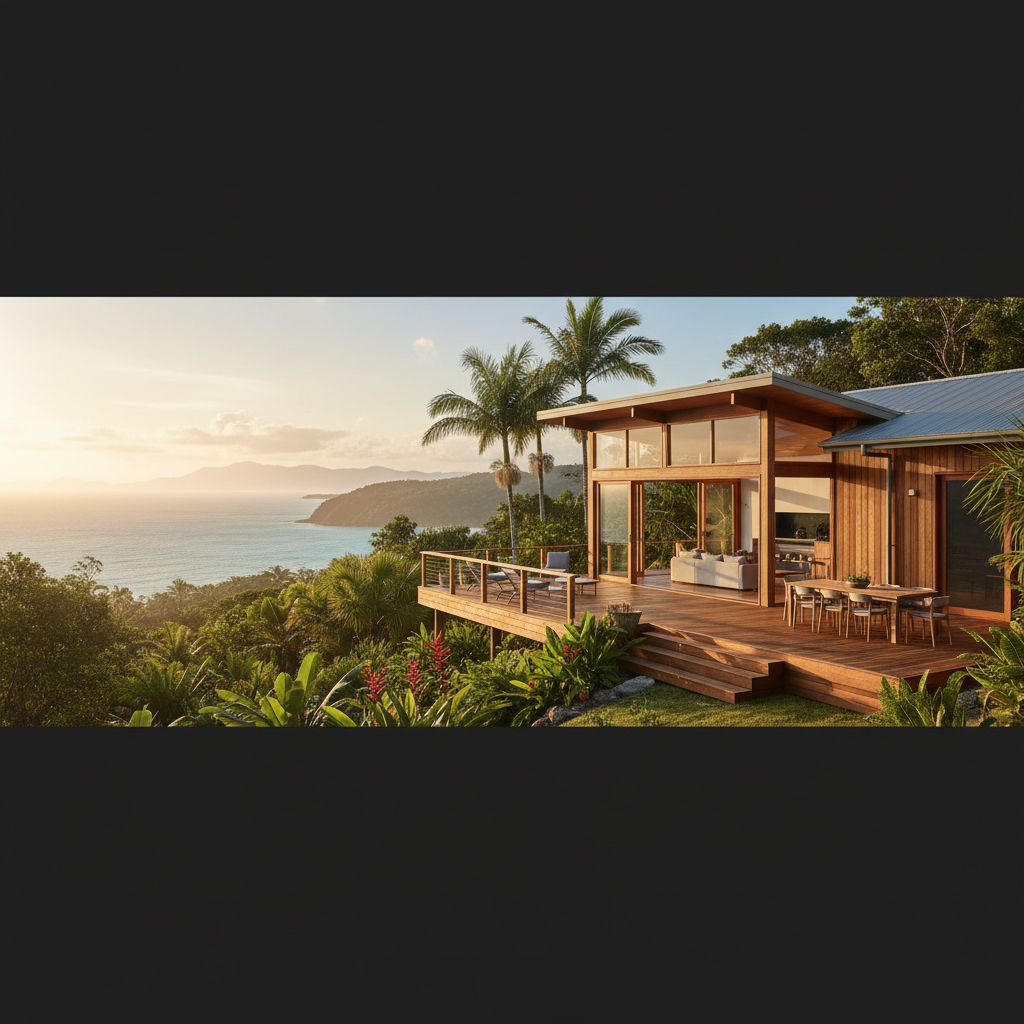
Standing on a bare patch of dirt in rural Victoria or a suburban block in Queensland with a set of council approved plans in your hand feels like a win. It should. But the gap between having those plans and actually standing under a finished roof is where most owner builders find out what they are really made of. I have seen guys spend ten years on the tools and still get a shock when they step into the owner builder shoes. It is a different beast entirely. You are not just building a house. You are managing a multi-stage logistics project where the weather, the bank, and the local plumber are all trying to ruin your schedule.
The Council Paperwork Grind
Before you even think about ordering a steel frame, you have to tackle the council. Every LGA in Australia has its own quirks. Some are obsessed with your BAL rating (Bushfire Attack Level), others care more about your stormwater management or how many trees you are knocking down. You will likely start with a Development Application (DA) or a Complying Development Certificate (CDC) depending on where you live. Do not guess this part. Ring the council. Talk to a duty planner. They can be grumpy on a Monday morning, but they will tell you exactly what reports you need. You might need a geotechnical report to see if your soil is Type A, S, M, H, or E. This matters because it dictates whether your slab needs extra beef. If you are building a kit home in a high wind zone like North Queensland, your engineering has to be spot on to meet Region C or D requirements. It is a lot of paper. Keep it in a physical folder. Sounds old school, but when you are on site with a tradie and your phone screen is covered in sawdust, you will want that hard copy of the site plan.
The Slab and Site Prep
Everything starts with the slab. If your slab is out by 20mm, your steel frames will not sit right, and you will be fighting that mistake until the day you move in. Most kit home buyers go for a concrete raft slab or a waffle pod system. Get a licensed surveyor to mark out your corners. It is the best few hundred bucks you will ever spend. Once the formwork is up and the rebar is in, wait for the plumbing rough-in. This is where your copper pipes and drainage go into the ground. Check these measurements five times. There is nothing more soul-destroying than jackhammering a fresh slab because the toilet waste is 100mm to the left of where the wall is supposed to be. Once the concrete is poured, give it time to cure. Do not rush it. Because if you start bolting down frames before that concrete has reached its strength, you risk cracking the surface around your anchors.
Receiving Your Kit
When the truck arrives with your kit, have a clear space ready. These kits usually come with BlueScope TRUECORE steel frames, roofing, cladding, and windows. It is a lot of gear. You need a flat area that is not going to turn into a mud pit if it rains. Use some old 4x2 timber offcuts to keep the frames off the ground. Organize the components. Put the roof sheets in one pile and the wall frames in another. If you have ordered a design like the Varley or a larger four-bedroom kit, you will have hundreds of components. Checking the packing list is boring, but do it. You do not want to realize you are missing a box of specialized Tekscrews when you are halfway through a Saturday arvo and every shop is shut. Steel frames are great because they are light and straight, meaning they do not warp like timber, but they can have sharp edges. Wear decent gloves.
Standing the Frames
This is the part where it starts to look like a house. It is exciting. You will involve a few mates for this stage. Start with your corner sections and work your way along. Use a spirit level that is actually accurate. Trusting a cheap, beat-up level is a recipe for heartbreak. Every wall needs to be plumb and square. If it is not, your windows will stick and your plasterer will charge you double because he has to fix your mess with extra base coat and shims. For steel frames, you will be using a lot of wafer head screws. Following the engineering manual provided with the kit is non-negotiable. AS 4600 is the Australian Standard for cold-formed steel structures, and while you do not need to read the whole document, you do need to follow the specific fixing patterns your kit provider specifies. These frames are designed as a system. Do not go off-book and decide you know a better way to brace a wall.
Locking it Down
Getting the roof on and the windows in is what we call the lock-up stage. In Australia, this is the biggest milestone. It means the weather can do its worst and your interior work stays dry. Start with the sarking and the roof sheets. If you are in a high wind area, your screw spacing will be tighter. Use a string line to keep your screw rows straight across the Colorbond sheets. It looks better, and it shows you care about the build. Windows go in next. Use quality flashing. I have seen so many owner builders skip the proper flashing and end up with damp patches on their gyprock three years later. It is a cheap fix during construction but an expensive nightmare later on. Once the windows and external doors are in, you are officially in the fit-out phase.
Managing the Trades
Unless you are a licensed sparky or plumber, you cannot do your own electrical or wet plumbing. It is illegal. And dangerous. You need to book these guys in early. Good tradies are booked out months in advance. When you call them, be specific. Do not say "I am building a house," say "I have a steel frame kit home in Blacktown, the slab is down, and I need a rough-in for three bedrooms and two baths by the 15th." They will respect that you know your timelines. You will also need to arrange an insulation installer unless you are doing it yourself. In Australia, the NCC (National Construction Code) Volume 2 specifies the R-value you need for your walls and ceiling. Do not skimp here. Our summers are brutal, and spending a bit extra on high-density batts now will save you thousands in cooling costs over the life of the home.
The Final Push
The last 10 percent of the build takes 50 percent of the time. This is where you do the plastering, painting, skirtings, and cabinetry. If you are doing the tiling yourself, take your time with the waterproofing. Most states require a certificate for waterproofing in wet areas. If you fail to get this, you might find it impossible to get your final Occupation Certificate (OC). Check your local regulations. For the kitchen and bathrooms, you can buy flat-pack units that fit perfectly in kit home layouts. Just remember that floors are rarely perfectly level, so use the adjustable legs on your cabinets to get everything flat. Once the flooring is down and the lights are on, you will call the private certifier or the council for one last inspection. They will check things like smoke alarms, handrails on any decks, and your final plumbing certificates. It is a nervous day, but if you have followed your checklist, you will be fine.
Building your own place is a massive slog. You will have weekends where you never want to see a drill again. But there is a specific kind of pride that comes from sitting on your porch, knowing you managed the slab, stood the frames, and oversaw every single screw that went into those walls. It is not just about having a house. It is about the fact that you built it. Now, go get that site folder organized.