I sat on a concrete slab in Dubbo last February, middle of a heatwave, watching a guy try to figure out why his new place felt like a furnace even with the aircon cranking. The issue wasn't the build quality. It was the orientation. He'd tucked his main living area into the western corner because he liked the view of the ridge, but he'd basically built a giant solar oven. When you're building a kit home, you've got this massive advantage because you're the one in the driver's seat during the planning phase. You aren't stuck with whatever some developer decided was the easiest way to fit fifty houses on a block. You can actually think about where the sun hits and where the wind blows before you even pour the footings.
Orientation is non-negotiable
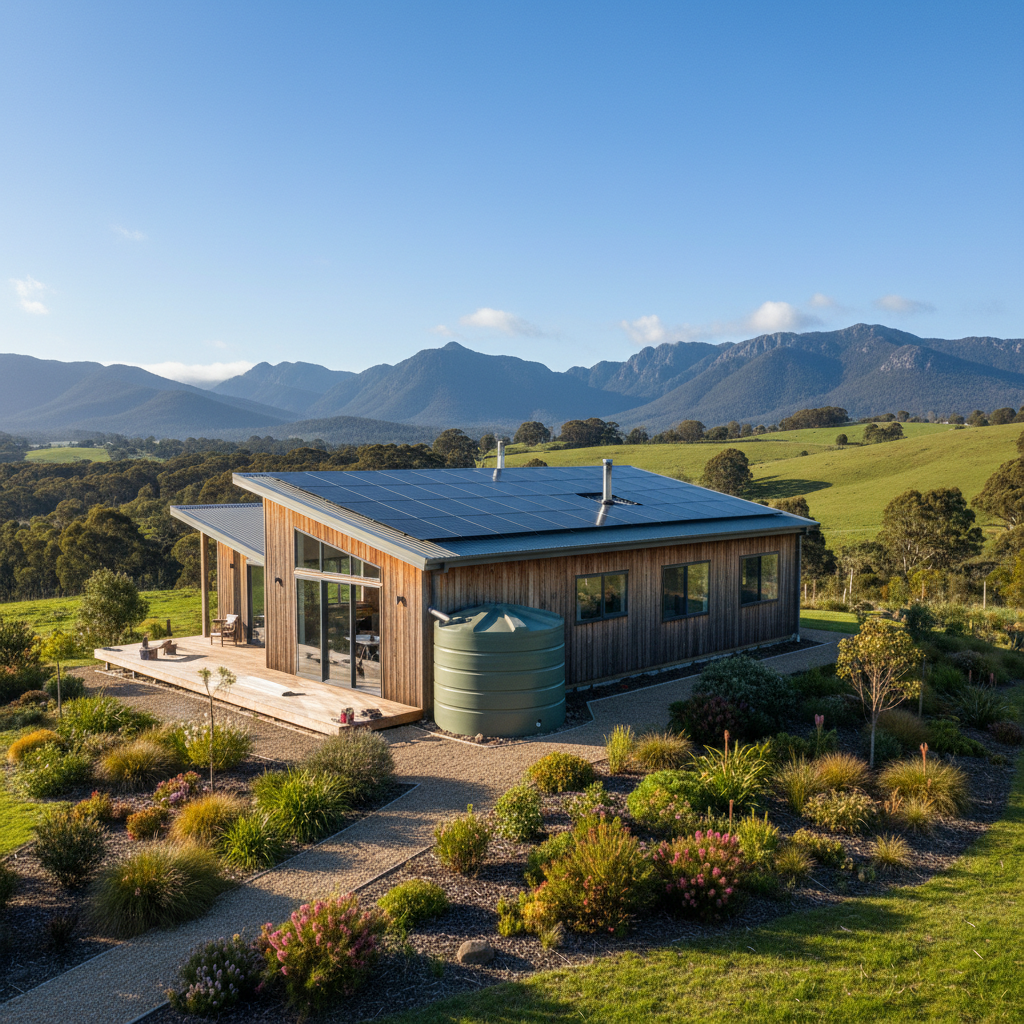
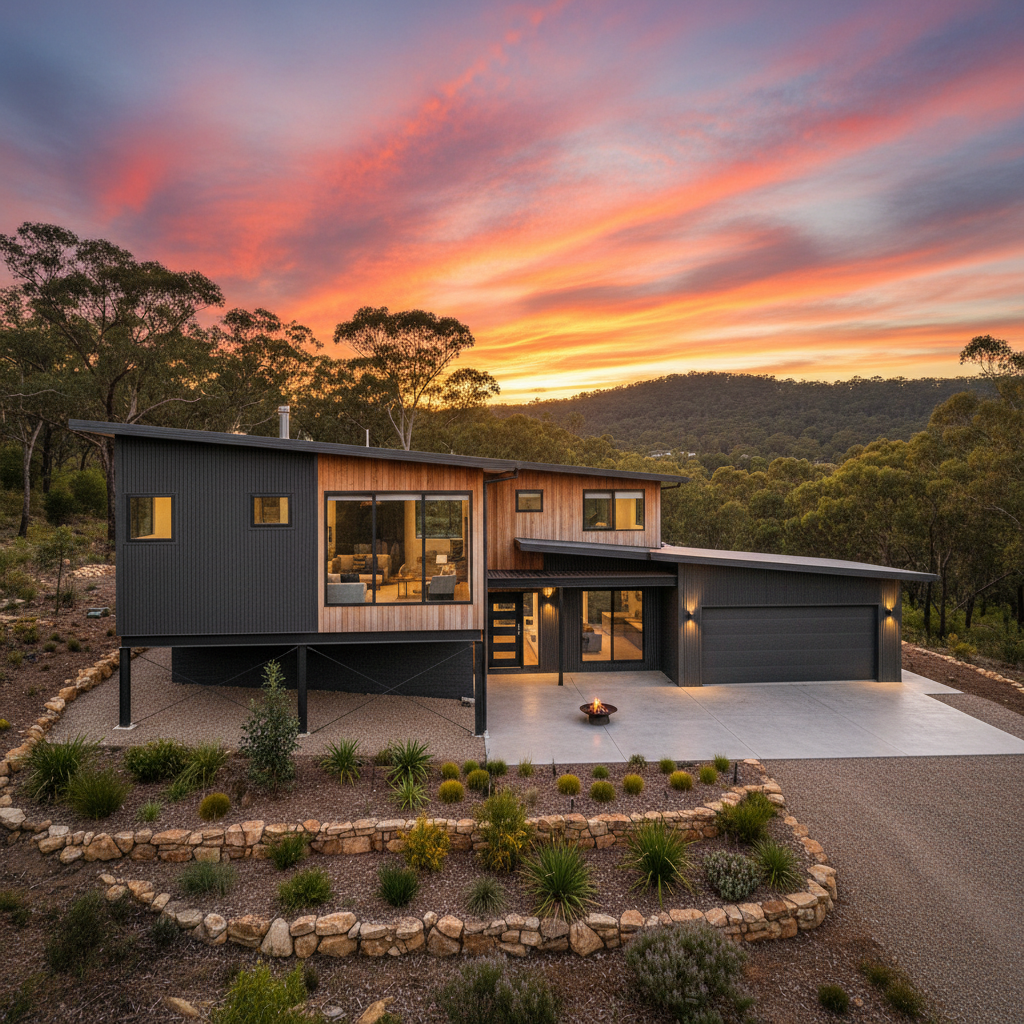
Most people look at a floor plan and think about where the couch goes. Stop doing that. Look at the compass icon instead. In the southern hemisphere, your north-facing windows are your best friends. They let in the low winter sun to warm up your floorboards but stay shaded in summer when the sun is high. If you're looking at a design like the Valley View or something similar with big glass sliders, aim those north. It sounds dead simple, but I see blokes get this wrong constantly because they're too focused on the street frontage. If your block allows it, tilt the house. Even a 15-degree variance can change how much light hits your kitchen bench at 8am. Northern light is consistent and high-quality. It doesn't glare like western light, which just makes the TV impossible to see and melts the chocolate on your pantry shelves.
But what about the south? South-facing windows give you beautiful, soft light, great for a home office or a studio. Just remember they don't offer any heat gain. If you put all your big glass on the south side in Hobart or Ballarat, you'll be wearing three jumpers indoors all through July. It's a balance. You want the north for the heat and brightness, the south for the soft stuff, and you want to be very, very careful with the west. Western sun is brutal. It's the afternoon killer. If you can't avoid western windows, plan for some serious eaves or external shutters right from the get-go.
Steel frames and the freedom of open spans
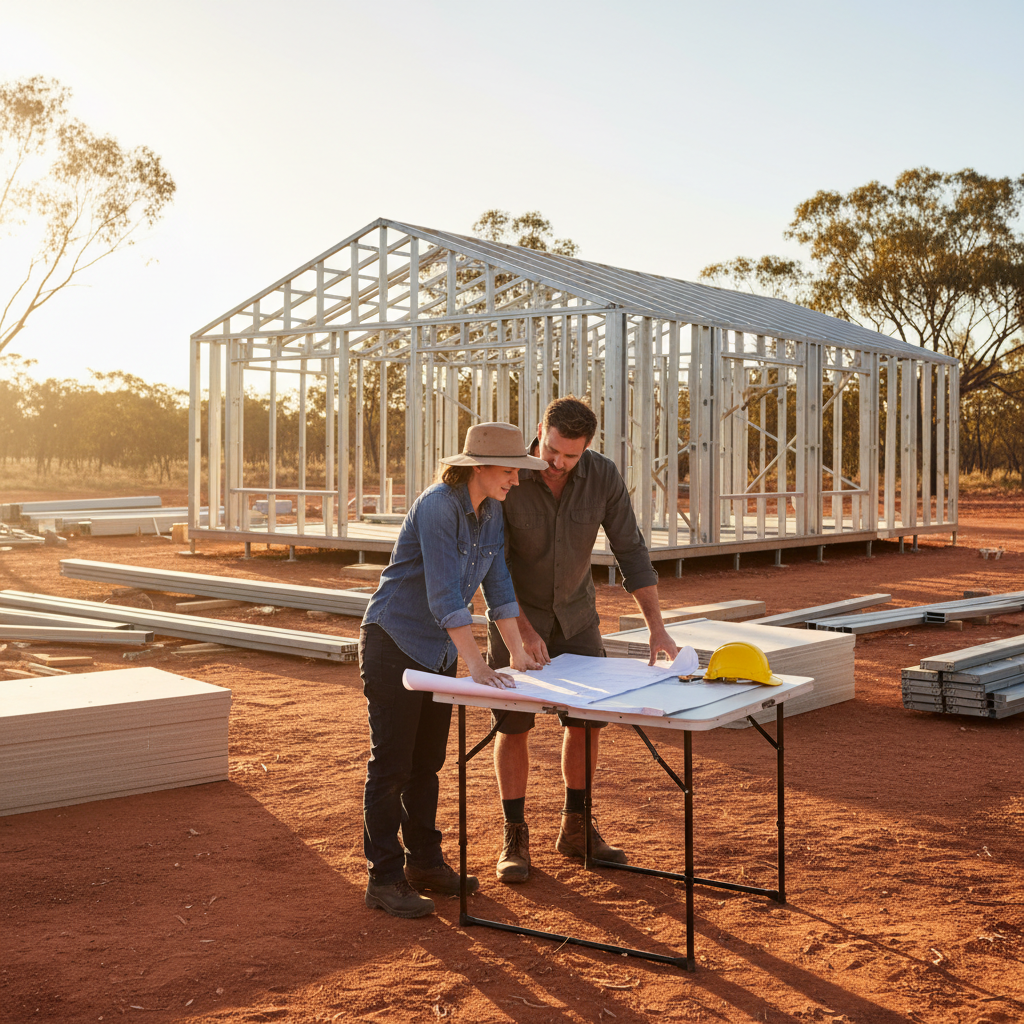
One thing I love about working with BlueScope TRUECORE steel is what it lets you do with the internal layout. Because steel has such a high strength-to-weight ratio, we can often achieve wider spans without needing a forest of internal load-bearing walls. This is a massive win for natural light. Think about it. If you have a massive open-plan living area, that light from the north-facing glass can penetrate all the way back into the kitchen and hallway. Wood frames often need more support, which means more walls, which means more shadows.
Plus, steel stays straight. We're talking about frames that won't warp, twist, or shrink over time. This matters for your windows and doors. If your frame shifts, your big glass sliders start to stick. They lose their seal. Then your ventilation strategy goes out the window because you can't be bothered fighting with a door that won't slide. Using steel kits means those openings stay true, keeping your airflow options exactly where you intended them to be for the life of the home.
Clever window placement for cross-ventilation
Ventilation isn't just about opening a window. It's about 'fluid dynamics', although that sounds a bit too fancy for a Saturday morning on site. Basically, you need an entry point and an exit point for air. If you only open one window in a room, the air just hits a wall and swirls around. If you open two windows on opposite walls, the breeze pulls through. This is the Venturi effect. It's free air conditioning, and it's heaps better for your health than breathing recirculated air all day.
Look at your floor plan. Can you see a clear path for air to move from the windward side of your house to the leeward side? In many parts of Australia, we rely on the afternoon sea breeze or the gully winds. You want to align your windows to catch those specific tracks. Don't forget high-level windows either. Because hot air rises, putting some louvres or awning windows up high near the ceiling lets the heat escape while drawing cooler air in through the lower openings. It's basic physics, but it works better than a thousand-dollar fan.
The role of eaves and shading
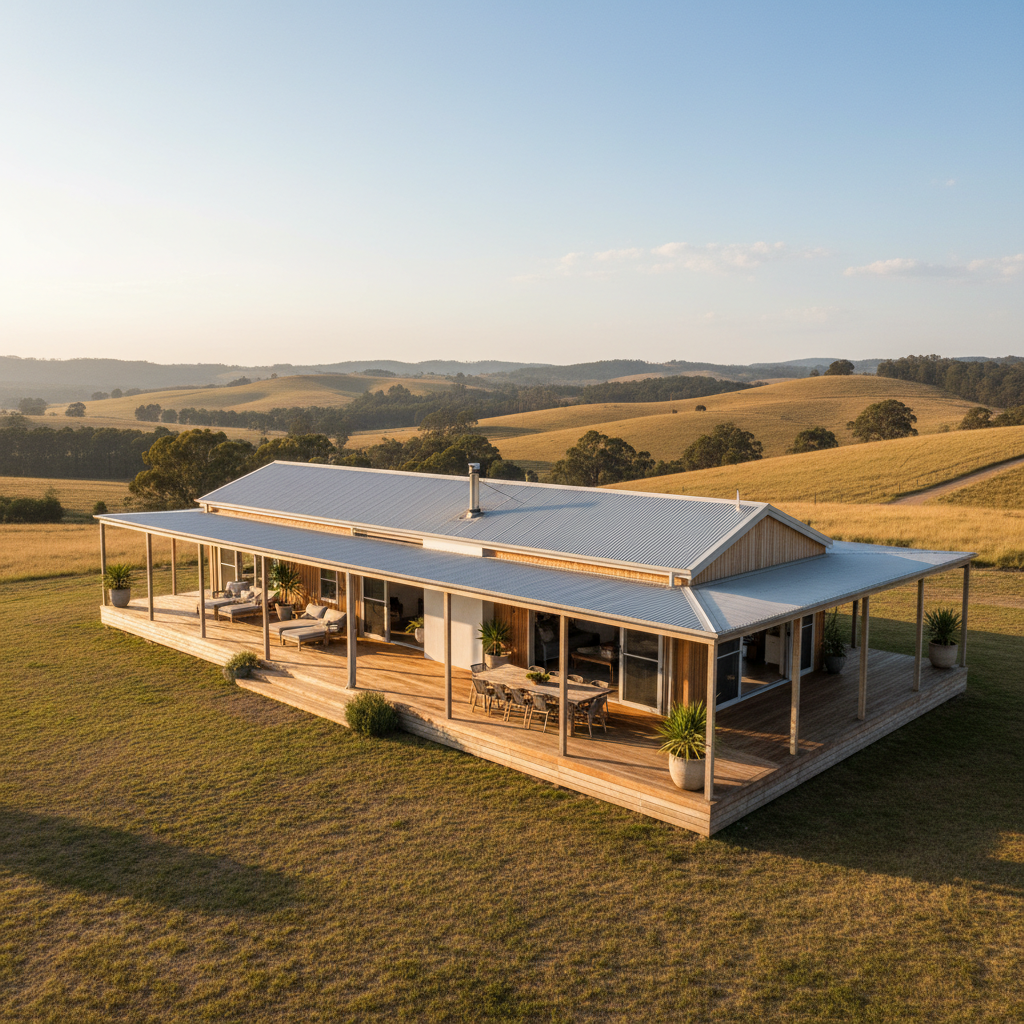
I've seen people cut the eaves off their kit home design because they wanted a 'modern' look. Biggest mistake you can make in this country. Eaves are the eyebrows of your house. They protect you from the glaring sun and keep the rain off your window sills. For a standard single-storey kit home, a 600mm or even 900mm eave can be the difference between a cool sanctuary and a tin shed.
Because our kits include the roofing and cladding, you've got to decide on your roof pitch and eave depth early. A steeper pitch can help with attic venting, while a lower pitch might suit a more minimalist vibe, but you've got to compensate with better insulation. We use Anticon or similar high-quality insulation blankets under the roofing sheets. It stops the radiant heat from the steel roof from cooking your ceiling space. If you've got a cool roof space and good eaves, your natural ventilation actually has a chance to work. If your roof is 60 degrees Celsius, no breeze in the world is going to help you.
Practical tips for the owner-builder
- Check your local BAL (Bushfire Attack Level) rating before you fall in love with a window design. If you're in a high BAL zone, you'll need toughened glass or shutters, which can affect how much light gets in.
- Don't forget the laundry and bathrooms. These are the dampest rooms in the house. A small, high window that can stay open safely even when you're not home prevents mould and that weird damp smell.
- Slab edge insulation is worth looking into. If you're using the sun to heat your slab in winter, you don't want that heat escaping out the sides into the dirt.
- Louvre windows are brilliant for airflow, especially in tropical spots like Mackay or Cairns. They give you nearly 100% of the window area for ventilation, whereas a sliding window only gives you 50%.
- Think about the color of your Colorbond roof. A lighter color like Surfmist or Shale Grey will reflect a lot more heat than Deep Ocean or Monument. This keeps the whole house cooler, making your ventilation more effective.
Building your own place is a massive slog, no doubt about it. You'll be spending your weekends on the phone to plumbers and your nights staring at council paperwork. But when you finally move in, and you're sitting in a living room that's flooded with morning light without needing a single lamp on, it's worth it. When you feel that first afternoon breeze pull through the house and you realize you don't even need to turn the aircon on, you'll be glad you spent that extra time figuring out the orientation. Just take your time with the site plan. Walk the block at different times of the day. See where the shadows fall. The steel frame gives you the skeleton, but the sun and the wind give the house its soul. Get those right, and the rest is just details.