The Death of the Formal Dining Room
Walk through any new housing estate in Western Sydney or the outer suburbs of Brisbane and you'll see the same thing. Massive double-storey boxes squeezed onto tiny blocks with barely enough room to swing a cat in the backyard. But the tide is turning. Lately, I've noticed a massive uptick in people ditching the four-bedroom-plus-media-room monster for something much leaner. They're looking at kit homes not just as a cheaper way to get under a roof, but as a way to actually live better. It's about efficiency. People have realised they don't want to spend their entire Saturday vacuuming rooms they only use twice a year at Christmas. They want a slab that makes sense.
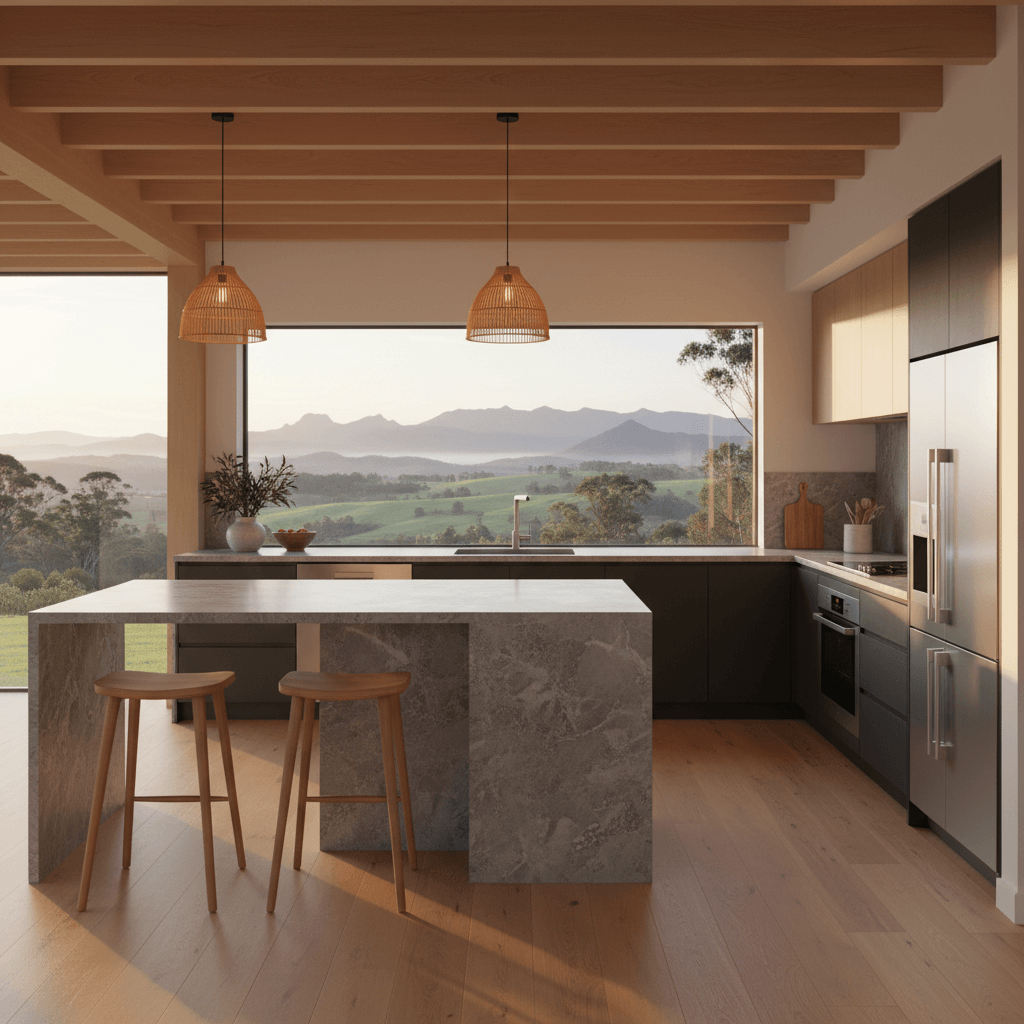
Living small doesn't mean living cramped. It's a common mistake people make when looking at floor plans. They see a 60 or 90 square metre footprint and panic. But if you get the orientation right and stop wasting space on hallways, a small home feels enormous. I tell owner-builders all the time: every metre of hallway is just a dead zone that costs you money to floor and paint. We're seeing a lot more open-plan designs where the kitchen, lounge, and deck all bleed into one. It's the Australian way. We live outside half the time anyway, so why build a cathedral indoors?
The Multi-Generational Shift on the Coast
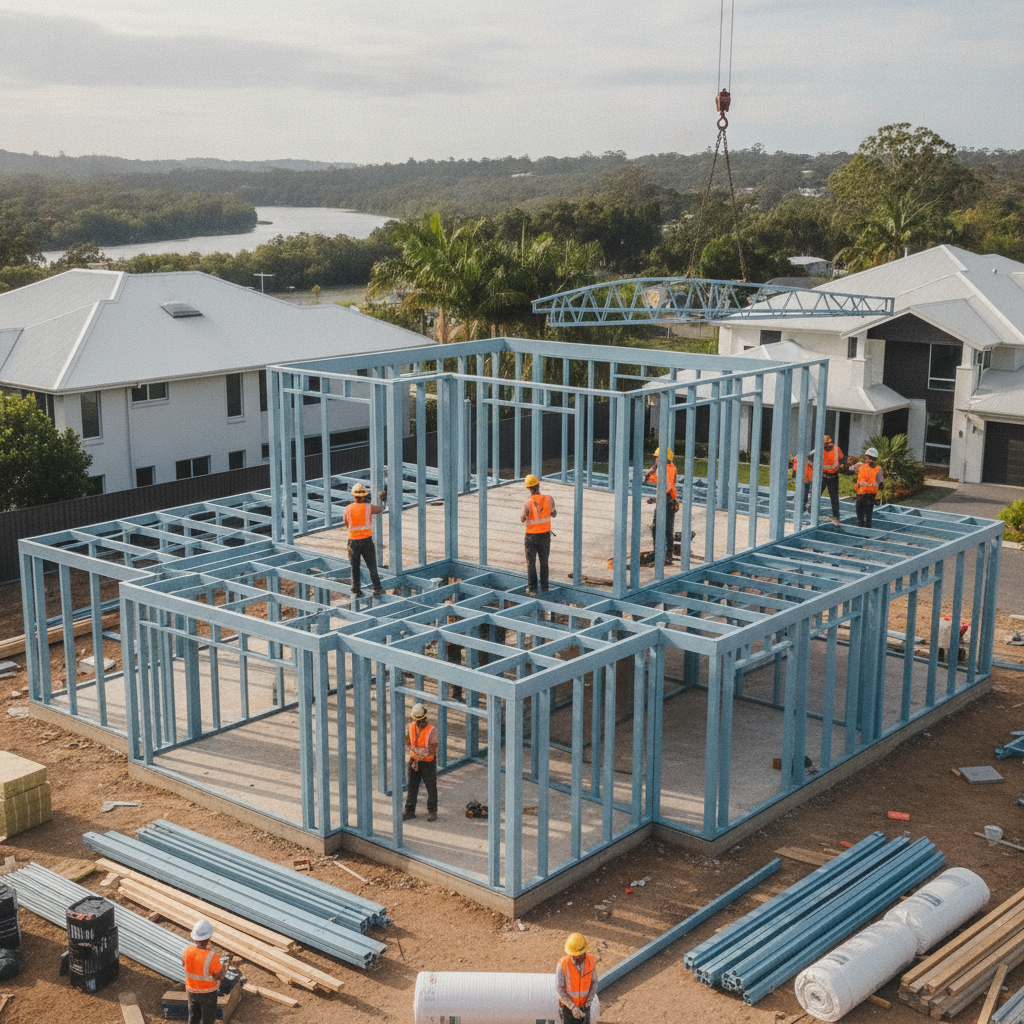
It isn't just retirees looking to downsize. We're seeing young families in places like the Sunshine Coast or the Illawarra using kit homes to stay on their parents' land. It's the old 'granny flat' idea but upgraded for 2024. These aren't just little shacks in the back corner. They're fully featured, high-end homes built with TRUECORE steel frames that stand up to the salt air and the termites. Plus, steel is straight. When you're an owner-builder doing your own plastering or cabinetry, you'll thank your lucky stars the walls are square. Timber moves. It bows. It warps in the humidity. Steel stays where you put it.
The beauty of this trend is the flexibility. Because you're buying the kit - the frames, the BlueScope cladding, the windows - and then managing the rest, you can choose where the money goes. Want a basic bathroom but a stone benchtop in the kitchen because you're a mad cook? Go for it. You aren't locked into a volume builder's 'standard' package where every change costs you five grand in variations.
Thermal Performance and the NCC 7-Star Requirement
The National Construction Code (NCC) changed the game recently. Getting to a 7-star energy rating is the new baseline, and it's much easier to achieve in a smaller, smarter footprint. When you're building a massive house, your heating and cooling loads are astronomical. In a compact kit home, you can control the climate with a much smaller system. Use the insulation we provide in the kit, get your glazing right, and you'll find the house practically looks after itself. We recommend looking closely at your window placement. In Australia, you want those North-facing windows to soak up the winter sun, but you need decent eaves to block the summer heat. Simple physics, really.
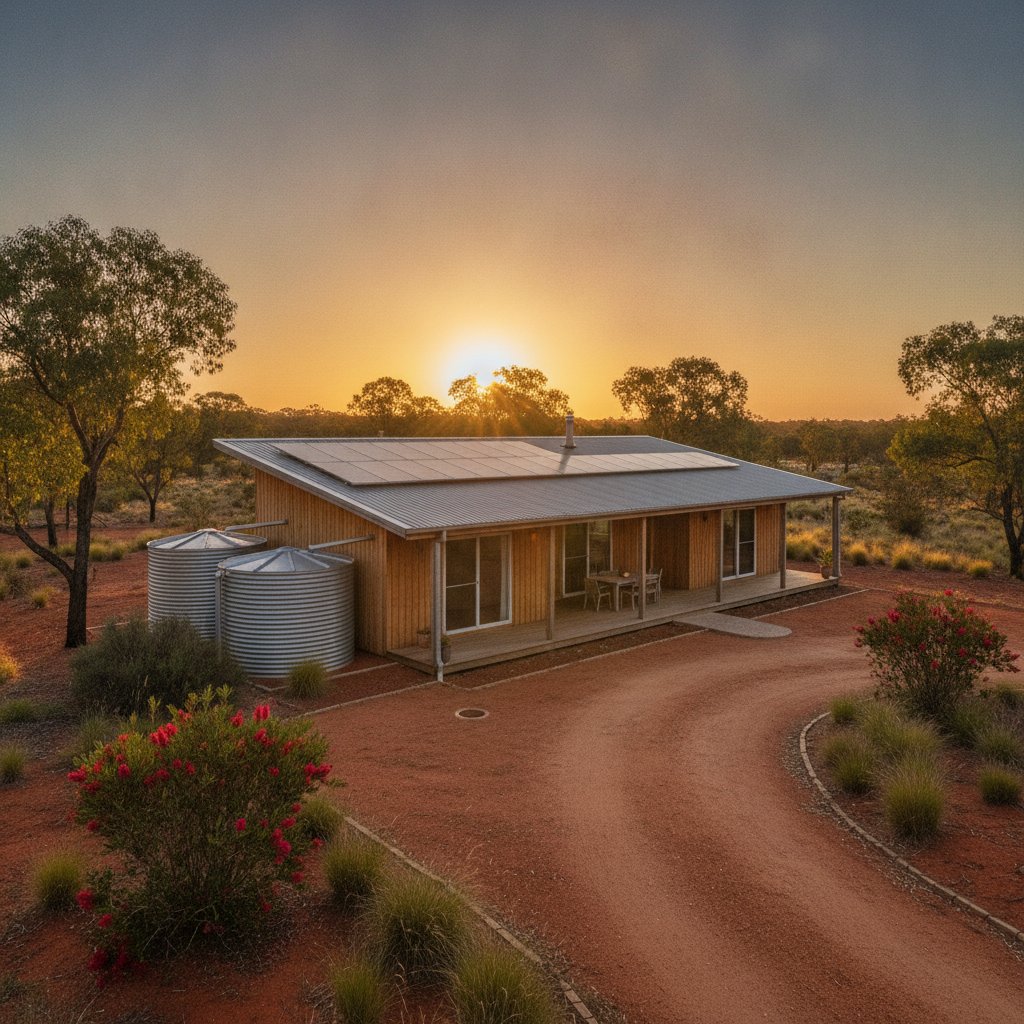
Steel frames play a part here too. People worry about thermal bridging, but once you've got your thermal break and your insulation batts in, it's a non-issue. Plus, you've got the peace of mind that comes with non-combustible materials if you're building in a Bushfire Attack Level (BAL) rated zone. If you're out in the scrub, you've got enough to worry about without wondering if your wall studs are fuel for a fire.
Owner-Builder Realities: It's Not All Beer and Skittles
I won't sugarcoat it. Being an owner-builder is a massive job. You aren't just swinging a hammer; you're a project manager, a diplomat, and an amateur accountant. You'll be on the phone to the council at 8am, and you'll be at Bunnings at 6pm because you forgot to buy the right gauge screws for the cladding. But the payoff is huge. You know exactly what's behind every wall. You know the slab was poured right. You know the insulation isn't slumped because you tucked it in yourself.
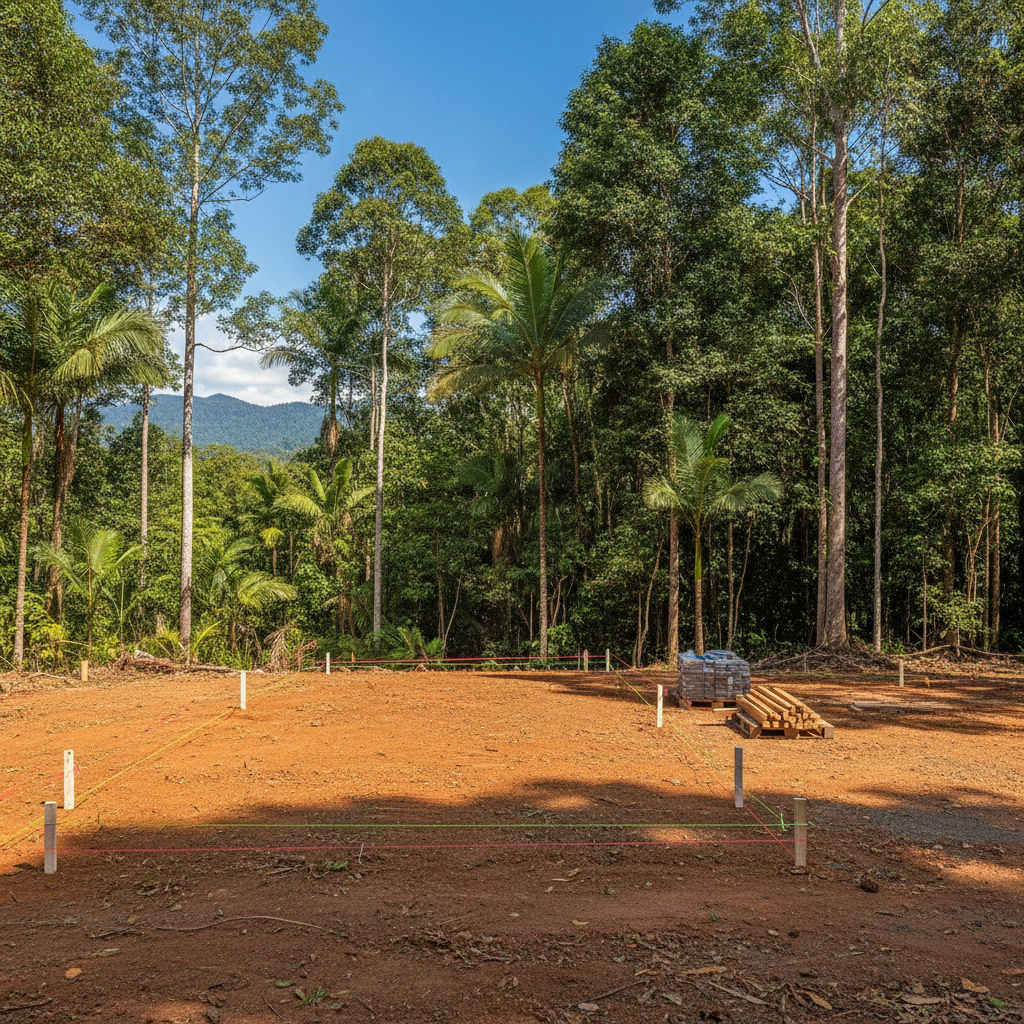
One tip for the rookies: get your site works sorted before the truck shows up with your frames. I've seen too many blokes have a semi-trailer arrive on site only to realise they haven't cleared a flat spot for the delivery or the slab isn't quite cured. Talk to your plumber and sparkie early. Show them the plans. Since our kits use steel frames with pre-punched holes for service runs, it's actually heaps easier for trades to rough-in, but they still need to know what they're looking at. Most tradies love it once they get used to it. No drilling through timber studs all day.
Smarter Living in the 21st Century
The 'Small House Movement' isn't just some hippy trend from overseas anymore. It's a practical response to the Australian climate and the reality of our land prices. We're seeing people build these 'secondary dwellings' as home offices, airbnbs, or just a place for their twenty-something kids to live while they save for a deposit. And because we use high-quality Australian steel, these things are built to last longer than the main house in some cases.
So, stop looking at the total square metreage and start looking at how the sun hits the kitchen bench in the morning. Think about where you'll put your boots when you come in from the rain. Look at the flow. A well-designed 2-bedroom kit home will feel better to live in than a poorly designed 4-bedroom mansion every single day of the week. Plus, you'll have more money left in the kitty for the things that actually matter. Like a decent shed. Or a holiday. Or just not having a mortgage that makes your eyes water every time the RBA meets.
Building your own place is a slog, but it's the most rewarding thing you'll ever do. Just take it one step at a time. Get your head around the regulations, find a good local concreter, and make sure you've got a dry place to store your tools. The rest? You'll suss it out as you go.