Finding Your Footprint: The Art of Selecting Kit Home Dimensions
Choosing to build a kit home is one of the most rewarding adventures an Australian homeowner can embark on. It offers a sense of pride that comes from being an owner-builder, and it allows for a level of customisation that traditional off-the-plan homes often lack. However, before you start picking out floor finishes or kitchen cabinetry, you face one of the most critical decisions of the entire process: how big should the house actually be?
In Australia, we are blessed with diverse landscapes, from narrow suburban blocks in the city to sprawling regional acreages. Each of these environments demands a different architectural approach. When you choose a kit home, you are choosing a system of high quality components, including durable BlueScope TRUECORE steel frames, roofing, and cladding, that must be configured to suit your lifestyle and your site perfectly. This guide will walk you through the practical steps to ensure your new home is neither a cramped squeeze nor an overwhelming cavern.
Assess Your Land Constraints First
Before you fall in love with a five bedroom floor plan, you must listen to what your land is telling you. Your block of land is the literal foundation of your project, and it comes with its own set of rules.
The Building Envelope and Setbacks
Every local council in Australia has specific regulations regarding setbacks. This is the distance your home must be from the front, side, and rear boundaries. On smaller blocks, these setbacks can significantly reduce your available building area. Always start by obtaining a site survey and checking with your local council or an expert building certifier. A kit home that looks modest on paper might actually be too wide once you factor in fire separation zones or easement restrictions.
Topography and Site Access
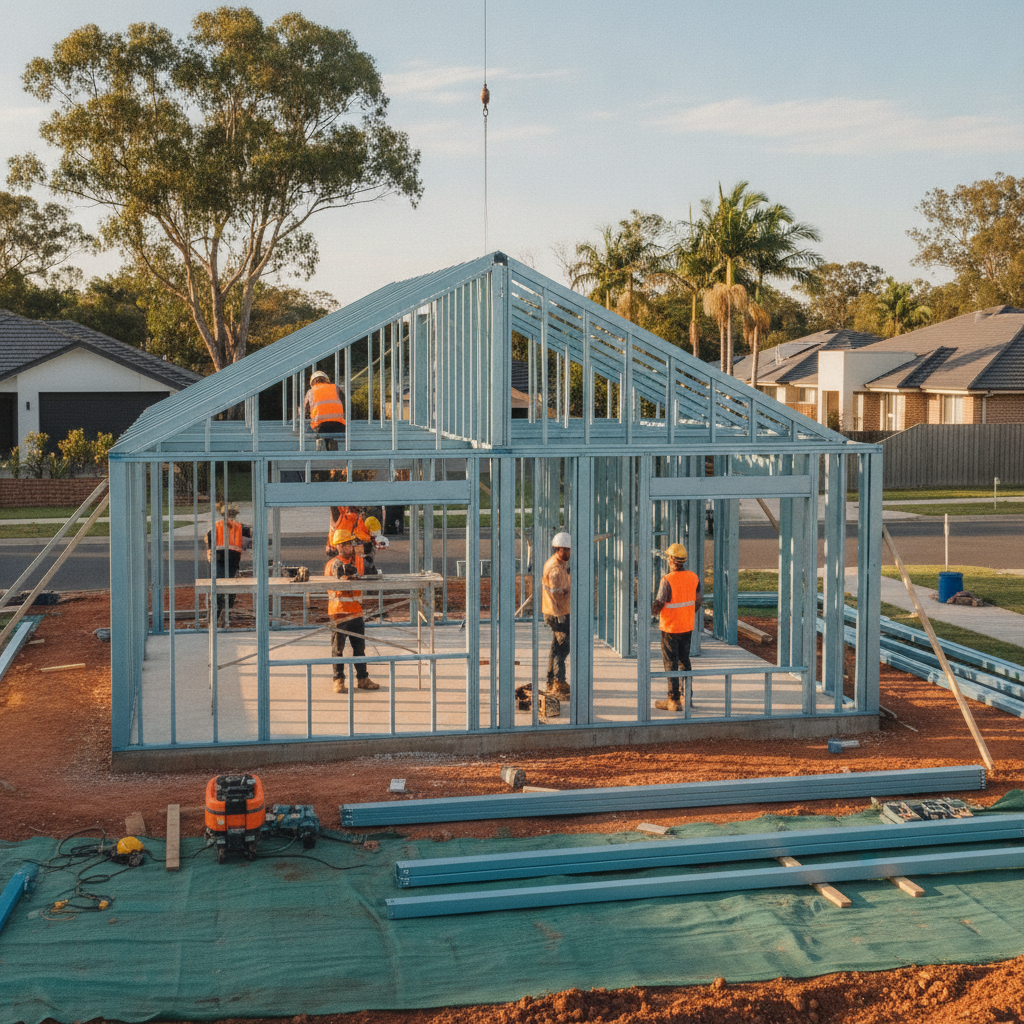
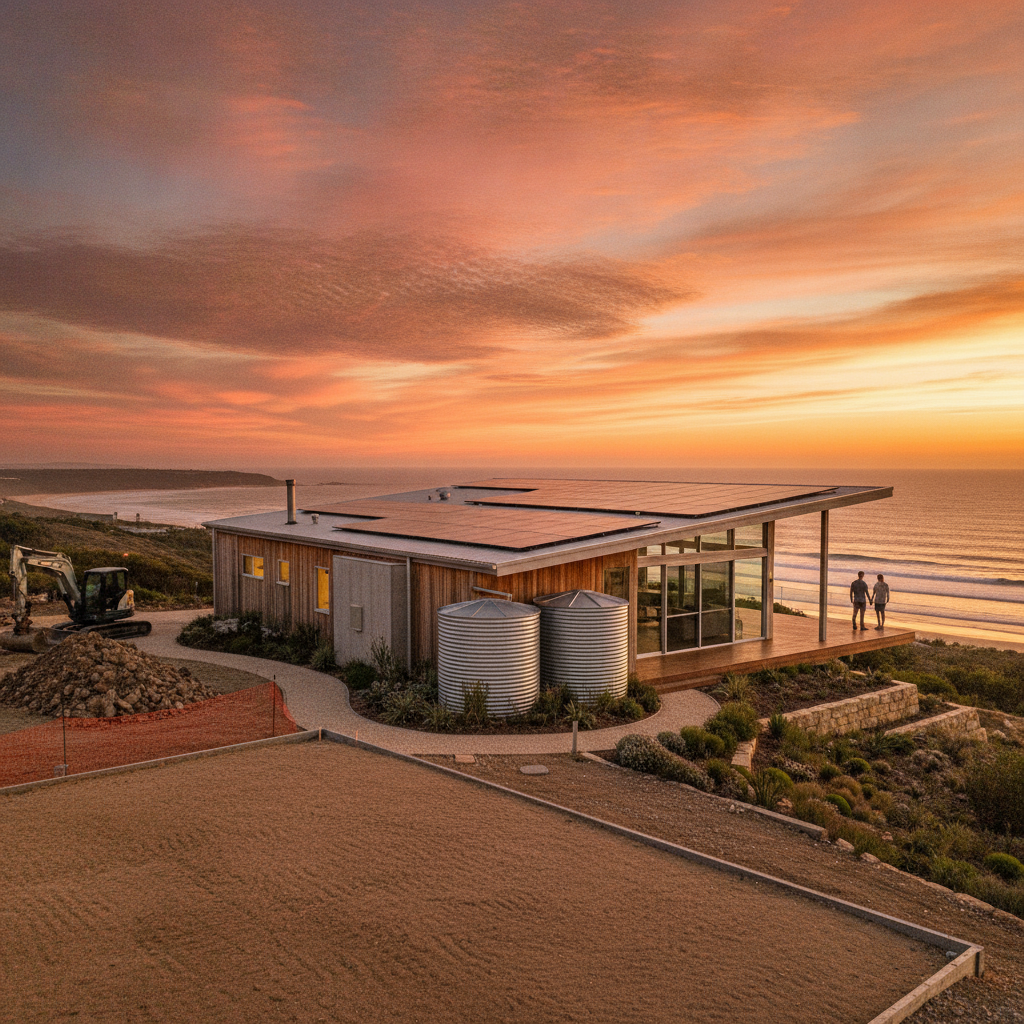
Is your land flat, or does it resemble a mountain range? Building a large, single storey kit home on a steep slope can lead to massive costs in earthworks and retaining walls. In these cases, a smaller footprint or a design that works with the slope is often much smarter. Additionally, remember that your kit home materials, such as the steel frames and long lengths of roofing, need to be delivered. Ensure there is enough space for a truck to access the site and for you to safely store the components during the build phase.
Matching Size to Your Lifestyle Stages
A house is not just a building; it is a backdrop for your life. The right size for you today might not be the right size five years from now. When browsing kit home designs, think about your life stages.
The Growing Family
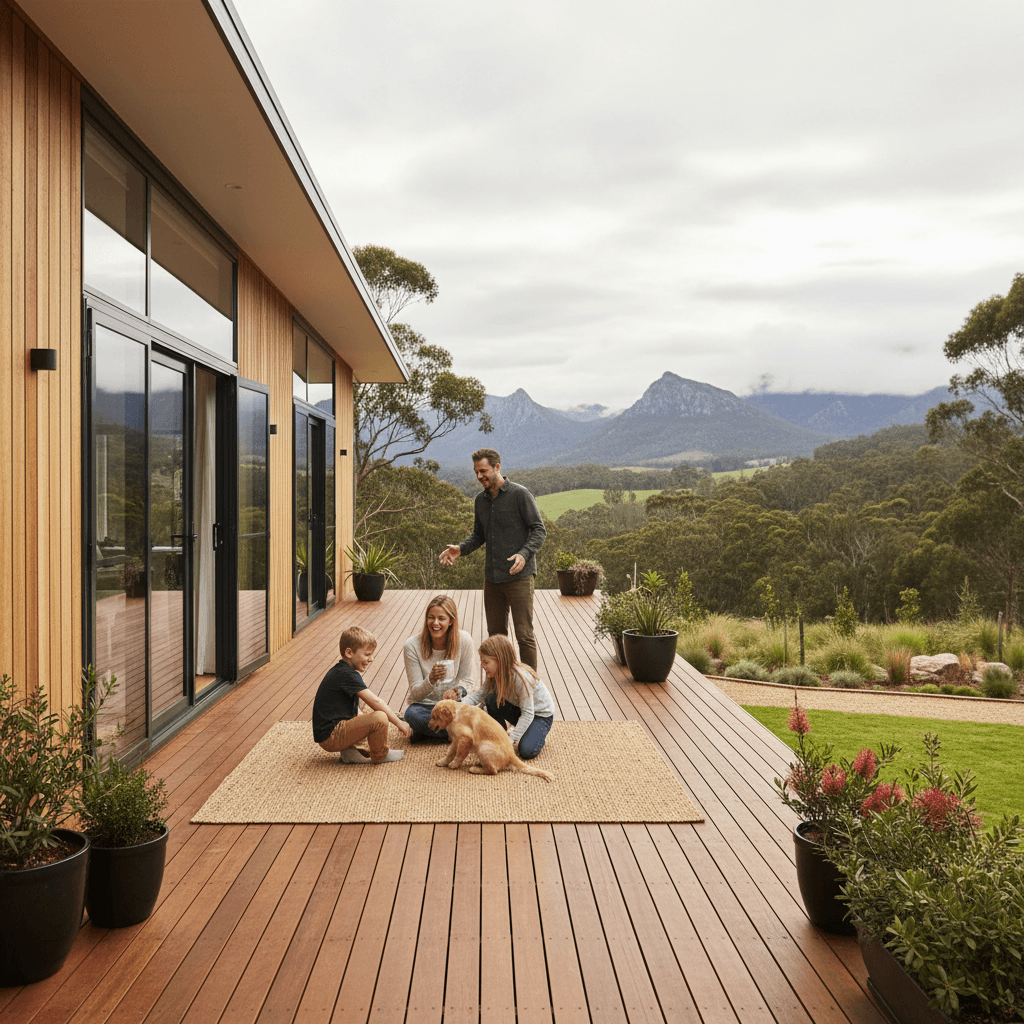
If you have young children or are planning to start a family, extra bedrooms are an obvious requirement. But think beyond just bedrooms. Consider a kit home layout that includes a second living area or a multi-purpose room. This allows for a "zonal" lifestyle where kids can play in one area while adults enjoy some quiet time in another. Steel frame construction allows for wide, open spans, which is perfect for creating these flexible family zones.
The Downsizer and Minimalist
For those looking to simplify, a smaller kit home can offer a liberating lifestyle change. A two bedroom home is often plenty for couples, providing a guest room for visitors or a dedicated home office. The beauty of a smaller footprint is that it is easier to maintain, quicker to clean, and usually means more of your budget can be spent on high quality internal finishes or landscaping.
The Remote Worker
The rise of working from home has changed how we view floor plans. If you work from home permanently, a dedicated office space is no longer a luxury, it is a necessity. Look for kit home designs that allow you to tuck the office away from high traffic areas like the kitchen or lounge room to ensure a productive environment.
The Balance Between Internal and External Living
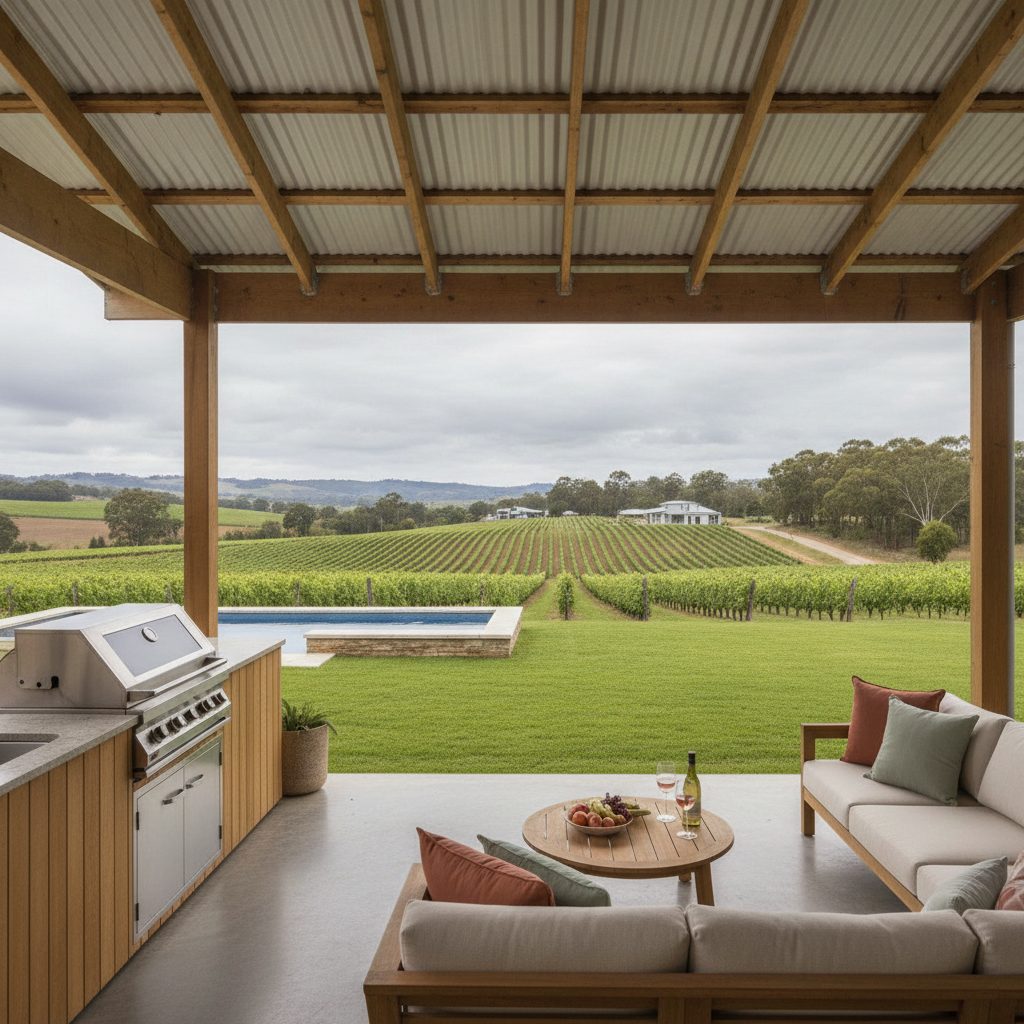
In the Australian climate, our lifestyle often flows between the indoors and the outdoors. This is a crucial factor when deciding on house size. If you have a beautiful piece of land, you might choose a slightly smaller internal footprint to make room for a massive wrap-around verandah or an expansive deck.
A well designed kit home creates a seamless transition to the outdoors. If you enjoy entertaining, a smaller indoor dining area might be perfectly acceptable if it opens out onto a large sheltered deck. By prioritising outdoor living space, you can often save on the overall size of the enclosed structure without sacrificing the feel of a large, airy home.
Design Efficiency: Making Small Feel Big
Square metres are not the only measure of space. Volume and light play a massive role in how a home feels. If you are restricted by your land size, there are several design tricks to make a modest kit home feel much more spacious:
- High Ceilings: Increasing your wall height creates a sense of grandeur even in small rooms.
- Clever Storage: Built-in wardrobes and smart kitchen storage solutions reduce clutter, which is the biggest enemy of small spaces.
- Natural Light: Large windows and glass sliding doors don't just provide views; they expand the visual boundaries of a room. Because kit homes often include the windows and doors as part of the package, you can plan these placements to maximise the light.
- Open Plan Living: Removing unnecessary hallways and walls creates a flow that makes the home feel significantly larger than its actual dimensions.
Consider the Owner-Builder Workload
As an owner-builder, you are the project manager. You are responsible for coordinating the trades, from the plumber and electrician to the plasterers and painters. It is important to be realistic about the scale of the project you can manage. A massive five bedroom, three bathroom home requires significantly more project management, trade coordination, and physical labour than a compact three bedroom cottage.
Building a home is a marathon, not a sprint. Choosing a size that fits your energy levels and your timeline will ensure the process remains an enjoyable experience rather than an overwhelming burden. Smaller homes are generally faster to weather-in, meaning you can get those steel frames up and the roof on quicker, protecting your interior work from the elements sooner.
Future-Proofing Your Design
Finally, think about resale value and future flexibility. While you are building this home for yourself, life can be unpredictable. A home that is too niche or too small for the average buyer in your area might be harder to sell later. Often, adding just a little extra width or a small additional room can significantly increase the appeal of the home to a wider market without ballooning the project scope.
Conclusion
Choosing the right kit home size is a delicate balancing act between your dreams, your land, and your lifestyle. By taking the time to understand your council's requirements, being honest about your daily needs, and considering the practicalities of being an owner-builder, you can select a design that serves you well for decades to come.
Whether you are building a bush retreat on a sprawling plot or a modern family home in a growing suburb, the flexibility of kit homes makes it possible to find that "Goldilocks" fit, not too big, not too small, but just right. Focus on quality over quantity, and remember that a well-designed smaller home will always beat a poorly-planned large one. Happy building!