The Rise of the Thoughtful Footprint
There is a quiet revolution happening across the Australian landscape. From the rolling hills of the Sunshine Coast hinterland to the rugged coastline of Victoria, more Australians are swapping over-sized mansions for the intentionality of small home living. The kit home movement has become a cornerstone of this shift, offering a pathway for owner-builders to create spaces that prioritize quality of life over sheer square meterage.
Choosing a compact kit home is not about sacrifice. It is about distilling your lifestyle down to what truly matters. It is about less time cleaning and maintaining, and more time enjoying the beautiful Australian outdoors. In this guide, we dive deep into how you can make a compact floor plan feel expansive, luxurious, and perfectly suited to our unique way of life.
Smart Design Principles for Compact Floor Plans
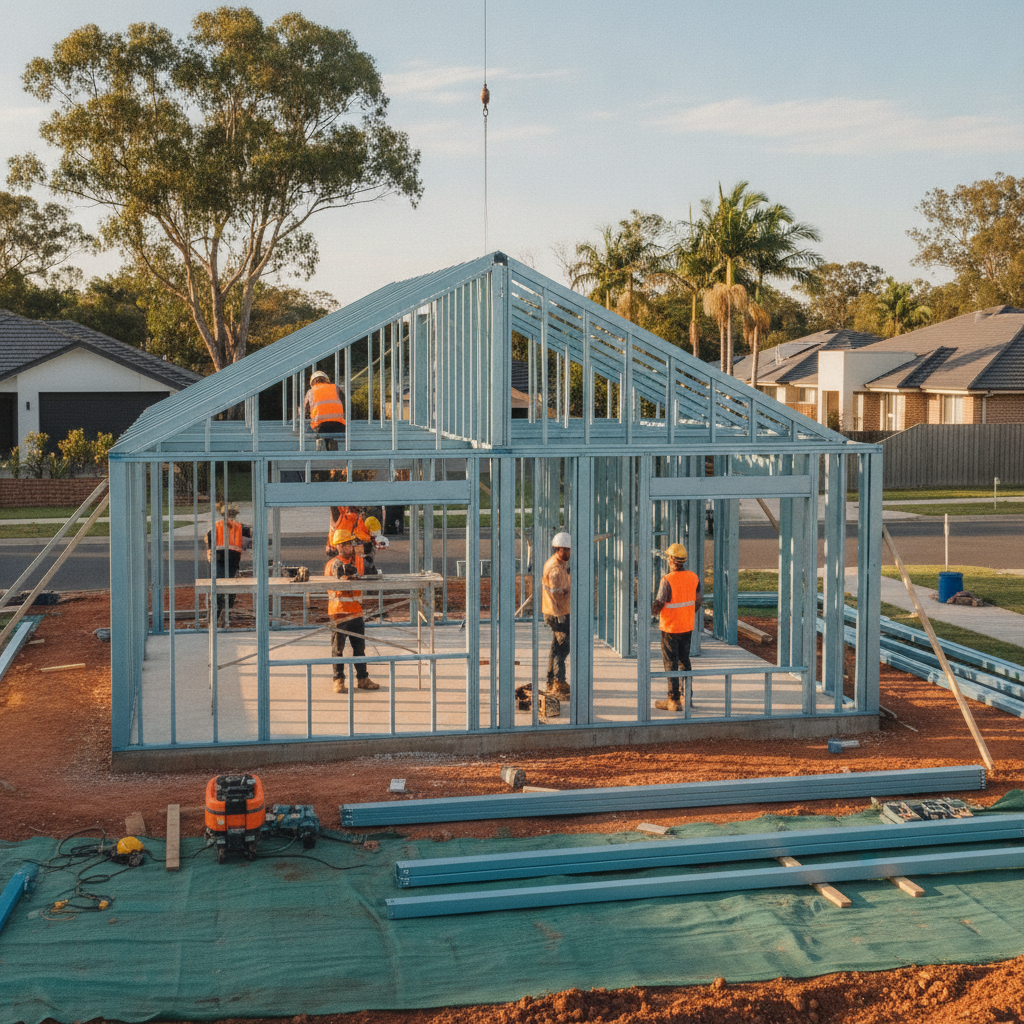
When you are working with a smaller footprint, every millimetre must earn its keep. Modern Australian kit homes often utilize steel frames because they allow for clever architectural feats, such as wider spans and higher ceilings, which are essential for creating an airy feel in a small home.
The Power of Vertical Volume
One of the oldest tricks in the design book is to look up. If you cannot expand outwards, expand upwards. High ceilings are a game-changer for small homes. By utilizing a skillion roof or increasing your wall height, you draw the eye upward, instantly making a room feel twice its size. This also provides the perfect opportunity for high-level windows, often called highlight windows, which pull in natural light while maintaining privacy from neighbors.
Visual Continuity and Flooring
To make a small kit home feel cohesive, use the same flooring throughout the entire house. When you change floor materials at every doorway, it visually breaks up the space and tells your brain that the rooms are small. By running the same timber-look tile or polished concrete from the front door through to the bedrooms, the home feels like one continuous, flowing sanctuary.
The Great Australian Indoor-Outdoor Flow
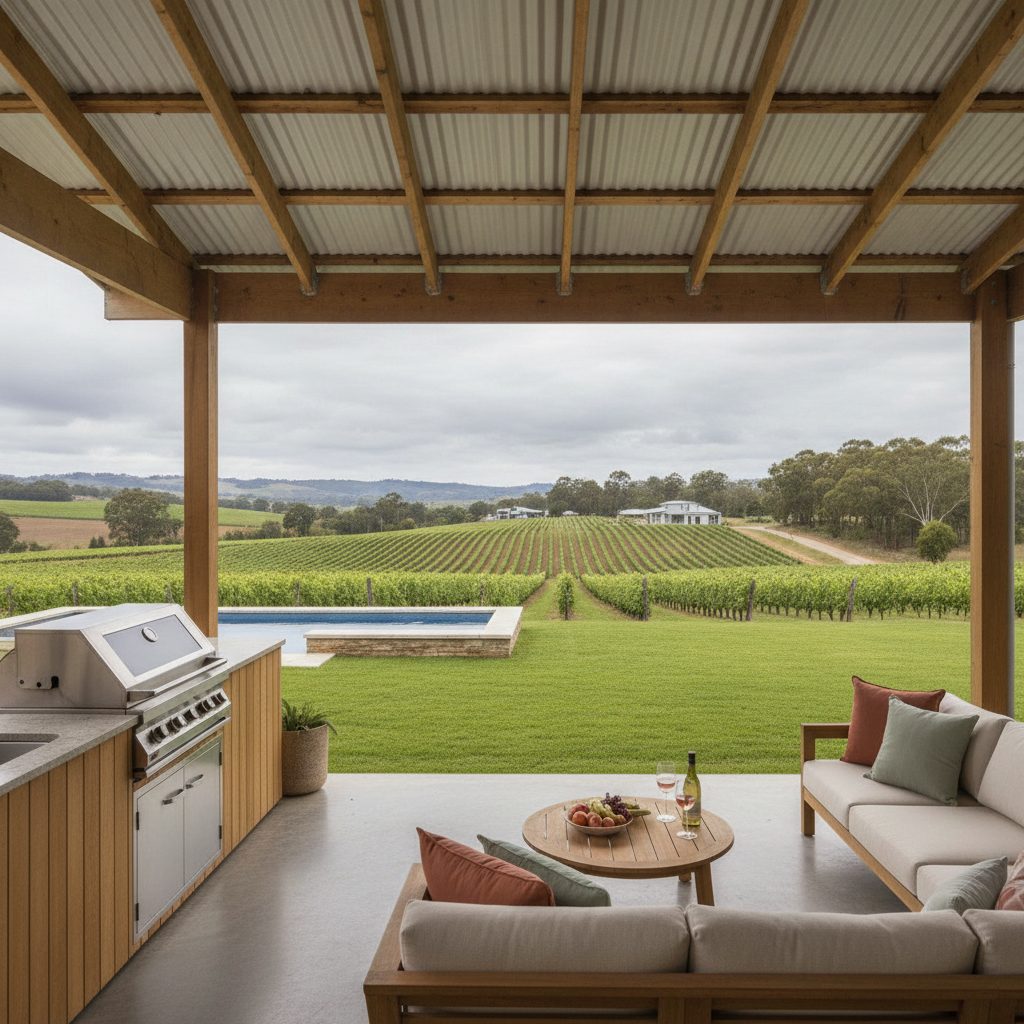
In Australia, our climate is our greatest asset. A 60-square-metre kit home can easily feel like a 100-square-metre home if you integrate the deck correctly. The goal is to blur the lines between your interior living space and your exterior surroundings.
Bi-fold and Large Sliding Doors
Investing in wide opening doors is one of the best moves an owner-builder can make. When a large glass door tucks away, your deck becomes an extension of your lounge room. This is a hallmark of the Australian lifestyle, allowing the scent of eucalyptus or the sea breeze to filter through the home, further enhancing the sense of space.
Consistent Floor Levels
A practical tip for owner-builders: try to keep your deck level as close as possible to your internal floor level (while ensuring proper drainage and termite protection). When the floor plane continues at the same height, the eye does not see a boundary, and the outdoor area feels like another room of the house.
Kit Home Tips: Storage is Your Best Friend
Clutter is the enemy of small home living. To keep your kit home feeling serene, you need a place for everything. Here is how to handle storage like a pro:
- Built-in nooks: Use the space between steel wall studs to create recessed shelving in bathrooms or entryways.
- Multi-functional furniture: In a small home, a bed is never just a bed, it is also a storage unit for linens. A coffee table should double as a chest for board games.
- The 'One In, One Out' Rule: Living small encourages a more mindful approach to consumption. Many Australians are finding that owning fewer, higher-quality items brings more joy than a house full of unused gadgets.
Owner-Builder Tips: Nailing the Small Build
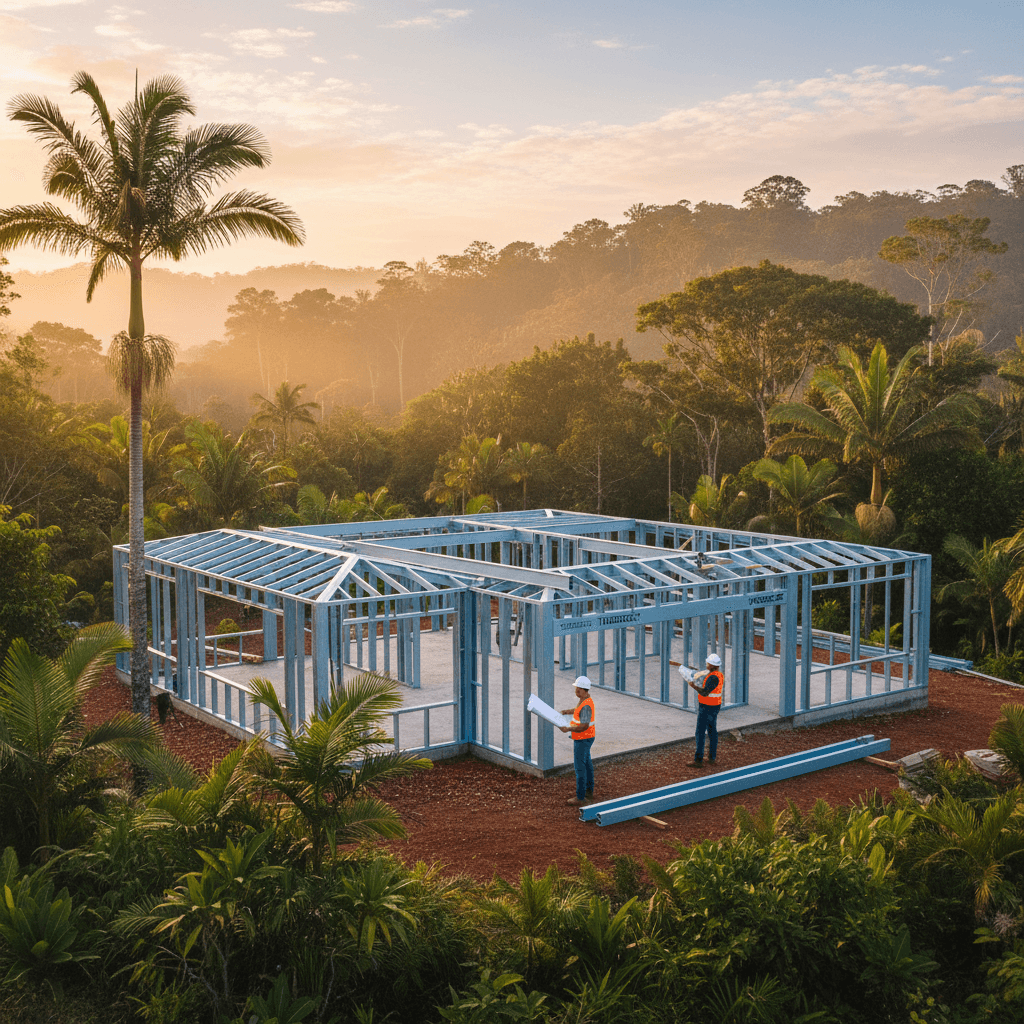
Managing the build of a kit home is a rewarding journey, but small homes require just as much coordination as large ones. As an owner-builder, your focus should be on the finish. Because you are working with a smaller surface area, you might find you have the budget to splurge on higher-end cladding or designer tapware that might have been too expensive for a massive family home.
When choosing your kit, look for systems that use TRUECORE steel. This ensures your frames remain straight and true over time. In a small home, where lines are often more visible, you do not want to see bowing walls or windows that stick. Steel frames provide that structural precision that makes a modern design look sharp and professional.
Light, Colour, and Texture
The Australian sun is bright and harsh, but when harnessed correctly, it can transform a small interior. Opt for a light, neutral colour palette to bounce light around the rooms. Lexicon Half or Natural White are perennial favourites in Australian homes for a reason.
However, do not be afraid of texture. While you want light colours, adding a feature wall with vertical timber screening or a textured splashback in the kitchen adds depth. Depth creates interest, and interest prevents a room from feeling like a "box."
Sustainable Living in a Small Kit Home
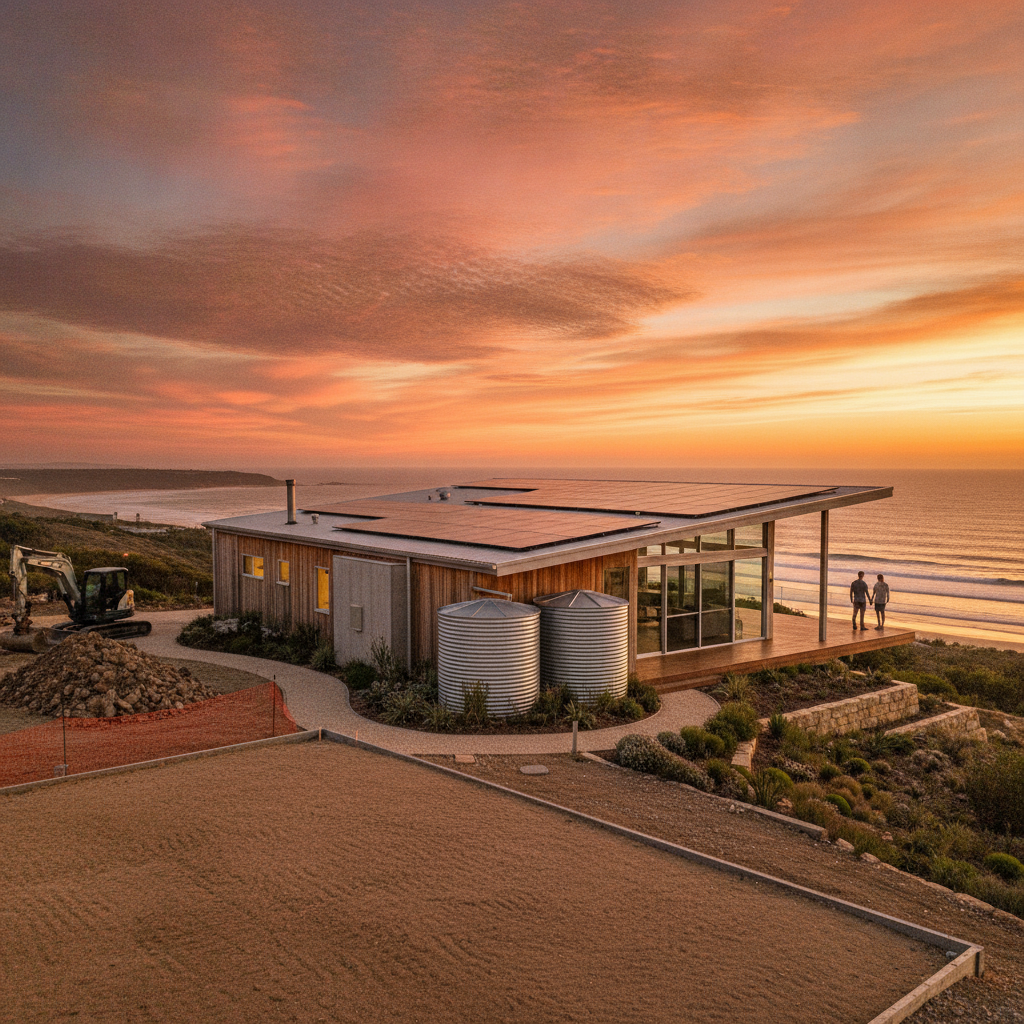
Small homes are inherently more sustainable. They require less energy to heat and cool, and they utilize fewer materials in the construction process. To take this further, consider your orientation during the site works phase. Even the most perfectly designed kit home will feel cramped and uncomfortable if it is baking in the western sun without protection.
Orient your home to capture the northern winter sun and use eaves or awnings to block the high summer sun. Because many kit homes come with high-quality insulation and steel roofing, you can create a thermal envelope that keeps you comfortable year-round with minimal reliance on air conditioning.
The Psychology of Small Spaces
There is a unique sense of peace that comes with living in a small, well-designed home. Every item you own is within reach, every room serves a clear purpose, and the connection to the land is often stronger. It encourages us to spend more time on the veranda, in the garden, or exploring our local community.
For many Australian owner-builders, the process of putting together their kit home is the start of a new chapter, one where they are no longer "slaves" to a mortgage or a house that is too big to manage. It is about freedom, flexibility, and a focus on experiences over possessions.
Conclusion: Your Big Future in a Small Home
Building a compact kit home is a savvy way to enter the property market, downsize for retirement, or create a beautiful guest house on an existing property. By focusing on smart design, maximizing indoor-outdoor flow, and choosing quality materials like steel frames and durable cladding, you can create a space that feels grander than its footprint suggests.
Embracing the small home lifestyle is a journey of discovery. It forces you to think about how you actually live, rather than how a developer thinks you should live. With a bit of planning and a DIY spirit, your Australian kit home can be the perfect sanctuary for a big, beautiful life.