Standing on a muddy site at 6:30am waiting for a building surveyor to show up is the ultimate reality check for any owner-builder. You've spent months picking out the perfect kit home, waited for the delivery truck to drop those TRUECORE steel frames, and probably had a few arguments over where the kitchen island goes. But none of that matters once the guy with the clipboard arrives. Council inspections are the gatekeepers. If they aren't happy, nobody is moving in.
Most folks think inspections are about catching you out. That's not really it. It's about ensuring the thing doesn't fall down or rot from the inside out in ten years. When you're building with steel, the rules are specific. You aren't just following a set of drawings; you're adhering to the National Construction Code (NCC) and Australian Standards like AS 4600. It sounds dry, but getting it right the first time saves you from the nightmare of ripping out plasterboard because someone forgot to check the tie-downs.
The Footing and Slab Stage
Before any steel arrives on site, you're dealing with the ground. This is the messiest part. The inspector needs to see the excavations before the concrete truck starts pouring. They're looking for depth, the quality of the soil, and making sure you've actually hit the 'coffee rock' or clay specified in your engineering report. We've seen owners try to rush this because the rain is coming. Don't. If the inspector hasn't seen the steel reinforcement (reo) and the chairs holding it at the right height, you're looking at a costly mistake.
In Australia, termite protection is a big deal. Even though your frames are steel and won't get eaten, the rest of your house is still at risk. Door frames, skirting boards, and cabinetry are all snacks for termites. The inspector will check your physical or chemical barriers. Usually, this means seeing the collars around the plumbing penetrations before the concrete goes in. It's a small detail, but it's a non-negotiable one.
The Frame Inspection: Where Steel Shines
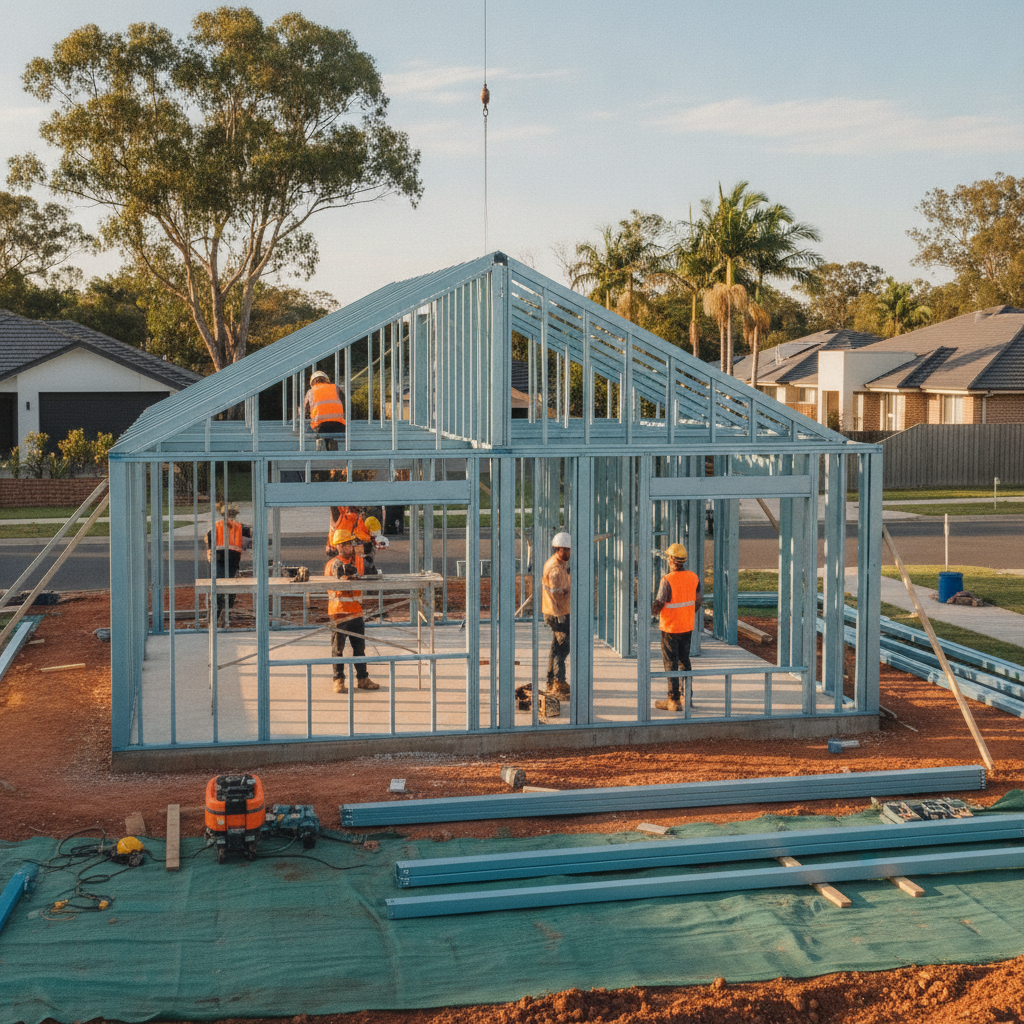
This is the big one. Once the frames are up and before the wrap and cladding go on, the inspector returns. This is technically the most complex part of the kit home process. They aren't just looking at the walls. They're looking at the bracing, the connections, and the roof trusses. Because these kits come with pre-punched holes and precision-engineered members, it's harder to mess up than timber, but you can still get it wrong.
Self-drilling screws are the lifeblood of a steel kit home. The surveyor will be checking for the correct screw patterns. Are the tek screws in the right spots? Are the noggin tracks secure? If you're building in a high wind zone, like coastal Queensland or parts of WA, the tie-down requirements are massive. They'll check the base plate connections to the slab. If the nut isn't tight on that Chemset bolt, you'll be fixing it while they watch. It’s awkward. Avoid it by doing your own walk-through with a spanner the day before.
Plumbing and electrical rough-ins happen now too. One mistake I see constantly is tradies hack-sawing through a steel stud to run a pipe. Never let them do that. Steel frames have grommets and pre-punched service holes for a reason. If a sparky cuts a structural member without checking the engineering, the inspector will fail the frame immediately. Because steel is conductive, they are also checking that the electrical work is properly earthed and that cables are protected by plastic grommets so they don't chafe against the metal edges. It's about safety, plain and simple.
The Wet Area and Waterproofing Check
Water is the enemy of any house. In the bathroom and laundry, you'll need a waterproofing inspection. This usually happens after the sheeting is up but before the tiles are laid. The inspector wants to see the membrane. They’re looking for that bright blue or pink liquid rubber to be applied at the correct height up the wall and across the floor. Plus, they check the fall to the floor waste. If water doesn't run to the drain, the bathroom is a failure. No exceptions here. I've seen builders have to rip up $3,000 worth of Italian tiles because the waterproofing didn't meet AS 3740. It's a gut-wrenching sight.
Lock-up and Intermediate Steps
Depending on your local council or private certifier, you might have a few extra visits. Insulation is a common one. With the energy efficiency requirements in the NCC (the 7-star ratings), they want to see that the batts are tucked in tight with no gaps. If you've got a steel frame, you'll likely be using a thermal break. This is a strip of foam or high-density material between the frame and the cladding. It stops the heat from transferring through the steel. If the inspector can’t see that thermal break before the cladding goes on, you might be in for a long conversation about why you didn't call them sooner.
The Final Inspection
This is the finish line. At this stage, the house should be liveable. Taps work, toilets flush, and the smoke alarms are screaming during the test. The inspector is looking for 'Health and Amenity'. Is there a handrail on the stairs? Do the windows have locks? Is the balcony balustrade 1000mm high? Little things, like the gap between the slats on a deck, can trip you up. If a 125mm sphere can fit through, it’s a fail. Kids could get their heads stuck, and the council won't sign off on that risk.
You’ll also need your certificates in a nice, neat folder. You need the glazing certificate for the windows, the electrical safety certificate, the plumbing compliance certificate, and the termite protection certificate. For a kit home, you'll also need the 'Form 15' or equivalent from the frame manufacturer saying the steel was designed and manufactured to code. If you're missing one of these pieces of paper, you won't get your Occupation Certificate (OC). And without an OC, you can't officially move in or get home insurance. It's that serious. Plus, if you ever want to sell the place, a missing OC is a red flag that kills a sale faster than a termite infestation.
Practical Tips for Owner Builders
- Keep a clean site. An inspector who has to hop over piles of rubbish to get to the house is already in a bad mood.
- Be there in person. If the inspector has a question about a specific bracket, you want to be able to point to the engineering plans right then and there.
- Book early. In busy areas like the NSW South Coast or the outskirts of Melbourne, inspectors can be booked out for two weeks. Don't wait until the day you finish to call them.
- Photos are your best friend. Take hundreds. If a pipe gets covered up and the inspector wants to see it, a photo with a date stamp might save you from reaching for the sledgehammer.
- Listen more than you talk. If they tell you something is wrong, don't argue the toss. Ask how to fix it so it passes the next day.
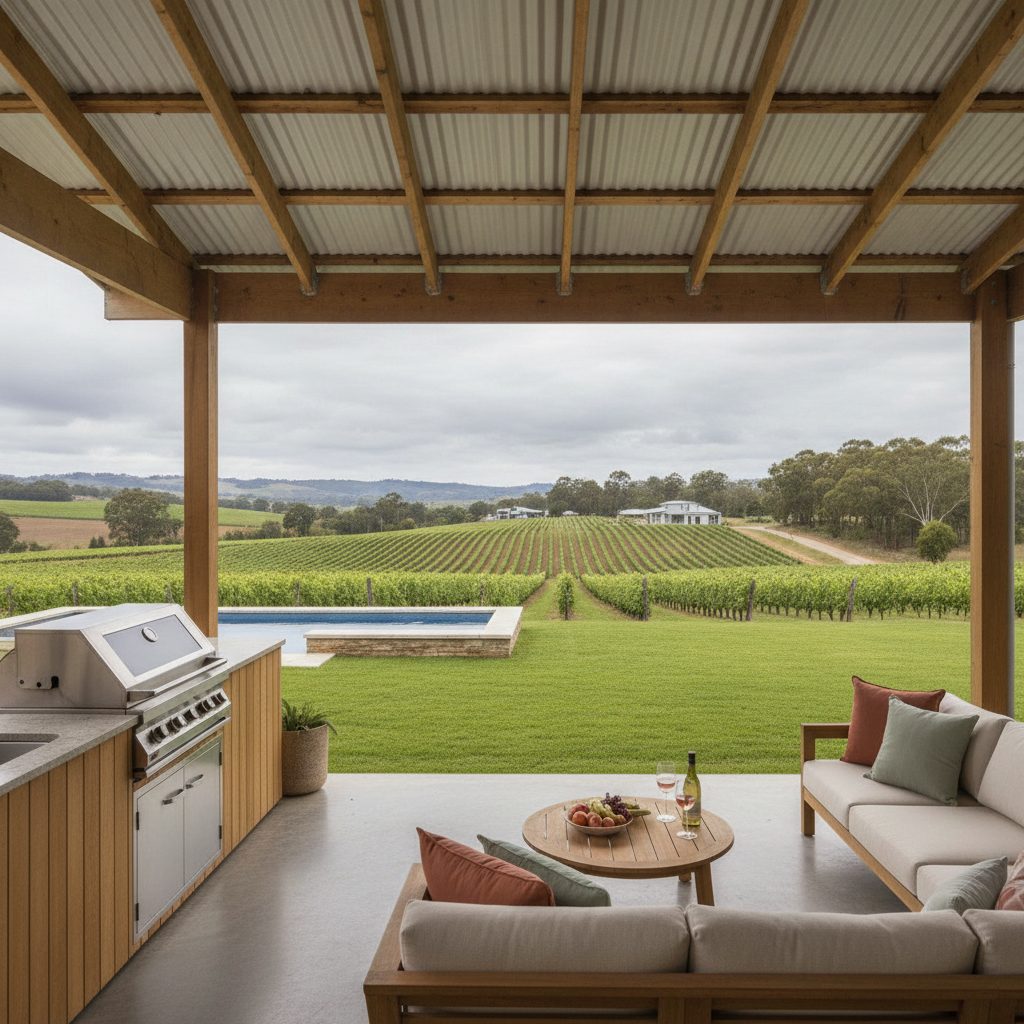
Building your own kit home is a massive undertaking. It's rewarding, but the bureaucracy is part of the deal. Those council inspections aren't just boxes to tick; they're the proof that you've built something that will stand the test of time and the harsh Australian weather. Treat the inspector like a consultant rather than a cop, and you'll find the process much smoother. Stay on top of the paperwork, check your screw patterns twice, and keep those engineering plans handy. You'll be sitting on that veranda with a cold drink before you know it.