The Great Australian Downsize: A Shift in Perspective
For decades, the Australian dream was synonymous with the sprawling quarter-acre block and a massive four-bedroom, two-bathroom brick veneer home. However, as we move further into the 2020s, the dream is evolving. We are seeing a significant trend toward smaller, smarter, and more intentional living spaces. The rise of the kit home in Australia is at the center of this movement, offering a path to home ownership that prioritizes quality of life and design efficiency over mere square footage.
This shift isn't just about saving space, it is about a lifestyle change. Australians are increasingly looking to minimize their footprint, reduce maintenance, and focus on the things that truly matter. Whether it is a secondary dwelling for family, a rural retreat, or a primary residence on a compact urban lot, the modern kit home is providing a versatile canvas for this new way of living.
Why Smaller and Smarter is Winning
The move toward smaller footprints is driven by a desire for better design. When you have less space to work with, every square centimeter must earn its keep. This leads to clever storage solutions, multi-purpose rooms, and high ceilings that create a sense of volume even in a compact footprint. In the world of kit homes, this means selecting floor plans that maximize natural light and airflow, creating homes that feel much larger than their physical dimensions suggest.
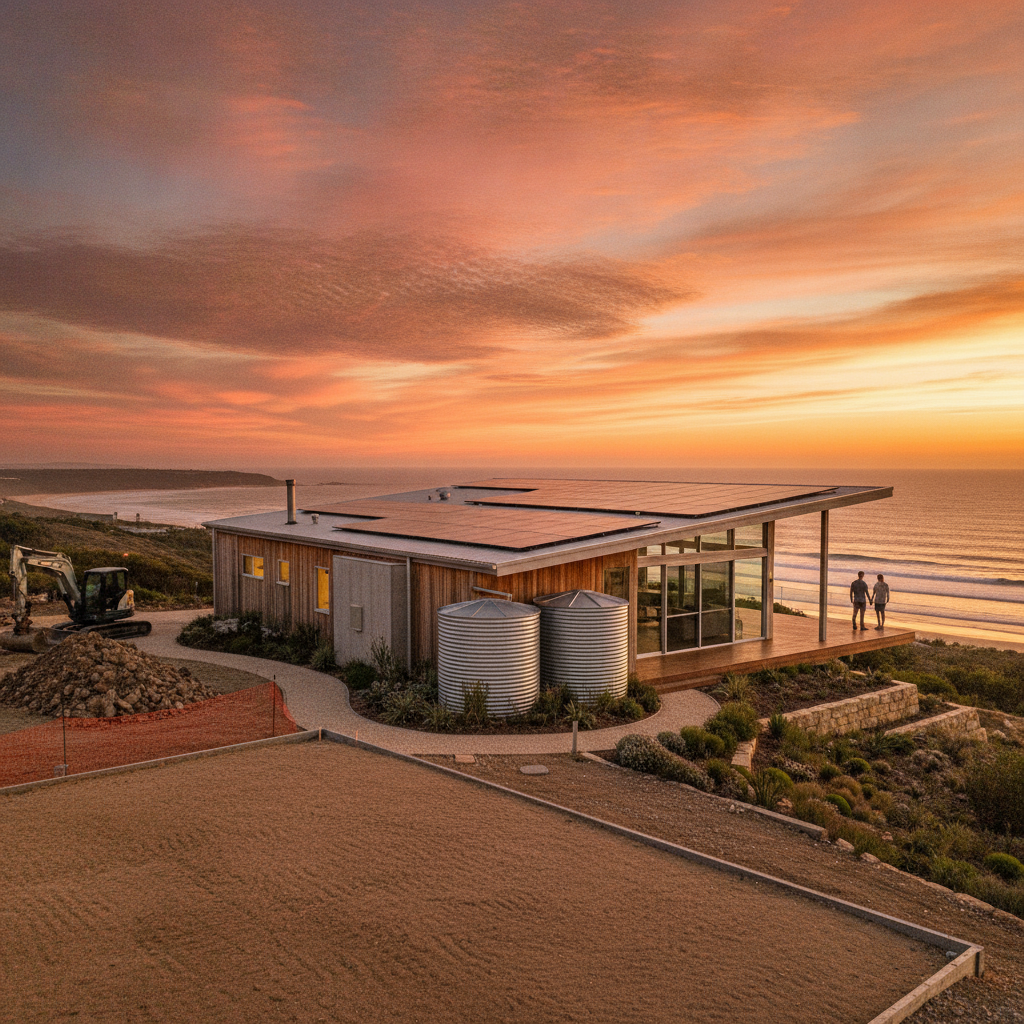
Furthermore, smaller homes are inherently more sustainable. They require fewer materials to build and less energy to heat and cool. For the environmentally conscious Australian, a kit home featuring a high quality steel frame and superior insulation provides a thermally efficient shell that stands up to our harsh climate while keeping ecological impact to a minimum.
The Role of the Owner Builder in Modern Housing
One of the most exciting aspects of the kit home movement is the empowerment of the owner builder. Instead of being a passive observer in a long, drawn-out construction process with a volume builder, Australians are taking the reins. Being an owner builder allows for a level of customization and oversight that is rarely possible in the traditional market.
When you choose a kit home, you are essentially purchasing the structural 'engine room' of the house. With the frames, cladding, roofing, and windows supplied as a coordinated package, the owner builder can focus their energy on managing the site works and the final finishes. This hands-on approach ensures that the final product is exactly what the resident envisioned, built to their own exacting standards.
Kit Home Tips for the Savvy Planner
If you are considering joining the ranks of kit home owners, preparation is your best friend. Here are some practical tips to ensure your project runs smoothly:
- Site Orientation is Everything: Before you even choose a kit, study your land. Position your home to take advantage of the northern sun in winter while shading the interior during the hot Australian summer. This simple step will drastically improve your comfort levels.
- Understand Your Boundaries: Check with your local council regarding setbacks, easements, and BAL (Bushfire Attack Level) ratings. Many kit homes are designed to meet high BAL standards, but knowing your specific requirements early is crucial.
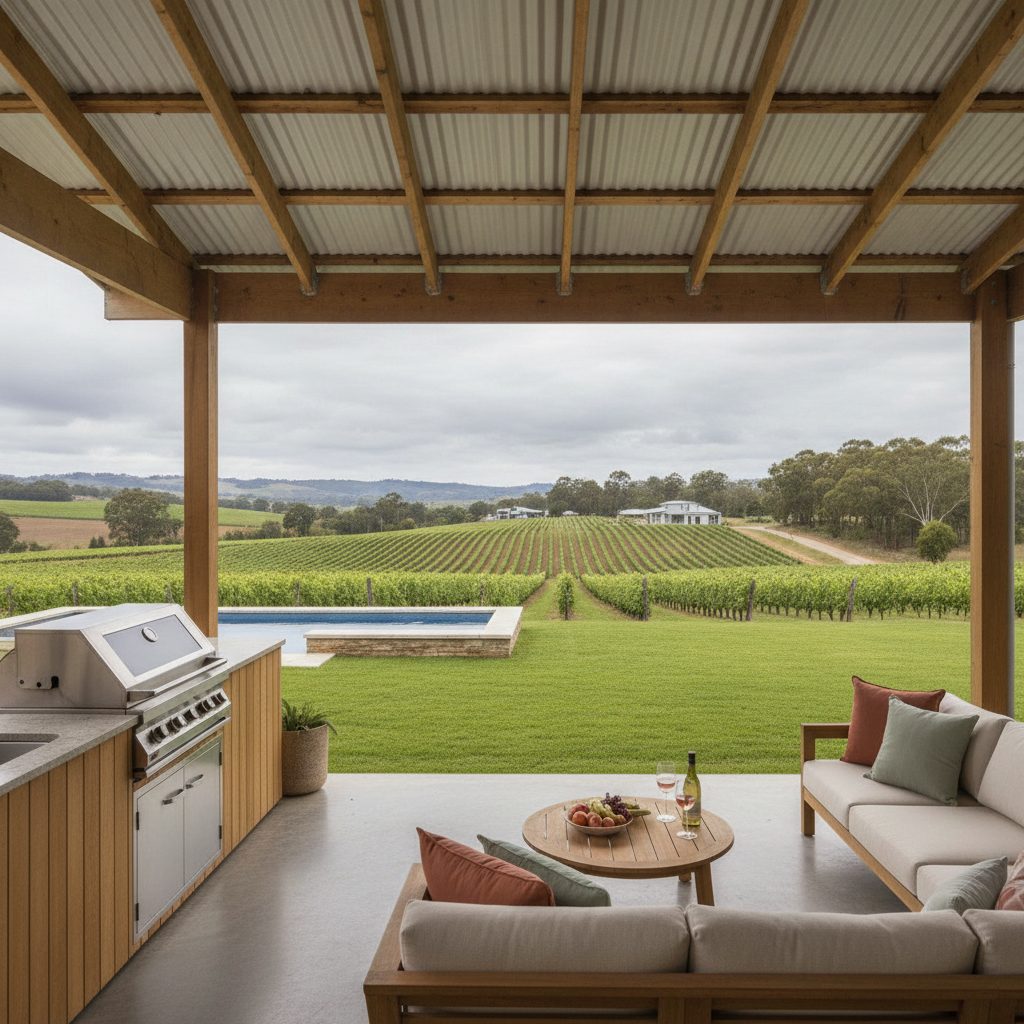
- Think About Flow: Look for floor plans that minimize hallways. Hallways are often wasted space. Open plan living areas that lead directly to outdoor decks or patios help create that seamless indoor, outdoor lifestyle we love in Australia.
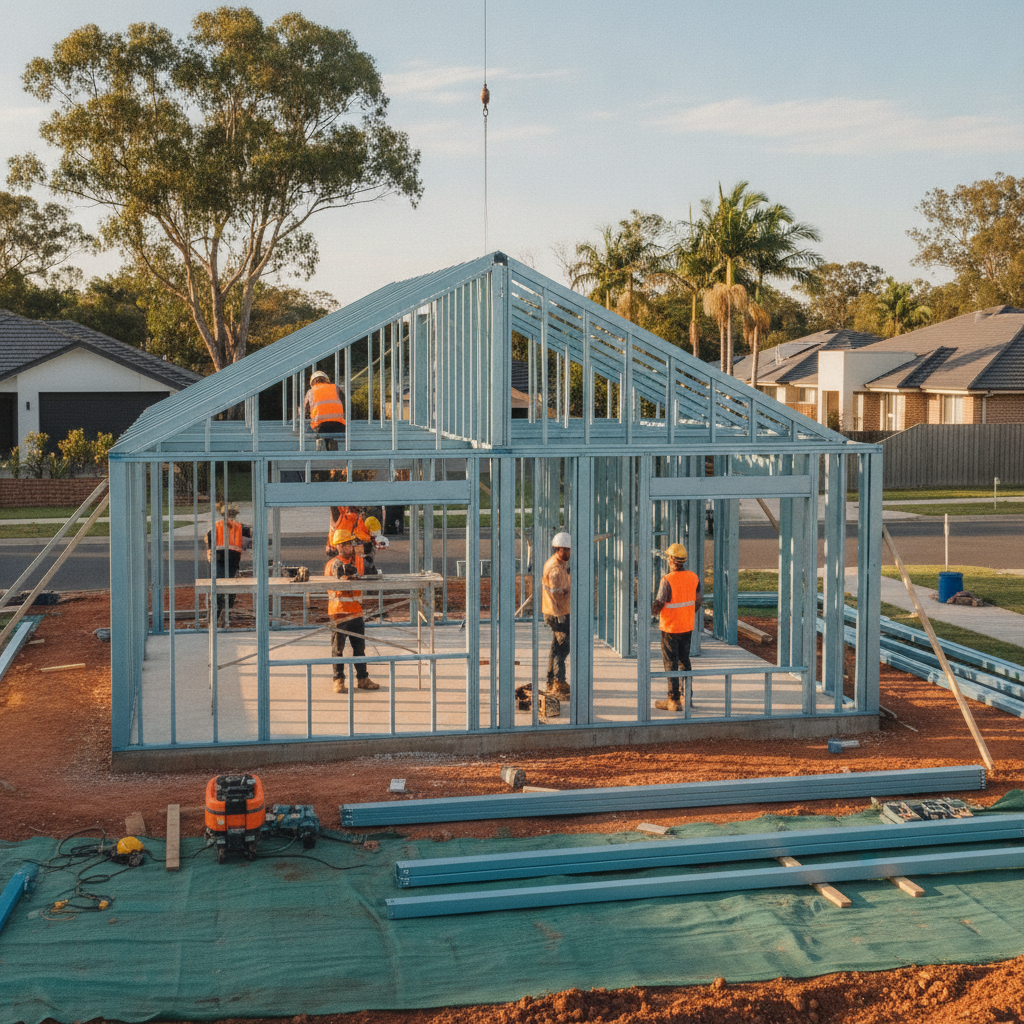
- Invest in the Shell: While it is tempting to focus on fancy kitchen taps, the long term value of your home lies in its structure. Opting for a kit with a BlueScope TRUECORE steel frame ensures your home is termite proof, fire resistant, and dimensionally stable for decades to come.
The Strength of Steel in Australian Design
In many parts of Australia, traditional timber framing faces significant challenges from pests and varying moisture levels. This is why steel frames have become a cornerstone of the modern kit home industry. A steel frame remains straight and true, meaning you won't deal with the sticking doors or cracked cornices that can occur when timber warps over time.
From a design perspective, the strength-to-weight ratio of steel allows for larger spans and more open internal spaces without the need for bulky load-bearing walls. This is perfect for those 'smart' designs that rely on open vistas and high-pitched ceilings to create a sense of luxury in a smaller footprint.
Owner Builder Tips: Managing the Project
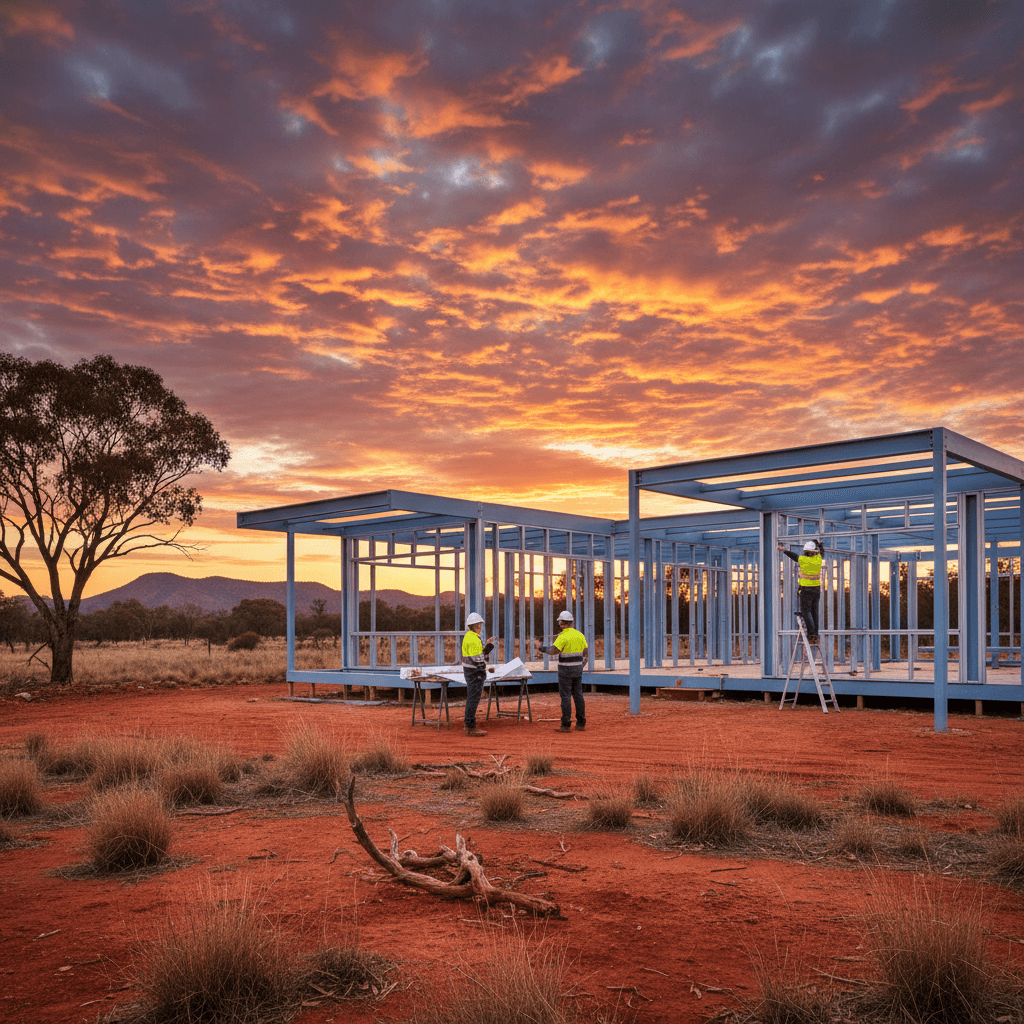
Taking on the role of an owner builder is rewarding, but it requires organizational discipline. You aren't just building a house, you are managing a small business for several months. Here is how to stay on top of it:
1. Assemble Your Team Early: Even if you are doing a lot of the work yourself, you will need licensed trades like plumbers and electricians. Start talking to local tradies while you are still in the planning phase. The best ones are often booked out months in advance.
2. Stage Your Deliveries: A kit home includes a lot of components, from the structural frames to the insulation and cladding. Ensure you have a clear, dry space on site to store materials and check deliveries against your packing list immediately to ensure nothing is missing.
3. Don't Skimp on the Slab: The foundation is the most critical part of the build. Ensure your site is properly leveled and your concrete slab is poured to the exact specifications of your kit provider. A precise slab makes the frame assembly a much faster and more enjoyable process.
4. Document Everything: Keep a digital and physical folder of all your permits, receipts, warranties, and certificates of compliance. This will be invaluable when it comes time for the final inspection and for future resale value.
Design and Lifestyle: Creating Your Sanctuary
Ultimately, the move toward kit homes in Australia is a lifestyle choice. It is about creating a sanctuary that reflects your personality. When you have the freedom to choose your own finishes, you can move away from the 'cookie cutter' look of suburban developments.
Consider using a mix of textures on the exterior. Pairing modern steel cladding with natural stone or timber accents can help the home blend into a rural landscape. Internally, focus on the 'lived-in' details. Smart lighting, high quality insulation for acoustic privacy, and well-placed windows that frame a specific view can turn a simple kit design into a masterpiece of modern architecture.
Conclusion: The Future is Yours to Build
The Australian housing market is changing, and for many, the traditional path is no longer the most appealing. By embracing the trend toward smaller, smarter designs and taking the lead as an owner builder, you can create a home that is sustainable, durable, and perfectly suited to your life. The kit home model offers the perfect balance of structural reliability and creative freedom, allowing you to build not just a house, but a home that truly reflects who you are. As we look toward a future where efficiency and quality are paramount, the kit home stands out as a brilliant solution for the modern Australian lifestyle.