The Evolution of the Great Australian Dream
For decades, the Australian housing ideal was defined by the sprawling quarter acre block and a massive four bedroom brick veneer house. However, as we move through the 2020s, a significant shift is occurring. Australians are increasingly questioning whether bigger actually means better. A new trend is emerging that prioritizes clever design, sustainability, and the freedom of owner building over sheer square meterage.
This movement towards smaller, smarter homes is not just about downsizing, it is about 'right-sizing'. Whether it is retirees looking to simplify their lives, young families wanting to reduce their environmental footprint, or rural landowners adding secondary dwellings, the kit home is at the forefront of this architectural revolution. By utilizing modern building materials like steel frames and focusing on functional layouts, Australians are discovering that a well designed small home can feel more spacious and liveable than a poorly designed mansion.
The Rise of Smart Design in Australian Kit Homes
What exactly makes a home 'smart' in the context of design? It is not just about gadgets and automation. In the world of kit homes, smart design refers to spatial efficiency, natural light optimization, and the use of durable materials that stand up to the Australian climate. When you are working with a smaller footprint, every millimetre must earn its keep.
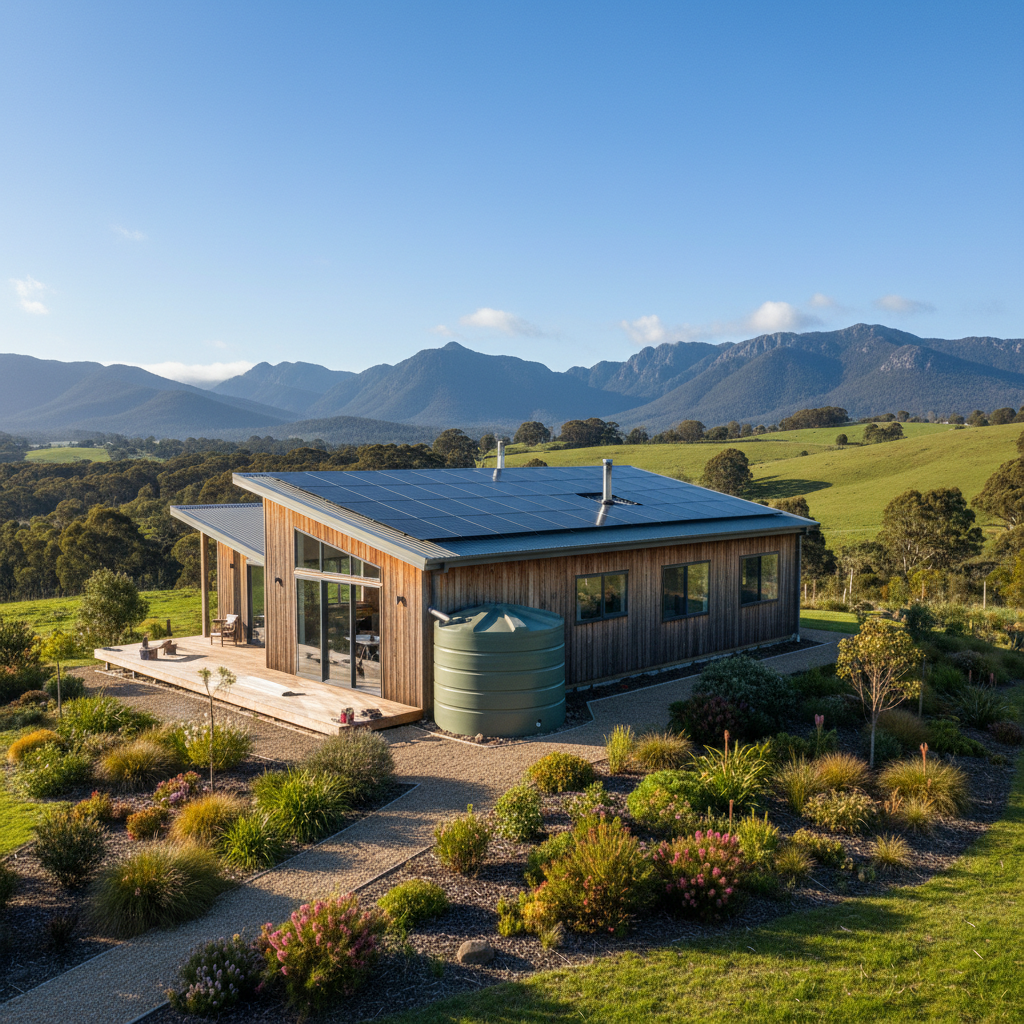
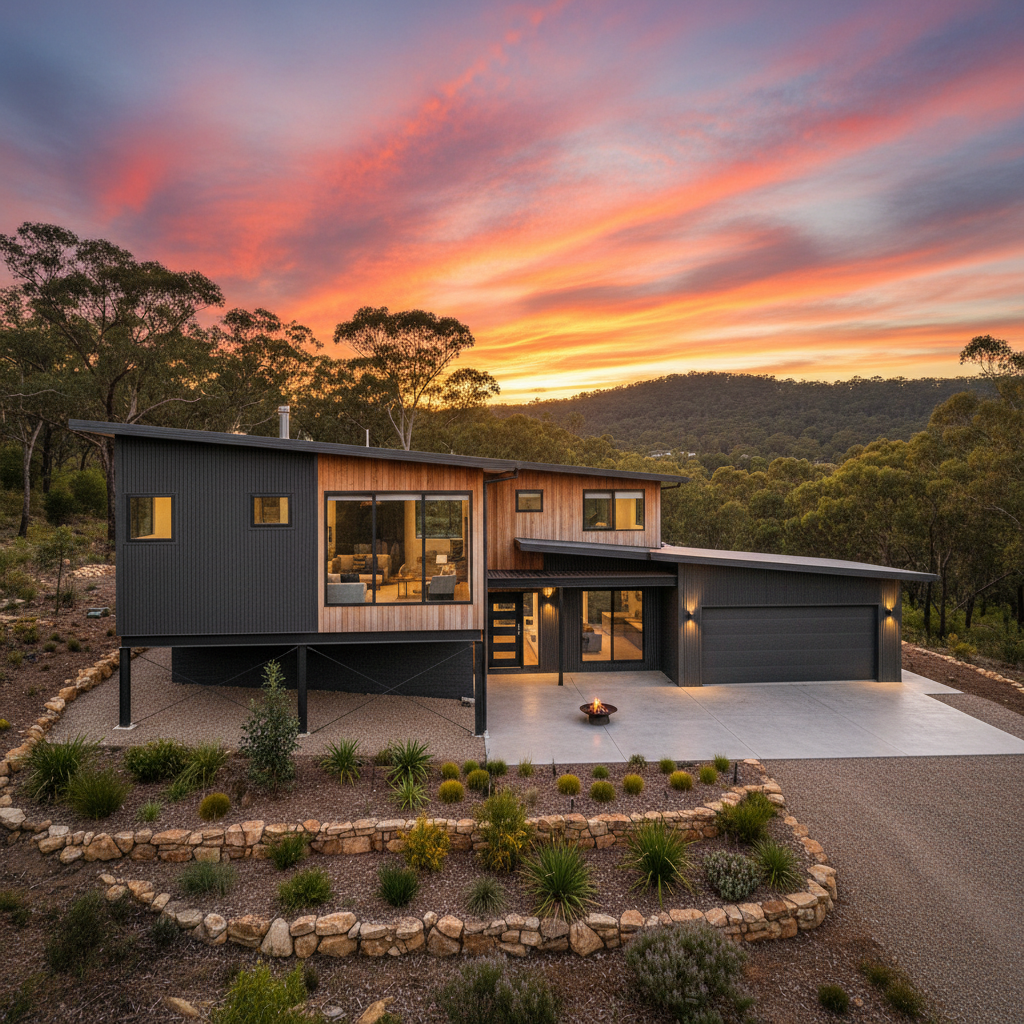
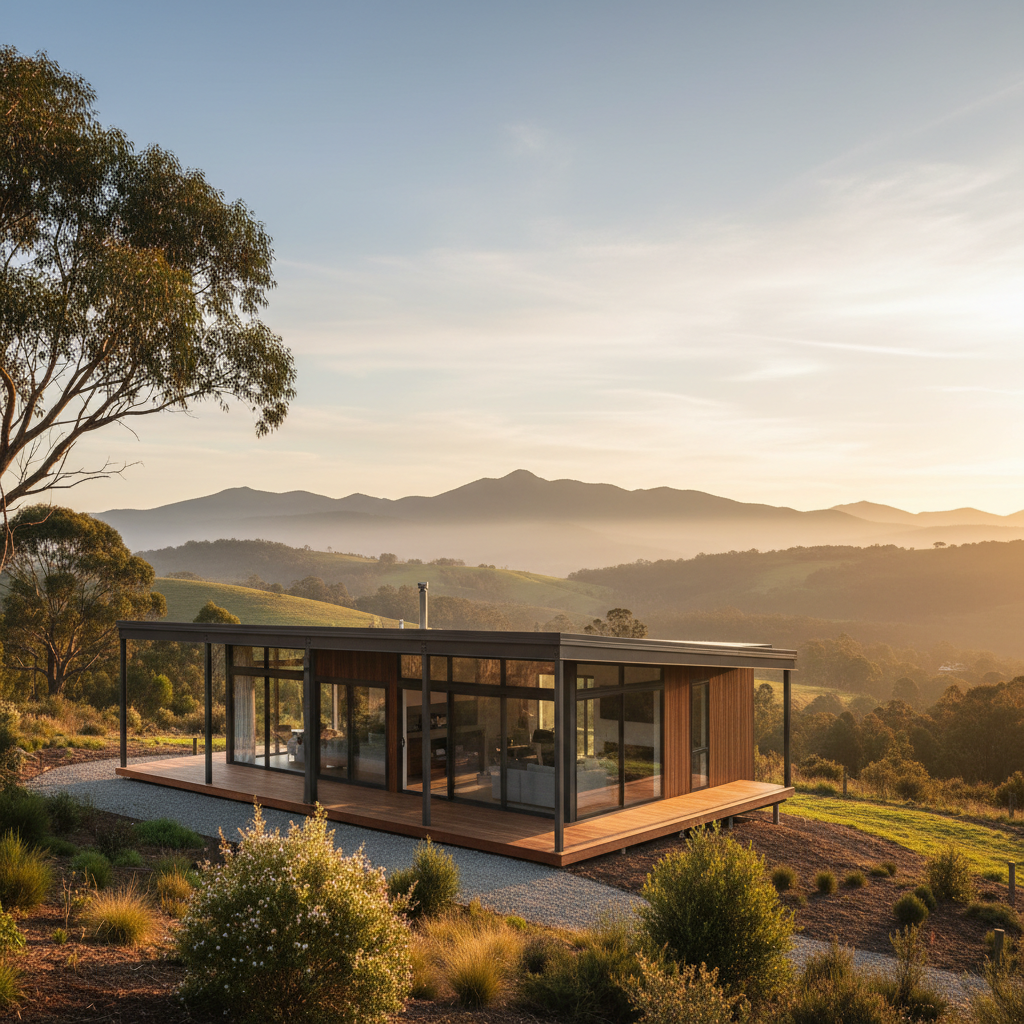
Modern kit home designs often incorporate open plan living areas that flow seamlessly into outdoor decks, blurring the lines between inside and out. High ceilings and strategically placed windows can make a 60 square metre cabin feel like a airy sanctuary. This focus on design quality over quantity is a hallmark of the current Australian housing trend, allowing homeowners to invest in premium finishes rather than unneeded floor space.
The Steel Frame Advantage: Built for the Australian Landscape
In this shift towards more resilient and smarter housing, the choice of structural material plays a vital role. Steel frame construction has become a cornerstone of the Australian kit home industry for several compelling reasons. When you are building a home intended to last for generations, the skeleton of the house needs to be up to the task.
Using BlueScope steel, particularly brands like TRUECORE, provides a level of precision that is essential for the owner builder. Unlike traditional timber, steel is dimensionally stable. It does not warp, twist, or shrink over time. For the person assembling their own home, this means the walls are straight, the corners are square, and the windows and doors fit perfectly every time. Furthermore, in a country prone to termites and bushfires, the non-combustible and pest-resistant nature of steel offers a level of peace of mind that is hard to beat.
Kit Home Tips for the Modern Owner Builder
If you are considering joining the trend of smart, small scale living, here are some practical tips to ensure your kit home project is a success:
- Prioritize Orientation: No matter how small the home, always orient your main living areas to the north. This maximizes natural sunlight in winter and helps keep the home cool in summer, reducing your reliance on artificial heating and cooling.
- Think Vertically: In smaller designs, storage is king. Look for kit designs that allow for clever shelving, mezzanine levels, or built-in cabinetry that utilizes the full height of the walls.
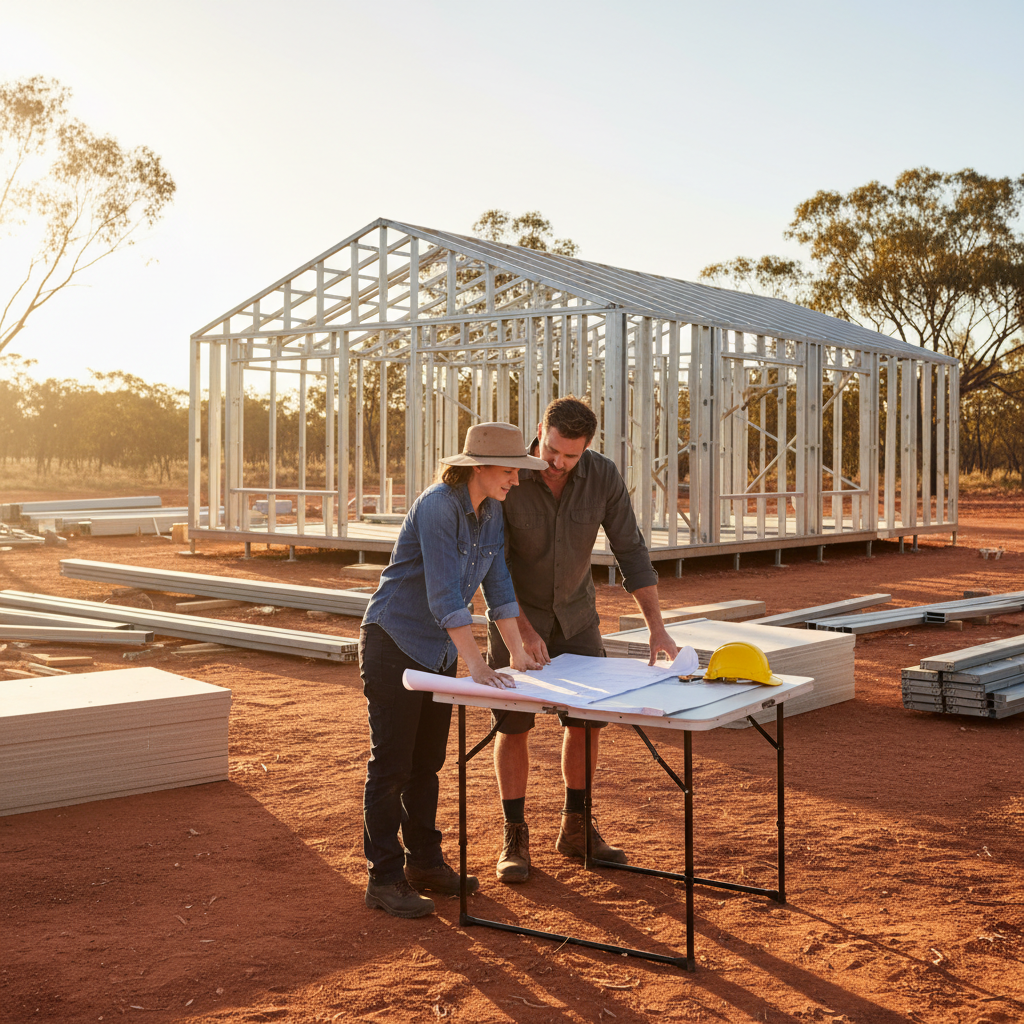
- Understand the Scope: A kit home typically includes the 'lock up' components like the steel frames, trusses, roofing, cladding, and windows. As an owner builder, you will be responsible for the site preparation, the slab, and coordinating trades like plumbers and electricians for the fit-out.
- Focus on Fluidity: Choose a floor plan that avoids narrow hallways. Hallways are often wasted space. Instead, look for designs where rooms flow directly into one another to create a sense of openness.
The Owner Builder Journey: Taking Control of the Process
One of the most rewarding aspects of the kit home trend is the empowerment of the owner builder. Australians are notoriously handy, and the desire to be physically involved in the creation of a home is a powerful motivator. Managing your own project allows for a level of customization and quality control that is often missing in project home developments.
Being an owner builder means you are the project manager. You get to select the local tradespeople you trust, choose the internal fixtures that match your personal style, and oversee the timeline of the build. While it requires dedication and organization, the sense of accomplishment when you step into a home you helped build is unparalleled. Modern kits are designed to be user-friendly, with pre-punched holes in steel frames for electrical and plumbing services, making the onsite assembly process much smoother for those starting out.
Sustainability and Lifestyle: More Than Just a House
The shift towards smaller kit homes is also driven by a desire for a lower maintenance lifestyle. A smaller home takes less time to clean, less energy to heat, and leaves more room on the block for gardens, veggie patches, or even a workshop. This reflects a broader Australian lifestyle trend where we value experiences and time spent outdoors over the maintenance of a large, high-consumption dwelling.
From a sustainability perspective, steel is a highly recyclable material, and the precision of kit home manufacturing means there is significantly less waste on-site compared to traditional building methods. By choosing a kit that includes high quality insulation and double glazed windows, you are creating a home that is as efficient as it is beautiful.
Building Techniques: Why Steel and Kits Work Together
Understanding the technical side of your build can demystify the process. When you receive a steel frame kit, you are essentially receiving a giant, high precision jigsaw puzzle. The components are engineered to fit together with millimetre accuracy. This technical excellence is what allows smart designs to be executed so effectively. Because steel has a high strength to weight ratio, it allows for larger spans and open interiors without the need for bulky load-bearing walls that can clutter a small floor plan.
For the DIY enthusiast, working with steel is surprisingly accessible. The frames are lightweight and easy to handle, often coming with detailed assembly maps. This ease of installation is a major reason why the kit home model has become so popular across regional and urban Australia alike.
Practical Advice for Planning Your Smart Home
Before you dive in, take the time to visit your site at different times of the day. Observe the wind patterns and where the shadows fall. When you are building a smaller home, the relationship between the building and the land is magnified. Make sure your kit provider offers a range of cladding options so you can choose materials that complement your specific environment, whether it is the coastal salt air or the dry heat of the outback.
Consider the 'internal flow' of your future home. Imagine your daily routine, from waking up and making coffee to winding down at night. A smart design should facilitate these tasks effortlessly. If you work from home, ensure there is a dedicated nook for a desk that doesn't interfere with your relaxation space.
Conclusion: Embracing the Future of Australian Housing
The Australian housing landscape is changing, and the move towards smaller, smarter kit homes is a testament to our adaptability and ingenuity. By combining the durability of steel frame construction with thoughtful, efficient design, owner builders are creating homes that are perfectly suited to the modern Australian lifestyle. Whether it is a primary residence or a backyard retreat, the smart kit home offers a path to home ownership that is personal, sustainable, and deeply rewarding. As we look to the future, it is clear that the dream of a beautiful, custom built home is becoming more accessible than ever before, one steel bolt at a time.