The New Face of the Australian Backyard
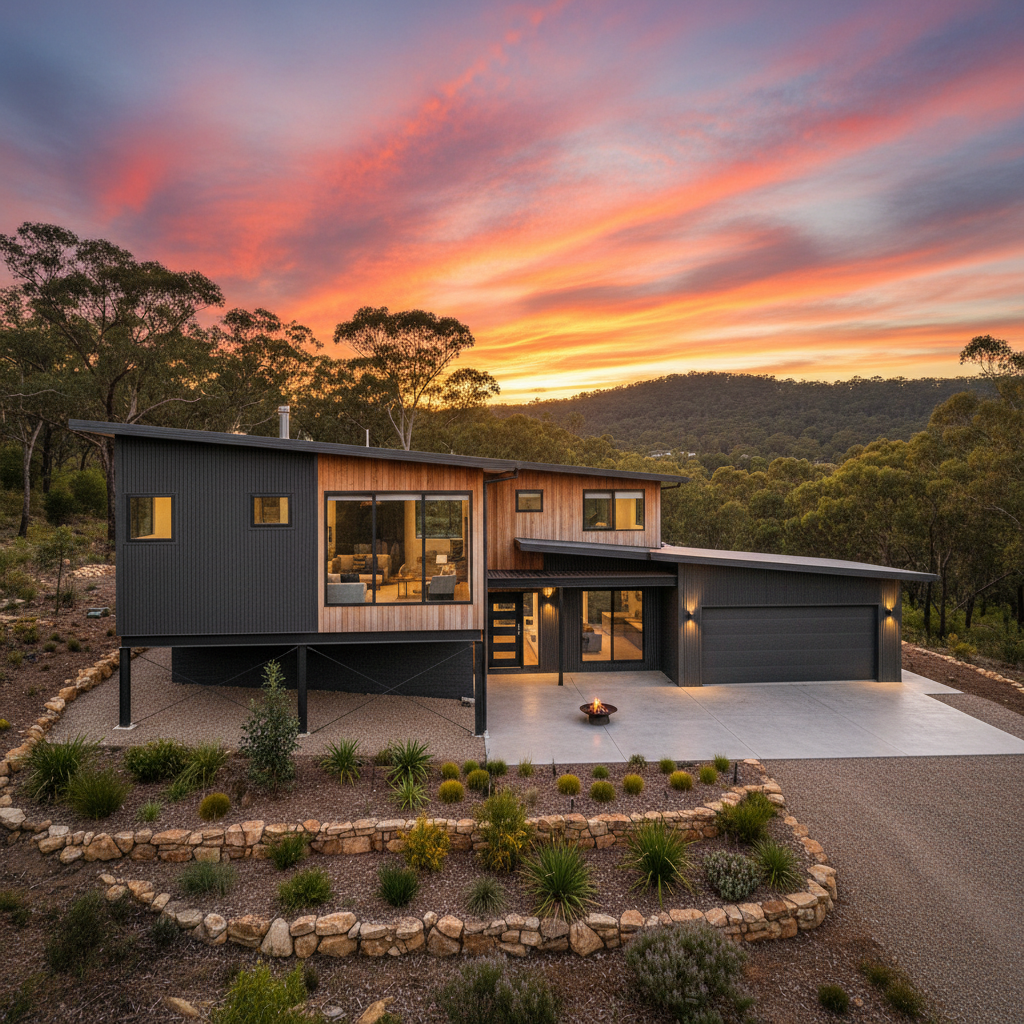
There was a time when the term granny flat conjured images of a cramped, dark unit tucked away behind a main residence, usually reserved for aging relatives or storage. Times have changed. Today, the secondary dwelling has undergone a radical design transformation. It is no longer just a functional addon, it is a lifestyle statement. From chic home offices and creative studios to luxurious guest houses or independent living spaces for adult children, the modern secondary dwelling is about maximizing the potential of our land while enhancing our way of life.
Across Australia, from the leafy suburbs of Brisbane to the coastal pockets of New South Wales and the urban blocks of Melbourne, homeowners are looking at their backyards with fresh eyes. The rise of versatile kit homes has made it possible for Australians to create high-quality, architecturally inspired structures that blend seamlessly with their existing landscape. This movement is not just about adding more floor space, it is about creating a flexible environment that can evolve as family needs change.
Designing for Beauty and Function
When it comes to small-scale living, design is everything. In a larger home, you might have the luxury of wasted space, but in a secondary dwelling, every square meter must earn its keep. The most successful modern designs focus on light, air, and flow.
Prioritizing Natural Light
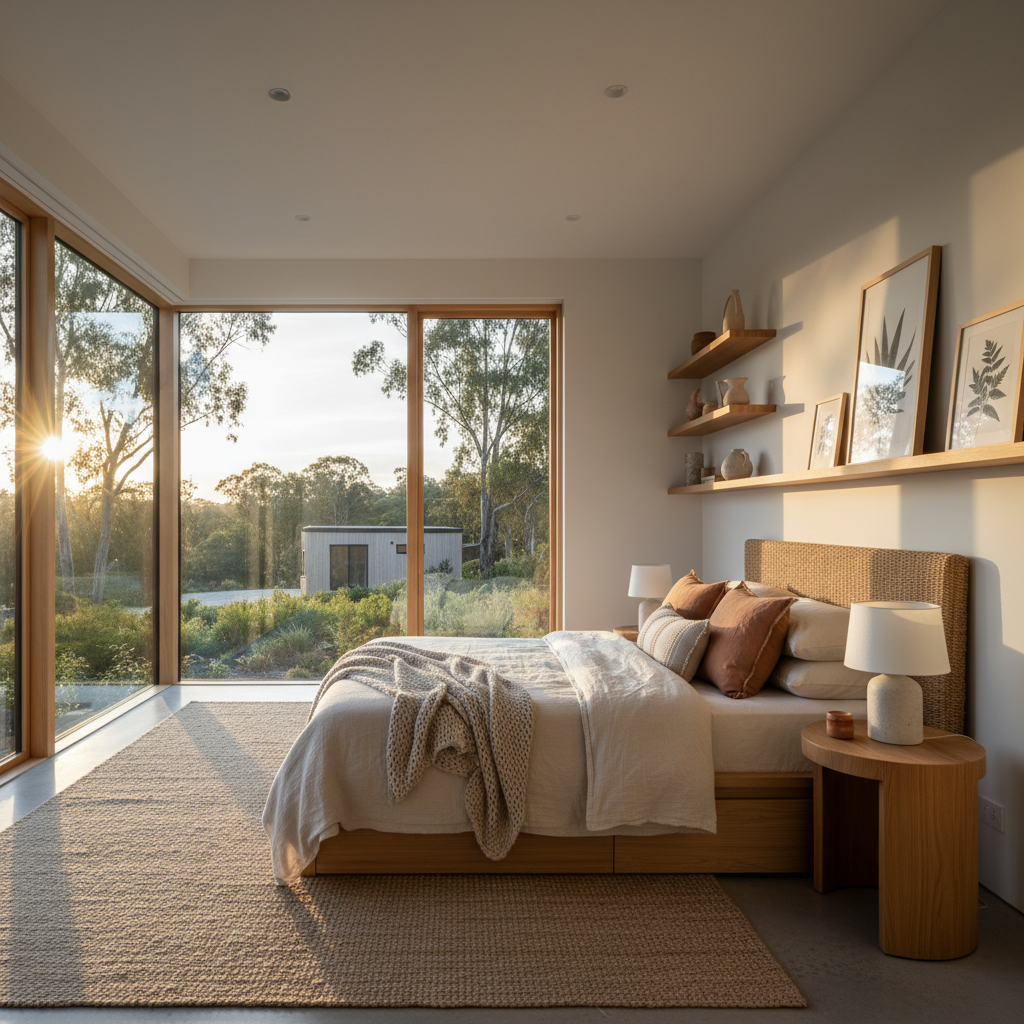
One of the quickest ways to make a small footprint feel expansive is through the clever use of glazing. Large windows and glass sliding doors do more than just let in the sun, they create a visual connection to the outdoors. By extending the living area onto a deck or transition space, the boundary between inside and out disappears. High ceilings and highlight windows can also lift the volume of a room, preventing that closed-in feeling often associated with smaller buildings.
Multi-Functional Layouts
In the world of contemporary design, we are seeing a shift toward open-plan living even in smaller builds. A combined kitchen, dining, and lounge area creates a social heart for the dwelling. Using consistent flooring throughout the space helps to unify the different zones, making the interior feel cohesive rather than fragmented.
The Freedom of the Owner-Builder Journey
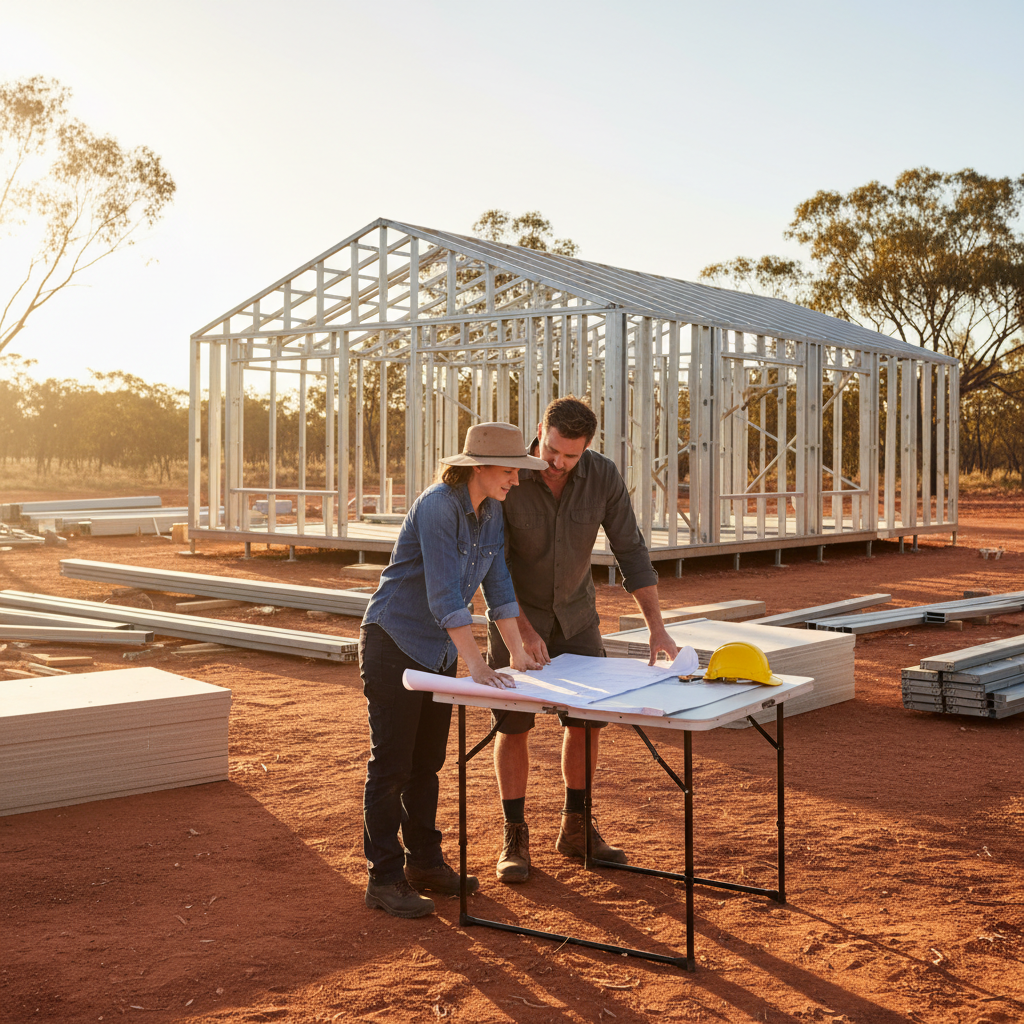
For many Australians, the path to a backyard retreat is through the owner-builder route. This approach offers a level of creative control that standard turnkey solutions often lack. By choosing a kit home, you are provided with a high-quality structural package, including the skeleton and the shell, which serves as your blank canvas. Many homeowners find great satisfaction in managing the project themselves, from choosing the internal finishes to selecting the perfect color for the cladding.
A key advantage of this model is the ability to source premium materials that stand the test of time. For example, many Australians opt for kits that utilize BlueScope TRUECORE steel for their frames. Steel frames are remarkably straight and true, which makes the finishing stages, such as installing cabinetry and skirting boards, much easier for the DIY enthusiast. They are also resilient against common Australian pests like termites, providing peace of mind for the long haul.
Practical Tips for Planning Your Secondary Dwelling
If you are considering adding a kit home to your property, a little bit of foresight goes a long way. Here are some practical steps to ensure your project is a success:
- Check Your Local Council Rules: Every local government area in Australia has different regulations regarding secondary dwellings. Some councils are very progressive, allowing for larger footprints, while others have strict height limits or setback requirements. Always start at your local planning office.
- Consider Site Access: Kit homes are delivered in parts, which is great for backyard projects where access might be tight. However, you still need to plan where materials will be stored and how trades will reach the build site.
- Think About Privacy: When placing a second building on your lot, consider the sightlines between the main house and the new dwelling. Strategic window placement, frosted glass, or decorative screening can maintain privacy for residents in both buildings.
- Orientation Matters: Position your new home to take advantage of the sun. North-facing living areas will be warmer in winter and brighter year-round, which is essential for sustainable, comfortable living.
Lifestyle Trends Driving the Secondary Dwelling Boom
The Australian lifestyle is shifting toward more flexible work and living arrangements. This has sparked several interesting trends in the types of secondary dwellings being built:
The Professional Hub
With more people working from home than ever before, the garden office has become a high-demand feature. Distancing the workspace from the main house provides a mental boundary that improves work-life balance. These spaces often double as teenage retreats in the evenings, providing a quiet zone for study or relaxation.
The Multi-Generational Sanctuary
We are seeing a return to multi-generational living, but with a modern twist. Instead of living under one roof, families are using secondary dwellings to provide independence for older parents or young adults saving for their first home. It allows for closeness and support while respecting everyone's need for their own private sanctuary.
The Creative Studio
From painting and pottery to woodworking and yoga, Australians are carving out spaces for their passions. A kit home provides a clean, dedicated environment where enthusiasts can immerse themselves in their hobbies without cluttering the main home.
The Advantage of Precision Engineering
One of the reasons kit homes have become so popular for secondary dwellings is the precision of modern manufacturing. When you are building a small structure, there is no room for error. Utilizing a steel frame system ensures that every wall is perfectly plumb and every corner is square. Unlike traditional timber, steel does not warp, twist, or shrink over time. This architectural stability is particularly important for modern designs that feature large windows or sleek, minimal finishes where even a minor movement in the frame would be visible.
Furthermore, steel frames are lightweight and easier to handle on-site, making them a favorite for owner-builders who are managing the assembly process. It provides a professional-grade structural integrity that empowers everyday Australians to achieve a high-end finish.
Managing Your Build Like a Pro
Transitioning from a homeowner to an owner-builder is a rewarding challenge. Success lies in your ability to coordinate. Once your kit arrives with its frames, roofing, and cladding, your job is to orchestrate the remaining pieces of the puzzle. This includes organizing the slab or sub-floor, booking licensed plumbers and electricians, and choosing your fit-out materials.
A great tip for owner-builders is to build strong relationships with local trades early on. Show them your plans and explain the kit home process. Most trades appreciate working on steel-framed kit homes because the components are consistent and the instructions are clear, which often results in a smoother, more efficient build for everyone involved.
Sustainable Living in Small Spaces
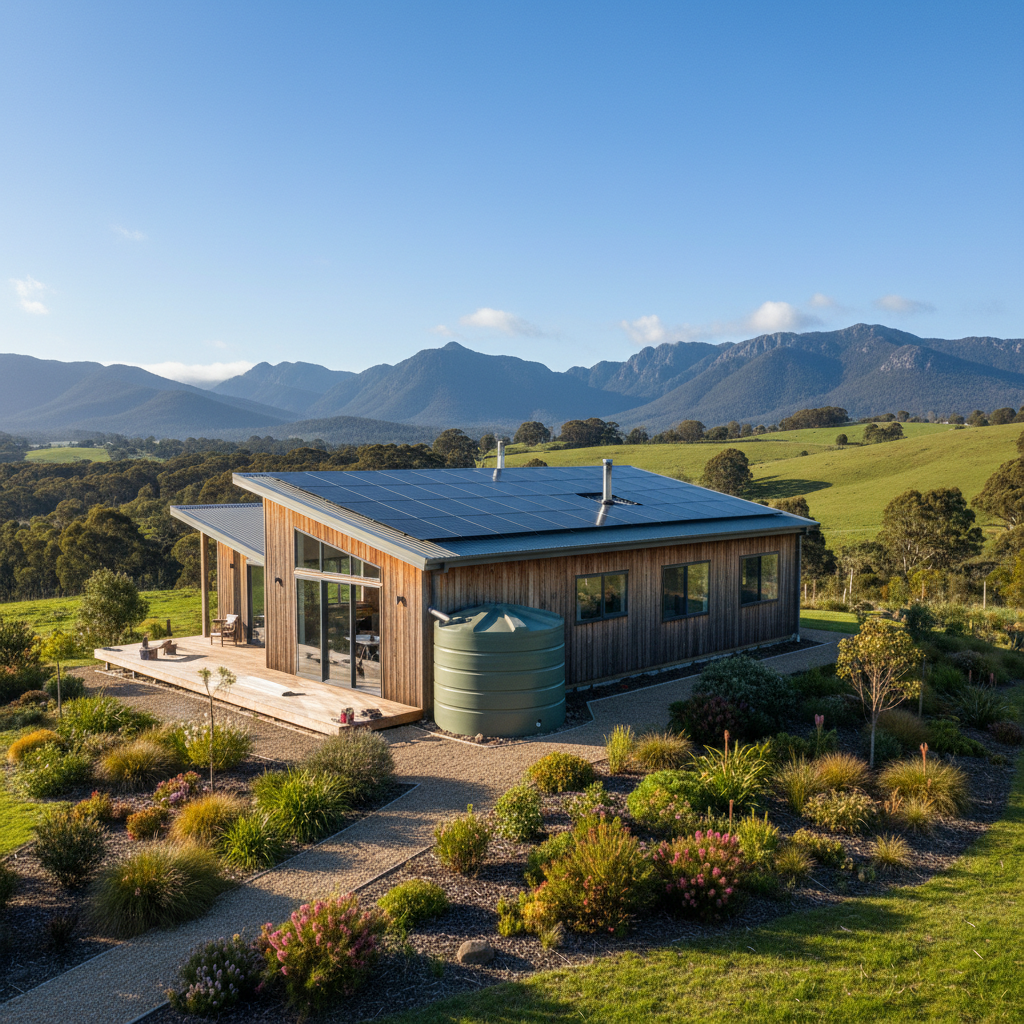
The smaller footprint of a secondary dwelling naturally leads to a more sustainable way of life. It requires fewer resources to build and less energy to heat and cool. When building your kit home, consider incorporating high-quality insulation and double-glazed windows to further enhance thermal performance. Many kit designs include eaves and verandahs, which are classic Australian design features that provide shade and protect the home from the harsh summer sun.
Conclusion: A Future of Infinite Possibilities
The rise of the granny flat and secondary dwelling represents a shift in how we view the Australian dream. It is no longer about the biggest house on the block, it is about the smartest use of space and the highest quality of life. By embracing the flexibility of kit homes, Australians are creating beautiful, functional, and resilient spaces that serve a multitude of purposes.
Whether you are looking to create a quiet workspace, a haven for family, or a creative escape, the journey of an owner-builder allows you to bring that vision to life with your own hands. With the right design, a focus on quality materials like Australian steel, and a passion for your project, your backyard could be the location of your next great adventure.