The Great Shift: Why Australians Are Rethinking the McMansion
For decades, the Australian housing dream was defined by the quarter-acre block and a sprawling footprint. However, a significant shift is occurring in the way we view our living spaces. We are seeing a move away from oversized, high-maintenance properties toward smarter, more intentional designs. This trend, driven by a desire for lifestyle flexibility and sustainability, has placed kit homes at the forefront of the modern Australian housing landscape.
Australian housing trends are currently defined by the word 'efficiency.' This doesn't just refer to energy ratings, but to how we use space, materials, and our own time. As more people explore the path of the owner-builder, they are discovering that smaller, better-designed homes offer a level of freedom that massive suburban estates simply cannot match.
The Rise of Smart Design in Kit Homes
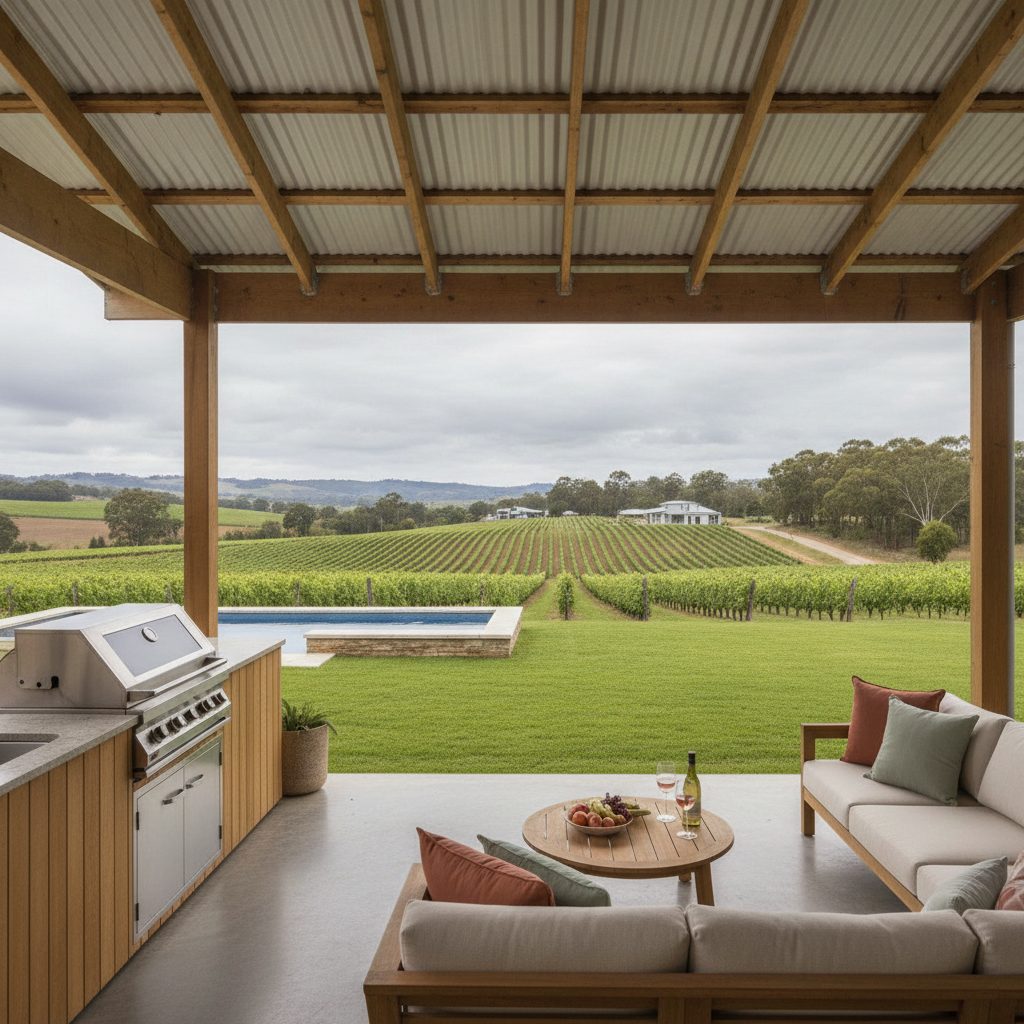
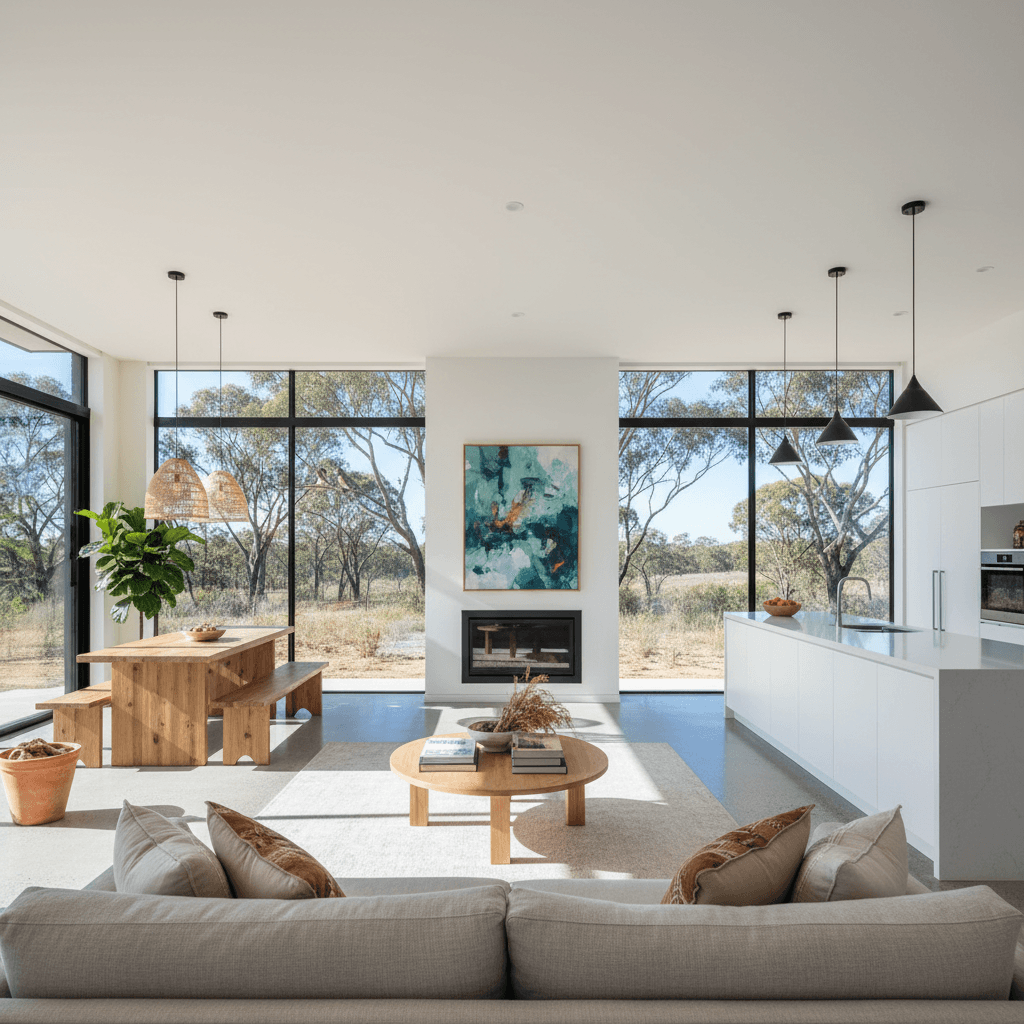
So, what exactly makes a home 'smart' in the current market? It is no longer just about voice-activated lights or internet-connected fridges. Today, smart design is about clever floor plans that maximize every square metre. In the world of kit homes, this means open-plan living areas that flow seamlessly into outdoor spaces, high ceilings that create a sense of scale, and multi-purpose rooms that can transition from a home office to a guest bedroom.
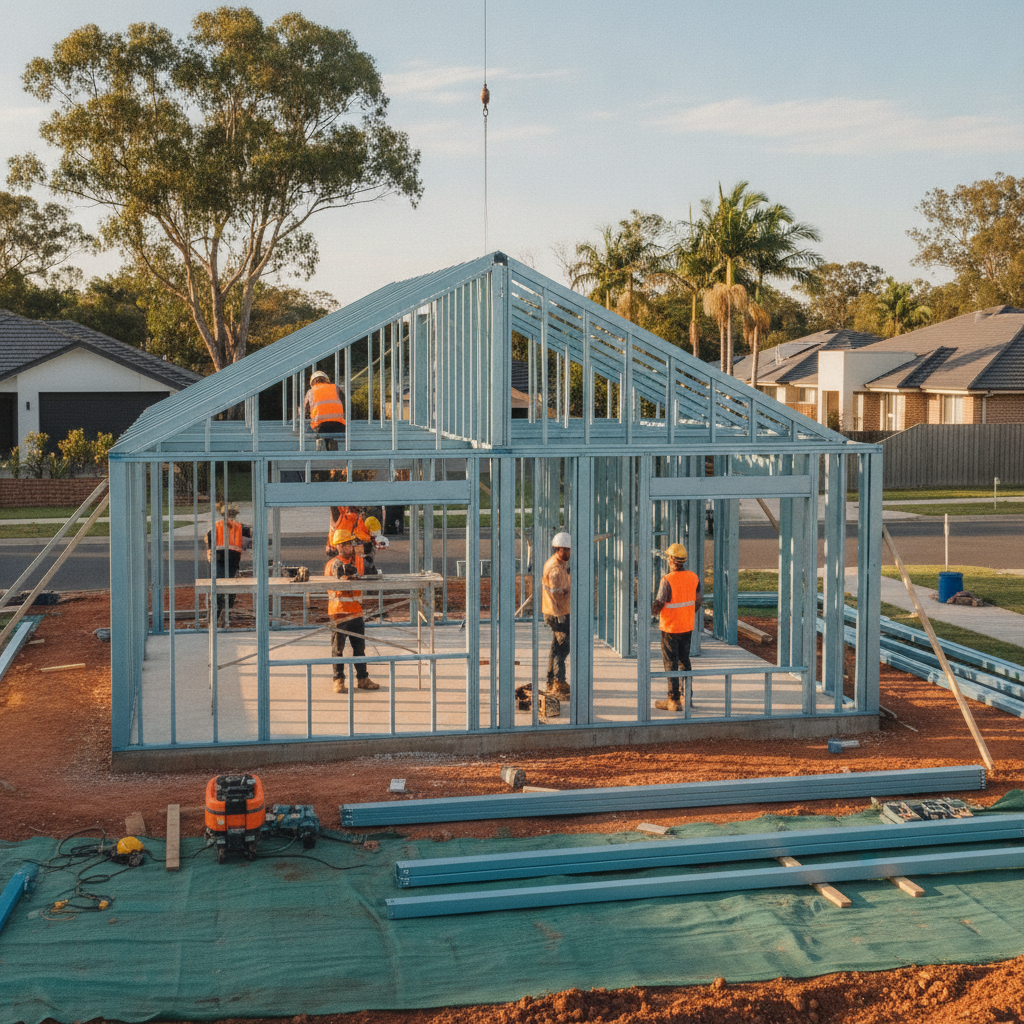
By opting for a kit home, Australians are finding they can achieve high-end architectural aesthetics without the complexity of traditional bespoke builds. These designs often utilize durable Australian materials, such as BlueScope steel frames, which provide a straight and true foundation for modern finishes. Because the frames are engineered with precision, the structural integrity allows for those wide spans and large windows that define the contemporary Australian look.
Why Smaller Is Becoming the New Standard
The trend toward smaller footprints is largely driven by a realization that we spend most of our time in just a few key areas of the home. Why heat, cool, and clean rooms that are rarely used? A smaller kit home allows for a higher quality of life by reducing domestic chores and utility demands.
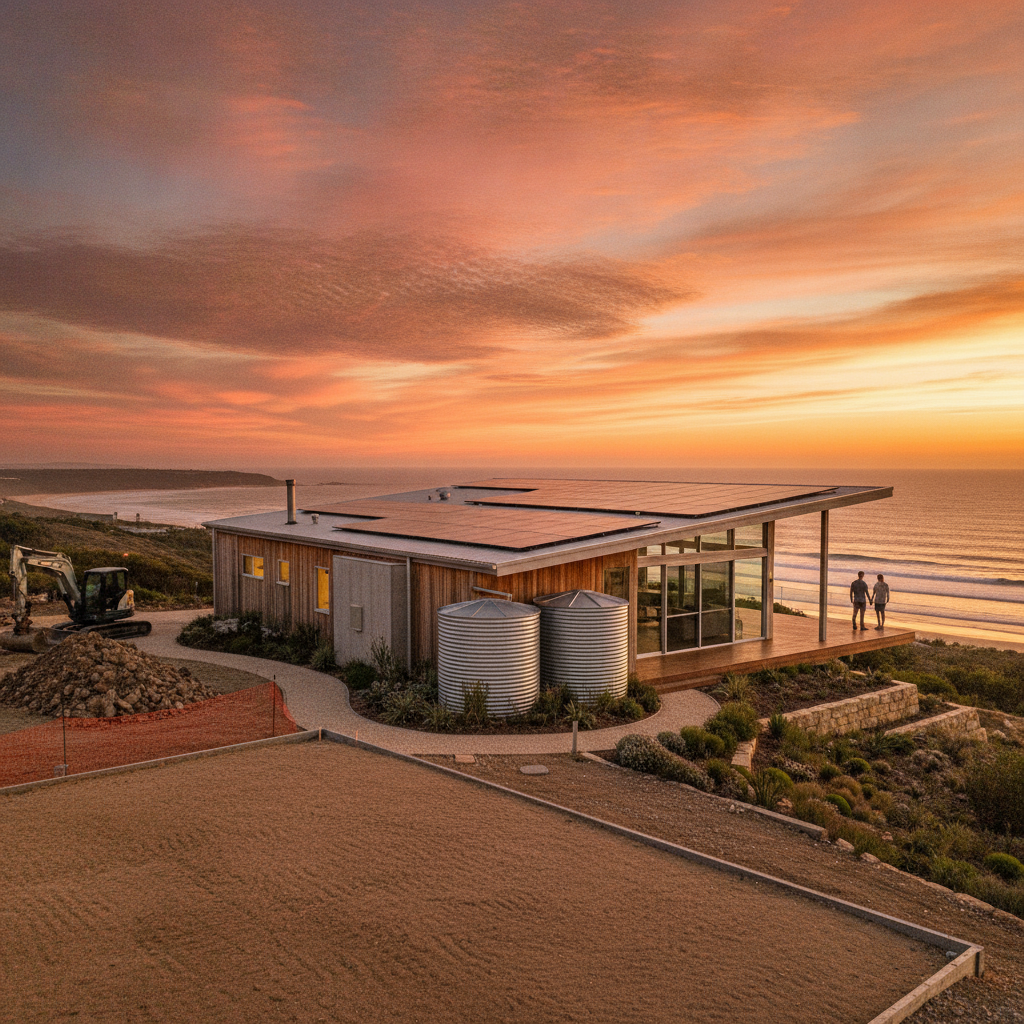
For many owner-builders, a compact design also means more room in the landscape for vegetable gardens, sheds, or outdoor entertaining areas. It is about prioritizing the land and the environment rather than just the structure itself. This shift is particularly popular in regional areas where the goal is to blend the home into its natural surroundings, using cladding and roof profiles that mirror the Australian bush or coastline.
The Owner-Builder Movement and Modern Construction
Choosing to be an owner-builder is a significant undertaking, but it is one that offers immense satisfaction and control. The current trend shows that people are moving away from 'cookie-cutter' developer homes and toward projects where they can have a direct hand in the process. Kit homes cater perfectly to this lifestyle because they provide the structural 'heavy lifting' while leaving the creative finishing touches to the owner.
When you take on a kit home project, you are essentially coordinating a well-orchestrated puzzle. The frames, roofing, and cladding arrive ready to be assembled on your prepared site. This allows the owner-builder to focus on managing trades for the slab, plumbing, and electrical, and then diving into the interior fit-out where their personal style can really shine.
Kit Home Tips for Success
If you are considering joining the movement toward smarter home design, keep these practical tips in mind:
- Focus on Orientation: Position your home to take advantage of the northern sun. This is the oldest trick in the book for a reason, it keeps your home warm in winter and cool in summer naturally.
- Prioritize Storage: In a smaller home, clever storage is non-negotiable. Think about built-in robes, overhead kitchen cabinets, and even cavity sliding doors to save floor space.
- Quality Over Quantity: Since you are building a smaller footprint, you might find you can afford higher-quality finishes, such as premium insulation or stone benchtops, which add long-term value and comfort.
- Understand Your Site: Before the kit arrives, ensure your site access is clear and your slab or footings are 100% level. Precision at the start makes the framing process much smoother.
The Technical Edge: Steel Frames and Durability
While the focus of many modern designs is on the 'look,' the 'bones' of the home are just as important. The Australian climate can be harsh, with termites, fire risks, and extreme weather being regular considerations. This is why steel-framed kit homes have become a staple of the local industry. Using high-quality steel (like TRUECORE) ensures that the house won't warp, twist, or sag over time.
For an owner-builder, steel frames offer the added benefit of being lightweight and easy to handle compared to traditional heavy timber. They also come pre-punched for electrical and plumbing services, which simplifies the work for your trades later on. This technical efficiency is a hallmark of the 'smart home' trend, where the building materials work for you, not against you.
Lifestyle and the New Australian Dream
Ultimately, the move toward kit homes and smarter designs is a lifestyle choice. It is about stripping away the excess and focusing on what matters, family, hobbies, and the environment. We are seeing a surge in 'downsizing' not just for retirees, but for young families and professionals who want to own their home sooner and live more sustainably.
Whether it is a sleek coastal retreat or a rugged country cottage, these homes reflect a desire for authenticity. A kit home doesn't feel like a mass-produced product once it is finished; it feels like a personal achievement. The owner's sweat equity and design choices transform a collection of steel, glass, and cladding into a sanctuary.
Owner-Builder Tips: Navigating the Project
Managing your own build requires organization and a clear head. Here are a few hands-on tips for managing your kit home project:
- Build a Reliable Trade Team: Even as an owner-builder, you will need licensed plumbers and electricians. Start talking to local trades early to gauge their availability and experience with steel-frame construction.
- Stay Organized: Keep a dedicated project folder for your council permits, kit delivery schedules, and warranty documents for your appliances and materials.
- Don't Rush the Finish: The framing and cladding go up surprisingly fast, but the internal fit-out takes time. Be patient with the painting, tiling, and cabinetry to ensure a professional result.
- Safety First: Ensure your site is safe and you have the appropriate insurance for an owner-builder. A clean site is a safe site.
The Future of Housing Is Here
The Australian housing market will always be evolving, but the current lean toward smaller, smarter, and owner-managed builds is more than just a passing fad. It is a response to a modern world that values efficiency and personal expression. By embracing the kit home model, Australians are taking back control of their living spaces and creating homes that are built for the future.
As we continue to see innovation in steel manufacturing and home design, the possibilities for owner-builders will only grow. If you are looking for a way to build a high-quality, durable home that fits your lifestyle perfectly, now is the time to look at the smart designs leading the way in Australia.