The Growing Appeal of Smaller, Smarter Living
Across Australia, the traditional dream of the sprawling quarter-acre block is undergoing a significant transformation. We are seeing a distinct shift in how Australians perceive 'the perfect home.' It is no longer just about the number of square metres, but rather the quality of the design and the intelligence of the construction. This movement toward smaller, smarter housing is driven by a desire for simplicity, sustainability, and the freedom to live life without being anchored to excessive home maintenance.
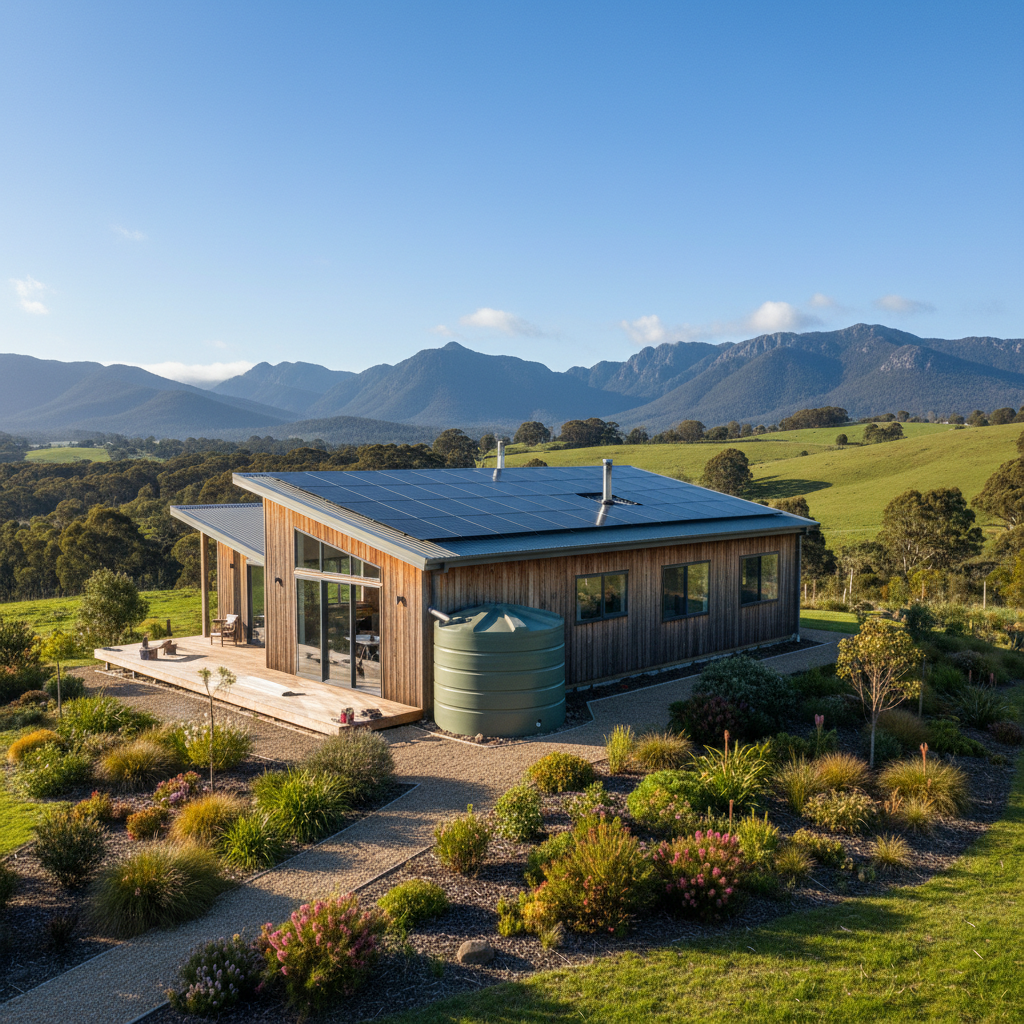
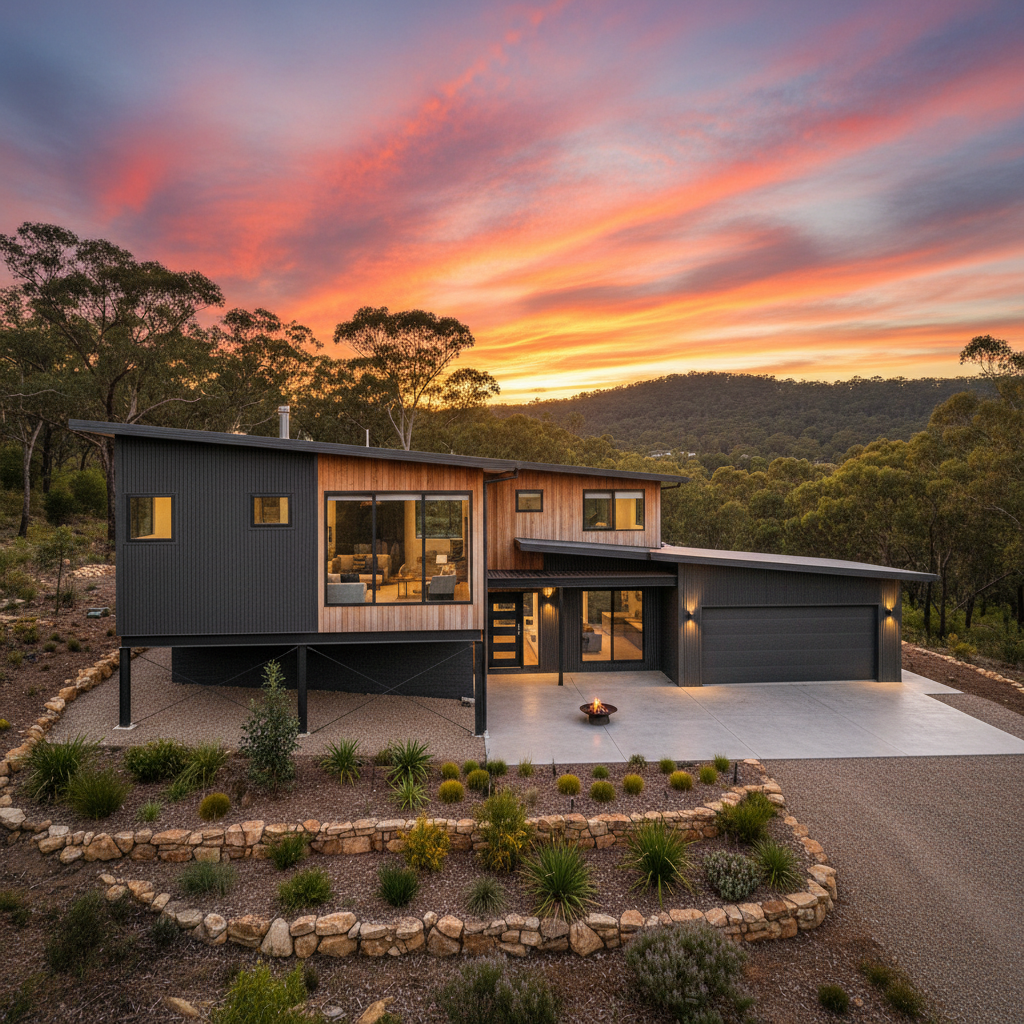
As this trend gains momentum, kit homes have emerged as a frontrunner for savvy owner builders. No longer associated with basic temporary dwellings, the modern kit home represents a sophisticated approach to residential architecture. By focusing on clever layouts and high quality materials like Australian BlueScope Steel, homeowners are finding they can build a space that feels generous and high end, despite it having a more compact footprint.
Designing for Efficiency: Maximum Impact, Minimum Footprint
The beauty of the 'small and smart' trend lies in spatial efficiency. In the past, houses often featured formal dining rooms or spare lounges that were rarely used. Today, Australian housing trends are leaning toward multi-functional spaces. Every square metre must work hard. Open plan living areas that seamlessly transition to outdoor decks are becoming the gold standard for kit home designs.
When selecting a kit home layout, the focus should be on vertical space and natural light. High ceilings and strategically placed windows can make a 60 square metre granny flat or a 100 square metre cottage feel twice its actual size. By choosing designs that prioritize high traffic areas and minimize hallways, you create a flow that feels intuitive and uncluttered.
The Role of Steel in Modern Design
One of the quiet heroes of this design revolution is the use of TRUECORE steel frames. Steel offers an incredible strength-to-weight ratio, which allows for longer spans and larger window openings without the need for bulky support beams. This is essential for the modern Australian aesthetic, which often demands clean lines and expansive views of the surrounding landscape. Because steel frames are precision engineered, the finish is straighter and more consistent, making the DIY internal fit-out much smoother for owner builders.
Practical Tips for Planning Your Kit Home
If you are considering joining the wave of Australians building their own kit homes, preparation is your best friend. Navigating the journey of an owner builder is rewarding, but it requires a disciplined approach to planning.
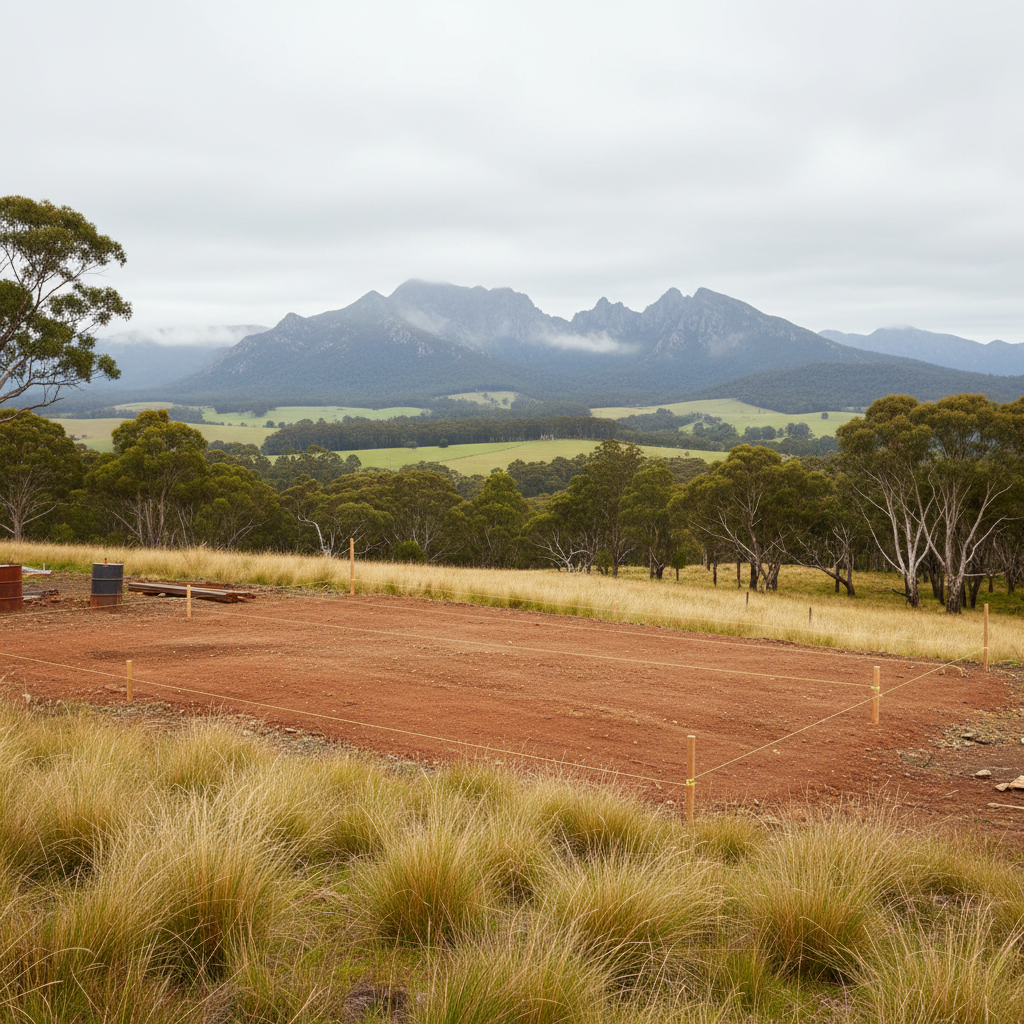
- Start with the Site: Before falling in love with a floor plan, understand your land. Consider the orientation for passive solar heating. Positioning your main living areas to the north can significantly reduce your energy needs for heating and cooling.
- Understand the Kit Inclusions: A standard kit generally includes the structural components, such as the steel frames, roofing, cladding, windows, and doors. It is your job as the owner builder to manage the 'wet' trades and the internal finishes. Always clarify exactly what arrives on the truck so you can schedule your site works accordingly.
- Be Realistic with Your Workspace: You will need a clean, flat area to store your kit components once they arrive. Steel frames and roofing sheets need to be stored off the ground and protected from the elements until they are ready to be stood up.
The Owner Builder Advantage: Taking Control
Why are more Australians choosing to become owner builders? It comes down to control. When you manage the process yourself, you have the final say on every fixture, every tile, and every paint colour. You aren't tied to a mass-volume builder's limited selection. This autonomy is a huge draw for people who want a home that truly reflects their personality.
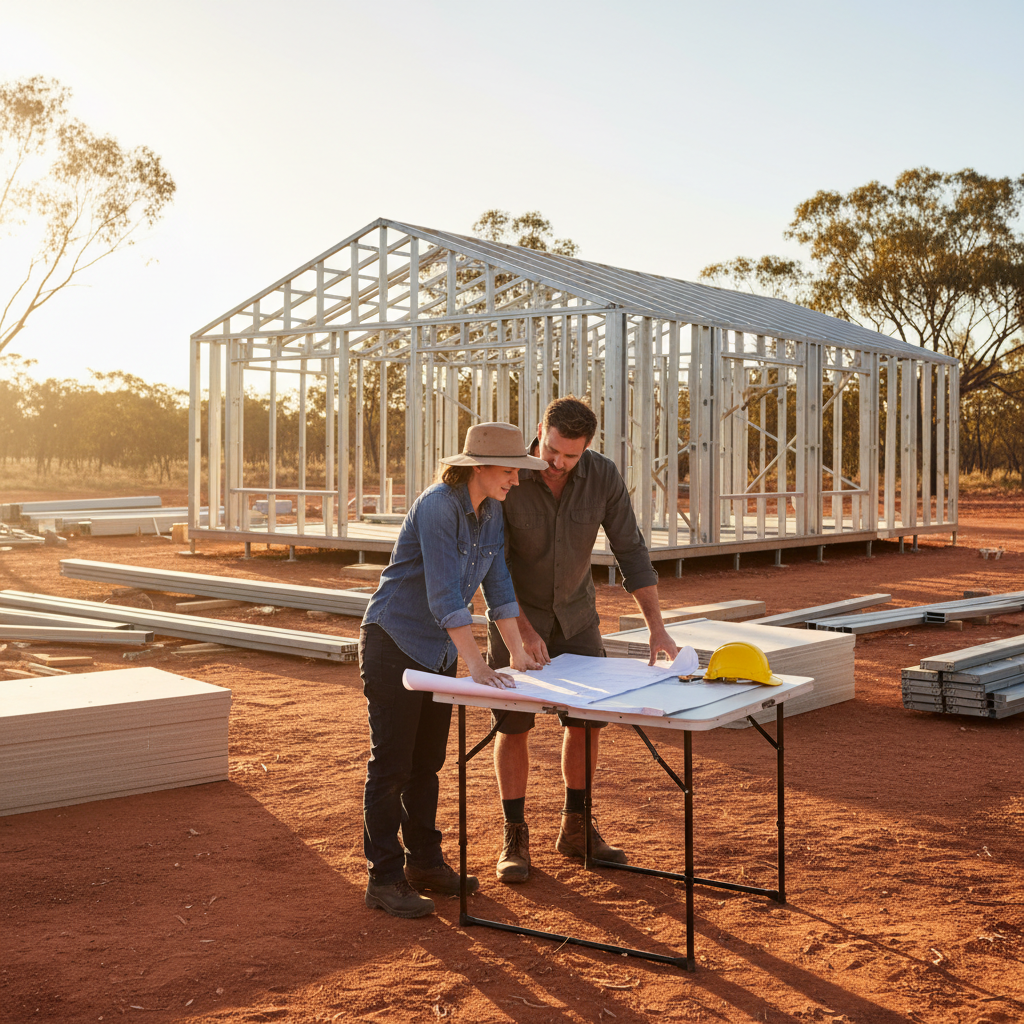
Being an owner builder doesn't mean you have to swing the hammer for every single task. Most owner builders act as project managers, hiring licensed plumbers and electricians for the specialized work while tackling the assembly of the steel frames or the installation of weatherboards themselves. This 'sweat equity' allows for a deeper connection to the home and a great sense of accomplishment when the keys are finally in the door.
Why Steel Frame Construction is the Smart Choice
In the Australian climate, construction materials face harsh tests, from the scorching heat of the outback to the humid coastal fringes. This is why steel frame kits have become a preferred choice for many. Unlike timber, steel is 100 percent termite proof. In many parts of Australia, this provides immense peace of mind without the need for toxic chemical barriers.
Furthermore, steel is non-combustible. For those building in Bushfire Attack Level (BAL) rated zones, steel frames and non-combustible cladding provide a significant advantage in meeting safety requirements. The precision of steel also means that frames won't warp, twist, or shrink over time. This leads to fewer cracked cornices and sticking doors years down the line, ensuring your smart home stays smart for decades.
Tips for Assembling Steel Frames
- Preparation is Key: Ensure your concrete slab or sub-floor is perfectly level. Because steel frames are manufactured to the millimetre, any discrepancies in your base will be amplified as you go up.
- Follow the Layout: Modern kit homes come with comprehensive assembly drawings. Treat the process like a giant 3D puzzle, following the numbering sequences provided by the manufacturer.
- Use the Right Tools: Invest in a high quality impact driver and ensure you have the correct screws for the specific gauge of steel you are working with.
Lifestyle Trends: The Rise of the Multi-Generational Kit Home
Another fascinating trend in the Australian market is the rise of multi-generational living. Many families are using kit homes to build secondary dwellings or 'granny flats' in their backyards. This isn't just for aging parents, it is also becoming a popular way for young adults to stay close to home while maintaining their independence.
The flexibility of kit designs allows for these smaller dwellings to be customized to suit the specific needs of the occupant. Whether it is an artist's studio, a home office, or a fully self-contained one-bedroom cottage, the smaller footprint allows for high quality living without the heavy maintenance of a large family house.
Navigating the Regulatory Landscape
While the design and construction phases are exciting, don't overlook the paperwork. Every local council in Australia has different rules regarding kit homes and owner builder permits. Before you order your kit, spend time talking to your local planning department. Understand the requirements for Soil Reports, BAL ratings, and Energy Efficiency certificates. Having your documentation in order from day one will save you countless headaches during the build process.
A Sustainable Future
The move toward smaller, smarter homes is more than just a passing fad, it is a sustainable response to the modern world. By choosing a kit home with a steel frame, you are investing in a durable, recyclable, and efficient housing solution. You are choosing to live with less clutter and more intention.
Whether you are a first-time owner builder or a seasoned DIYer looking for your next project, the modern kit home offers a path to homeownership that is flexible, high quality, and perfectly aligned with current Australian lifestyle trends. By focusing on smart design and robust materials, you can create a sanctuary that stands the test of time, all while enjoying the process of building it yourself.