The Great Australian Shift to Smart Building
Drive through any new subdivision in the Hunter Valley or the outskirts of Adelaide and you'll see the same thing. Massive, dark-roofed houses huddled together with barely enough eaves to shade a window. It's a design disaster for our climate. But there's a different trend bubbling away under the surface of the mainstream property market. I'm seeing more people walk away from the big volume builders. They're heading toward kit homes because they want control over the footprint their house leaves on the dirt. This isn't just about saving a few bucks. It's about building a house that doesn't cost a fortune to run when the mercury hits forty-two degrees in mid-January.
Sustainable building used to be for the fringe dwellers who lived in yurts. Not anymore. Now, it's the bloke in the suburbs who's sick of paying five hundred bucks a quarter for aircon. People are realising that a kit home, specifically one built with a steel frame, gives them a massive head start. You're getting a precision-engineered skeleton that doesn't warp or twist like green timber. If your frame is straight, your windows seal better. If your windows seal better, your thermal performance goes through the roof. It's basic physics, but we've ignored it for too long in the Aussie housing game.
Why Steel Frames are Winning the Climate War
I've spent years on sites, and I can tell you there's nothing more frustrating than trying to plumb a wall that's bowed because the timber sat in the rain for three weeks. Using TRUECORE steel changed the game for kit builds. It's dead straight. Every time. This matters because sustainable building relies on tight tolerances. If you're aim is a high-performance home, you can't have gaps. We use BlueScope steel because it's born for the Australian sun. It doesn't rot, and crucially, the termites won't touch it. I've seen houses in Queensland where the white ants have eaten the studs right out from behind the plasterboard. With a steel-framed kit, you've removed the main food source for the pests without pumping the ground full of nasties. That's a sustainability win that most people don't even think about until they're three years into a mortgage.
And let's talk about the weight. Steel has a massive strength-to-weight ratio. This means you can have larger spans and more glass without needing massive, expensive structural beams. You want a big north-facing window to soak up that winter sun? Steel makes that easy. It's about working with the material, not against it.
The Owner Builder Reality Check
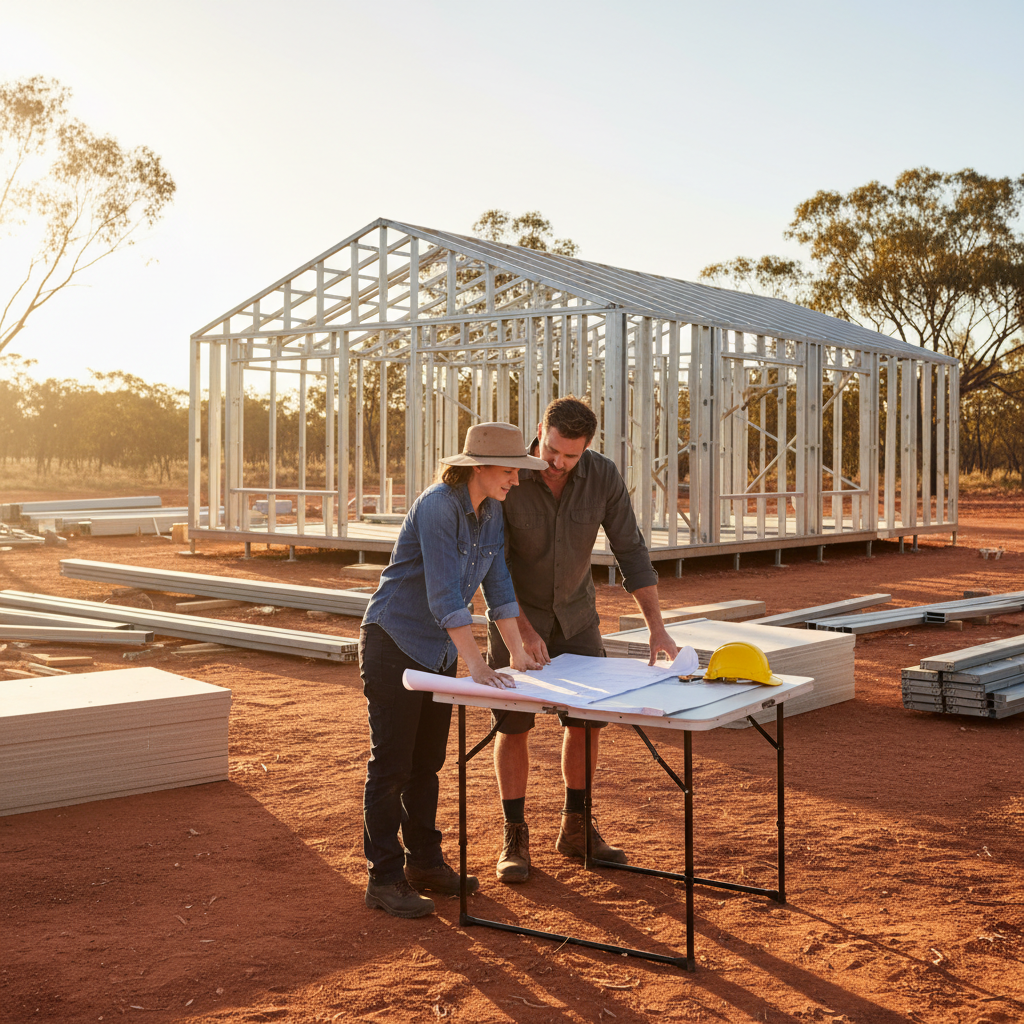
Don't get it twisted. Being an owner-builder isn't just about swinging a hammer on the weekends. It's about being a project manager. You're the one dealing with council, the one hiring the sparky, and the one making sure the slab is poured to the millimeter. Most people who buy our kits are taking on that responsibility because they want to know exactly what's behind their walls. They want to choose the R-value of their insulation rather than just taking whatever the cheapest option is from a developer's checklist.
If you're going down this path, start with the NCC (National Construction Code) Volume 2. It’s your bible. It tells you exactly what the Aussie standards are for residential buildings. Don't let a subbie tell you "she'll be right" if it doesn't match the code. The beauty of a kit is that the frame, the roofing, and the cladding are all designed to work together. It's a system. When you're an owner-builder, you're the glue that holds that system together. It's hard work. You'll have nights where you're staring at a site plan at 10pm wondering why the drainage guy hasn't called you back. But when you move in, you know every bolt and every sheet of insulation is exactly where it should be.
One tip for the rookies: get your site works sorted early. I mean really early. If you're building on a slope, your costs will jump. Get a soil test done before you even look at floor plans. Knowing if you're dealing with reactive clay or solid rock will dictate your entire foundation design. A lot of our customers in places like the Blue Mountains or the Perth Hills find that out the hard way because they didn't get their site sussed out first.
Designing for the Sun (Not the Street)
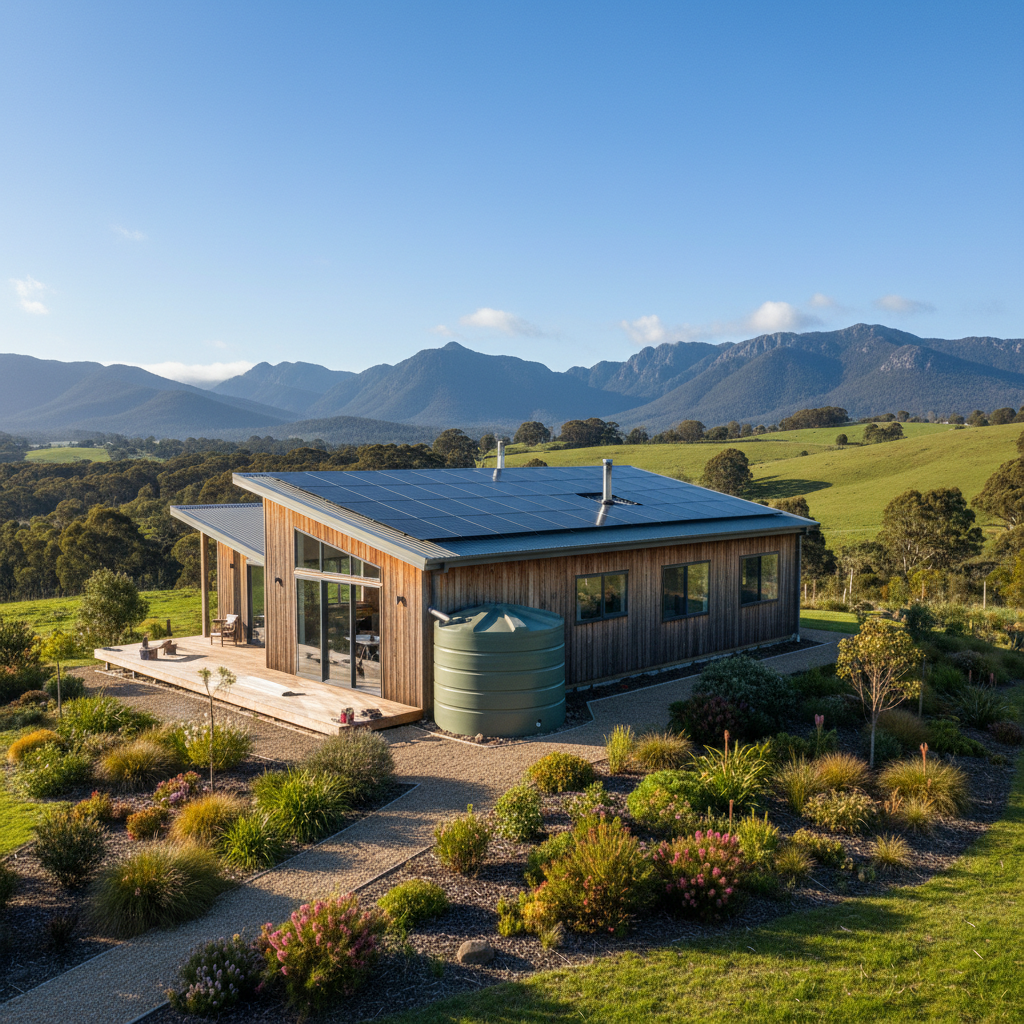
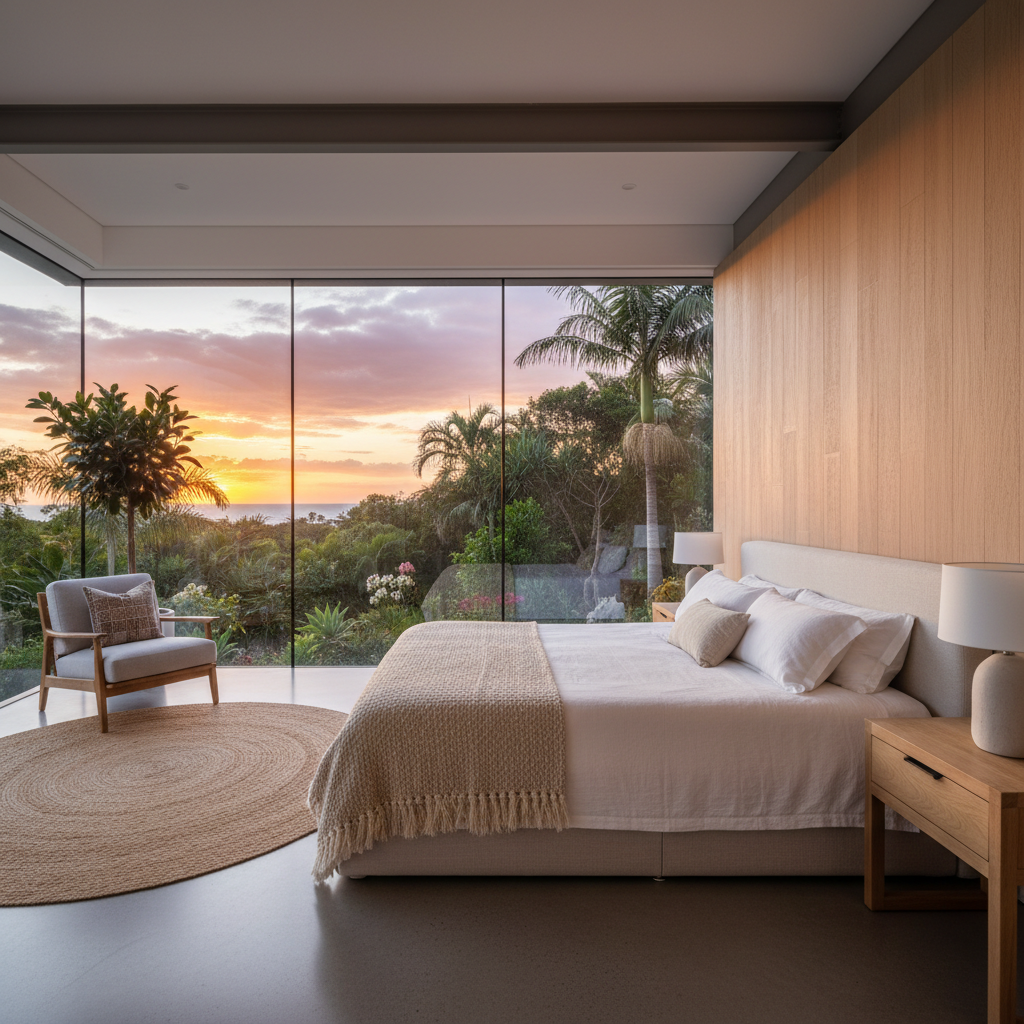
The biggest mistake in Australian housing is building for the street view. People want the front of the house to look a certain way, so they put big windows on the west. Mistake. Big mistake. You'll bake in the afternoon. A sustainable kit home should be oriented to the north. This is Kit Home 101. Put your living areas on the north side with decent eaves. In the winter, that low sun hits the glass and warms your slab. In the summer, those eaves shade the glass and keep the heat out. It's free energy. Why wouldn't you use it?
Practical Design Moves:
- Cross-ventilation is your best friend. Place windows on opposite sides of the room to catch the breeze.
- Slab-on-ground construction gives you thermal mass. It's like a battery for heat.
- Don't skimp on the insulation. We include it in our kits for a reason. Better yet, upgrade it if you're in a cold climate like Ballarat or a hot one like Darwin.
- Think about the color of your roof. A light-colored Colorbond roof can reflect a massive amount of heat compared to a dark charcoal or black.
Steel frames actually help here too. Because the frames are so precise, you can get a really tight seal around your windows and doors. Air leakage is the silent killer of home efficiency. You can spend ten grand on double glazing, but if the frame is warped and there's a gap under the door, you're just throwing money away. Steel stays true. It won't shrink or expand like some other materials, which means your seals stay tight for the life of the building.
Sustainability is More Than Just Solar Panels
People reckon they're being sustainable just by slapping 10kW of solar on the roof. That's only half the story. True sustainability is about the materials you choose and how long they last. Steel is infinitely recyclable. If, in a hundred years, someone knocks your house down, that steel frame can be melted down and turned into something else. It hasn't been treated with chemicals to keep the bugs away. It's just iron and carbon.
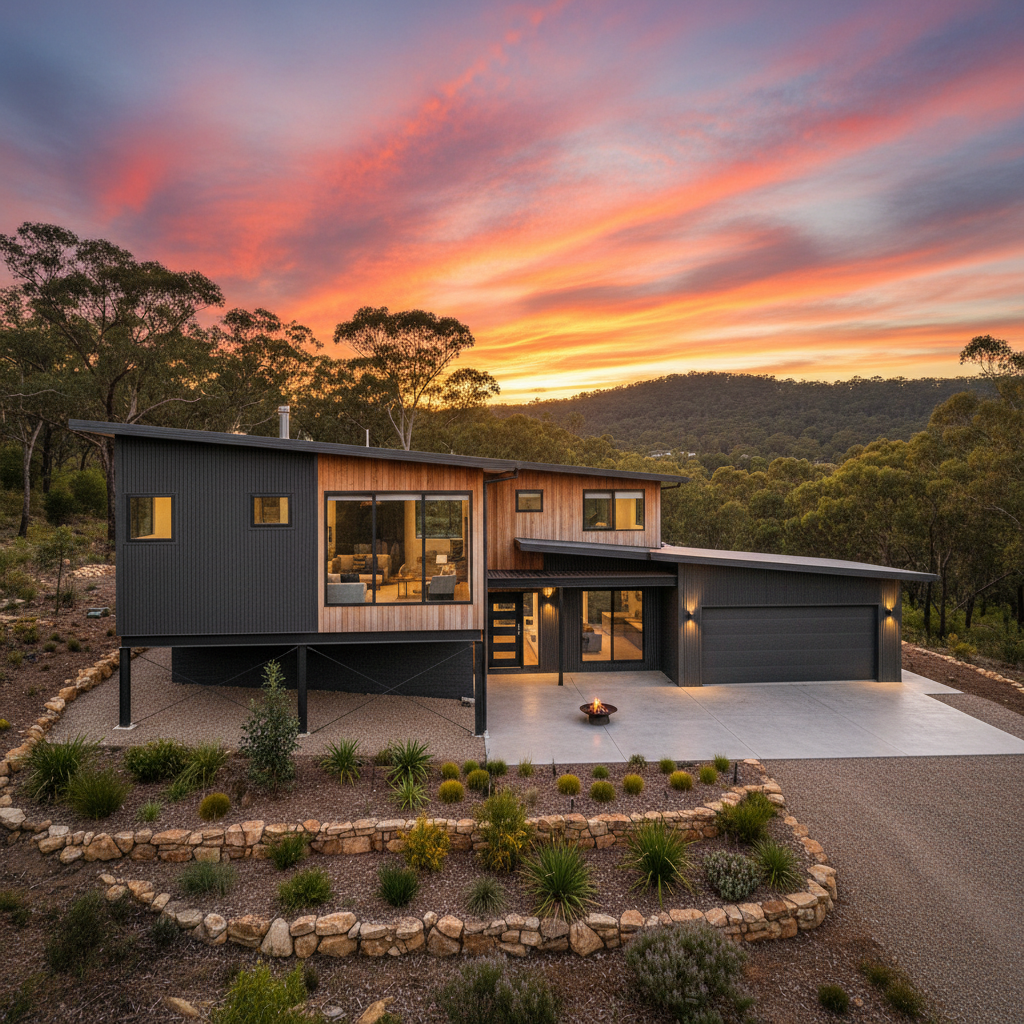
We've seen a huge lift in interest from people in BAL (Bushfire Attack Level) rated areas. If you're building in the bush, you've got to be smart. A steel-framed kit with non-combustible cladding isn't just a lifestyle choice; it's a safety choice. Steel won't add fuel to a fire. This is the kind of practical sustainability that's actually gaining momentum. It's about resilience.
The Final Word on the Kit Process
Building your own home is a slog, no two ways about it. But the trend is clear: Australians are over the cookie-cutter approach. They want homes that fit the land. They want homes that won't cost a fortune to run. And they want the satisfaction of saying "I built this." If you're looking at a kit, make sure you're getting quality BlueScope steel and that you understand what's included. Our kits get you the shell - the frames, the roof, the walls, and the windows. The rest is up to you and your trades. It’s a partnership between the manufacturer and the owner-builder. Get it right, and you'll have a house that stays cool in a heatwave and stands straight for decades.