Stop building houses that fight the climate
I spent fifteen years on sites before I started writing about them, and if there's one thing that still makes me shake my head, it's seeing a beautiful new kit home plonked on a block with the big glass sliders facing west. It's a recipe for a sweatbox. You’ll be running the aircon until the meter spins off the wall, and all because someone didn't think about where the sun sits at 4pm in February. Building a house in Australia isn't just about putting up walls. It's about outsmarting the sun. We call it solar passive design. It sounds fancy, but it just means making the house do the heavy lifting so your wallet doesn't have to.
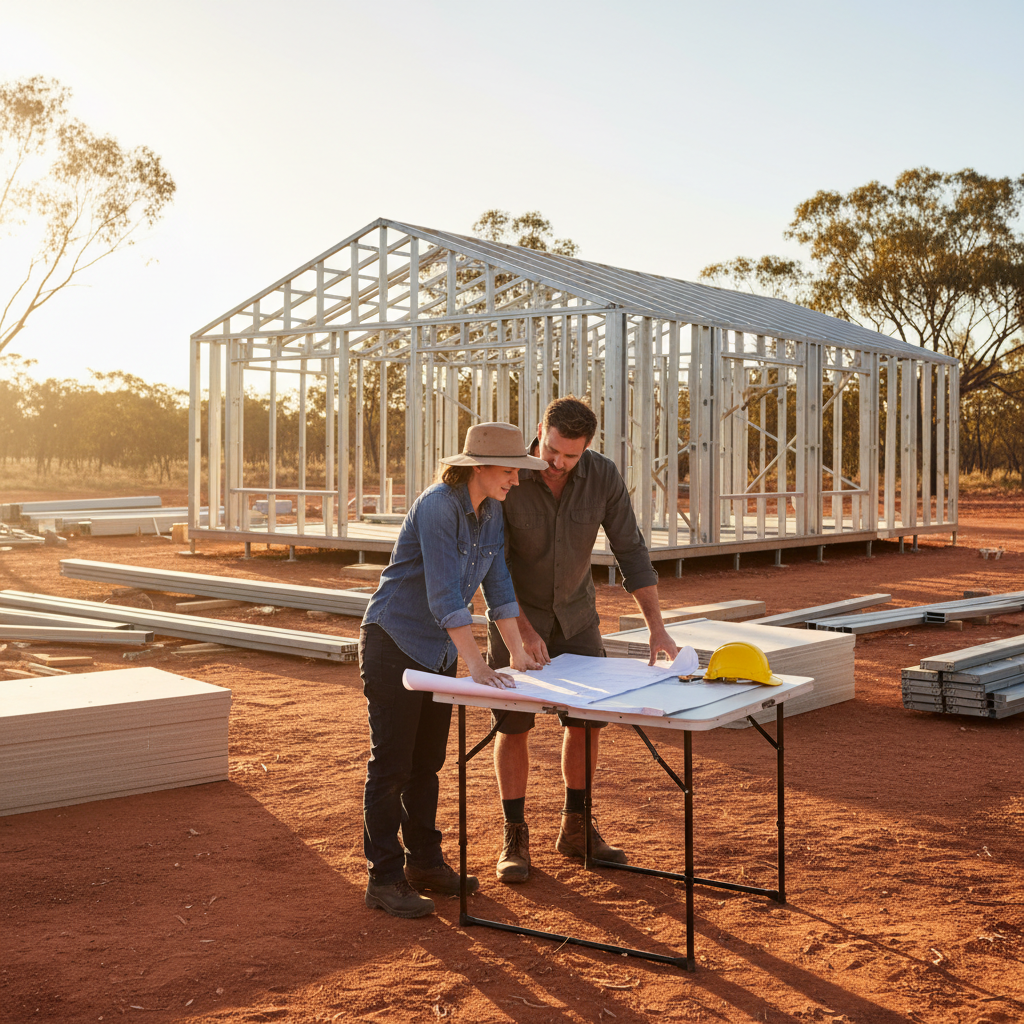
When you're looking at a steel frame kit, you've got a massive advantage right out of the gate. Steel doesn't warp when the humidity hits 90 percent in Queensland, and it won't twist when the southerly buster hits the coast. But a frame is just a skeleton. How you skin it and where you point it determines if you'll actually enjoy living there. Let's get into the guts of how to set up a kit home that stays cool in summer and holds its heat when the frost hits the ground in Wagga.
The North Facing Rule
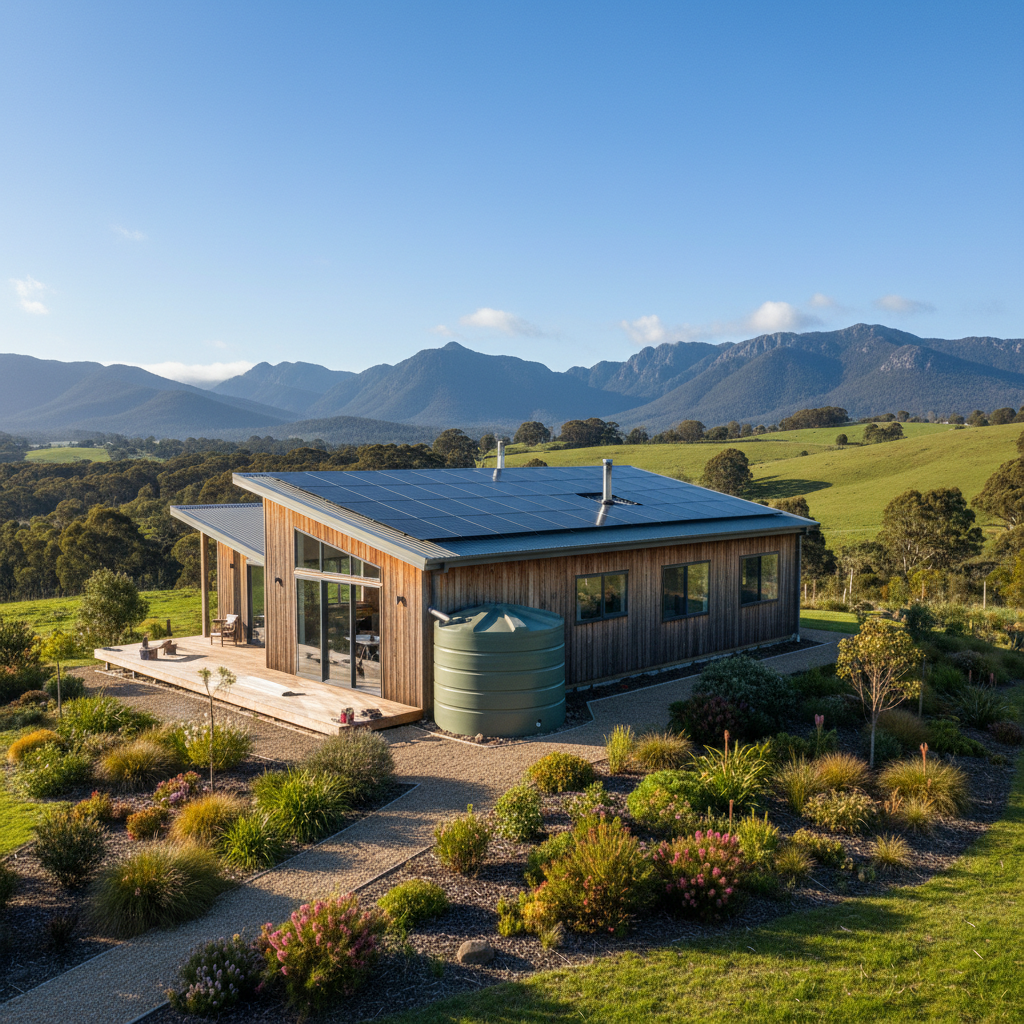
The golden rule. No negotiations. Your living areas, the spots where you actually spend your time, need to face north. Not north-ish. North. Why? Because the Australian sun is a predictable beast. In winter, it sits low in the sky to the north. If you've got big windows on that side, the sun streams in, hits your floor, and warms the place up for free. In summer, that same sun is way up high, nearly overhead. A simple eave or a bit of an overhang blocks that harsh vertical light, keeping the glass in the shade. It’s physics, not magic.
I’ve seen owner-builders get distracted by a view of a valley to the west and put all their glass there. Big mistake. Huge. By the time that afternoon sun hits those windows, you're toast. If the view is west, use smaller windows or seriously heavy-duty shading. Otherwise, you’re just building a literal greenhouse.
Thermal Mass and the Kit Home Reality
Most kit homes sit on a concrete slab. That slab is your best friend. In a solar passive setup, we want the winter sun to hit that concrete. The slab soaks up the heat during the day and slowly lets it out at night. It’s like a battery for heat. But this only works if you don't cover the whole thing in thick carpet. If you’re building a kit, think about polished concrete or stone tiles in those north-facing zones. It looks sharp, and it works hard.
Because we use TRUECORE steel frames, we’ve got a lot of flexibility with internal layouts. You can have those big, open-span living areas that let light reach deep into the house. Steel is light, strong, and dead straight. This helps with the 'envelope' of the building. If your walls are straight and your joints are tight, your insulation actually does its job. If you've got gaps because a timber stud decided to bow three weeks after install, your expensive cooled air is escaping through the cracks. Steel keeps things tight.
Ventilation: The Art of the Cross Breeze
Windows aren't just for looking at the garden. They're your cooling system. When you're picking your kit home floor plan, look at where the windows sit in relation to each other. You want a path for the air to move. If you've got a window on the windward side and another on the opposite wall, the breeze will pull the hot air out of the house. This is called the Venturi effect. It works best if the exit window is slightly higher or larger than the entry window.
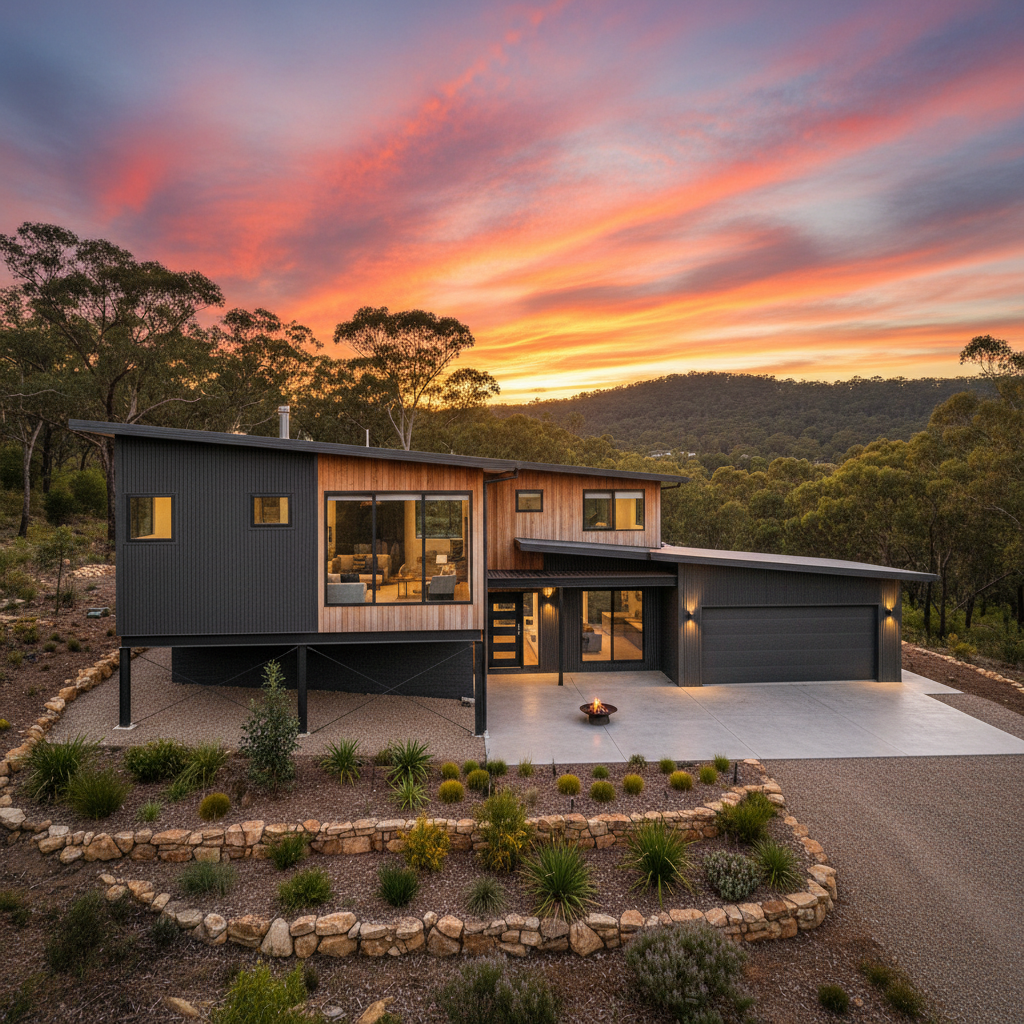
Think about louvres. They're classic Aussie style for a reason. You can leave them open during a summer storm and the rain won't get in, but the breeze keeps moving. Stick them low on the cool side of the house and high on the hot side. Hot air rises. Give it a way out. If you're building in a spot with high BAL (Bushfire Attack Level) ratings, you'll need to check the specs on your screens and glass, but the principle of airflow remains the same.
Insulation is not where you skimp
We include insulation in our kits because it’s non-negotiable. But as an owner-builder, you’ve got to make sure it’s installed right. If there’s a gap in your batts, it’s like leaving a window open. For steel frames, we often use a thermal break. This is a layer of material between the steel frame and the external cladding. Steel is a great conductor of heat. Without a thermal break, the heat from the sun-drenched cladding can jump straight through the metal into your home. The NCC (National Construction Code) Vol 2 has specific requirements for this now. Don't ignore it. It’s the difference between a house that feels like a tin shed and one that feels like a sanctuary.
Eaves and Shading
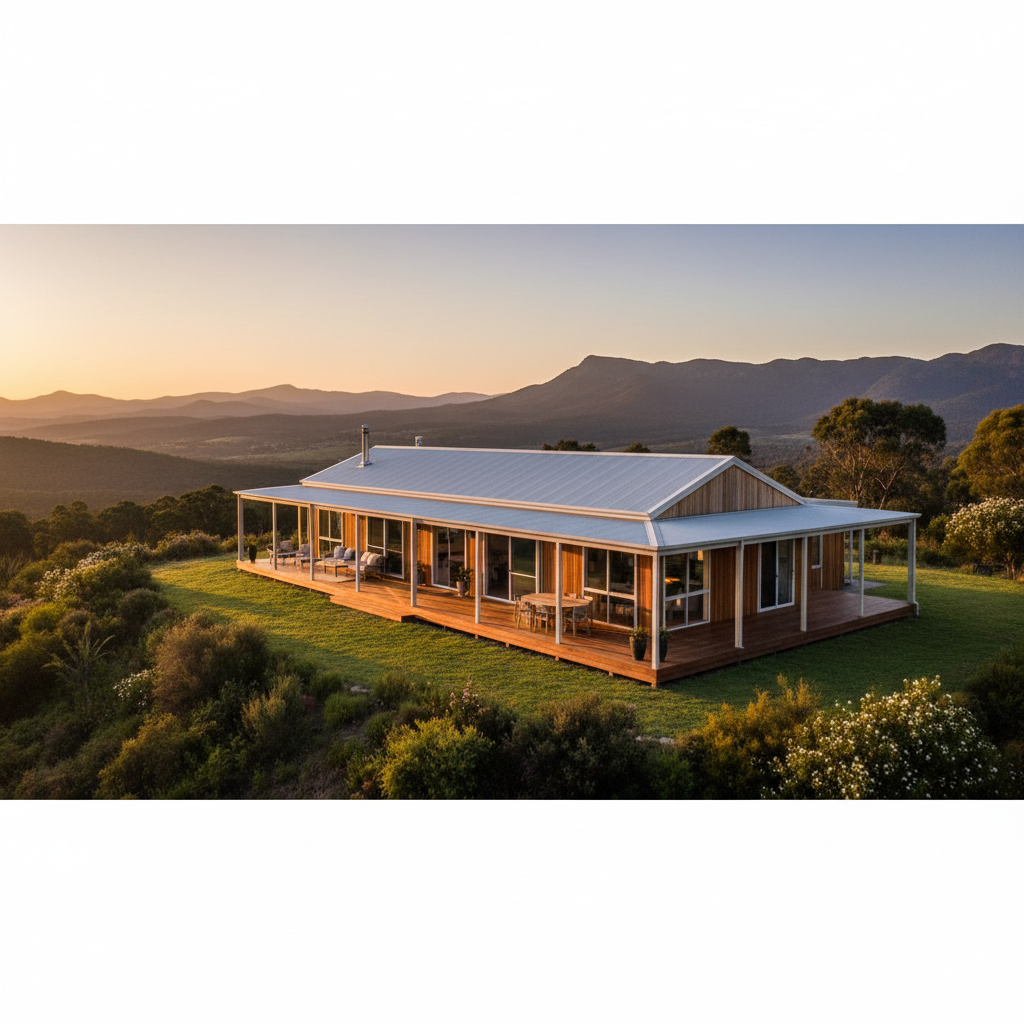
Look at old Queenslanders. They had massive wrap-around verandas for a reason. They knew the sun was the enemy. Now, we don't always have the budget or the block size for huge verandas, but you must have eaves. A house without eaves is just asking for trouble. For a standard single-storey kit home, an eave of 450mm to 600mm is usually the sweet spot for north-facing walls. On the east and west, you might need external blinds or deciduous trees. Plant a tree that drops its leaves in winter. It shades you in the summer, then lets the sun through when you’re freezing in July. Simple. Effective.
Tips for the Owner Builder
- Check your site orientation before you even look at floor plans. Use a compass app on your phone. Stand on the block at midday. See where the shadows fall.
- Don't just stick with the standard window package if your site has specific needs. Swapping a fixed pane for a sash window to catch a breeze is worth the extra few bucks.
- Talk to your slab subbie about the finish. If you want that thermal mass benefit, you want a high-quality finish on the concrete so you don't have to hide it under floorboards.
- Seal it up. Use high-quality weather seals on all your doors and windows. A solar passive house needs to be airtight to control the temperature effectively.
Steel Frames and the Environment
People ask me why I'm such a fan of steel for these builds. Aside from the termite thing (and let’s be honest, termites are a nightmare in most of Oz), it’s about precision. When you're building for energy efficiency, precision matters. Steel doesn't shrink. It doesn't move with the seasons. Your window seals stay tight. Your doors don't start sticking because it rained for a week. Plus, BlueScope steel is 100 percent recyclable. If the house is still standing in 100 years, that’s great. If someone wants to pull it down, that frame isn't going into landfill. It's going back into the furnace to become something else. That’s a win in my book.
Building a kit home gives you the control to do things right. You’re the one managing the trades. You’re the one making sure the insulation isn't shoved in carelessly. Take the time to understand how the sun moves across your specific piece of Australia. It’s not just about the kit you buy. It’s about how you place it on the earth and how you let it breathe. Get that right, and you'll have a home that's comfortable, cheap to run, and tough enough to handle whatever the Aussie weather throws at it.