Most blokes and owner builders I talk to spend 90 percent of their planning time looking at the kitchen layout or the size of the garage. I get it. You want space for the tools and a decent spot to cook a steak. But if you ignore the way the sun hits your block or how the breeze moves through the gully, you're going to end up with a house that feels like a cave or a heat trap. It doesn't matter if you've got the best TRUECORE steel frames in the country if the windows are in the wrong spot.
The North Facing Rule Is Not Optional
It's basic, but people still mess it up. In Australia, your living areas need to face north. Not north-ish. North. When you're sitting on your site at 2pm on a Tuesday in July, you want that low winter sun pouring into your lounge room. It heats the slab up and keeps the place from feeling miserable. If you put your laundry or bathroom on the north side, you're wasting the best real estate on a room you spend ten minutes a day in. Put the bedrooms on the south or east. You want the morning sun to wake you up in the master suite, but you don't want the afternoon sun cooking you while you're trying to watch the footy in the lounge.
We see it all the time. Someone picks a kit plan they love, but they try to force it onto a block where the driveway is on the north side. Fix the plan, don't fight the sun. Rotate the layout or mirror it. Most kit home designs are flexible enough to swap things around before the frames are manufactured. If you've got a narrow block in a suburb like Kellyville or somewhere in the Burdekin, you've got to be even more surgical with window placement. Because once those steel studs are standing, changing your mind involves a reciprocating saw and a lot of swearing.
The Cross Ventilation Secret
Airflow isn't just about opening a window. It's about movement. If you've only got one window in a room, the air just sits there. It's stagnant. You need an entry point and an exit point. Think about the afternoon sea breeze if you're near the coast, or the evening gully winds if you're up in the ranges. You want to align your windows so the air can actually travel through the house. And it shouldn't be a straight line every time. Forcing air to turn corners slightly can actually help cool the thermal mass of your internal walls.
Louvres are the underrated hero of the Australian kit home. They give you nearly 100 percent opening capacity. Compare that to a sliding window where half the opening is always blocked by glass. Put some louvres down low on the windward side and some high up on the opposite side. Hot air rises. It's high school science that actually matters when you're trying to sleep through a Brisbane humid spell in January. If you can let the hot air escape through high clerestory windows or even a well-placed skylight, you'll find yourself reaching for the air con remote much less often.
Highlighting Solar Access with Roof Pitch
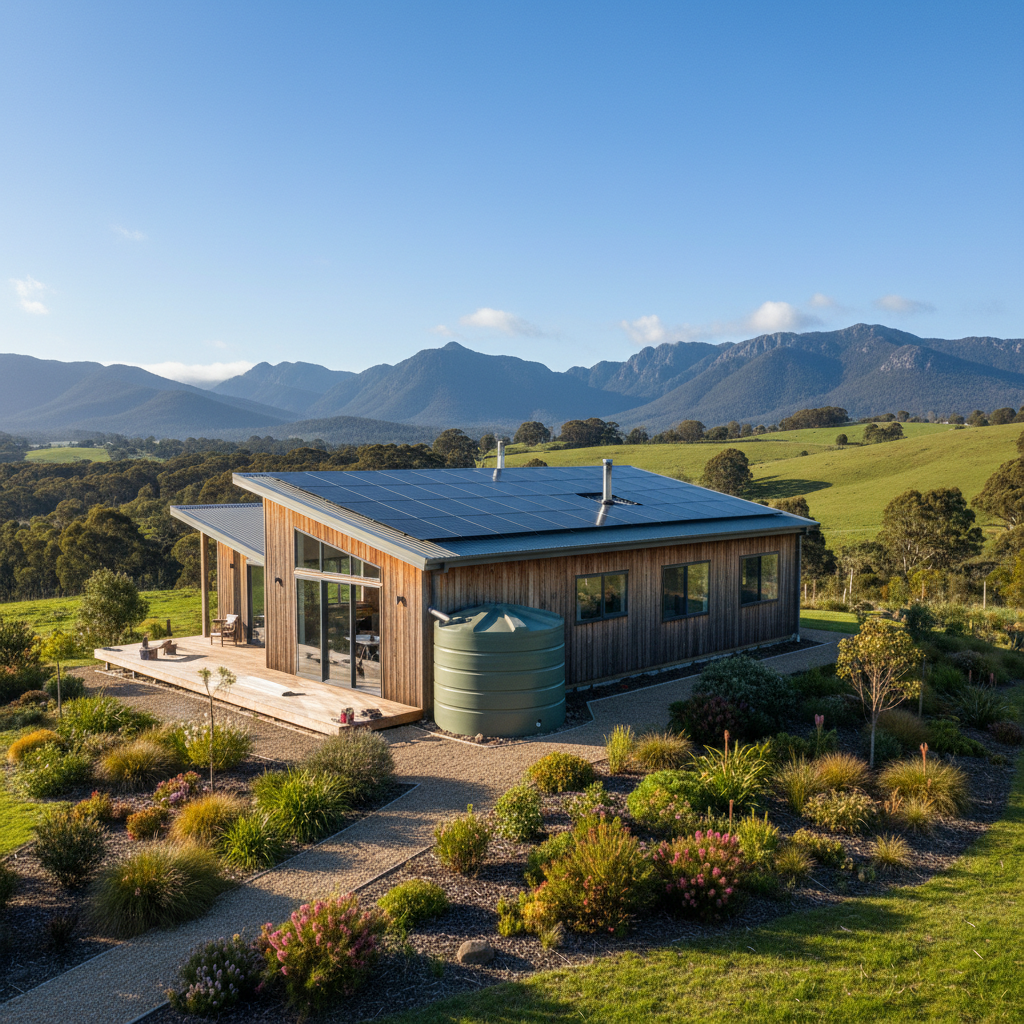
Standard kit homes often come with a 22.5 degree roof pitch. It's classic, it works, and it sheds water well. But if you're building a skillion roof design, you can use that slope to your advantage. A high skillion roof facing north allows for massive highlight windows. These poke out above your verandah or awning and let light deep into the back of the house. It's the difference between a dark hallway and a space that feels huge. Plus, since our kits use BlueScope steel, those long spans for skillion roofs are a breeze to engineer. You don't have the sag issues you get with some timber rafters over long distances.
Eaves and Awnings: Your Summer Shield
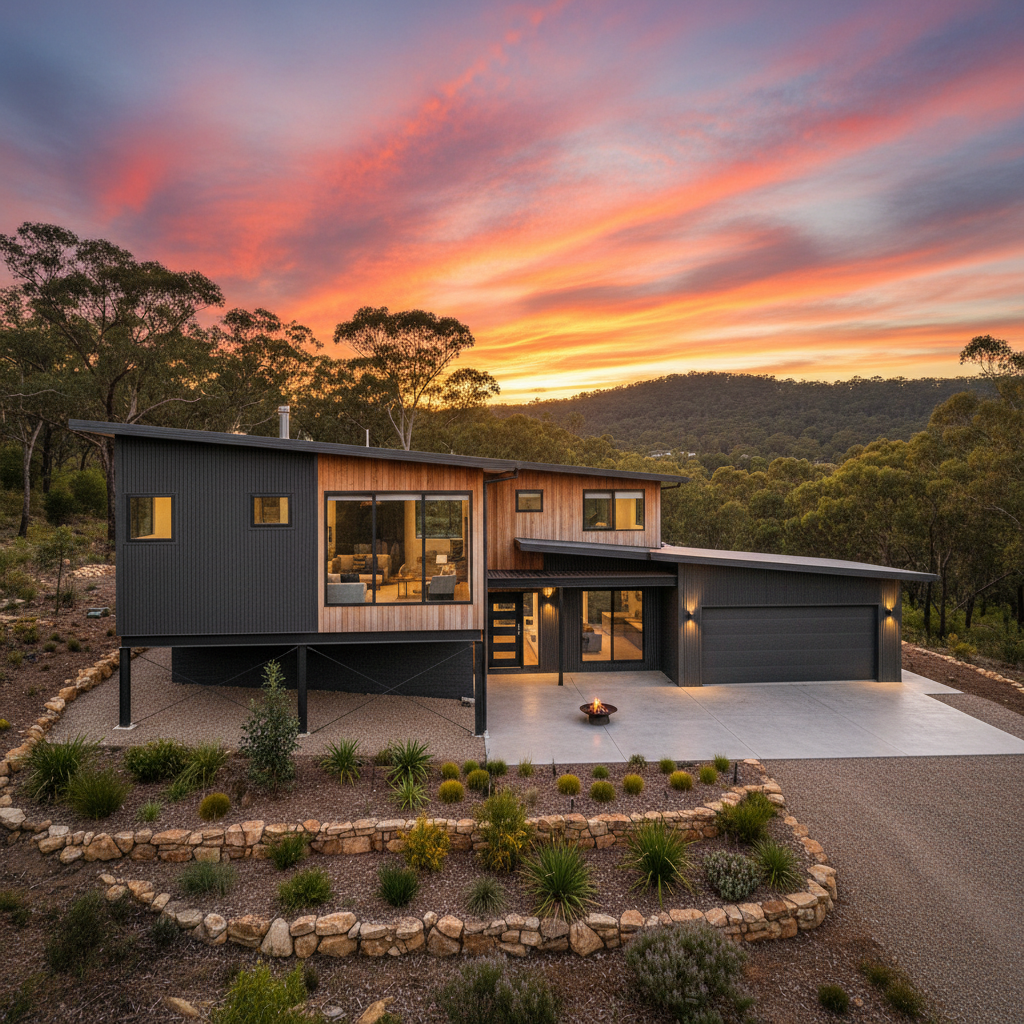
I see too many modern builds with no eaves. They look like boxes dropped in a field. In the Australian climate, that's madness. You need eaves. Minimum 450mm, but 600mm is better. They're designed to block the high summer sun while letting in the low winter sun. It's a bit of a balancing act. If your eaves are too wide, your house is dark all year. Too thin, and your Western wall will be glowing red hot by 4pm in February. If you're building in a high wind zone or a BAL-rated area (Bushfire Attack Level), your eaves need to be enclosed and compliant with AS 3959. Don't just slap some ply up there and call it a day. Use the right FC sheet and make sure it's sealed.
And don't forget the Western wall. The West is the enemy. It gets that punishing, horizontal afternoon sun that ruins your paint and melts your curtains. If you can, keep windows on the Western side to a bare minimum. If you must have a view that way, look at external shading. Once the heat hits the glass, the battle is already lost. You've got to stop the sun before it reaches the window. Use trees, use slats, or use a deep verandah.
Practical Tips for the Owner Builder
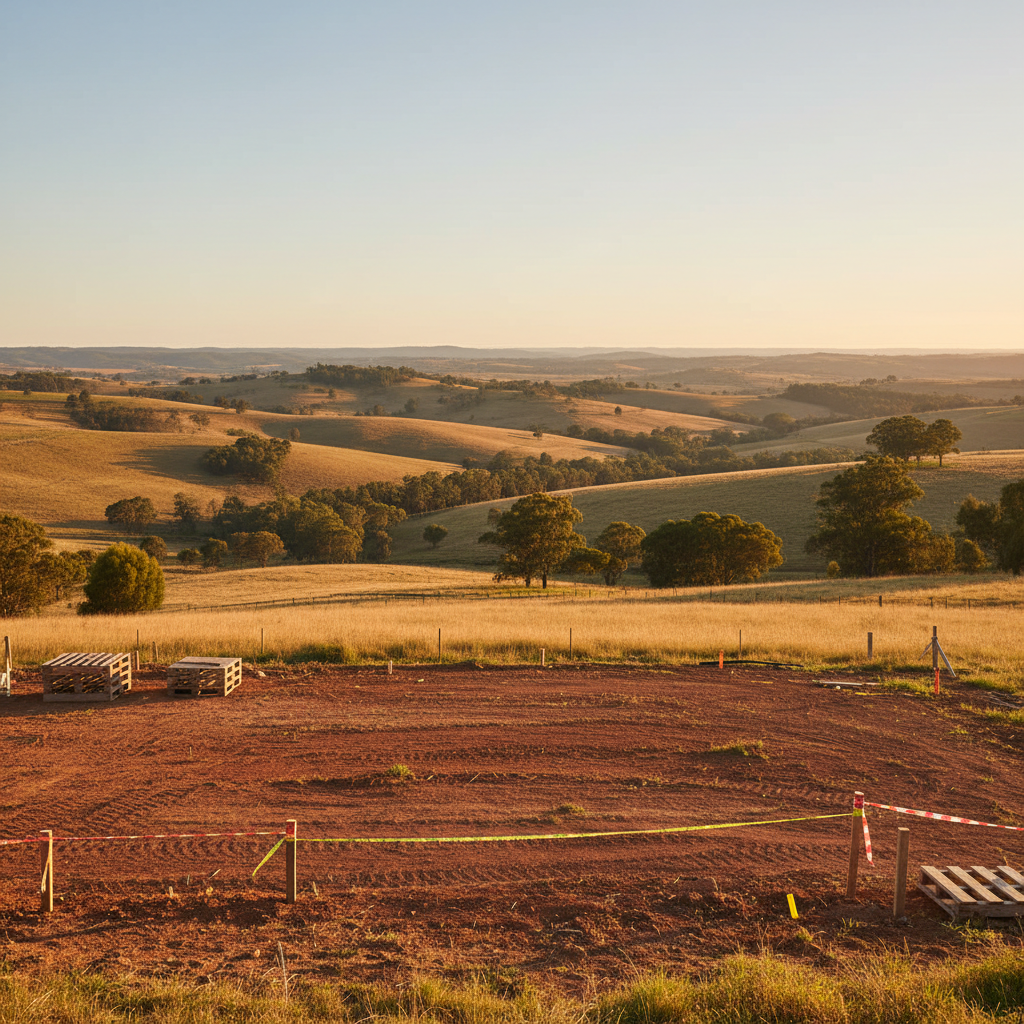
- Check your site orientation at different times of day before you pour the slab. Use a compass, not just a guess.
- Standard window sizes are cheaper, but don't sacrifice light. Sometimes paying for one big window is better than three small ones that don't do the job.
- Think about your floor coverings. A dark tiled floor in a sunlit room acts like a heater. Great in Hobart, maybe not so great in Darwin.
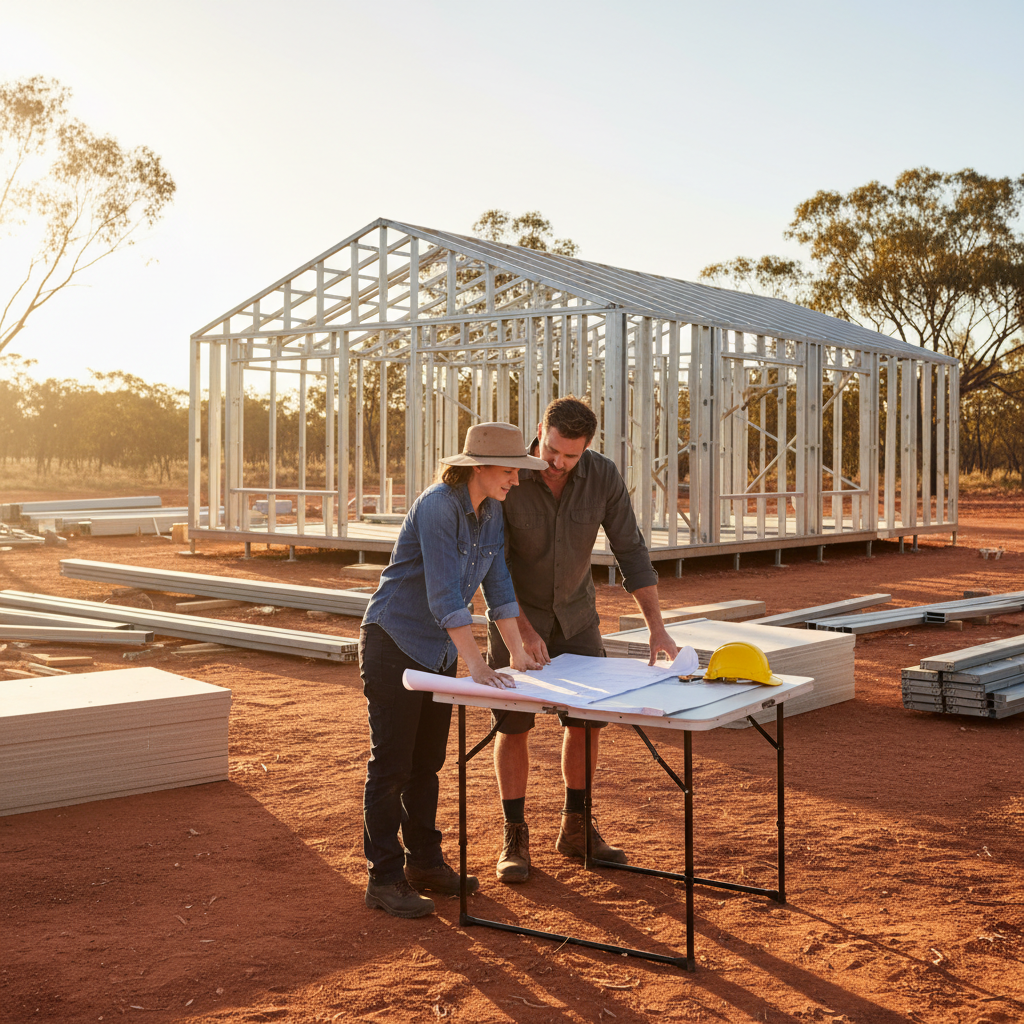
- If you're using steel frames, remember they're precise. Your window openings will be dead square, which makes installing your glazing much easier than working with wet timber that bows.
The Ceiling Fan Factor
People think because they have windows, they don't need fans. Wrong. Even with great ventilation, there are days in Australia when the air is dead still. A ceiling fan costs about 2 cents an hour to run and makes a massive difference to how a room feels. When you're looking at your kit plans, check the ceiling heights. If you're going for 2.4m ceilings, you've got to be careful with fan clearance. I usually recommend people bump up to 2.7m ceilings if they can. It gives the hot air more room to hang out above your head and allows for much better airflow without feeling like the fan is going to scalp you.
While we're talking about ceilings, don't skimp on the insulation. We include insulation in our kits for a reason. It's the blanket for your house. But insulation is only as good as the bloke installing it. If there are gaps, the heat will find them. Make sure it's tight around the light fittings and the ceiling joists. It works hand in hand with your ventilation. You vent the hot air out, and the insulation stops more from creeping in through the roof sheets.
Building a kit home is a massive win for the DIYer because you get to control these details. You aren't just buying a cookie-cutter house from a big developer who doesn't care which way the block faces. You're the one on the ground. You're the one who knows where the shade hits the grass at midday. Take that knowledge and bake it into your design choice. It's the difference between a house you just live in and a house you actually enjoy being in. Get the light right, get the air moving, and the rest of the build will feel a whole lot easier.